If you're looking for a mid-sized family SUV, the options can seem endless. Two of the most popular choices in the UK are the Kia Sportage and the Nissan Qashqai. The Qashqai essentially started the crossover trend and remains a strong seller, while the Sportage has grown into a well-rounded, stylish alternative that regularly tops the sales charts.
Both offer practical cabins, raised driving positions, and efficient hybrid powertrains. They share similar price points and aim at the exact same buyer, so which of these family-focused SUVs is the right fit for your driveway?
Kia Sportage vs Nissan Qashqai
Practicality
Kia Sportage practicality score: 4/5
Nissan Qashqai practicality score: 4/5
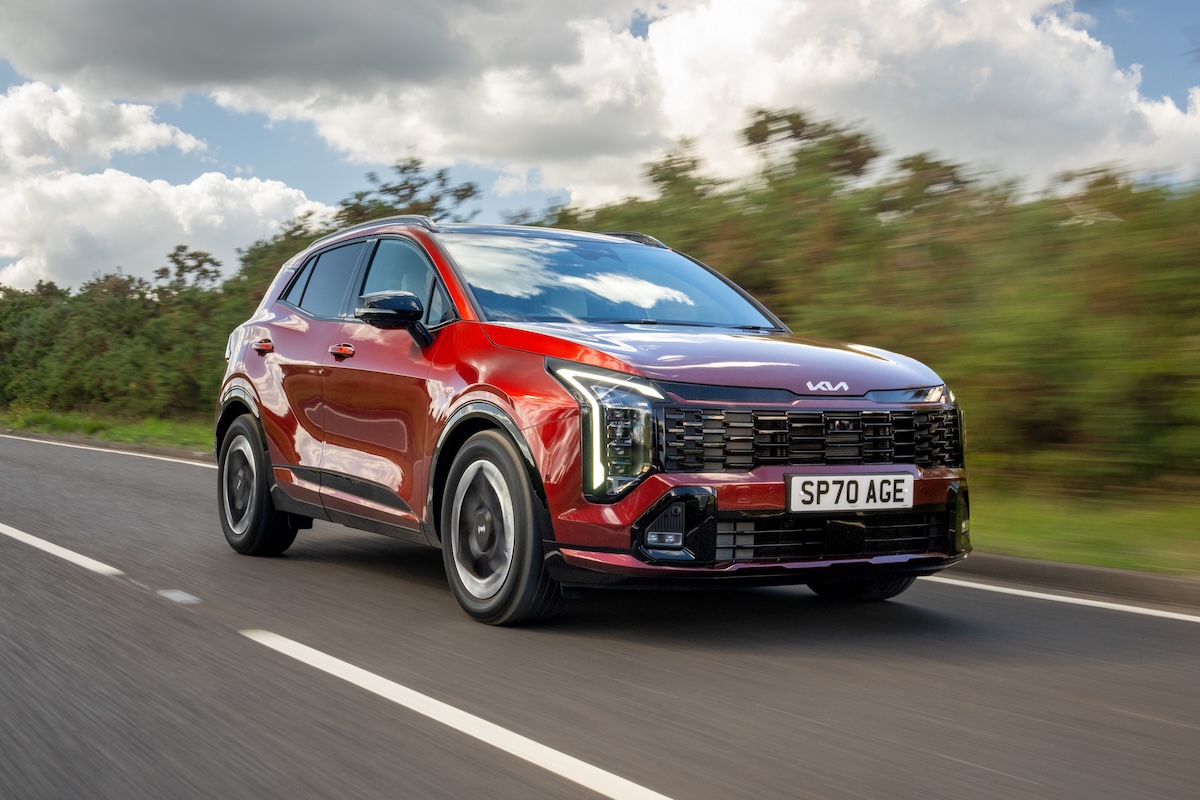
Both of these SUVs handle family duties well. The Kia Sportage offers a generous boot, with up to 591 litres of space depending on the powertrain, and a useful 40:20:40 split for the rear seats. Passenger room is good, with plenty of legroom in the back, and there is ample storage in the front cabin for everyday items.
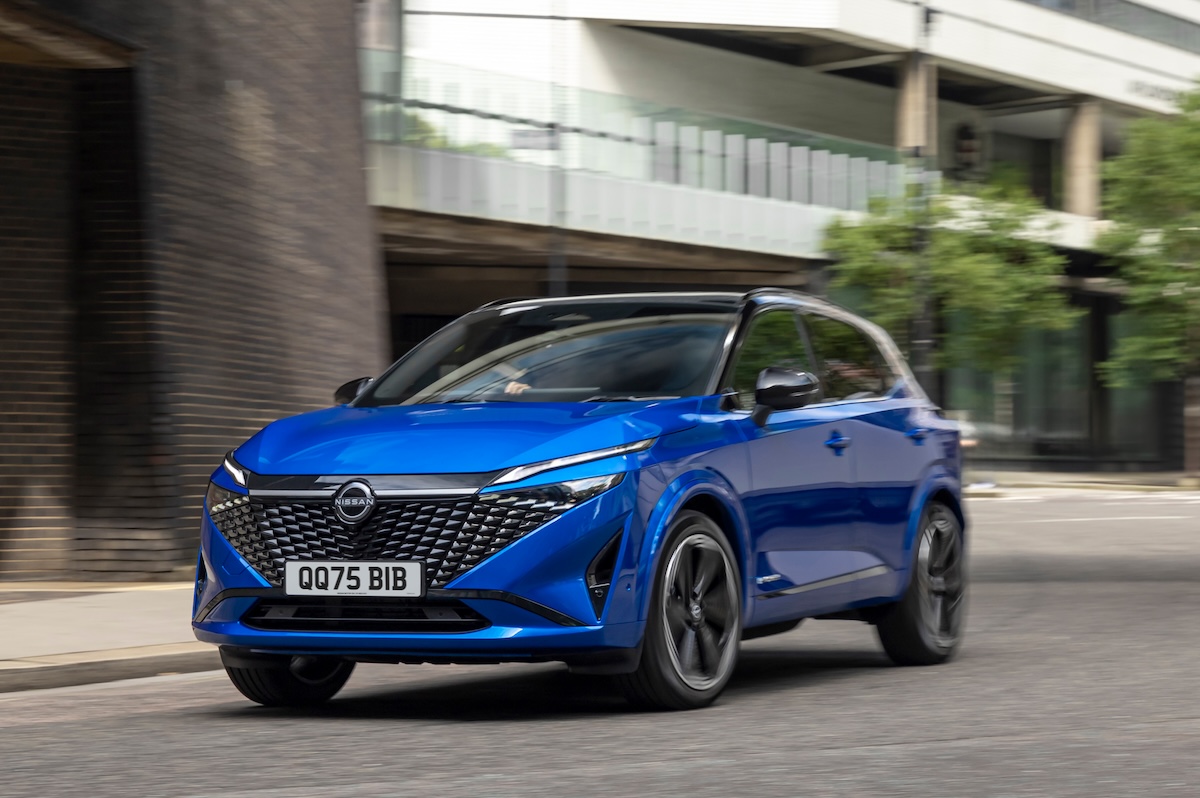
The Nissan Qashqai is also accommodating, providing up to 504 litres of boot space. It features a clever variable-height boot floor that helps divide up the load area to keep items secure. Rear legroom is plentiful in the Qashqai, though it lacks the 40:20:40 split rear seats found in the Kia, making do with a standard 60/40 arrangement. Neither car offers a seven-seat option, but for a family of four or five, both are highly capable.
Driving Impressions
Kia Sportage driving score: 4/5
Nissan Qashqai driving score: 4/5
On the road, both cars prioritise comfort over sporty handling. The Kia Sportage delivers a balanced ride that absorbs bumps well, and its steering has a reassuring weight to it. The popular hybrid model is smooth, switching between electric and petrol power with minimal fuss. It feels substantial and secure, making it a relaxing car for longer motorway journeys.
The Nissan Qashqai is similarly relaxed. Its E-Power hybrid system is quite unique, using the petrol engine purely as a generator for the electric motor. This gives it a smooth, EV-like driving feel with unbroken acceleration. The mild-hybrid petrol options are punchy enough for daily driving, too. Both cars are easy to drive and park, though the Qashqai's ride can feel a bit firm if you opt for the largest 20-inch alloy wheels.
Technology and Equipment
Kia Sportage technology and equipment score: 5/5
Nissan Qashqai technology and equipment score: 4/5
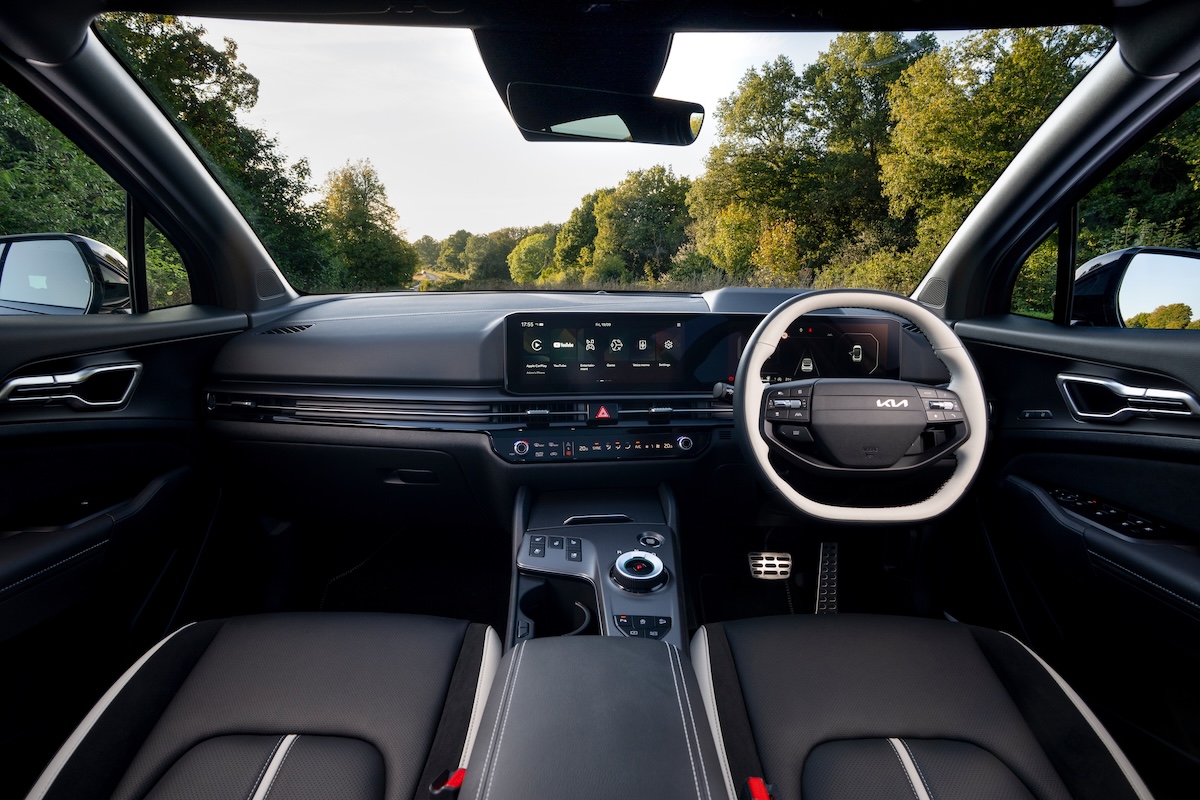
The Kia Sportage takes a slight lead when it comes to technology. Following its recent update, all versions come with a crisp 12.3-inch central touchscreen as standard, complete with wireless Apple CarPlay and Android Auto. The menus are logical, and it retains a handy physical control panel for the climate settings, which makes it easy to use on the move.
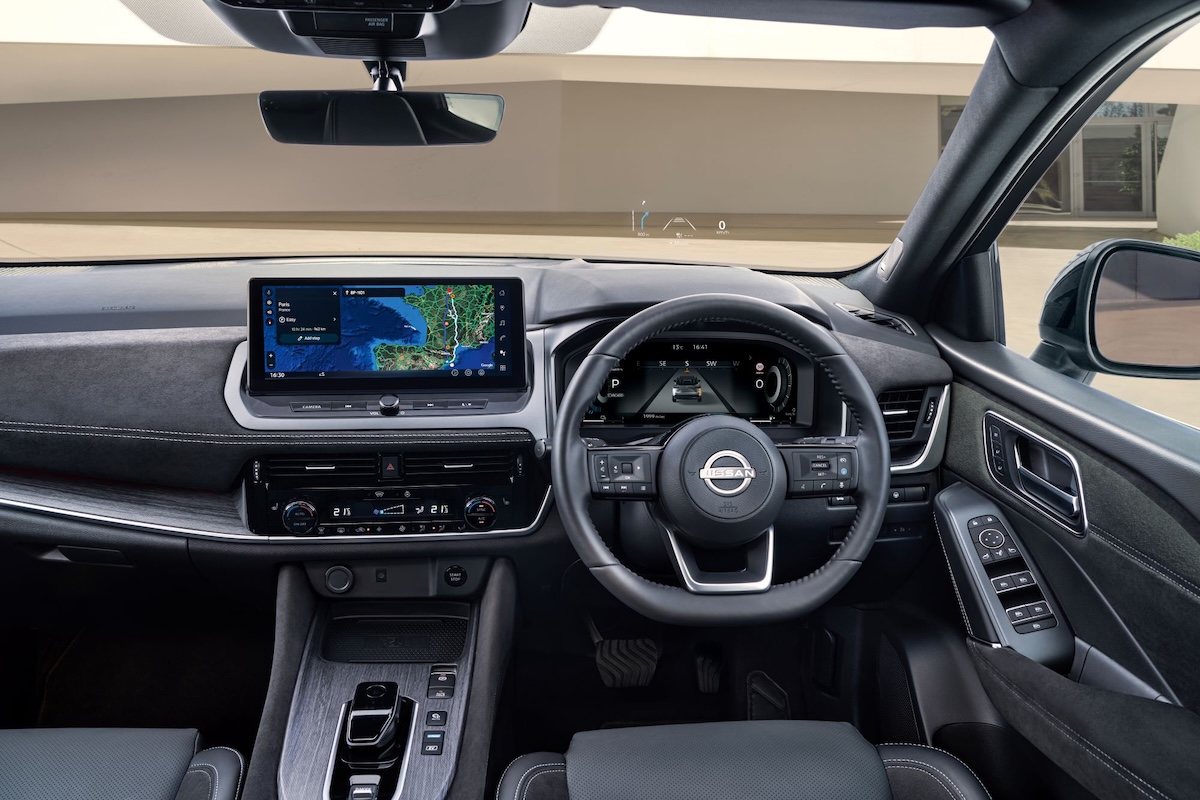
The Nissan Qashqai is also well equipped, featuring a 12.3-inch touchscreen on all but the most basic older models. Higher trims add Google integration and a digital driver display. While the Qashqai's screens look smart and feature good graphics, the infotainment menus can be slightly fiddly to navigate compared to the Kia's more intuitive setup. Both cars come with a strong suite of active safety systems as standard.
Running Costs
Kia Sportage running costs score: 4/5
Nissan Qashqai running costs score: 4/5
Running costs for both SUVs are reasonable for their size. The hybrid Kia Sportage should return around 40 to 45mpg in everyday driving, and there is a plug-in hybrid option if you want to run on electricity for short trips. A significant advantage for the Sportage is Kia's seven-year warranty, which offers more long-term peace of mind than Nissan's standard three-year cover.
The Nissan Qashqai's mild-hybrid engines officially claim around 44mpg, though real-world figures might be slightly lower. The E-Power hybrid is more efficient, returning around 50mpg in our tests. When buying new or nearly new, it's worth noting that top-spec versions of both cars can exceed the £40,000 mark, which incurs a premium rate of road tax for the first five years after registration.
CarGurus Buyer Insights
|
Kia Sportage |
Nissan Qashqai |
| CarGurus expert rating |
5 out of 5 |
4 out of 5 |
| CarGurus user rating |
4.4 out of 5 |
4.6 out of 5 |
| Percentage of good/great deals available on CarGurus* |
34.2% |
34.6% |
| Overall CarGurus rating |
4.5 out of 5 |
4.4 out of 5 |
The Verdict
Kia Sportage Overall CarGurus rating: 4.5/5
Nissan Qashqai Overall CarGurus rating: 4.4/5
Choosing between the Kia Sportage and the Nissan Qashqai is difficult, as both are highly capable family SUVs that offer comfort, practicality, and efficient hybrid powertrains.
However, based on our CarGurus Buyer Insights, the Kia Sportage takes the win. It secures a higher Overall CarGurus rating, driven by a perfect score from our experts and its generous standard equipment. The Sportage's superior infotainment system, slightly larger boot, and class-leading seven-year warranty provide a level of reassurance and value that gives it the edge.
The Nissan Qashqai remains a great choice, particularly if you prefer the EV-like driving experience of the E-Power model or its slightly higher user ratings. But as an all-round package for family life, the Kia Sportage is the stronger option.
Kia Sportage Pros and Cons
| Pros |
Cons |
| Wide range of powertrains |
Divisive styling |
| Superb infotainment |
Ford Kuga is better to drive |
| Well equipped |
Top-spec models are very pricey |
Nissan Qashqai Pros and Cons
| Pros |
Cons |
| Lots of clever tech |
No plug-in hybrid |
| Roomy and practical cabin |
Underwhelming performance of 1.3 mild hybrid |
| Stylish looks |
High-spec cars are very pricey |
*The Overall CarGurus rating: that informs these recommendations is based on CarGurus' proprietary market data from June 2026, CarGurus expert reviews, and CarGurus user reviews.
Read Our Full Reviews: