If you're in the market for a stylish family car, Mazda offers two options that are cut from the same cloth: the CX-30 compact SUV and the Mazda3 hatchback. They share engines, interiors, and that premium feel Mazda is known for, but they're packaged differently to appeal to different tastes.
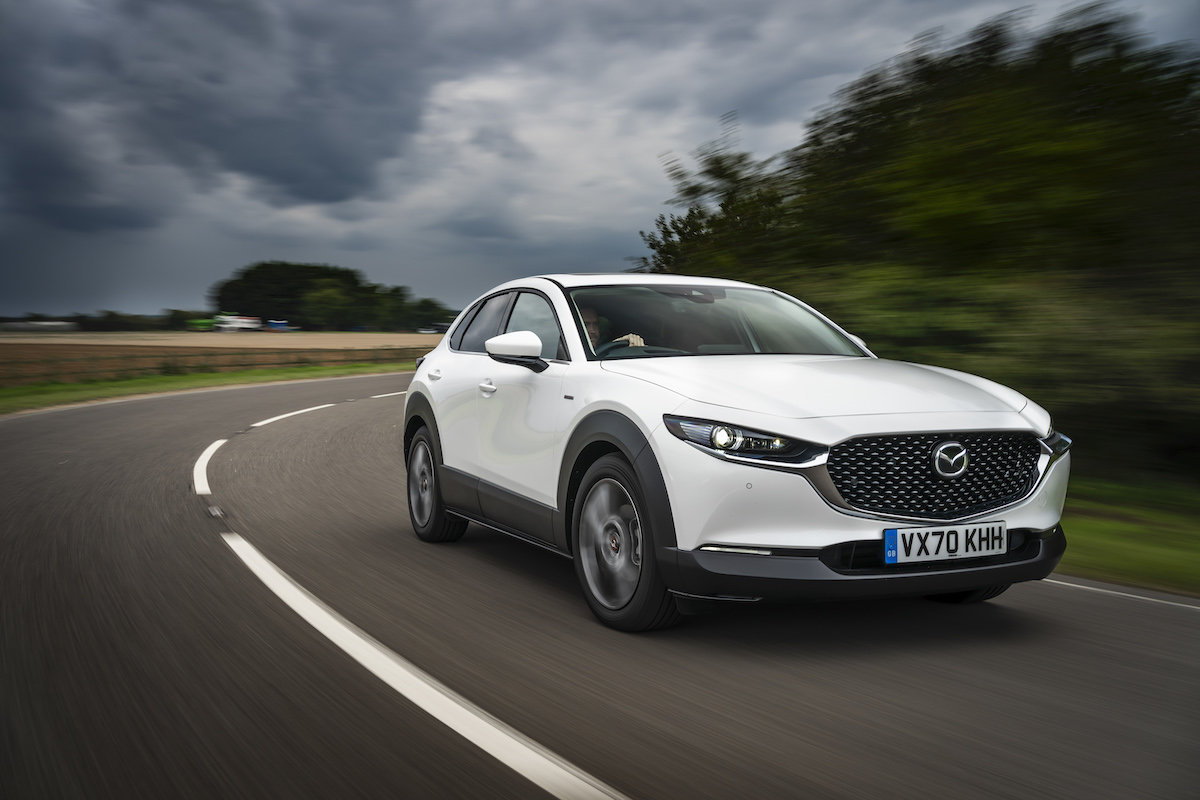
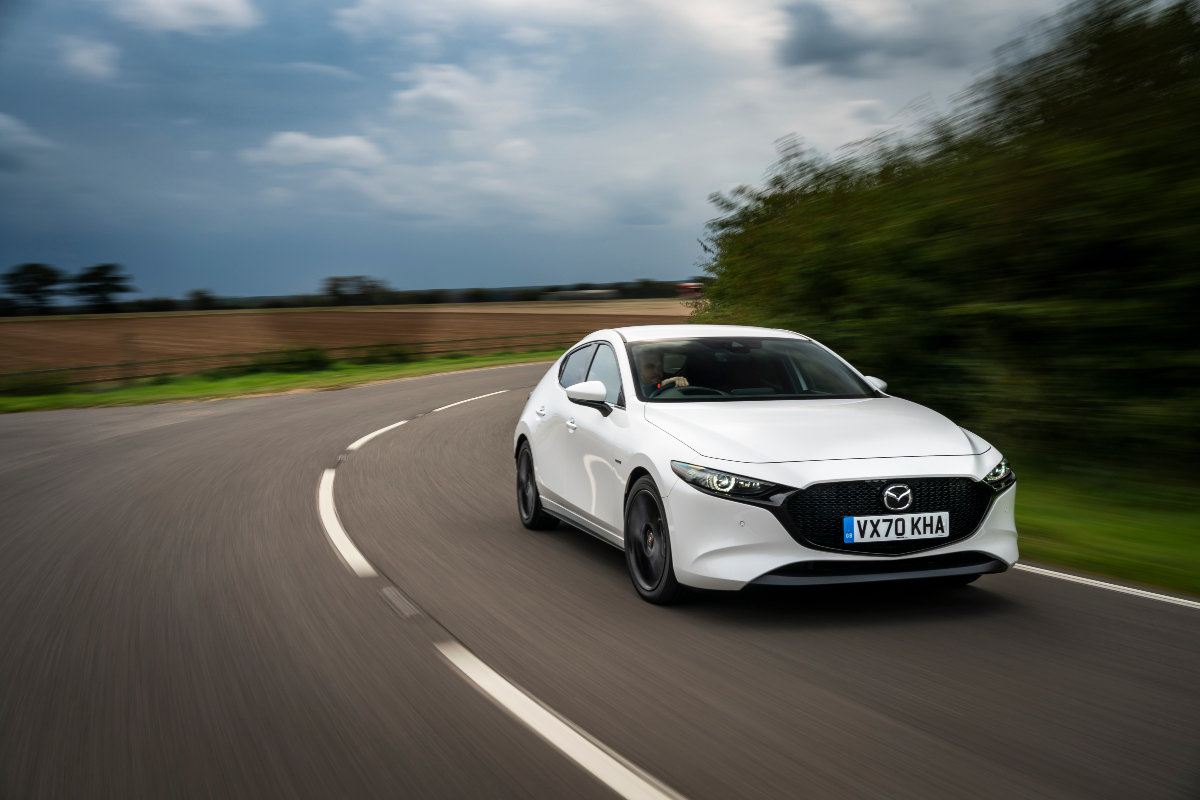
The CX-30 gives you the popular high-riding SUV look, with rugged body cladding and a slightly taller stance. The Mazda3, on the other hand, is a classic, sleek hatchback that prioritises a sporty driving experience. Both are handsome cars with upmarket cabins, but which one is the right fit for you? Let's break it down.
Mazda CX-30 vs Mazda3
Practicality
Mazda CX-30 practicality score: 3/5
Mazda3 practicality score: 3/5
On paper, the CX-30 seems like the more practical choice. Its 430-litre boot is usefully larger than the 358 litres you get in the Mazda3 hatchback, making it better for family holidays or trips to the tip. However, it's worth noting that the less common Mazda3 Saloon offers an even bigger 450-litre boot.
When it comes to passenger space, the roles are reversed. The Mazda3 has more rear legroom, making it more comfortable for adults in the back. The CX-30 is a bit tighter on leg space. The trade-off is that the Mazda3's sleek, sloping roofline and small rear windows can make the back seats feel a little dark and claustrophobic. So, it's a choice between the CX-30's bigger boot or the Mazda3's extra legroom.
Driving Impressions
Mazda CX-30 driving score: 3/5
Mazda3 driving score: 4/5
Both cars use the same engines: a 2.0-litre Skyactiv-G and a more advanced Skyactiv-X petrol, both with mild-hybrid technology. Neither engine offers punchy mid-range acceleration, and they can get a bit vocal when you work them hard. However, the manual gearbox in both is a joy to use.
The real difference is how they feel on the road. The Mazda3 is the clear winner for keen drivers. Its controls are light and precise, it feels composed and comfortable, and its lower driving position is more engaging. The CX-30 has responsive steering and a smooth ride, but it doesn't offer the commanding, high-up driving position you might expect from an SUV. For those who need extra grip, the CX-30 is available with all-wheel drive, which is a key advantage. For pure driving enjoyment on tarmac, though, the Mazda3 has the edge.
Technology and Equipment
Mazda CX-30 technology and equipment score: 4/5
Mazda3 technology and equipment score: 4/5
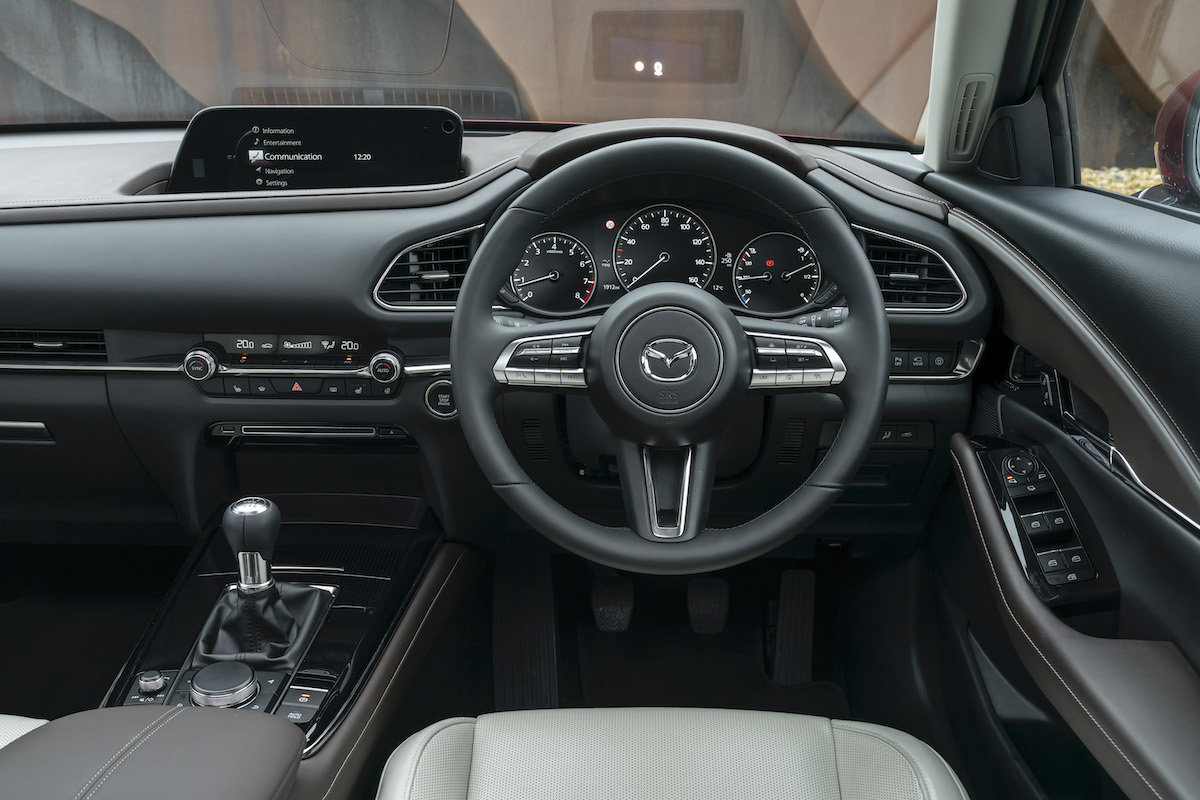
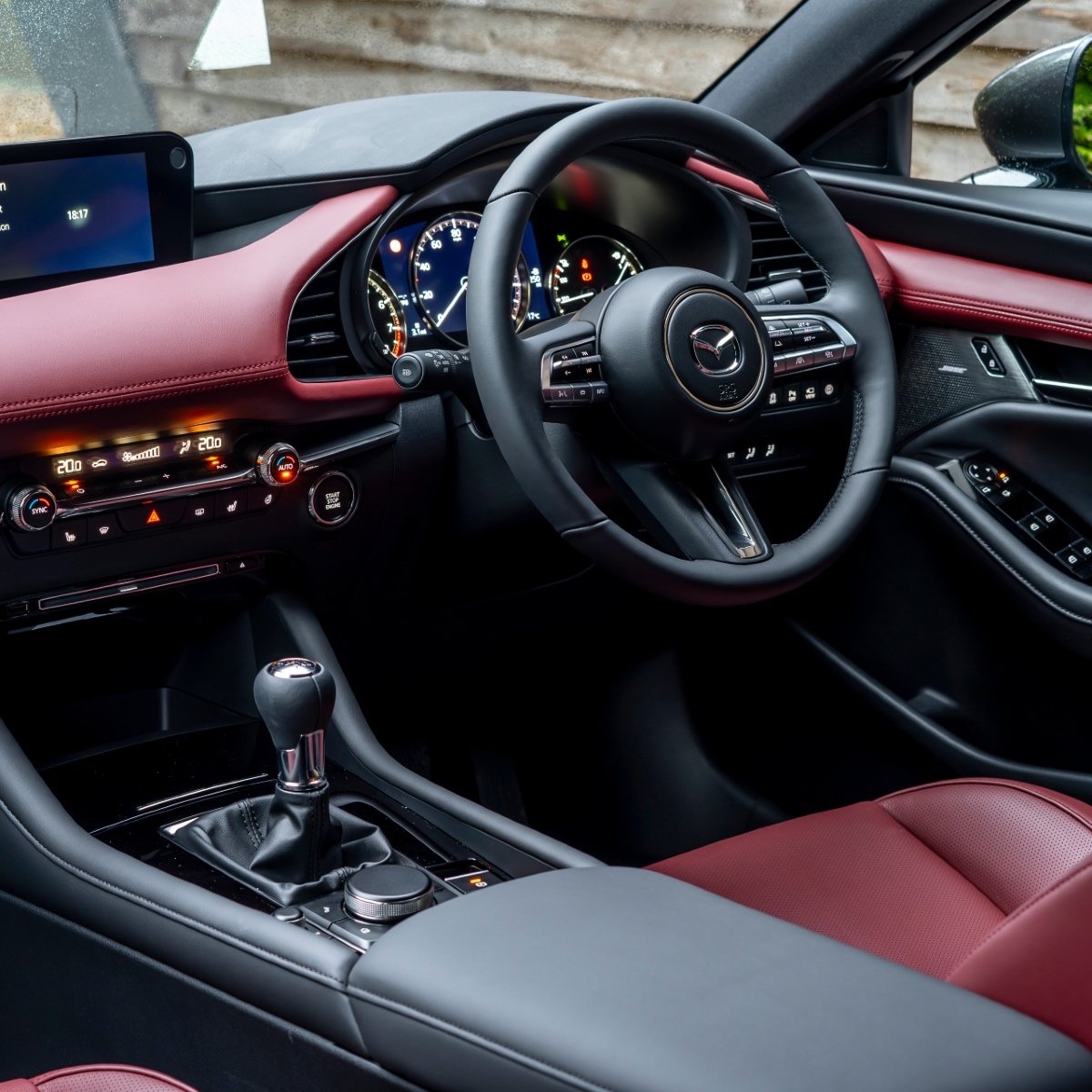
Mazda is generous with standard equipment, and both cars are well-appointed even in their entry-level trims. Both get an 8.8-inch infotainment screen controlled by a rotary dial, which is easy to use on the move. Apple CarPlay and Android Auto are included, as are features like adaptive cruise control and automatic headlights.
As you move up the trim levels, you can add luxuries like leather upholstery, heated seats, and a premium Bose sound system. The key difference is that every CX-30 comes with a head-up display as standard, projecting key information onto the windscreen. You have to opt for a higher-spec Mazda3 to get the same feature. It's a close-run thing, but that standard head-up display gives the CX-30 a slight tech advantage.
Running Costs
Mazda CX-30 running costs score: 3/5
Mazda3 running costs score: 3/5
As you might expect from a lighter, more aerodynamic car, the Mazda3 is slightly cheaper to run. With the efficient Skyactiv-X engine, it can officially return up to 48.7mpg, while the CX-30 manages 47.9mpg. The difference is small, but it adds up over time.
The Mazda3 also has lower CO2 emissions, which makes it a more tax-efficient choice for company car drivers. Servicing costs are comparable for both models, with intervals set at every 12,500 miles or 12 months. For private buyers, the difference in day-to-day costs is marginal, but if you're watching every penny or choosing a company car, the Mazda3 holds a small but clear advantage.
CarGurus Buyer Insights
|
Mazda CX-30 Review (2019-present) |
Mazda3 Review (2019-present) |
| CarGurus expert rating |
3 out of 5 |
4 out of 5 |
| CarGurus user rating |
4.7 out of 5 |
4.5 out of 5 |
| Percentage of good/great deals available on CarGurus* |
26.8% |
30.9% |
| Overall CarGurus rating |
4.1 out of 5 |
4.2 out of 5 |
The Verdict
Mazda CX-30 Overall CarGurus rating: 4.1/5
Mazda3 Overall CarGurus rating: 4.2/5
This is a close contest between two cars that share so much DNA, but our CarGurus Buyer Insights data gives the Mazda3 a narrow victory. With an Overall CarGurus rating of 4.2 out of 5 compared to the CX-30's 4.1, the hatchback edges ahead thanks to its higher expert rating and a better percentage of good and great deals currently available on CarGurus.
The Mazda3 is the pick for those who value the driving experience. It's more engaging on a twisty road, slightly more economical, and offers more rear legroom for passengers. Our expert reviewers rate it higher, and it represents better value on the used market right now.
That said, the CX-30 remains a strong choice for those who prefer the SUV look and need a slightly bigger boot. Its standard head-up display is a nice bonus, and it has a higher user rating on CarGurus, suggesting owners are particularly satisfied. The option of all-wheel drive also gives it an advantage for those who need extra grip.
Ultimately, both are stylish, well-made cars with premium interiors. The best advice is to test drive both. But if you're looking for the better all-round package based on our data, the Mazda3 takes the win.
Mazda CX-30 Pros and Cons
| Pros |
Cons |
| SUV styling and higher driving position |
Shorter wheelbase compromises rear legroom |
| Larger boot than Mazda3 hatchback |
Engines lack mid-range punch |
| All-wheel drive available |
Not a 'true' high-riding SUV |
Mazda3 Pros and Cons
| Pros |
Cons |
| Superior driving dynamics and handling |
Rear cabin can feel dark and cramped |
| Better fuel economy and lower emissions |
Smaller boot than the CX-30 |
| More rear legroom |
Head-up display not standard on all trims |
*The Overall CarGurus rating that informs these recommendations is based on CarGurus' proprietary market data from May 2026, CarGurus expert reviews, and CarGurus user reviews.
Read Our Full Reviews: