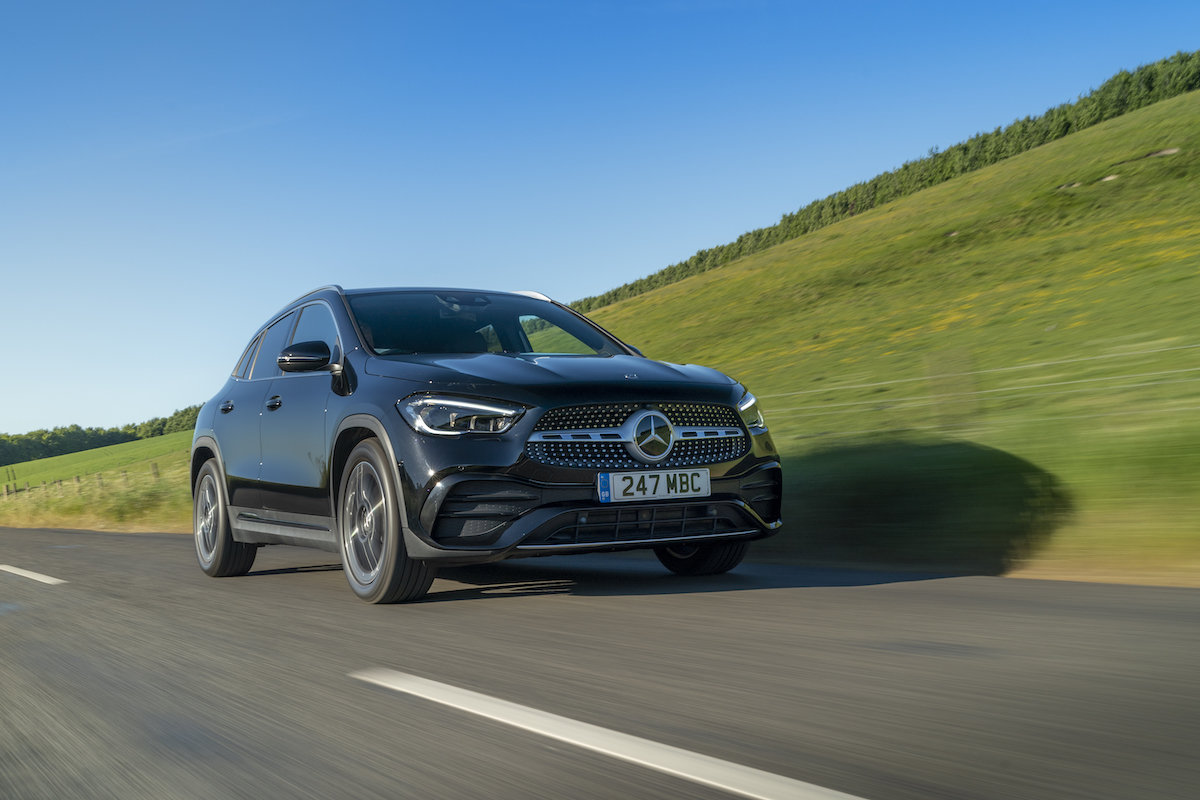
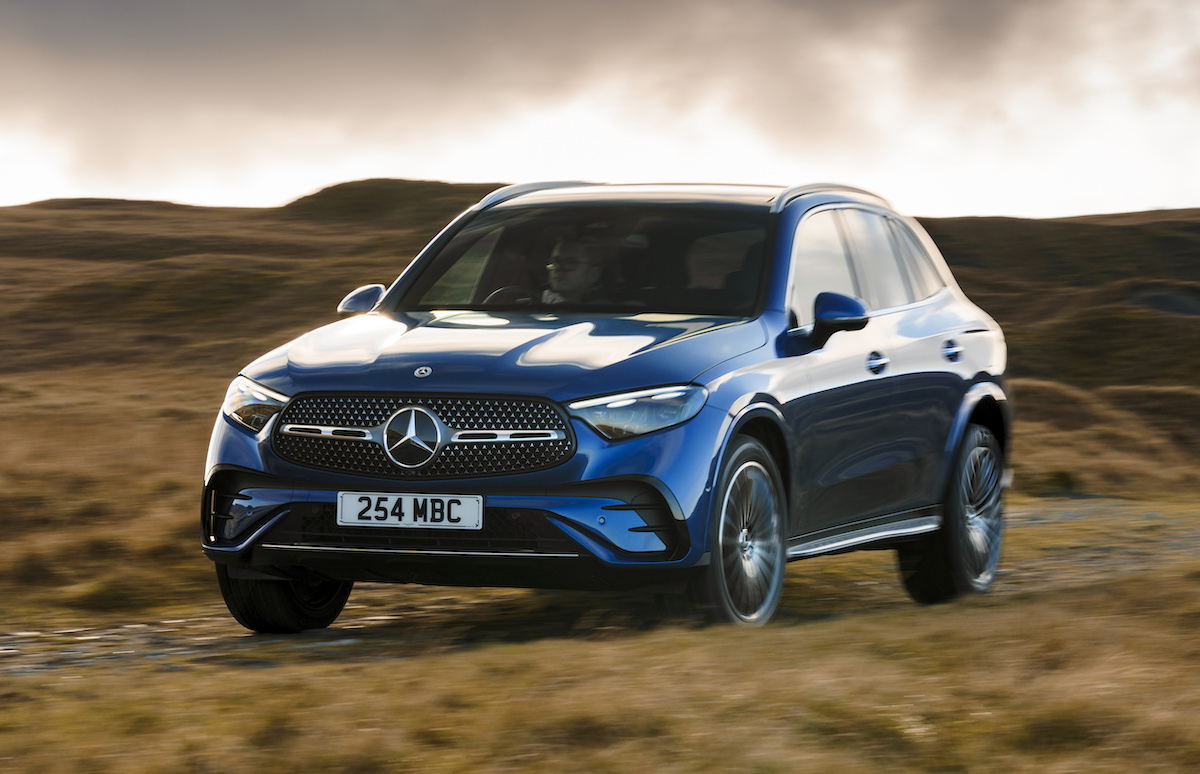
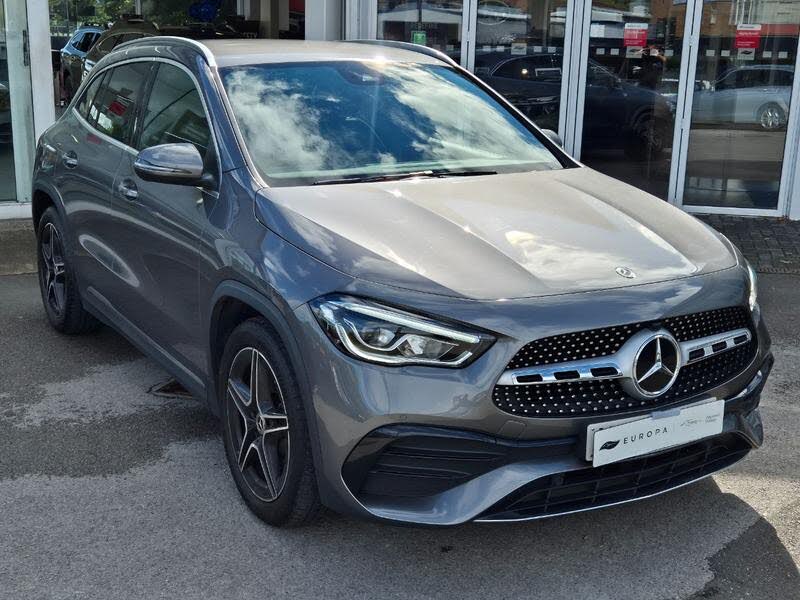
If you're in the market for a premium SUV with a three-pointed star on the nose, Mercedes-Benz offers two distinct options: the compact GLA-Class and the larger GLC-Class. They both deliver the high-end badge appeal and technology the brand is known for, but they're aimed at different buyers.
The GLA is the entry-point to the Mercedes SUV range, a rival for cars like the BMW X1 and Audi Q3. It's designed to be stylish and easy to live with in town. The GLC is a step up in size and price, a traditional family SUV that competes with the BMW X3 and Audi Q5. Both have been updated recently with the latest tech and electrified powertrains, but which one is the right choice for you?
Mercedes-Benz GLA-Class vs Mercedes-Benz GLC-Class
Practicality
Mercedes-Benz GLA-Class practicality score: 3/5
Mercedes-Benz GLC-Class practicality score: 4/5
This is a simple one: if you need the most space, the bigger GLC is the car for you. It offers plenty of head and legroom for tall adults in the back seats, and the boot is large. Mild-hybrid models have a 620-litre boot, which is among the best in its class. The plug-in hybrid (PHEV) version isn't as generous, as the battery reduces boot space to 400 litres.
The GLA is a smaller car, so it's naturally less spacious, but it's still practical for its size. Rear legroom is decent, though headroom can be a bit tight for passengers over six feet tall. Its 485-litre boot is competitive with rivals, and importantly, the PHEV model only sees a small reduction to 445 litres. Both cars feature versatile 40/20/40 split-folding rear seats, but for growing families, the GLC's extra room gives it a clear advantage.
Driving Impressions
Mercedes-Benz GLA-Class driving score: 4/5
Mercedes-Benz GLC-Class driving score: 4/5
On the road, the size difference between these two SUVs is noticeable. The GLA feels more nimble and agile, with tidy handling that makes it feel at home in town or on a twisty road. The trade-off, particularly on AMG Line models with their lowered suspension, can be a slightly firm and fidgety ride at lower speeds. It does settle down on the motorway, however, making it a comfortable long-distance cruiser.
The GLC prioritises comfort and refinement over agility. The ride is generally smooth, especially in the PHEV models which get self-levelling rear air suspension as standard. It feels mature and composed, absorbing bumps well. The extra weight, particularly in the heavy PHEV versions, means there's more body lean in corners than in the GLA, but the steering is direct and gives you confidence. If a plush, quiet ride is your priority, the GLC is the more relaxing car to drive.
Technology and Equipment
Mercedes-Benz GLA-Class technology and equipment score: 4/5
Mercedes-Benz GLC-Class technology and equipment score: 4/5
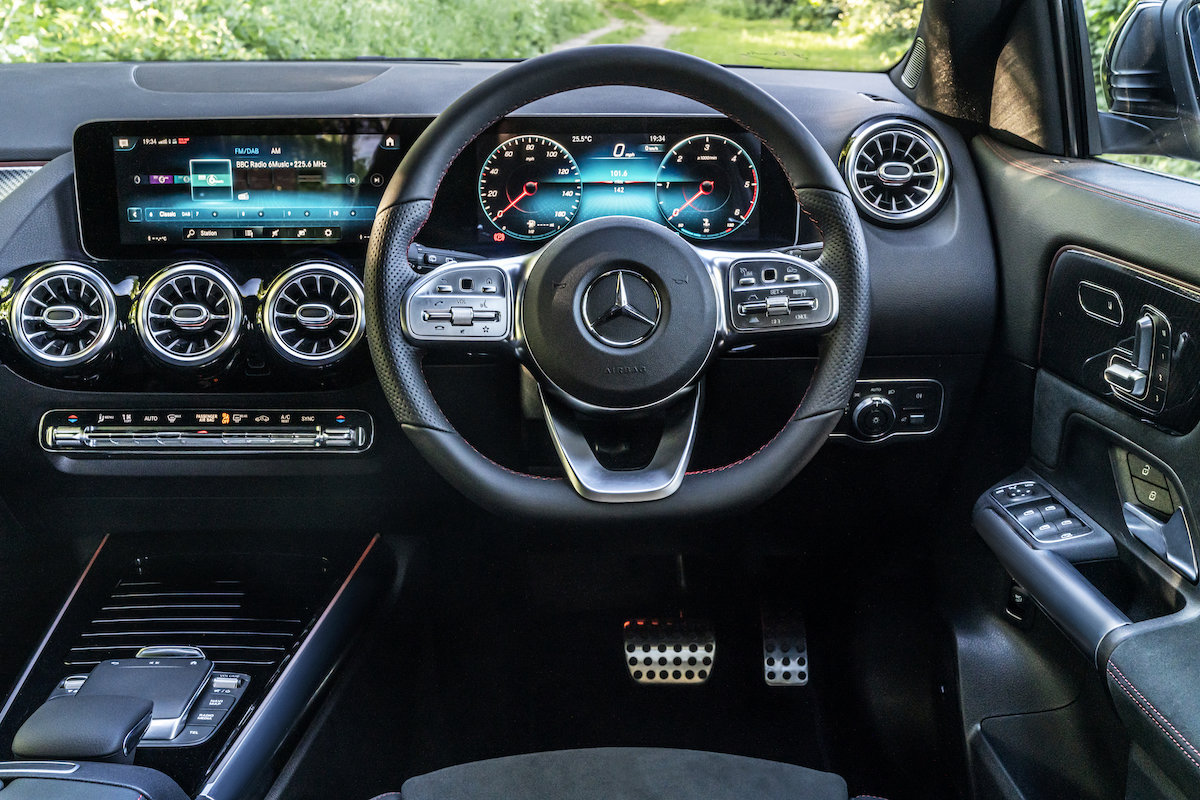
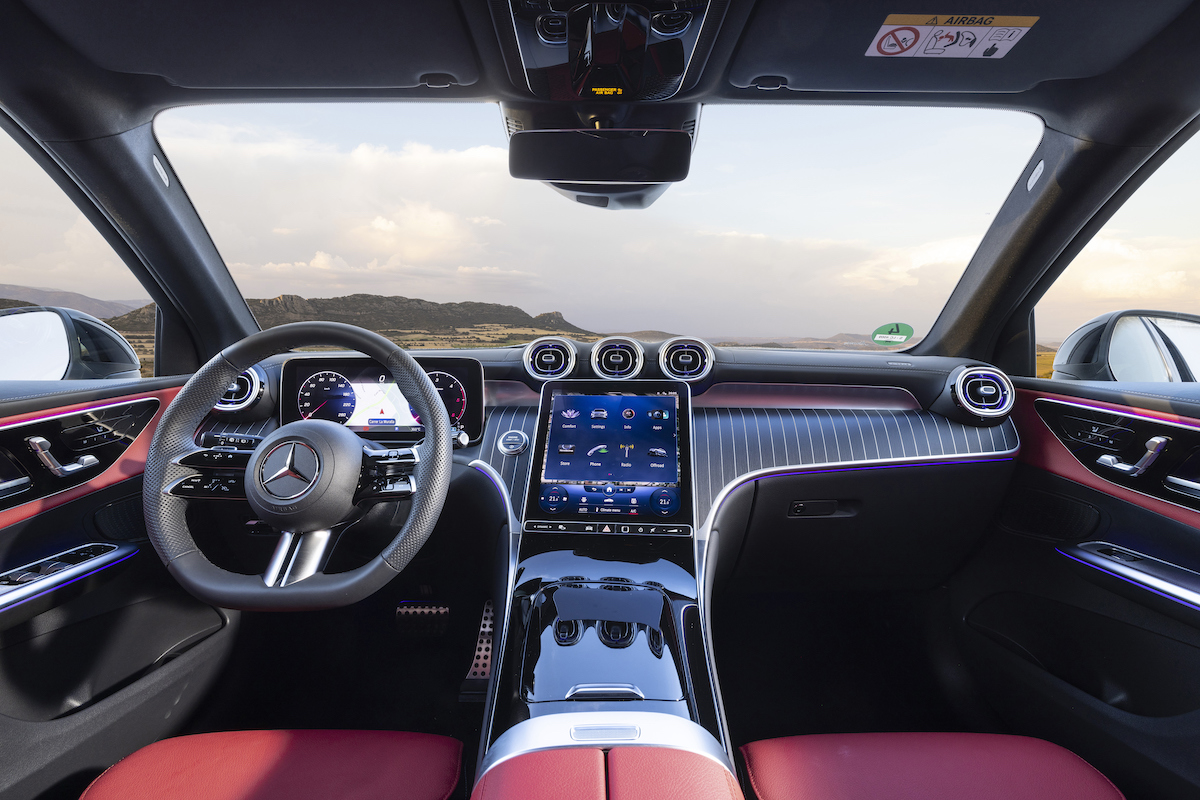
Step inside either car and you're greeted by a high-tech and stylish cabin. The GLA features a slick widescreen display that combines the driver's instruments and central touchscreen into one panel. The GLC gets a separate digital instrument cluster and a large, portrait-oriented central screen. Both run the MBUX infotainment system, which has sharp graphics, quick responses, and one of the better voice control systems around.
Both cars are well-equipped. Even entry-level GLA models get features like heated seats, a reversing camera and a powered tailgate. The GLC goes further, with wireless phone charging and larger alloy wheels as standard. Frustratingly, on both cars, you have to opt for an expensive option pack on a high-spec trim to get adaptive cruise control, a feature that's standard on many less-premium rivals. The GLC has more standard kit, but you pay for it, and both cars deliver a suitably upmarket tech experience.
Running Costs
Mercedes-Benz GLA-Class running costs score: 4/5
Mercedes-Benz GLC-Class running costs score: 3/5
As you'd expect, there's a considerable price gap between these two. The GLA is the more affordable way into Mercedes SUV ownership, with new prices starting from around £35,000. That's still a premium over some rivals, but it's much more accessible than the GLC, which starts at closer to £60,000.
For company car drivers, the plug-in hybrid models are the ones to go for. The GLC 300e is a standout, with an official electric-only range of up to 80 miles that places it in a low Benefit-in-Kind tax band. The GLA 250e also offers a useful electric range of around 40 miles, making for low running costs if you can charge it regularly. While the GLC's higher purchase price is a big hurdle, it does benefit from strong residual values, which helps to keep monthly finance payments in check.
CarGurus Buyer Insights
|
Mercedes-Benz GLA-Class |
Mercedes-Benz GLC-Class |
| CarGurus expert rating |
4 out of 5 |
3 out of 5 |
| CarGurus user rating |
4.4 out of 5 |
5.0 out of 5 |
| Percentage of good/great deals available on CarGurus* |
34.1% |
34.6% |
| Overall CarGurus rating |
4.4 out of 5 |
4.4 out of 5 |
The Verdict
Mercedes-Benz GLA-Class Overall CarGurus rating: 4.4/5
Mercedes-Benz GLC-Class Overall CarGurus rating: 4.4/5
Both the GLA and GLC are desirable premium SUVs that deliver the quality and technology you'd expect from a Mercedes-Benz. The GLC is more spacious, more comfortable, and feels like the more substantial car. However, it comes with a substantial price tag to match.
With identical Overall CarGurus ratings, this comparison ends in a tie. The GLA-Class scores higher with our experts and offers a more accessible price point, making it the better choice for buyers who prioritise value and agility. The GLC-Class, meanwhile, earns a perfect 5.0 user rating and offers superior space and comfort for families who need the extra room. Your choice ultimately depends on your priorities: the GLA for urban versatility and value, or the GLC for family practicality and refinement.
Mercedes-Benz GLA-Class Pros and Cons
| Pros |
Cons |
| Agile handling |
Firm ride on some versions |
| High-tech MBUX system |
Rear space is only adequate |
| More affordable than the GLC |
Adaptive cruise is a pricey option |
Mercedes-Benz GLC-Class Pros and Cons
| Pros |
Cons |
| Spacious and practical |
Expensive to buy |
| Refined and comfortable ride |
Less agile than the GLA |
| Impressive PHEV range |
PHEV models have a smaller boot |
*The Overall CarGurus rating that informs these recommendations is based on CarGurus' proprietary market data from May 2026, CarGurus expert reviews, and CarGurus user reviews.
Read Our Full Reviews: