
If you're looking for an old-school, analogue sports car experience, Nissan's Z-cars are a compelling choice. The 350Z and its successor, the 370Z, both offer the classic combination of a powerful V6 engine up front, drive to the rear wheels, and two seats in the middle. They represent a type of car that's becoming increasingly rare.
The 350Z was a triumphant return to form for Nissan, offering a pure driving experience that could challenge premium German rivals for a fraction of the price. The 370Z continued that theme, adding more power and a sharper design. But with both cars now available for tempting prices on the used market, which generation of Z-car is the right one for you?
Nissan 350Z vs Nissan 370Z
- Practicality
- Driving Impressions
- Technology and Equipment
- Running Costs
- CarGurus Buyer Insights
- Verdict

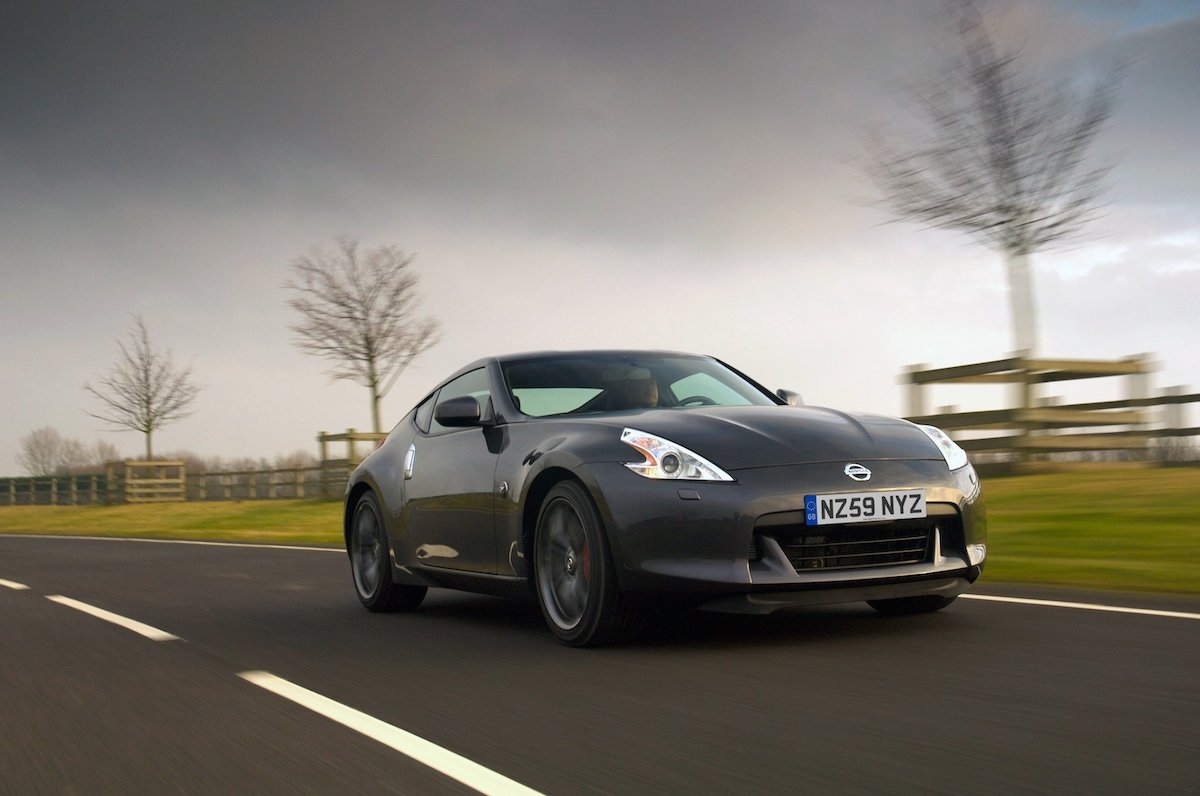
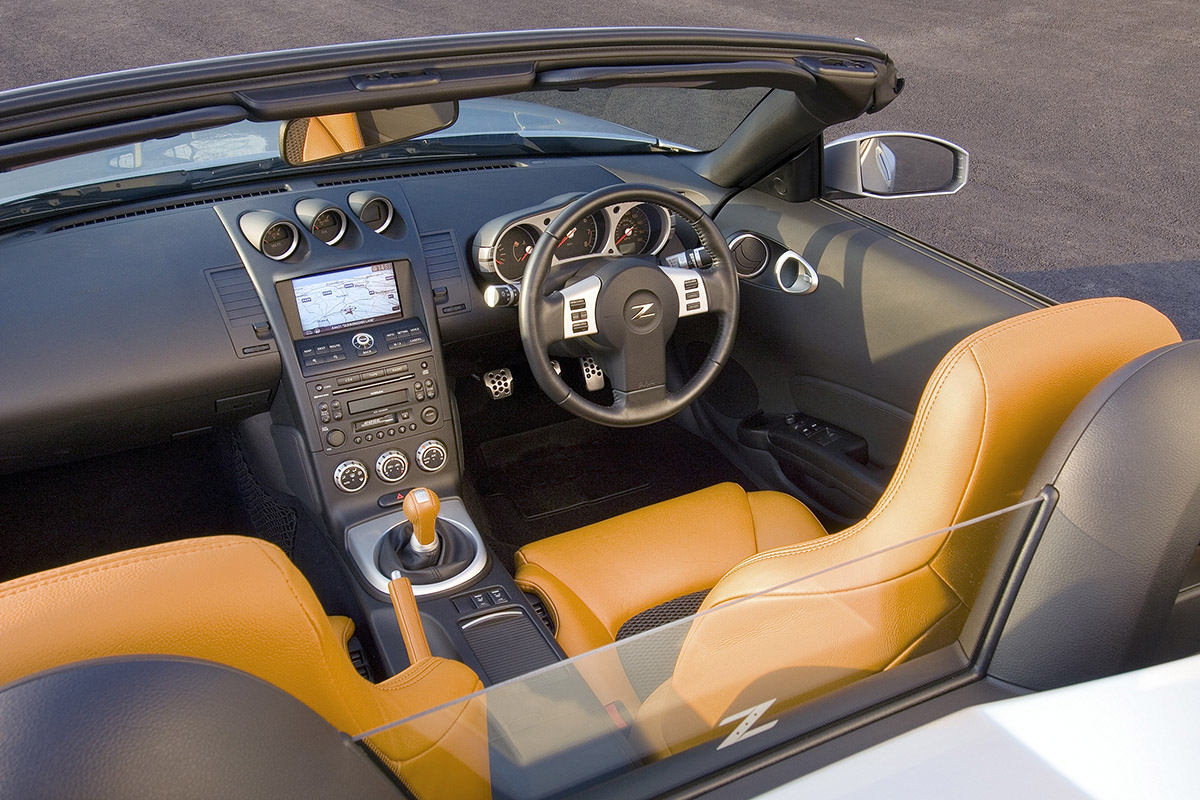
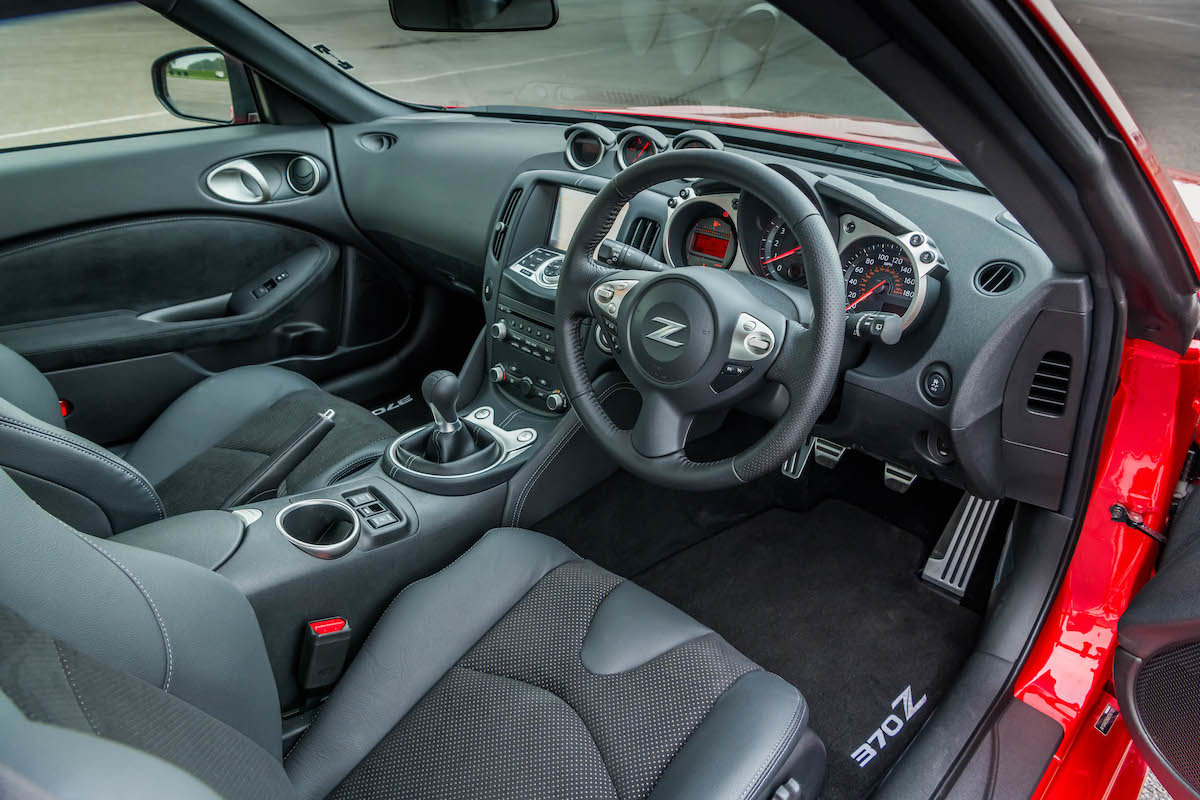
Practicality
Nissan 350Z practicality score: 3/5
Nissan 370Z practicality score: 3/5
Let's be realistic: you don't buy a two-seater sports car for its practicality. Both the 350Z and 370Z are strictly for two people, unlike an Audi TT which offers a pair of small rear seats. However, for a car of this type, they are reasonably usable. The coupe versions of both models have a hatchback-style boot, which makes loading items easier than in a car with a saloon-style boot lid.
The 350Z Coupe has a decent boot, though a large suspension strut brace runs across the floor, which can get in the way of bulky items. The 370Z offers a similar amount of space. Both cars are also available as roadsters, which inevitably have smaller boots to accommodate the folding roof mechanism. For weekend trips for two, either car will do the job just fine.
Driving Impressions
Nissan 350Z driving score: 5/5
Nissan 370Z driving score: 4/5
This is where the Z-cars shine. The 350Z offers a rewarding driving experience, with a wonderfully balanced chassis that gives the driver plenty of confidence. Later models, with the revised 3.5-litre V6 engine, are particularly sought after for their free-revving nature. The car feels grippy and secure, but also playful when you want it to be. It's an engaging all-rounder.
The 370Z feels like a more muscular, aggressive car. Its larger 3.7-litre V6 provides more low-down grunt, and the steering is precise. However, it doesn't feel quite as composed as the 350Z when you're pushing hard, with a tendency for the rear end to feel a little soft. Both cars have a firm ride and can be noisy at motorway speeds, but that's part of their raw, unfiltered character. For pure driving balance and enjoyment, the older 350Z has the edge.
Technology and Equipment
Nissan 350Z technology and equipment score: 4/5
Nissan 370Z technology and equipment score: 4/5
Given their age, neither of these cars is at the cutting edge of in-car technology. The 350Z's interior plastics feel built to a price, but equipment levels were good for the time. Most UK cars came in GT trim, which included heated leather seats, cruise control, and a Bose sound system.
The 370Z feels a little more modern inside, but only just. Base models are fairly spartan, but the GT version adds a seven-inch touchscreen infotainment system, which is a useful upgrade. The overall design is functional and the low-slung driving position is spot on, but the quality of the materials doesn't match what you'd find in a contemporary Porsche or Audi. The 370Z is the slightly better-equipped car, but don't expect the latest digital displays or connectivity features in either.
Running Costs
Nissan 350Z running costs score: 3/5
Nissan 370Z running costs score: 3/5
Owning a large-engined sports car is never going to be cheap, and both the 350Z and 370Z have a healthy appetite for fuel. You can expect to see around 20-25mpg in normal driving from either car, and that figure will drop quickly if you make full use of the V6 engine's performance.
On the plus side, maintenance costs can be reasonable. Parts are generally cheaper than for premium German brands, and there are many specialist garages that know these cars inside out. A key advantage for both is that their engines use a timing chain, which is designed to last the life of the engine, rather than a rubber timing belt that requires expensive periodic replacement. There's little to split them here; both will be costly to fuel but potentially less expensive to maintain than you might think.
CarGurus Buyer Insights
| Nissan 350Z Review (2003-2010) | Nissan 370Z (2009-2020) Expert Review | |
|---|---|---|
| CarGurus expert rating | 4 out of 5 | out of 5 |
| CarGurus user rating | 0.0 out of 5 | 0.0 out of 5 |
| Percentage of good/great deals available on CarGurus* | 0.0% | 33.3% |
| Overall CarGurus rating | 3.7 out of 5 | 3.1 out of 5 |
The Verdict
Nissan 350Z Overall CarGurus rating: 3.7/5
Nissan 370Z Overall CarGurus rating: 3.1/5
Both of these cars offer a huge amount of performance and driving fun for the money. They are true enthusiast's machines from an era before turbochargers and complex electronics became the norm. Choosing between them could come down to styling preference or simply the best example you can find for your budget.
However, based on our CarGurus Buyer Insights, the older Nissan 350Z takes the win. Its higher Overall CarGurus rating of 3.7 out of 5, supported by a strong expert rating, gives it the edge. Our driving impressions also favour the 350Z for its more balanced and rewarding handling characteristics.
The 370Z is by no means a poor choice. It's a newer car, offers more outright performance, and you're more likely to find a great deal on one according to our market data. But for the purest modern-classic sports car experience, our verdict goes to the car that started it all, the Nissan 350Z.
Nissan 350Z Pros and Cons
| Pros | Cons |
|---|---|
| Rewarding and balanced handling | Thirsty V6 engine |
| Great-sounding V6 engine | Interior materials feel dated |
| Reasonable maintenance costs | Strut brace can obstruct boot space |
Nissan 370Z Pros and Cons
| Pros | Cons |
|---|---|
| Muscular engine performance | Firm ride quality |
| More modern tech than the 350Z | High levels of road and engine noise |
| Sharp, aggressive styling | Handling isn't as balanced as the 350Z |
*The Overall CarGurus rating: that informs these recommendations is based on CarGurus' proprietary market data from January 2026, CarGurus expert reviews, and CarGurus user reviews.