
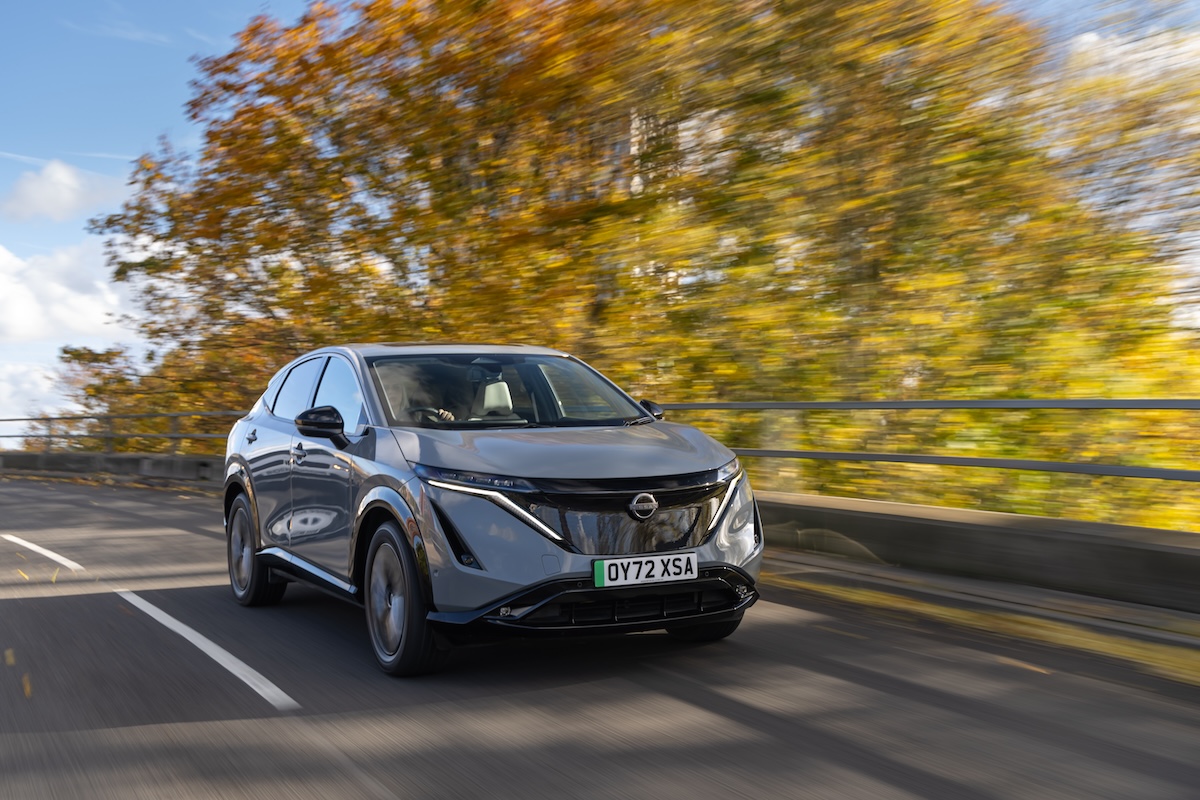
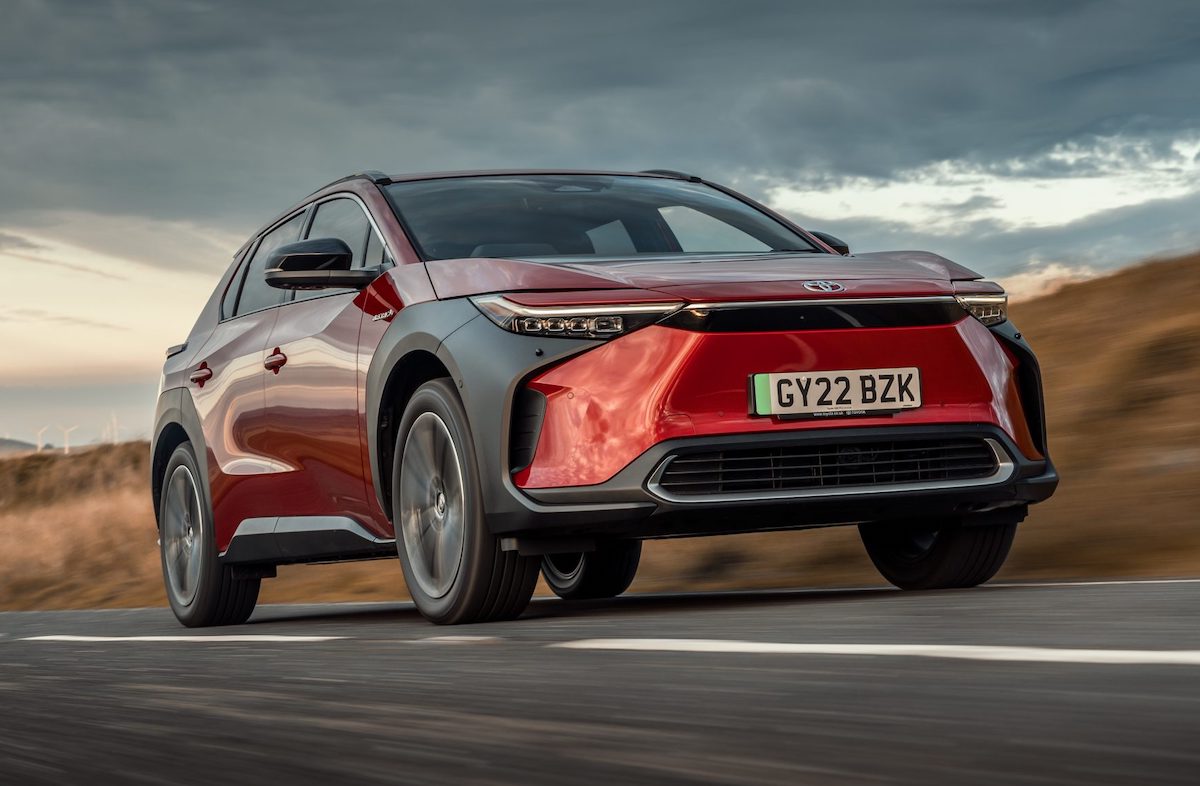
If you’re looking to switch to a family-sized electric SUV, two of Japan’s biggest carmakers have compelling options for you. Nissan, an early EV pioneer with the Leaf, has stepped up its game with the stylish, premium-feeling Ariya. Meanwhile, Toyota, the undisputed king of hybrids, has finally entered the all-electric arena with its first purpose-built EV, the practical bZ4X.
The Ariya aims to tempt buyers with its sleek, coupe-like design and a cabin that feels a class above. The bZ4X plays to Toyota’s traditional strengths, focusing on reliability, comfort, and user-friendly practicality. Both are packed with modern tech and offer impressive electric range, so which of these Japanese contenders is the right fit for your family's future?
Nissan Ariya vs Toyota bZ4X
- Practicality
- Driving Impressions
- Technology and Equipment
- Running Costs
- CarGurus Buyer Insights
- Verdict
Practicality
Nissan Ariya practicality score: 3/5
Toyota bZ4X practicality score: 3/5
When it comes to family life, space is everything, and this is a classic case of swings and roundabouts. The Nissan Ariya offers a slightly bigger boot, especially in front-wheel-drive form, where you get a generous 466 litres of space – plenty for a big buggy or the family dog.
The Toyota bZ4X isn’t far behind with a 452-litre boot, but where it really shines is in the back seats. Rear passenger space is simply vast, offering limousine-like legroom that will keep even the lankiest teenagers happy. The Ariya is also very spacious in the back, but the bZ4X has the edge for pure passenger-hauling ability. Ultimately, it’s a tie; your choice depends on whether you prioritise boot space or people space more.
Driving Impressions
Nissan Ariya driving score: 4/5
Toyota bZ4X driving score: 4/5
Both cars deliver the smooth, silent, and instant acceleration that makes EVs so relaxing to drive around town. If you want outright pace, the Ariya has the advantage, with its top-spec e-4orce all-wheel-drive model hitting 62mph in a rapid 5.7 seconds.
However, for everyday comfort, the Toyota bZ4X is the clear winner. Its suspension is beautifully judged, soaking up bumps and potholes with a sophistication that makes it a wonderfully comfortable cruiser. The Ariya, by contrast, has a much firmer ride that can feel a bit harsh on broken British B-roads. While the Nissan handles neatly enough, the Toyota feels more composed and confidence-inspiring. For a relaxing family car, the bZ4X’s superior ride comfort gives it the nod.
Technology and Equipment
Nissan Ariya technology and equipment score: 4/5
Toyota bZ4X technology and equipment score: 4/5
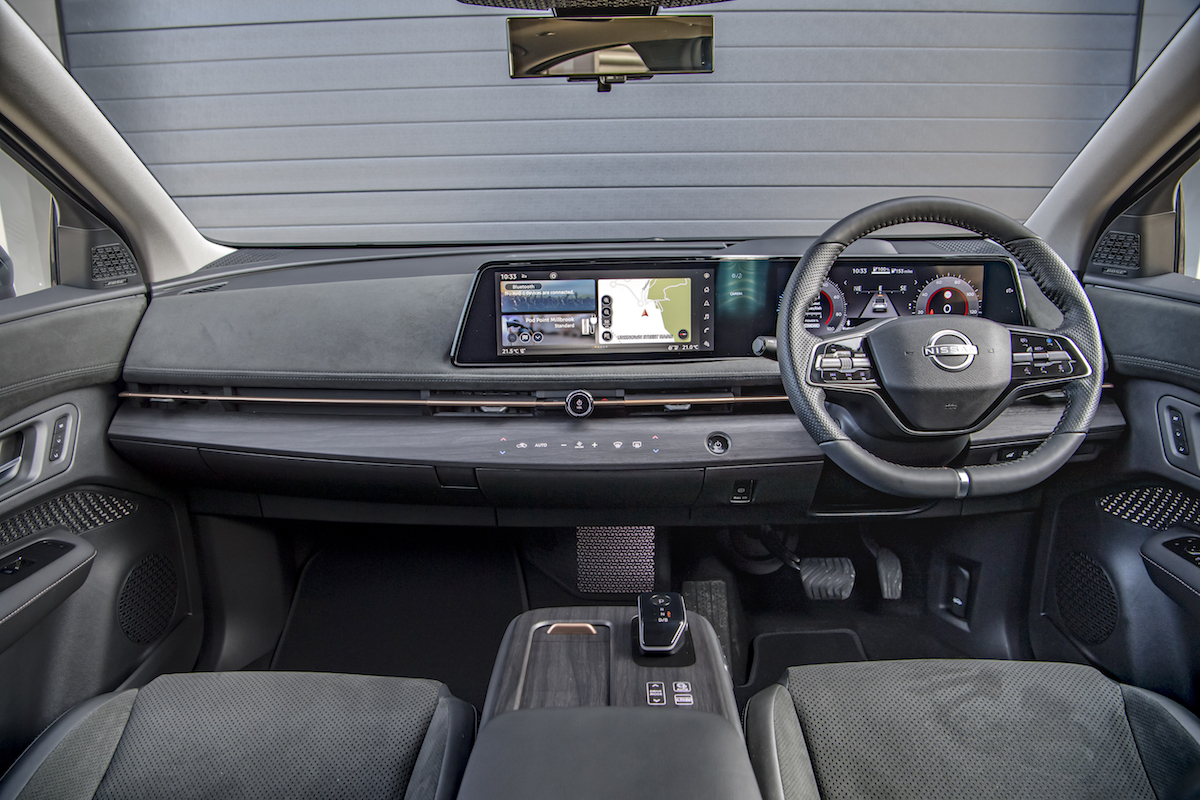
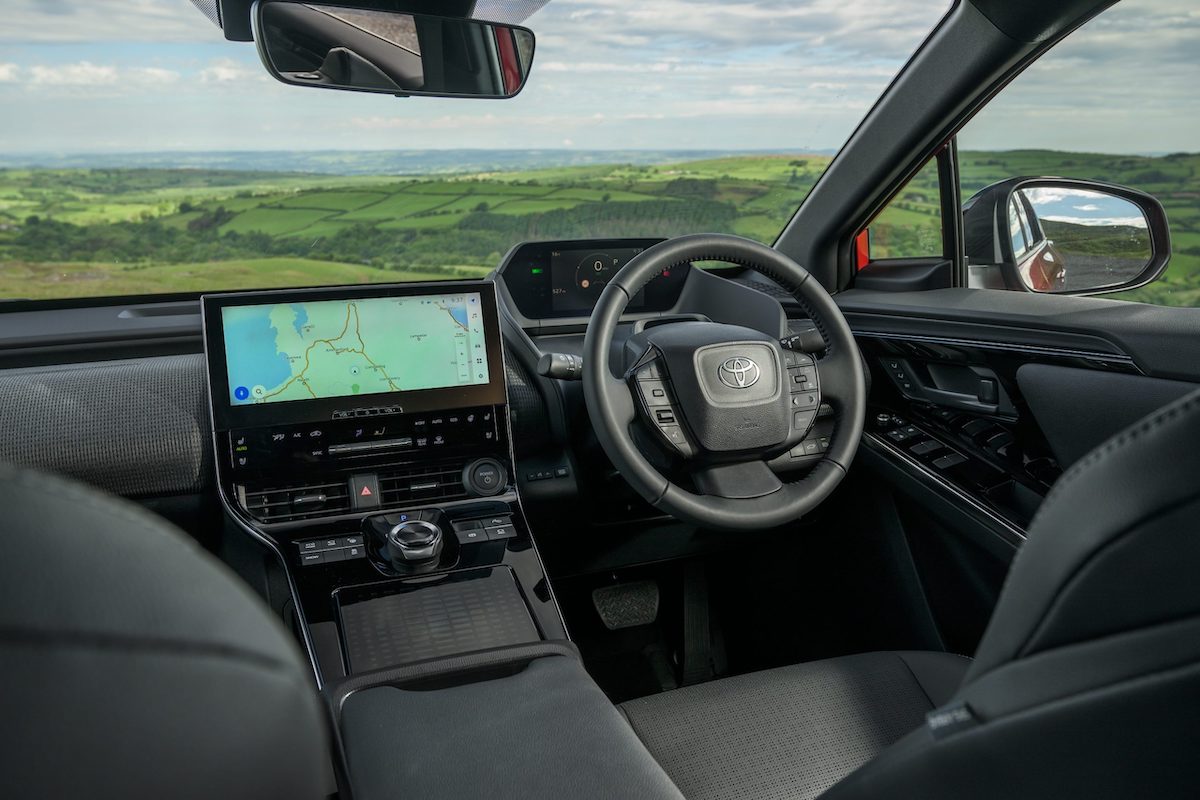
Step inside either car and you’re greeted by a wall of screens. Both the Ariya and bZ4X come with a slick dual-screen setup combining a digital driver’s display and a large central touchscreen. Both systems are packed with features, including standard Apple CarPlay, Android Auto, and built-in navigation.
The Ariya’s cabin feels a little more special, with its minimalist design, clever touch-sensitive buttons hidden in the wood trim, and a general air of premium quality. That said, Toyota’s infotainment system is a huge improvement on its previous efforts, now being quick, clear, and easy to use. With both cars offering a generous amount of standard kit right from the entry-level models, it’s impossible to separate them on tech.
Running Costs
Nissan Ariya running costs score: 3/5
Toyota bZ4X running costs score: 3/5
As with most EVs, if you can charge at home on a cheap overnight tariff, both of these cars will be incredibly cheap to fuel. However, there are some key differences. The Ariya has proven to be more efficient, particularly in cold weather, meaning you’ll get more miles for your money. It also offers a wider choice of battery sizes, allowing you to pick a model that best suits your budget and driving needs.
The bZ4X counters with Toyota’s incredible warranty. While the standard cover is three years, you can extend it up to 10 years or 100,000 miles simply by having it serviced at a Toyota dealer each year. This offers an unbeatable level of long-term peace of mind that is a huge selling point, especially for used car buyers. It’s a classic trade-off: better efficiency with the Nissan, or an industry-leading warranty with the Toyota.
CarGurus Buyer Insights
| Nissan Ariya | Toyota bZ4X | |
|---|---|---|
| CarGurus expert rating | 3 out of 5 | 4 out of 5 |
| CarGurus user rating | 0.0 out of 5 | 0.0 out of 5 |
| Percentage of good/great deals available on CarGurus* | 27.9% | 38.0% |
| Overall CarGurus rating | 3.7 out of 5 | 3.8 out of 5 |
The Verdict
Nissan Ariya Overall CarGurus rating: 3.7/5
Toyota bZ4X Overall CarGurus rating: 3.8/5
This is an incredibly close contest between two very impressive electric family cars. The Nissan Ariya is stylish, has a wonderfully premium interior, and is more efficient than its rival. It’s a fantastic car that’s easy to recommend.
However, in this head-to-head, the Toyota bZ4X takes the narrowest of victories, backed up by its higher Overall CarGurus rating. It scores better with our experts, and there are more great deals to be found on CarGurus. The deciding factors are its supremely comfortable ride and that phenomenal 10-year warranty, which offers a level of long-term security that’s simply unmatched in the market.
If style and a premium cabin are your top priorities, the Ariya is a brilliant choice. But as a complete family package, the Toyota bZ4X’s blend of supreme comfort, huge passenger space, and unbeatable peace of mind give it the win by a whisker.
Nissan Ariya Pros and Cons
| Pros | Cons |
|---|---|
| Stylish looks and premium-feeling cabin | Ride is too firm on bumpy roads |
| Good efficiency and range options | Steering can feel unpredictable |
| Generous boot space | Less rear passenger room than the bZ4X |
Toyota bZ4X Pros and Cons
| Pros | Cons |
|---|---|
| Supremely comfortable ride | Disappointing cold-weather efficiency |
| Huge rear passenger space | Smaller boot than the Ariya |
| Incredible 10-year warranty potential | Cabin doesn't feel as premium |
*The Overall CarGurus rating: that informs these recommendations is based on CarGurus' proprietary market data from January 2026, CarGurus expert reviews, and CarGurus user reviews.