
If you’re in the market for a crossover SUV, Nissan has two of the UK's most popular options: the Juke and the Qashqai. They might come from the same manufacturer, but they are designed for quite different buyers.
The Juke is the smaller, more style-conscious of the two, with a funky design that has always stood out from the crowd. The larger Qashqai, meanwhile, is the sensible, family-focused choice that has become a default option for thousands of UK buyers. With both now offering efficient hybrid powertrains, the choice is tougher than ever. So, which of these Nissan siblings is right for you?
Nissan Juke vs Nissan Qashqai
- Practicality
- Driving Impressions
- Technology and Equipment
- Running Costs
- CarGurus Buyer Insights
- Verdict

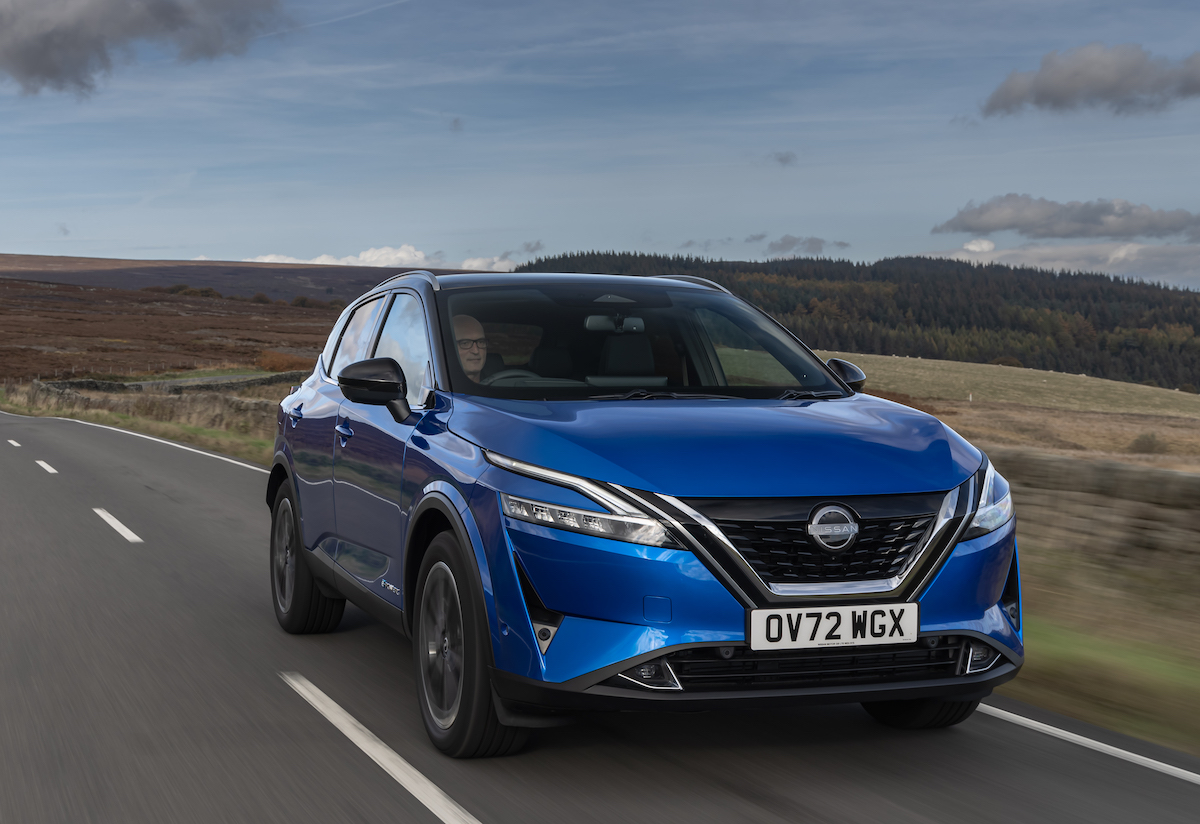
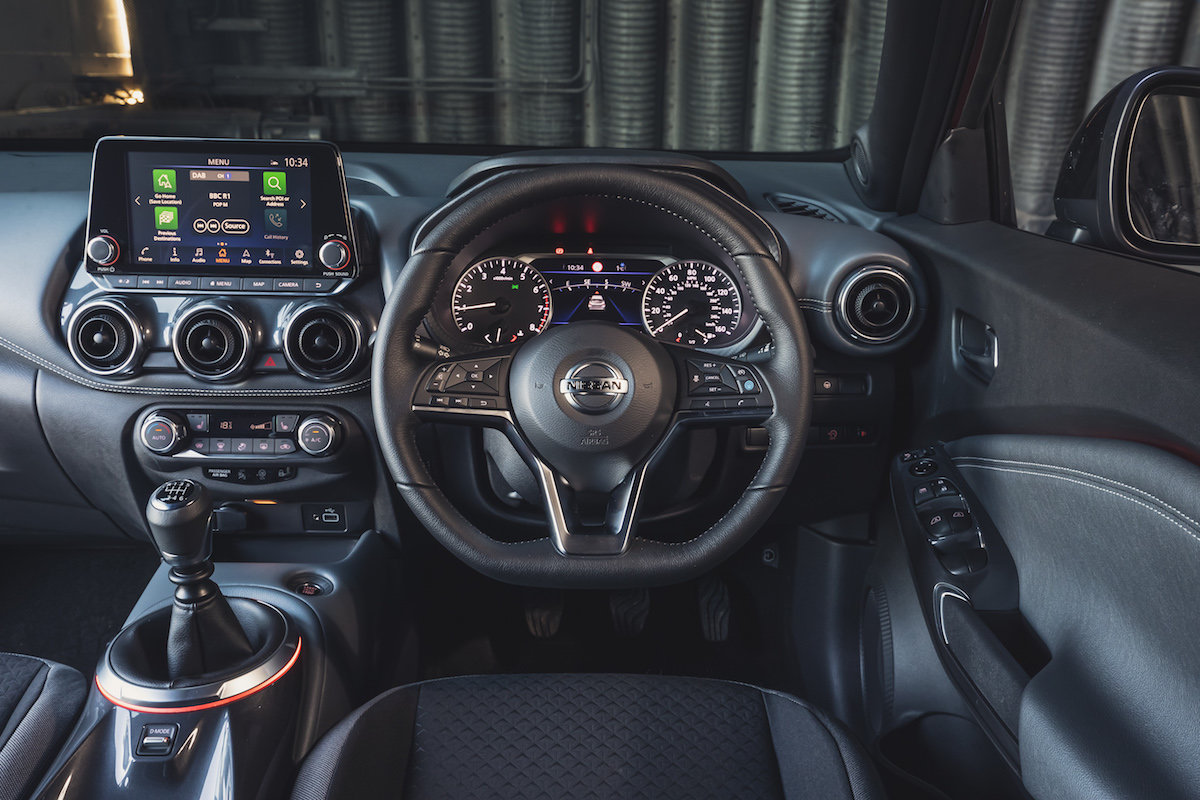
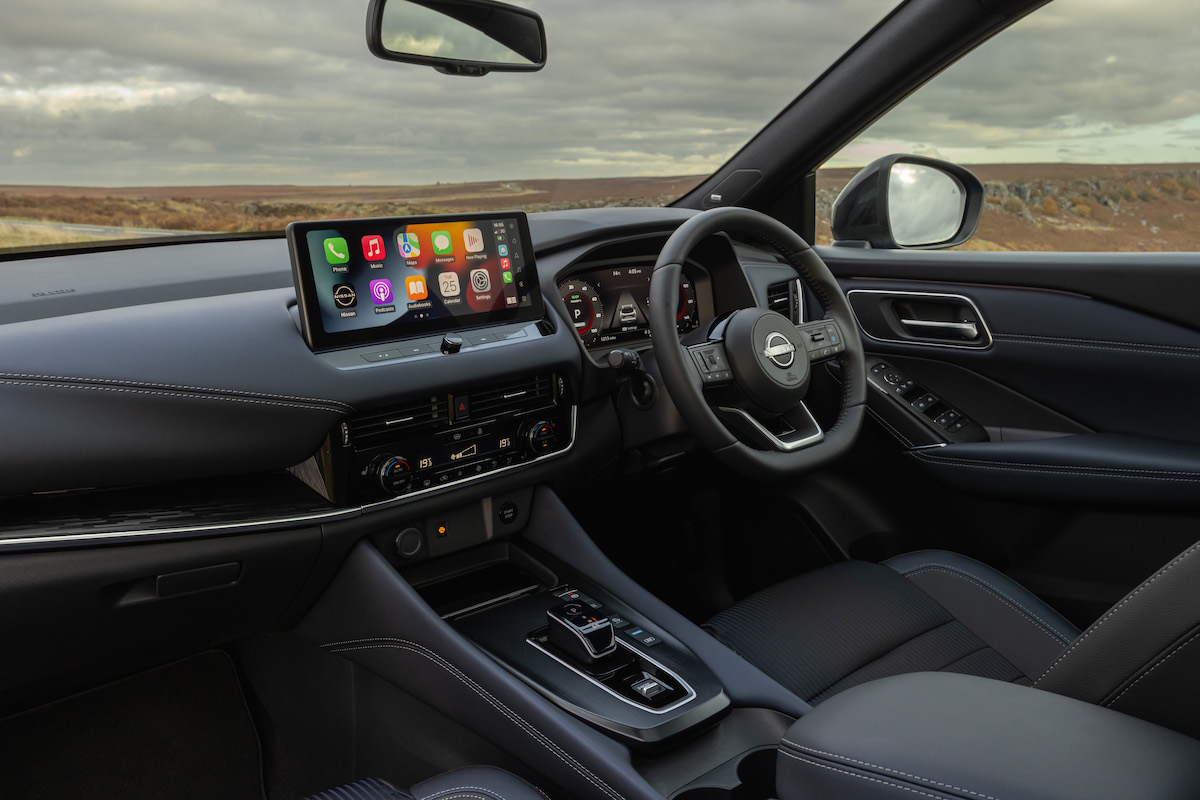
Practicality
Nissan Juke practicality score: 4/5
Nissan Qashqai practicality score: 4/5
As you’d expect, the larger Qashqai is the more practical of the two. It offers generous interior space for a family, with good legroom and headroom for rear passengers. The boot is a competitive 504 litres, and its clever adjustable floor adds to its versatility. If you need to carry passengers and luggage regularly, the Qashqai is the more accommodating choice.
The compact Juke is more limited, but it's still practical for its size. The 422-litre boot is decent for a small crossover, though it’s worth noting that the hybrid model sacrifices about 70 litres of that space for its battery pack. While front passengers have plenty of room, taller adults might find the rear seats a bit tight on longer journeys. Both cars offer a good driving position, but the Qashqai’s higher seating gives a more commanding view of the road.
Driving Impressions
Nissan Juke driving score: 3/5
Nissan Qashqai driving score: 4/5
The Juke and Qashqai offer quite different driving experiences. The Juke’s smaller dimensions and sharper handling make it feel more agile and engaging, particularly around town. However, its ride can be on the firm side, feeling a bit unsettled over rougher roads. The hybrid system is efficient, but its gearbox can take some getting used to.
The Qashqai prioritises comfort over outright fun. The suspension does a better job of soaking up bumps, making it a more relaxing car for daily driving and long trips. The steering is light and easy, and while the standard mild-hybrid engines are adequate, the e-Power hybrid is the star of the show. It uses its petrol engine as a generator for an electric motor, giving you the smooth, quiet acceleration of an electric car without the need to plug in. For a comfortable and refined drive, the Qashqai has the edge.
Technology and Equipment
Nissan Juke technology and equipment score: 3/5
Nissan Qashqai technology and equipment score: 4/5
Nissan is generous with equipment on both models. Even entry-level versions of the Juke come with features like LED headlights and a DAB radio. A 2024 facelift introduced a much-improved 12.3-inch touchscreen and digital driver's display on most trims, bringing the Juke's cabin up to date.
The Qashqai also comes well-equipped from the base model up, with adaptive cruise control and parking sensors included as standard. Its 2024 update also brought in a new 12.3-inch infotainment system across the range. Higher-spec Tekna and Tekna+ models feel genuinely premium, adding features like quilted leather, a Bose sound system, and even a massage function for the front seats, though they come with a price tag to match. While both are well kitted out, the Qashqai offers a more upmarket experience if your budget allows.
Running Costs
Nissan Juke running costs score: 3/5
Nissan Qashqai running costs score: 4/5
With diesel now off the table for both cars, the focus is on petrol and hybrid power. The Juke Hybrid has an impressive official fuel economy figure of around 59mpg, which makes it an efficient choice for a small SUV. The standard petrol models are also reasonably frugal, returning around 47mpg.
The Qashqai’s mild-hybrid petrol engines offer official economy of around 44mpg, which is acceptable but not class-leading. The e-Power hybrid is the more efficient option, with an official figure of around 55mpg. In terms of purchase price, lower-trim versions of both cars represent good value, but the top-spec models can get expensive. The Qashqai is known for its strong resale values, which helps to offset its slightly higher initial cost and makes it a sound long-term investment.
CarGurus Buyer Insights
| Nissan Juke | Nissan Qashqai | |
|---|---|---|
| CarGurus expert rating | 3 out of 5 | 4 out of 5 |
| CarGurus user rating | 4.6 out of 5 | 4.5 out of 5 |
| Percentage of good/great deals available on CarGurus* | 31.9% | 33.5% |
| Overall CarGurus rating | 4.2 out of 5 | 4.4 out of 5 |
The Verdict
Nissan Juke Overall CarGurus rating: 4.2/5
Nissan Qashqai Overall CarGurus rating: 4.4/5
While both are strong contenders, the final verdict comes down to what you need from your car. If you’re a city driver who values style and an engaging drive over maximum space, the Juke is a compelling and characterful choice. It’s fun, efficient in hybrid form, and stands out from the crowd.
However, based on our comprehensive CarGurus ratings, the Nissan Qashqai is the winner here. It’s the superior all-rounder, offering more space, a more comfortable ride, and a more premium feel, particularly in higher trims. The innovative e-Power hybrid system provides a smooth and refined driving experience that’s hard to beat in this class. For most families looking for a practical, comfortable, and high-quality SUV, the Qashqai remains the one to beat.
Nissan Juke Pros and Cons
| Pros | Cons |
|---|---|
| Distinctive, stylish design | Ride can be firm on rough roads |
| Agile and engaging to drive | Rear passenger space is limited |
| Efficient hybrid powertrain | Smaller boot than the Qashqai |
Nissan Qashqai Pros and Cons
| Pros | Cons |
|---|---|
| Spacious and practical interior | Not as engaging to drive as the Juke |
| Comfortable and refined ride | Top-spec models can be expensive |
| Smooth and efficient e-Power hybrid | Mild-hybrid economy is only average |
*The Overall CarGurus rating: that informs these recommendations is based on CarGurus' proprietary market data from January 2026, CarGurus expert reviews, and CarGurus user reviews.