
If you're looking for a family SUV that offers a lot of metal and technology for your money, there are two new names from China you should know about: the Omoda 9 and the BYD Seal U. Both are plug-in hybrids that aim to blend premium features with mainstream pricing, challenging established European rivals.
The Omoda 9 arrives as a flagship model, a large SUV packed with equipment and a powerful hybrid system. The BYD Seal U, meanwhile, focuses on value, offering a similar size and premium feel but with a significantly lower starting price. Both promise low running costs, so which of these ambitious newcomers makes the better case for your cash?
Omoda 9 vs BYD Seal U
- Practicality
- Driving Impressions
- Technology and Equipment
- Running Costs
- CarGurus Buyer Insights
- Verdict


Practicality
Omoda 9 practicality score: 4/5
BYD Seal U practicality score: 3/5
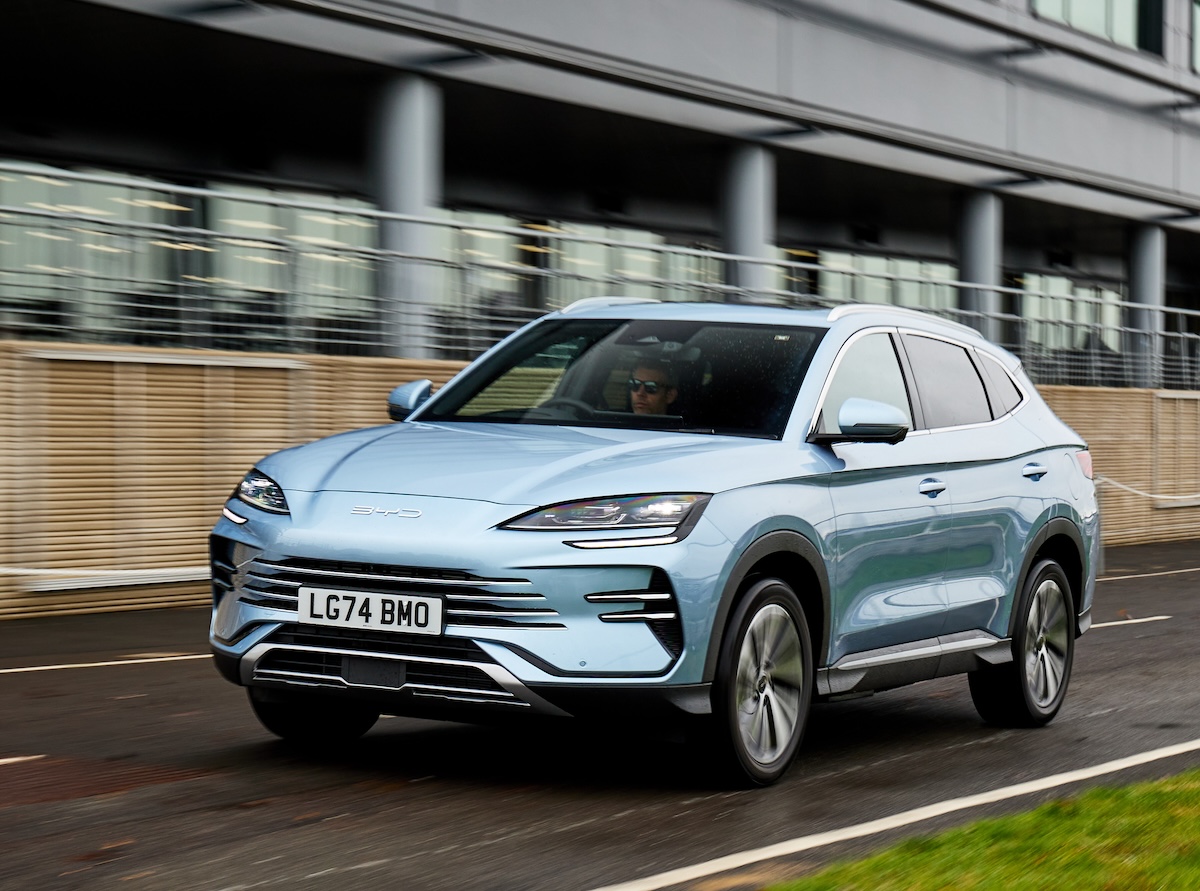
As large family SUVs, both cars offer plenty of room for passengers. The Omoda 9 has generous space in the front and back, with enough legroom for adults to stretch out in the rear seats. The BYD Seal U is similarly spacious for passengers, and adds reclining rear seatbacks for extra comfort on long trips.
The big difference is in the boot. The Omoda 9 boasts a 660-litre boot, which is more than enough for family holidays and trips to the tip. In contrast, the BYD Seal U offers just 425 litres. That’s not only smaller than the Omoda, but it’s also less than you’d find in rivals like the Hyundai Tucson PHEV. For outright load-lugging ability, the Omoda 9 is the clear winner.
Driving Impressions
Omoda 9 driving score: 3/5
BYD Seal U driving score: 3/5
Neither of these SUVs is designed to be a thrilling driver's car; comfort is the priority. The Omoda 9 comes with a powerful 443bhp plug-in hybrid system that delivers brisk acceleration. However, there's a noticeable delay when you press the accelerator, which can take some getting used to. The ride is mostly comfortable, but it can feel a little firm over sharp bumps.
The BYD Seal U feels smoother and more refined, operating quietly like a pure electric car even when its petrol engine is running. The trade-off is handling that feels floaty and detached, with the car leaning in corners if you push it. It’s a perfectly pleasant and relaxing car for cruising, but it’s not one for enthusiastic drivers. Both cars are competent on the road, but neither stands out for its driving dynamics.
Technology and Equipment
Omoda 9 technology and equipment score: 4/5
BYD Seal U technology and equipment score: 4/5
Both cars come loaded with technology and equipment, which is a big part of their appeal. The Omoda 9 is sold in a single, high-spec trim that includes everything from 20-inch alloys and a panoramic sunroof to heated and ventilated seats and a 14-speaker Sony sound system. The infotainment is handled by twin 12.3-inch screens, and while the graphics are sharp, some menus can be distracting to use on the move.
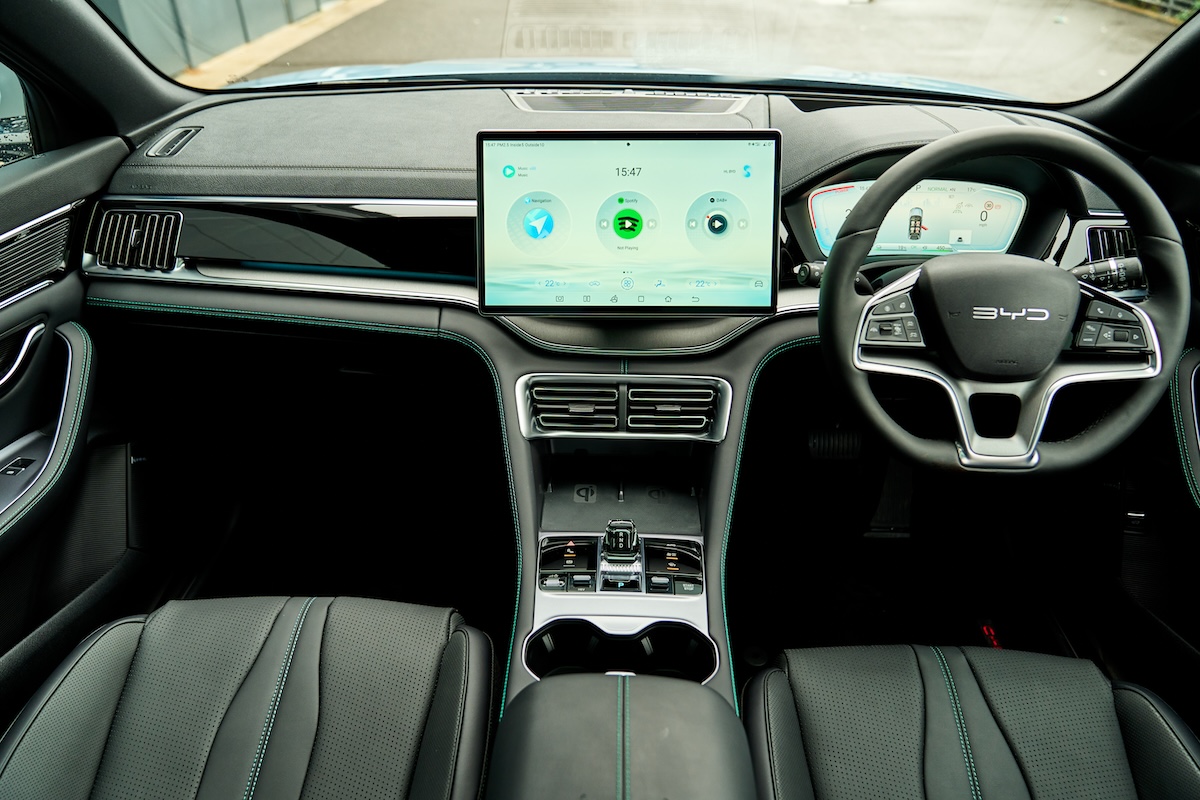
The BYD Seal U is also impressively equipped, even in its entry-level form. All models get a panoramic roof, a head-up display, and a huge 15.6-inch central touchscreen that can rotate from portrait to landscape. Like the Omoda, the system isn't perfect, but it comes with Apple CarPlay and Android Auto as standard. In terms of gadgets for your money, both cars are hard to fault.
Running Costs
Omoda 9 running costs score: 5/5
BYD Seal U running costs score: 5/5
As plug-in hybrids, both the Omoda 9 and BYD Seal U promise low running costs, especially if you can charge them at home. The Omoda 9 has a large battery that gives it an official electric-only range of up to 93 miles, one of the best figures for any PHEV on sale. This comes at a cost, with a list price of around £45,000.
The BYD Seal U is the value champion. It starts from just over £33,000, undercutting the Omoda and most other rivals significantly. Even with its lower price, the mid-spec Comfort model offers an impressive electric range of up to 77 miles. If you have a short commute, you could run either of these cars almost entirely on electricity, but the BYD’s lower purchase price makes it a more accessible option.
CarGurus Buyer Insights
| Omoda 9 | BYD Seal U | |
|---|---|---|
| CarGurus expert rating | 4 out of 5 | 4 out of 5 |
| CarGurus user rating | 0.0 out of 5 | 4.3 out of 5 |
| Percentage of good/great deals available on CarGurus* | 26.2% | 35.9% |
| Overall CarGurus rating | 3.9 out of 5 | 4.2 out of 5 |
The Verdict
Omoda 9 Overall CarGurus rating: 3.9/5
BYD Seal U Overall CarGurus rating: 4.2/5
Both the Omoda 9 and BYD Seal U are compelling alternatives to the established family SUV crowd, offering a huge amount of standard equipment and the potential for low running costs. They prove that Chinese brands are now producing genuinely credible cars for the UK market.
However, based on our comprehensive CarGurus Buyer Insights, the BYD Seal U emerges as the winner. While the Omoda 9 impresses with its vast boot and long electric range, the Seal U’s combination of a much lower price, generous equipment, and higher user rating gives it a better overall score. It hits a sweet spot of value and quality that is difficult to ignore.
If maximum boot space and the longest possible electric range are your absolute priorities, the Omoda 9 is a strong contender. But for most buyers, the BYD Seal U's outstanding value for money makes it the smarter choice and the winner of this test.
Omoda 9 Pros and Cons
| Pros | Cons |
|---|---|
| Large 660-litre boot | High list price compared to BYD |
| Impressive 93-mile electric range | Some infotainment usability issues |
| High level of standard equipment | Noticeable throttle lag |
BYD Seal U Pros and Cons
| Pros | Cons |
|---|---|
| Excellent value for money | Small 425-litre boot |
| Smooth and quiet hybrid system | Floaty and unengaging handling |
| Comfortable ride | Not as powerful as the Omoda |
*The Overall CarGurus rating: that informs these recommendations is based on CarGurus' proprietary market data from January 2026, CarGurus expert reviews, and CarGurus user reviews.