
If you've noticed a new name on the UK's roads, it might be Omoda. The Chinese manufacturer Chery launched its Omoda brand here in 2024, bringing two very different SUVs to the market. First up is the Omoda 5, a budget-friendly, Nissan Qashqai-sized family SUV available with petrol or electric power. At the other end of the scale is the Omoda 9, a large, luxurious plug-in hybrid aimed at premium rivals.
Both cars promise generous equipment and sharp pricing, but they are aimed at different buyers. The Omoda 5 is designed to tempt you away from mainstream best-sellers with its low price tag, while the Omoda 9 offers the space and features of a premium SUV for significantly less money. But do these newcomers have what it takes to compete, and is the flagship 9 worth the extra cash over its smaller sibling?
Omoda 9 vs Omoda 5
- Practicality
- Driving Impressions
- Technology and Equipment
- Running Costs
- CarGurus Buyer Insights
- Verdict

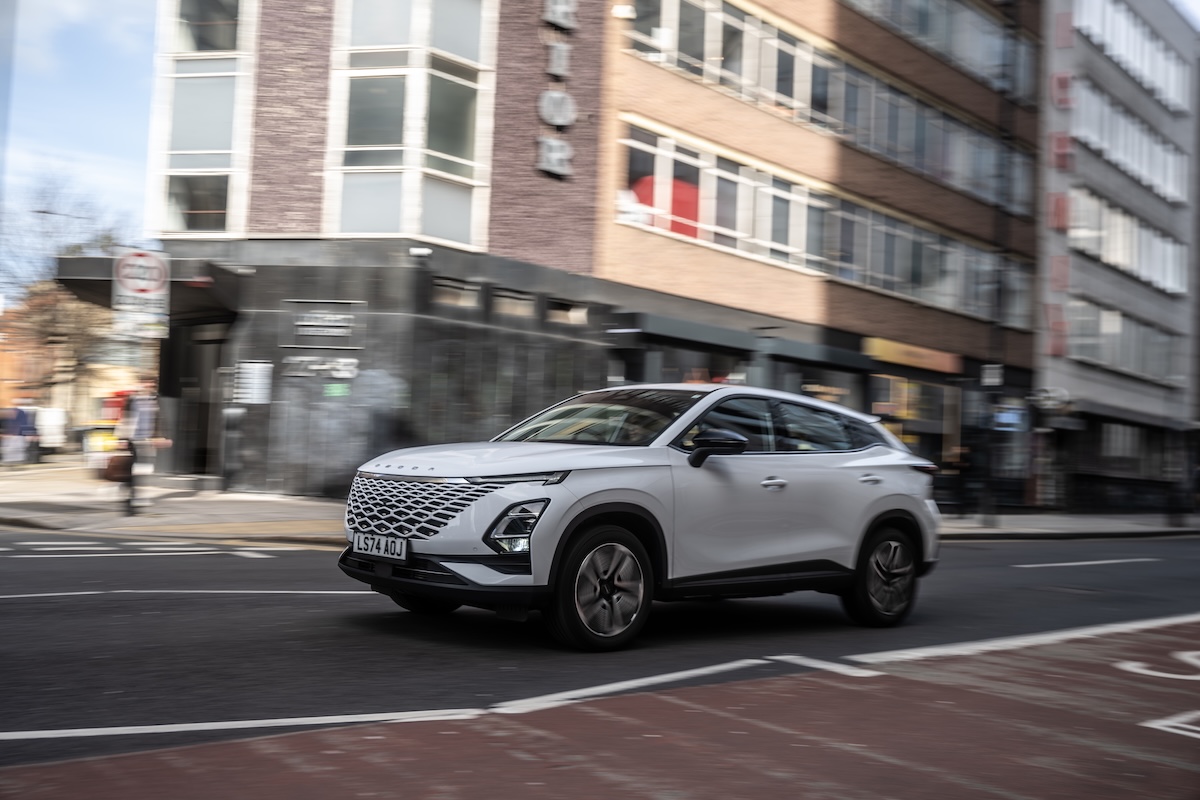

Practicality
Omoda 9 practicality score: 4/5
Omoda 5 practicality score: 3/5
The size difference between these two is obvious when it comes to practicality. The Omoda 9 is a large car, and that translates to a spacious cabin with plenty of room for passengers. Rear legroom is good, and the boot is a useful 660 litres. It’s a proper family-sized SUV that can handle people and their luggage with ease.
The Omoda 5 is more compact. While front space is adequate, rear passengers will find it tighter, with less legroom and headroom than in the 9. The boot is also disappointing for an SUV, at just 380 litres, which is more in line with a family hatchback. Both cars suffer from poor rear visibility due to their styling, but if space is a priority, the Omoda 9 is the clear winner.
Driving Impressions
Omoda 9 driving score: 3/5
Omoda 5 driving score: 2/5
The way these two cars drive is night and day. The Omoda 9 comes exclusively as a plug-in hybrid, combining a petrol engine with electric motors to produce a healthy 443bhp. It feels smooth and powerful on the move, and while there’s a slight pause when you first press the accelerator, it’s generally a relaxed and comfortable car to drive. It handles its weight reasonably well and feels composed on the road.
The petrol version of the Omoda 5 is a different story. Its 1.6-litre engine is let down by an unpredictable and overly sensitive throttle pedal, which makes it difficult to drive smoothly. The car can lurch forward unexpectedly, which is frustrating in traffic. The ride and handling are also less polished than the 9's, with more body roll in corners. The Omoda 9 offers a much more refined and predictable driving experience.
Technology and Equipment
Omoda 9 technology and equipment score: 4/5
Omoda 5 technology and equipment score: 3/5
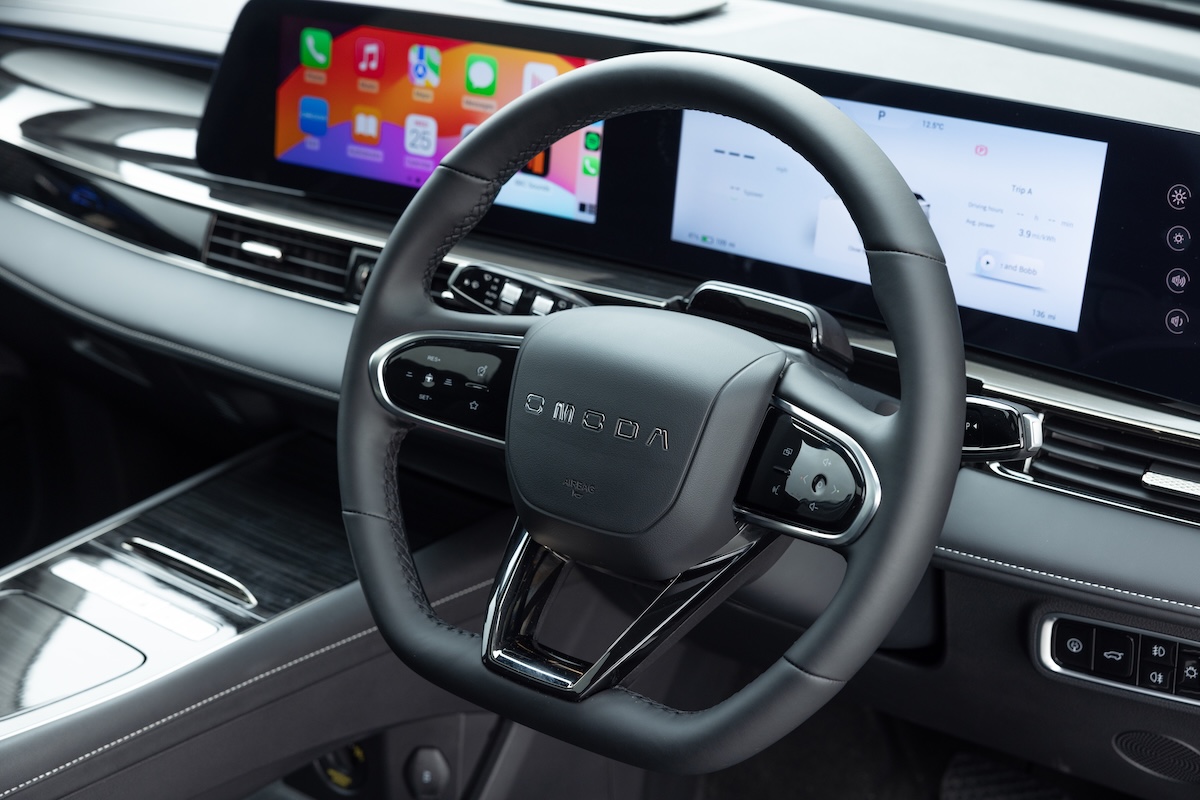
Omoda’s strategy is to pack its cars with standard equipment, and both models are generously specified. The Omoda 9 comes in a single, high-end trim that includes a panoramic sunroof, heated and ventilated seats, a premium Sony sound system, and a full suite of driver aids. It feels like a luxury product inside.
The Omoda 5 also comes with a lot of kit for its price, including large screens, a reversing camera, and adaptive cruise control even on the entry-level model. Both cars feature twin-screen displays for infotainment and driver information, with wireless Apple CarPlay and Android Auto. However, the software on both can be clunky to use, with key functions buried in menus. The Omoda 9’s system is slightly better thanks to a few more physical controls, but neither is class-leading.
Running Costs
Omoda 9 running costs score: 5/5
Omoda 5 running costs score: 3/5
With a price tag of around £45,000, the Omoda 9 isn't cheap, but it offers a lot of car for the money compared to premium rivals. Its main advantage is the plug-in hybrid system. With a large battery, it has an official electric-only range of up to 93 miles, meaning many owners could do their daily driving without using any petrol at all. This has the potential for very low running costs.
The Omoda 5 starts at a much more accessible £25,000. However, the petrol model is surprisingly thirsty, with an official fuel economy figure of just 31.4mpg. This is poor compared to rivals, many of which use more efficient mild-hybrid technology. An all-electric Omoda E5 is available, which will be cheaper to run, but the petrol version's running costs are a notable weakness.
CarGurus Buyer Insights
| Omoda 9 | Omoda 5 | |
|---|---|---|
| CarGurus expert rating | 4 out of 5 | 2 out of 5 |
| CarGurus user rating | 0.0 out of 5 | 0.0 out of 5 |
| Percentage of good/great deals available on CarGurus* | 26.2% | 36.7% |
| Overall CarGurus rating | 3.9 out of 5 | 3.6 out of 5 |
The Verdict
Omoda 9 Overall CarGurus rating: 3.9/5
Omoda 5 Overall CarGurus rating: 3.6/5
Although they share a badge, these two Omoda models are very different propositions. Based on our comprehensive CarGurus ratings, the Omoda 9 is the clear winner of this comparison.
While the Omoda 5’s low price and long equipment list are tempting, it’s let down by some fundamental flaws. The petrol model's poor fuel economy and difficult driving manners make it hard to recommend over established rivals. The Omoda 9, on the other hand, feels like a much more accomplished and polished vehicle. It’s spacious, comfortable, and its sophisticated plug-in hybrid powertrain offers the potential for impressively low running costs. It represents strong value for money in the large SUV class.
If you’re considering an Omoda, the 9 is the one to go for. It successfully delivers on its promise of premium features at a competitive price, whereas the 5 feels like it needs more development to truly challenge the best in its class.
Omoda 9 Pros and Cons
| Pros | Cons |
|---|---|
| Generous passenger and boot space | Infotainment system can be fiddly |
| Smooth and efficient PHEV powertrain | Unproven brand reliability |
| High level of standard luxury kit | More expensive to buy |
Omoda 5 Pros and Cons
| Pros | Cons |
|---|---|
| Very competitive pricing | Awkward and unpredictable throttle response |
| Generous standard equipment | Poor fuel economy from petrol engine |
| Striking exterior design | Small boot for an SUV |
*The Overall CarGurus rating: that informs these recommendations is based on CarGurus' proprietary market data from January 2026, CarGurus expert reviews, and CarGurus user reviews.