
If you’re looking for a family SUV, you’re not short of options. The market is packed with cars that promise the perfect mix of style, space, and technology. Two popular contenders are the Peugeot 3008 and the Ford Kuga, but they go about their business in very different ways.
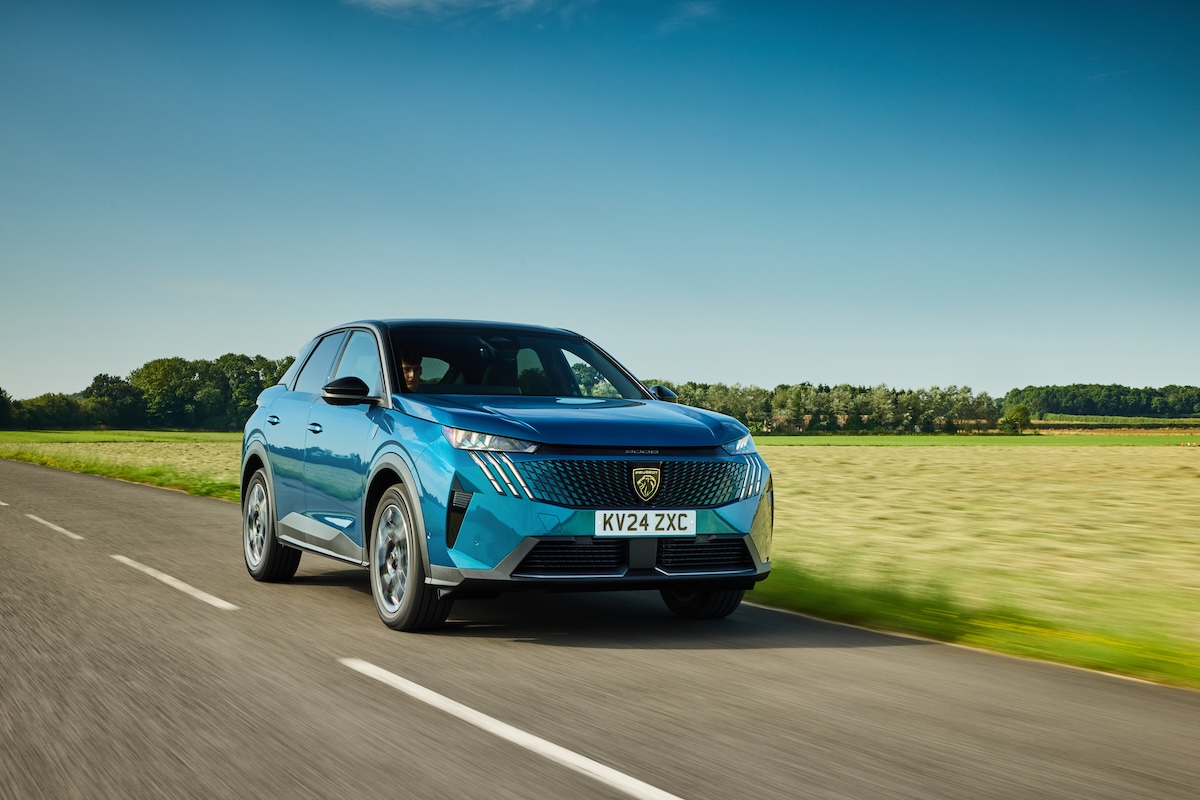
The Peugeot 3008 has gone all-in on style. With its sharp, coupe-SUV looks and a futuristic interior dominated by a huge screen, it’s designed to make a statement. The Ford Kuga, on the other hand, plays to Ford’s traditional strengths. It puts the driving experience first and focuses on practical, family-friendly features, wrapped in a more conventional but still handsome package. So, which is the better choice: the French style icon or the dependable all-rounder?
Peugeot 3008 vs Ford Kuga
- Practicality
- Driving Impressions
- Technology and Equipment
- Running Costs
- CarGurus Buyer Insights
- Verdict

Practicality
Peugeot 3008 practicality score: 4/5
Ford Kuga practicality score: 4/5
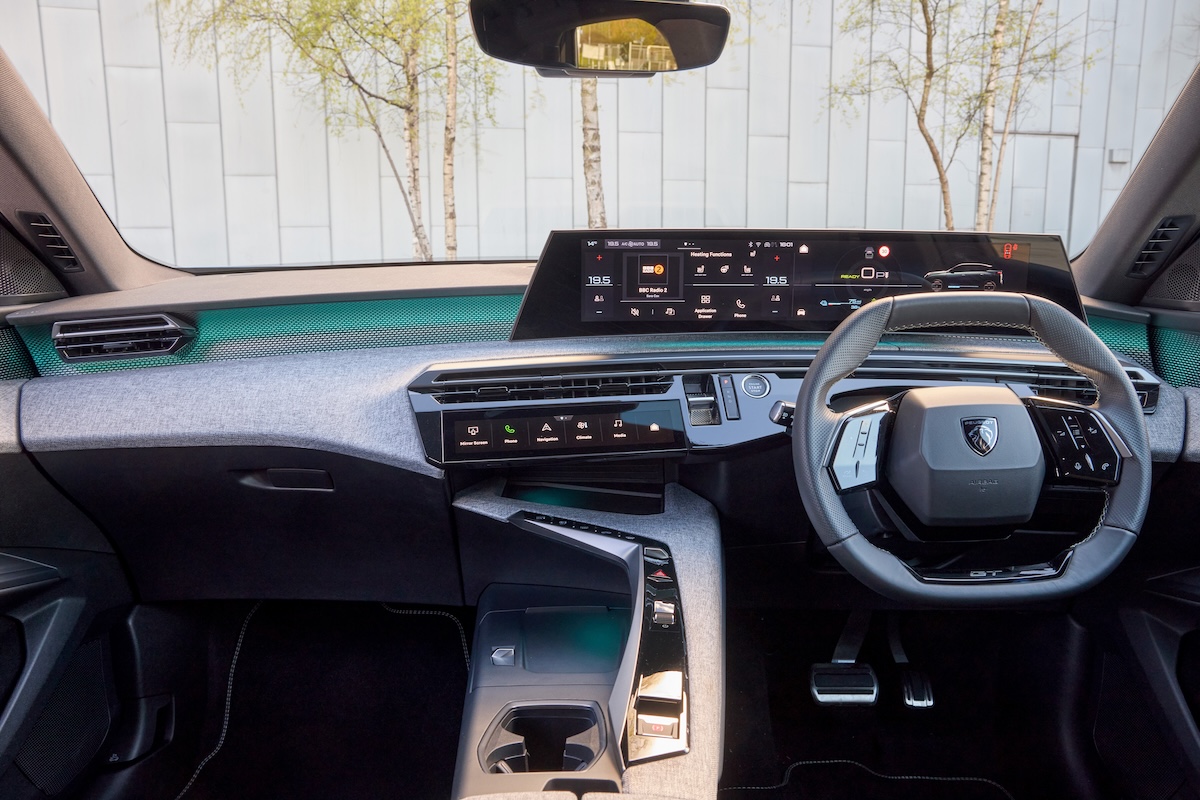
Step inside the Peugeot 3008 and you’re greeted by a cabin that feels genuinely upmarket. The design is bold, the materials are good, and the huge 21-inch curved screen gives it a real wow factor. Despite the sloping roofline, there’s plenty of space for passengers, with good headroom and generous legroom in the back. The boot is a useful 588 litres, which is competitive for the class, and features a two-level floor for added flexibility.
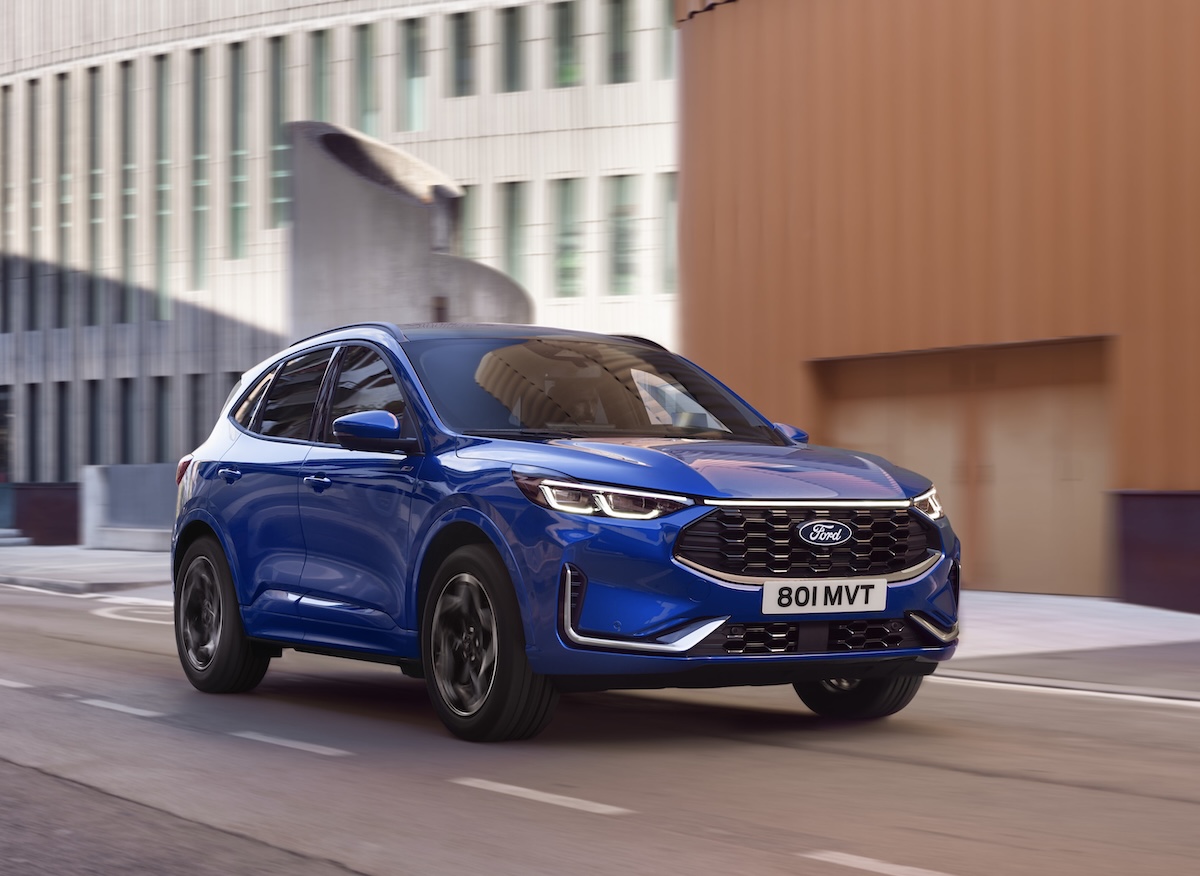
The Ford Kuga takes a more function-over-form approach. Its interior is solidly built but uses harder plastics and has a much more conventional design than the 3008. Where it scores a big practical point is with its sliding rear seats. This clever feature lets you choose between maximising rear legroom for passengers or increasing boot space, which is a great touch for growing families. With the seats pushed back, boot space is 475 litres (or 411 litres in the plug-in hybrid), which is less than the Peugeot, but the added versatility is a major plus.
Driving Impressions
Peugeot 3008 driving score: 2/5
Ford Kuga driving score: 4/5
This is where the two cars really diverge. For all its style, the Peugeot 3008 is a disappointment to drive. The ride is firm, so you feel more bumps than you would in rivals, and it feels heavy and less agile in corners. The steering, controlled via Peugeot’s small, octagonal wheel, feels disconnected and slow to respond. The entry-level 1.2-litre mild-hybrid engine also feels underpowered, with a hesitant automatic gearbox that can be frustrating in traffic.
The Ford Kuga is a different story. It upholds Ford’s reputation for building cars that are enjoyable to drive, with direct steering and well-controlled handling that give you confidence on a winding road. The suspension does a good job of balancing this agility with a comfortable ride, making it a relaxing car for long journeys. The Kuga also offers a much wider range of engines, including efficient diesels for high-mileage drivers and a smooth plug-in hybrid. For anyone who values how a car feels on the road, the Kuga is the clear winner.
Technology and Equipment
Peugeot 3008 technology and equipment score: 3/5
Ford Kuga technology and equipment score: 4/5
The 3008’s cabin is dominated by that 21-inch screen, which handles both the driver’s instruments and the central infotainment. It looks impressive, and the customisable ‘i-Toggles’ below it are a smart way to create shortcuts for your most-used functions. Standard equipment is generous on both Allure and GT trims, with wireless Apple CarPlay and Android Auto included. However, the system can be slow to respond to touches, and having to use a shortcut just to change the temperature is a bit of a faff.
The Kuga’s tech setup is more traditional but arguably easier to use. It has Ford’s straightforward Sync 3 infotainment system with an 8.0-inch touchscreen that’s mounted high on the dash. It’s simple to navigate and comes with all the key features you need, including smartphone mirroring. Equipment levels are good across the range, with even entry-level cars getting parking sensors and a heated windscreen. It might not have the visual flair of the Peugeot’s setup, but it works reliably and without frustration.
Running Costs
Peugeot 3008 running costs score: 4/5
Ford Kuga running costs score: 4/5
For most buyers, the plug-in hybrid (PHEV) models will be the most cost-effective. The Peugeot 3008 PHEV has an impressive official electric-only range of up to 55 miles, which could mean tiny fuel bills if you have a short commute and can charge at home. The entry-level mild-hybrid petrol officially returns 52.5mpg, which is reasonable for a car of this size.
The Ford Kuga’s PHEV is a particularly strong choice for company car drivers, as its low CO2 emissions put it in a cheap benefit-in-kind (BIK) tax band. Its 35-mile electric range is less than the Peugeot’s but still very useful for local trips. Crucially, the Kuga was also offered with efficient diesel engines, which the 3008 lacks. For drivers who cover a lot of motorway miles and can’t regularly plug in, a diesel Kuga will likely be the cheaper car to run.
CarGurus Buyer Insights
| Peugeot 3008 | Ford Kuga | |
|---|---|---|
| CarGurus expert rating | 3 out of 5 | 4 out of 5 |
| CarGurus user rating | 4.5 out of 5 | 4.5 out of 5 |
| Percentage of good/great deals available on CarGurus* | 34.6% | 32.8% |
| Overall CarGurus rating | 4.2 out of 5 | 4.4 out of 5 |
The Verdict
Peugeot 3008 Overall CarGurus rating: 4.2/5
Ford Kuga Overall CarGurus rating: 4.4/5
While the Peugeot 3008 makes a stunning first impression with its dramatic styling and high-tech interior, it’s the Ford Kuga that emerges as the better family SUV. Based on our comprehensive CarGurus Buyer Insights, the Kuga takes the win with a higher overall rating.
The Ford is a more accomplished all-rounder. It’s significantly better to drive, with a comfortable ride and sharp handling that make it feel more agile and refined than the Peugeot. Its infotainment is more user-friendly, its sliding rear seats add a layer of practicality the 3008 can’t match, and the wider range of engines caters to more buyers.
If you prioritise head-turning looks and a futuristic cabin above all else, the Peugeot 3008 has a unique appeal. But for the fundamentals of a great family car – comfort, practicality, and an enjoyable driving experience – the Ford Kuga is the more convincing package and our winner here.
Peugeot 3008 Pros and Cons
| Pros | Cons |
|---|---|
| Striking exterior design | Disappointing driving dynamics |
| Premium-feeling, high-tech interior | Frustrating infotainment quirks |
| Generous standard equipment | Limited engine range |
Ford Kuga Pros and Cons
| Pros | Cons |
|---|---|
| Engaging and comfortable to drive | Plain interior compared to the 3008 |
| Practical sliding rear seats | Smaller boot than some rivals |
| Wide range of engine options | Conventional styling lacks wow-factor |
*The Overall CarGurus rating: that informs these recommendations is based on CarGurus' proprietary market data from January 2026, CarGurus expert reviews, and CarGurus user reviews.