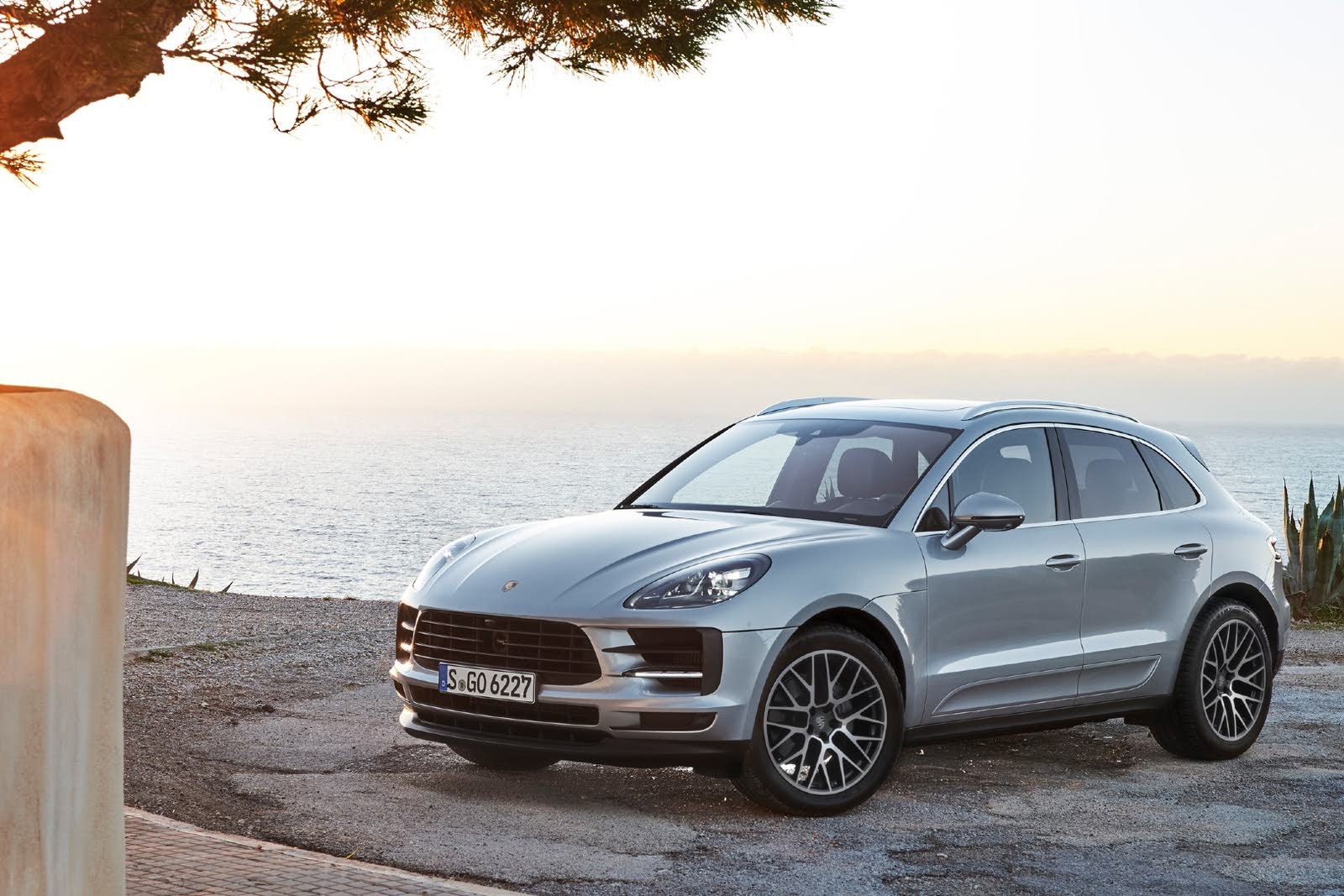
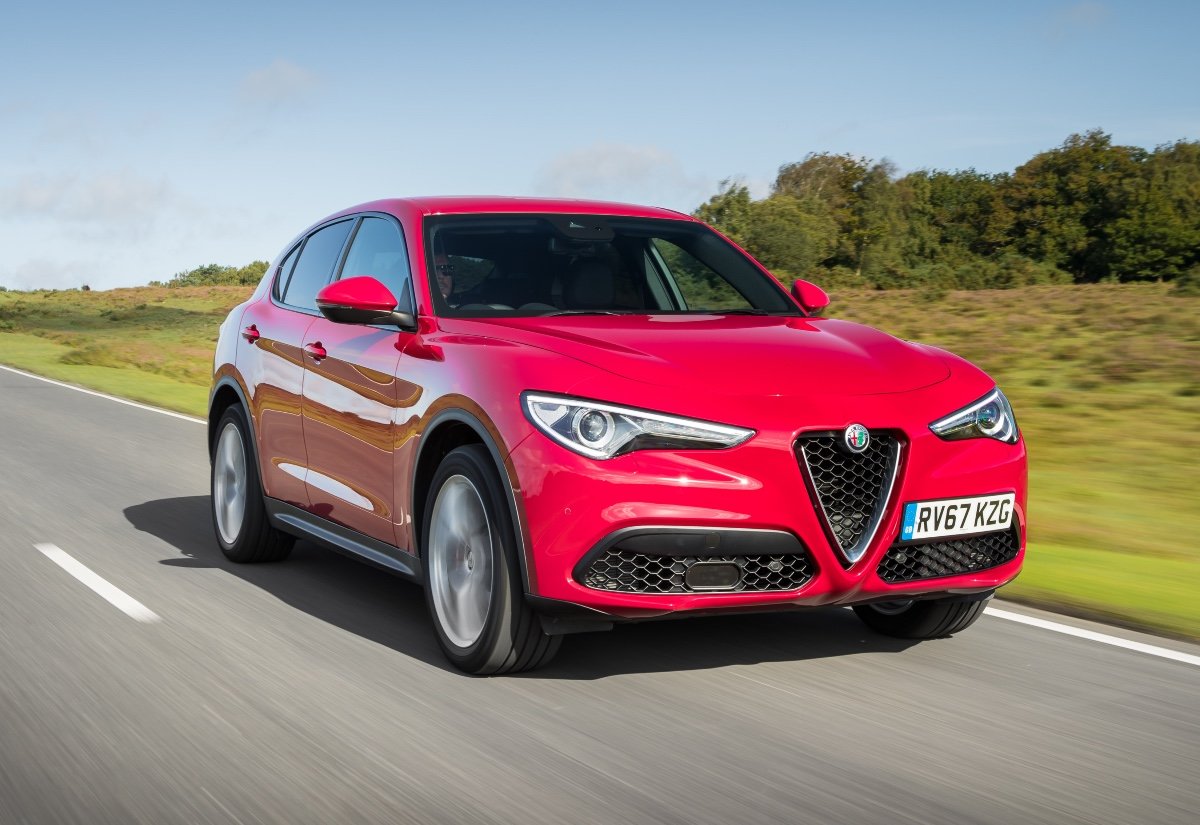
If you're after an SUV but don't want to give up the thrill of a sports car, you're in the right place. The Porsche Macan and Alfa Romeo Stelvio are two of the sharpest, most driver-focused SUVs on the market, blending family-friendly space with a serious dose of performance.
The Macan is Porsche's best-seller for a reason. It combines the brand's legendary engineering and premium quality with the practicality of an SUV, setting the benchmark for how a sporty 4x4 should drive. In the other corner, the Alfa Romeo Stelvio brings a dose of Italian passion, with stunning looks and a lively character that promises to put a smile on your face. Both are for drivers who love driving, but which one is the better all-rounder?
Porsche Macan vs Alfa Romeo Stelvio
Practicality
Porsche Macan practicality score: 3/5
Alfa Romeo Stelvio practicality score: 2/5
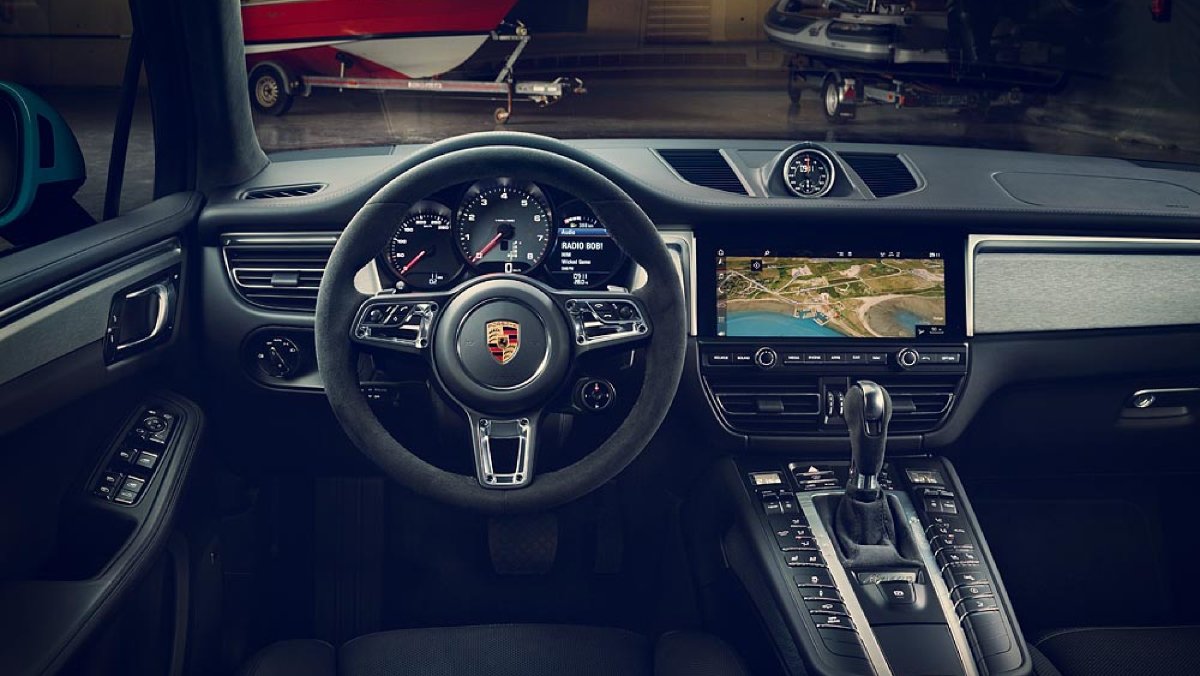
Let's be honest, you don't buy either of these cars for van-like space. The Macan's cabin is a masterclass in quality, with first-class materials and a superb driving position. However, its sporty shape means compromises in the back. Legroom is tight for taller adults, making it feel more like a four-seater than a true five-seat family car. The boot is a reasonable 488 litres.
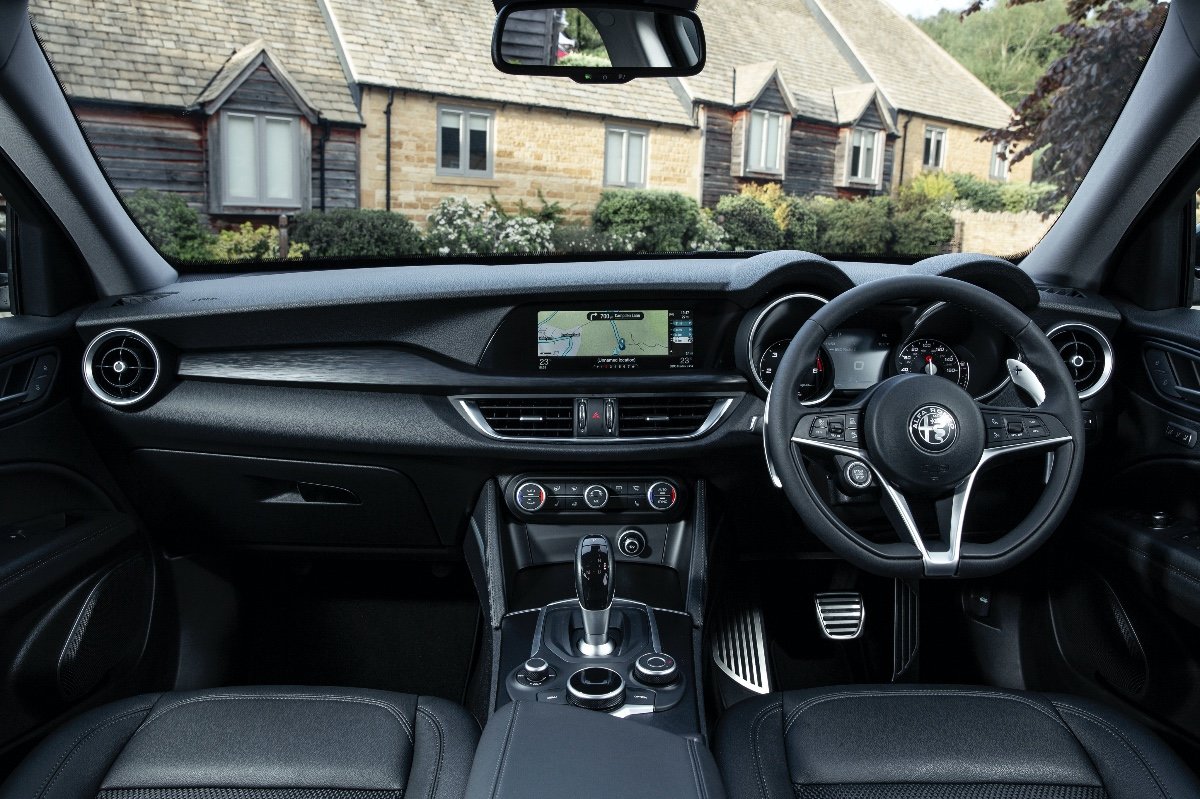
The Stelvio offers a slightly bigger boot at 525 litres, giving it a slight edge for luggage. Its interior is stylish, with lovely aluminium and wood finishes, though it doesn't feel quite as solidly built as the Porsche. The Alfa's biggest compromise is its sloping roofline, which eats into rear headroom. While kids will be fine, taller passengers will find it a squeeze. For pure passenger comfort, neither is a class-leader, but the Macan's cabin feels more special.
Driving Impressions
Porsche Macan driving score: 5/5
Alfa Romeo Stelvio driving score: 4/5
This is where these two really shine. The Porsche Macan is simply the best-handling SUV in its class. It feels precise and composed, changing direction with an eagerness that defies its size and weight. Whether you choose the punchy 2.0-litre turbo or the storming 2.9-litre V6 in the S and GTS models, the Macan delivers a refined yet thrilling driving experience.
The Alfa Romeo Stelvio is all about flair and excitement. Its steering is quick, making the car feel dart-like and agile. It's a huge amount of fun on a twisty road, with fantastic balance and grip. For some, the steering might feel a bit too twitchy for relaxed motorway driving, but for sheer entertainment, it's hard to beat. The range-topping Quadrifoglio model, with its Ferrari-derived V6 engine, is a true supercar in an SUV body. The Macan is the more polished and complete driver's car, but the Stelvio offers a raw, infectious character.
Technology and Equipment
Porsche Macan technology and equipment score: 4/5
Alfa Romeo Stelvio technology and equipment score: 3/5
Defying the old Porsche stereotype of stingy standard kit, the Macan is well-equipped. All models get LED headlights, three-zone climate control, parking sensors, and a reversing camera. Post-2021 cars feature a slick 10.9-inch touchscreen with Apple CarPlay, which is a big step up. The system is sharp and responsive, though the button-heavy centre console takes some getting used to.
The Stelvio also comes with a decent amount of standard tech, including an 8.8-inch touchscreen with sat-nav, Apple CarPlay, and Android Auto. While functional, the system isn't as slick or modern as the one in the Porsche. Alfa's habit of frequently changing its trim levels can also make it confusing to figure out exactly what equipment a used model has. The Macan takes the win here with its superior infotainment and clearer model structure.
Running Costs
Porsche Macan running costs score: 3/5
Alfa Romeo Stelvio running costs score: 3/5
Owning a high-performance premium SUV is never going to be cheap, and both these cars come with hefty bills. Fuel economy is a major factor; the most efficient Macan officially manages just 25.7mpg, while the petrol Stelvios hover around 30mpg. Both will also attract high VED (road tax) charges thanks to their original list prices and CO2 emissions.
The Macan's saving grace is its strong residual values. It holds its value better than almost any other SUV, which means you'll get more of your money back when you sell it. However, this also means used prices are high. Servicing at a Porsche main dealer is expensive, as you'd expect. The Stelvio's diesel models offer better fuel economy on paper, but both cars are costly to run, making this category a dead heat.
CarGurus Buyer Insights
|
Porsche Macan |
Alfa Romeo Stelvio |
| CarGurus expert rating |
4 out of 5 |
3 out of 5 |
| CarGurus user rating |
4.8 out of 5 |
4.0 out of 5 |
| Percentage of good/great deals available on CarGurus* |
32.1% |
28.9% |
| Overall CarGurus rating |
4.4 out of 5 |
3.9 out of 5 |
The Verdict
Porsche Macan Overall CarGurus rating: 4.4/5
Alfa Romeo Stelvio Overall CarGurus rating: 3.9/5
While the Alfa Romeo Stelvio makes a strong case for itself with its passionate design and thrilling drive, there can only be one winner. Based on our comprehensive CarGurus Buyer Insights, the Porsche Macan takes a decisive victory.
The Macan scores higher with both our experts and users, and it's clear why. It offers a more complete package, blending its phenomenal driving dynamics with superior interior quality, better technology, and strong residual values. It's the more refined and sensible choice, delivering the ultimate sporting SUV experience without the compromises found in the Alfa.
The Stelvio is an interesting choice for those who want something different, and its larger boot is a practical plus. However, the Macan's blend of quality, performance, and desirability makes it one of the best SUVs in its class, and the clear winner of this contest.
Porsche Macan Pros and Cons
| Pros |
Cons |
| Best-in-class handling and driving dynamics |
High running costs |
| Superb interior quality and finish |
Limited rear passenger legroom |
| Strong residual values |
Used prices remain high |
Alfa Romeo Stelvio Pros and Cons
| Pros |
Cons |
| Exciting and characterful driving experience |
Interior quality not up to Porsche's standard |
| Distinctive Italian styling |
Infotainment feels dated |
| Larger boot than the Macan |
Restricted rear headroom |
*The Overall CarGurus rating that informs these recommendations is based on CarGurus' proprietary market data from May 2026, CarGurus expert reviews, and CarGurus user reviews.
Read Our Full Reviews: