
If you’re in the market for a premium mid-sized SUV, the Range Rover Evoque and BMW X3 are two of the most desirable options available. The Evoque has always prioritised head-turning style, bringing concept-car looks to the showroom, while the X3 has built a reputation on sharp driving dynamics and family-friendly practicality.
Now in their latest generations, both models offer modern hybrid powertrains and upmarket interiors. The Evoque leans into its Range Rover heritage with a plush ride and genuine off-road talent, while the X3 continues to be the driver’s choice in the segment. So, which of these premium contenders is the right fit for you?
Range Rover Evoque vs BMW X3
- Practicality
- Driving Impressions
- Technology and Equipment
- Running Costs
- CarGurus Buyer Insights
- Verdict

Practicality
Range Rover Evoque practicality score: 3/5
BMW X3 practicality score: 4/5
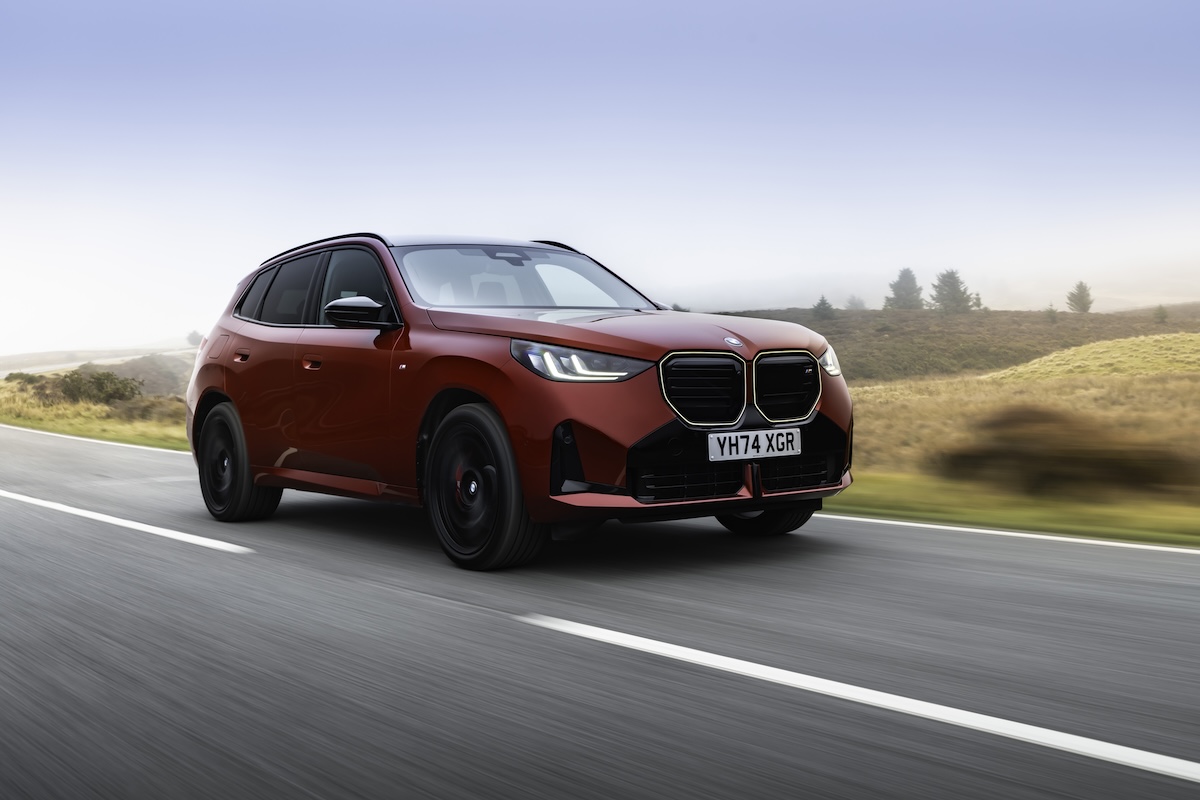
When it comes to family duties, the BMW X3 has a clear advantage. It offers impressive rear-seat space, with enough legroom and headroom for adults to get comfortable, even with the optional panoramic sunroof. The boot is a useful 570 litres, and its square shape and low loading lip make it easy to pack bulky items. The 40/20/40 split-folding rear seats add a layer of versatility.
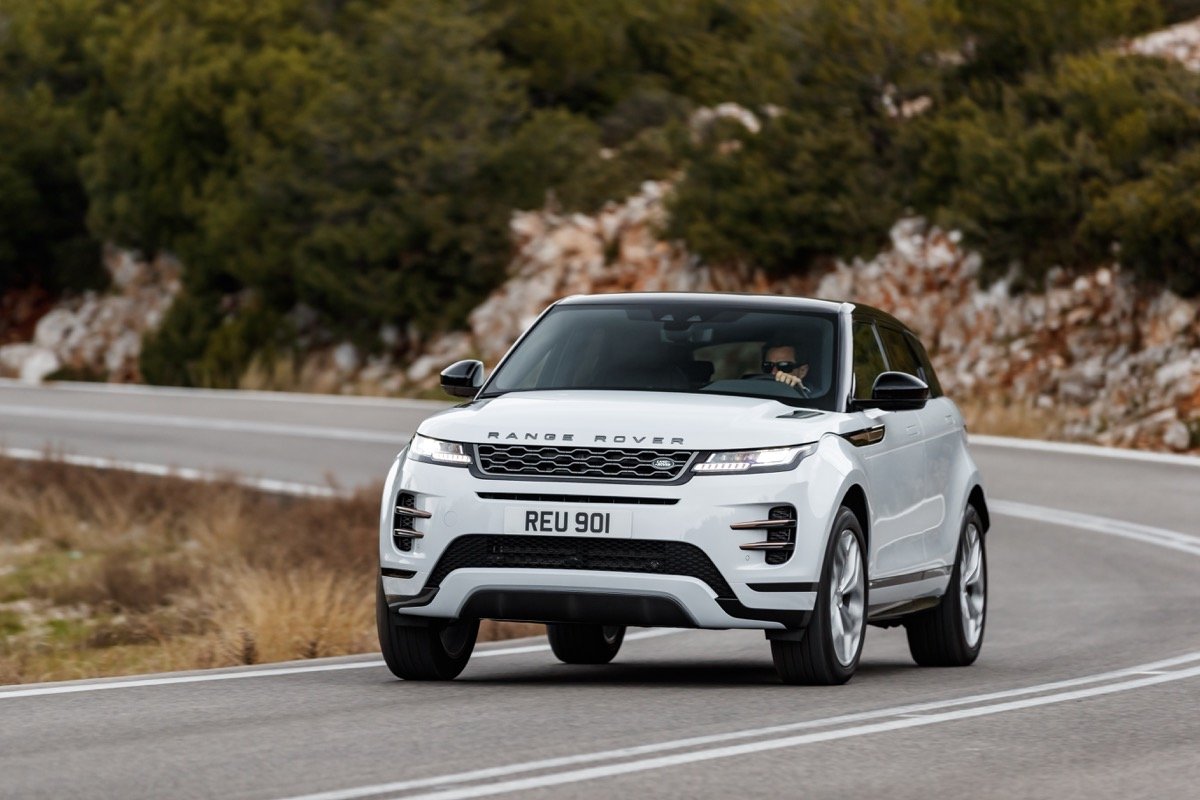
The Evoque is a bit more compromised by its stylish design. While there’s enough room in the back for most journeys, the sloping roof and high window line can make it feel a little dark and enclosed. The boot’s 591-litre capacity looks good on paper, but in practice, the space is less usable than the X3’s. On the plus side, the Evoque’s interior design feels special, and clever tech like the ClearSight digital rear-view mirror helps to overcome the poor visibility caused by its small rear window. For pure, family-friendly space, however, the X3 is the winner.
Driving Impressions
Range Rover Evoque driving score: 4/5
BMW X3 driving score: 4/5
These two SUVs offer quite different driving experiences. The BMW X3 lives up to the brand’s reputation for driver engagement. The steering is sharp and the car feels agile and controlled through corners, especially with the optional adaptive suspension. Powertrain options range from efficient petrol and diesel engines to a powerful M50 model with a 3.0-litre six-cylinder engine that delivers serious performance.
The Range Rover Evoque takes a more relaxed approach. It prioritises comfort, with a soft, wafty ride that makes it a great long-distance cruiser. It feels stable and secure, but it’s not as sporty as the X3. Where the Evoque really shines is off-road. Its sophisticated all-wheel-drive system and Terrain Response technology give it capability that few rivals can get close to. Your choice here depends on your priorities: the X3 for on-road fun, or the Evoque for comfort and all-terrain confidence.
Technology and Equipment
Range Rover Evoque technology and equipment score: 4/5
BMW X3 technology and equipment score: 4/5
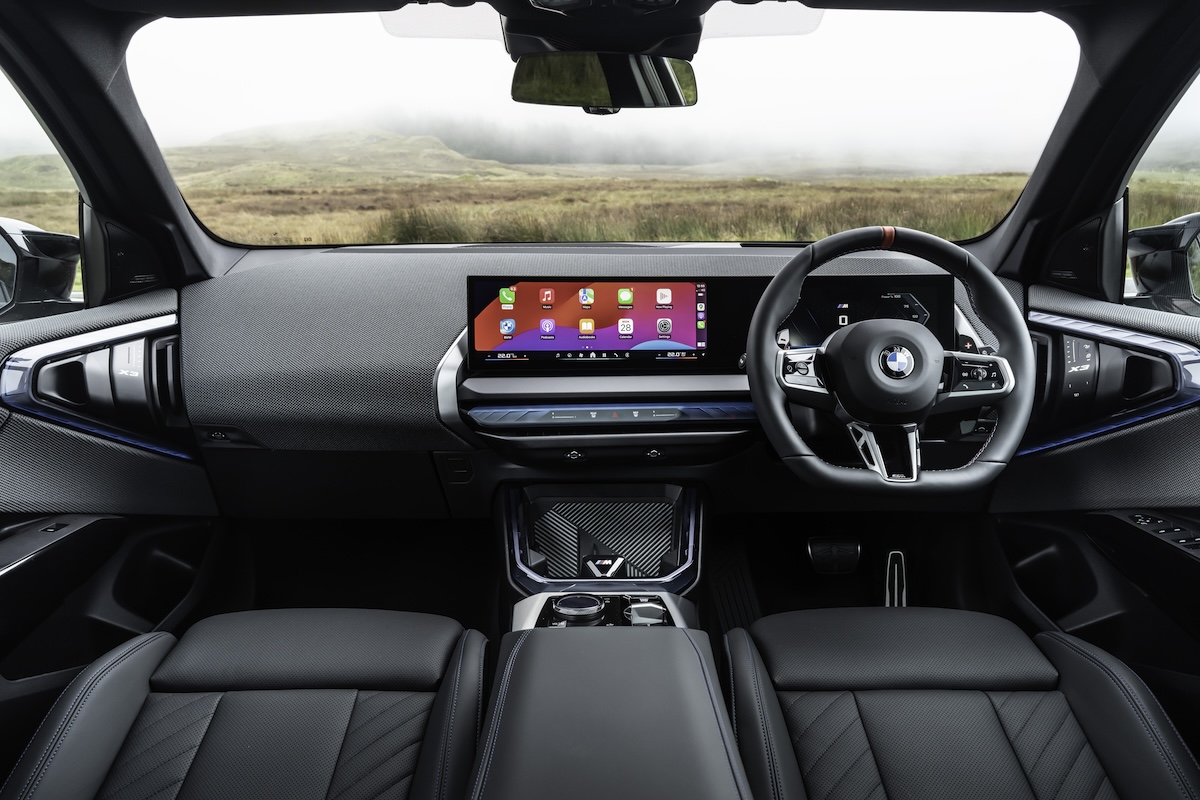
Both cars are packed with the latest technology. The BMW X3 features a large, curved display that combines a 12.3-inch driver’s screen and a 14.9-inch infotainment screen. Crucially, BMW has kept its rotary iDrive controller, which makes the system easier and safer to use on the move than a pure touchscreen. Standard equipment is generous, including heated electric seats, a powered tailgate, and a reversing camera.
The Evoque opts for a more minimalist, touchscreen-focused design inspired by the larger Range Rover Velar. It looks clean and modern, but controlling everything through the screen can be a bit distracting while driving. All models come well-equipped with a 10-inch touchscreen, Apple CarPlay, Android Auto, and a host of safety features. Ultimately, both systems are slick and feature-rich, but the X3’s blend of touchscreen and physical controls gives it a slight edge in usability.
Running Costs
Range Rover Evoque running costs score: 3/5
BMW X3 running costs score: 3/5
As premium SUVs, neither the Evoque nor the X3 is a budget option. Both have starting prices around the £50,000 mark, rising to £60,000 for the plug-in hybrid (PHEV) models. For company car drivers, the PHEV versions of both cars are the most attractive choice, thanks to their low official CO2 emissions and significant tax savings. The X3 30e offers up to 56 miles of electric range, while the Evoque P300e is also capable of covering most daily commutes on battery power alone.
For private buyers, the conventional engines are worth considering. The X3’s 20d diesel model can achieve up to 48.7mpg, which is a respectable figure for a vehicle of this size. The Evoque’s engines are generally a little thirstier, partly due to the car’s extra weight. In the long run, the X3 likely has a slight edge on overall running costs, but much will depend on which engine you choose and how you drive.
CarGurus Buyer Insights
| Range Rover Evoque Review (2019-present) | BMW X3 | |
|---|---|---|
| CarGurus expert rating | 4 out of 5 | 4 out of 5 |
| CarGurus user rating | 4.5 out of 5 | 4.5 out of 5 |
| Percentage of good/great deals available on CarGurus* | 34.6% | 33.0% |
| Overall CarGurus rating | 4.3 out of 5 | 4.3 out of 5 |
The Verdict
Range Rover Evoque Overall CarGurus rating: 4.3/5
BMW X3 Overall CarGurus rating: 4.3/5
After comparing these two excellent premium SUVs, it’s clear that there’s very little to separate them. This is reflected in our CarGurus Buyer Insights, where both the Range Rover Evoque and the BMW X3 achieve an identical Overall CarGurus rating of 4.3 out of 5. It’s a dead heat, so the winner really comes down to your personal priorities.
The BMW X3 is the more rational choice. It’s more practical for a family, with a bigger and more usable interior, and it offers a sharper, more engaging driving experience on the road. Its infotainment system is also a highlight, blending modern tech with user-friendly controls.
The Range Rover Evoque, on the other hand, is a choice led more by the heart. Its stunning design and prestigious badge have immense appeal, and its comfortable ride and unmatched off-road ability give it a unique character. If style and all-weather confidence are at the top of your list, the Evoque is hard to resist. In this comparison, there’s no wrong answer; there are simply two different but equally compelling winners.
Range Rover Evoque Pros and Cons
| Pros | Cons |
|---|---|
| Head-turning exterior styling | Less practical than the X3 |
| Comfortable and refined ride | Rear cabin can feel dark |
| Genuine off-road capability | Touchscreen controls can be distracting |
BMW X3 Pros and Cons
| Pros | Cons |
|---|---|
| Spacious and practical interior | Conservative styling |
| Sharp and engaging to drive | Some interior plastics feel below par |
| User-friendly iDrive infotainment | Less capable off-road than the Evoque |
*The Overall CarGurus rating: that informs these recommendations is based on CarGurus' proprietary market data from January 2026, CarGurus expert reviews, and CarGurus user reviews.