
The Renault Rafale and Nissan Qashqai are two family SUV choices in the UK market. The Rafale is Renault's flagship SUV coupe model that arrived in 2024, while the Qashqai has been a stalwart in the segment for many years, receiving a major facelift in 2024. Both offer a blend of practicality, technology and raised driving positions that appeals to family buyers.
This in-depth comparison will evaluate how these two models stack up across key areas like interior space, driving dynamics, equipment levels and ownership costs. We'll highlight the strengths and weaknesses of each to help you decide which better suits your needs and budget.
Renault Rafale (2024-present) vs Nissan Qashqai
Practicality
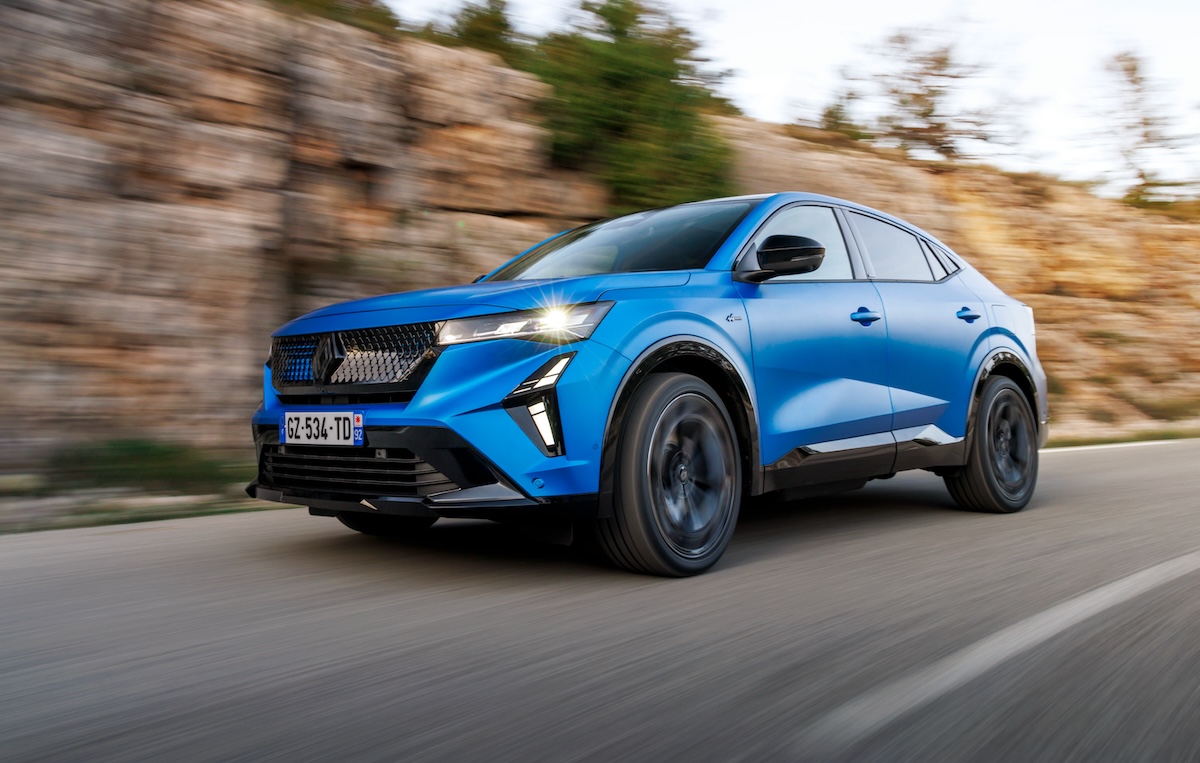
The Renault Rafale and Nissan Qashqai both offer a good amount of interior space that should serve families well. The Rafale's long wheelbase translates into generous rear legroom, with enough space for four six-footers to sit comfortably. The wide cabin and nearly flat floor also provide decent space for three adults in the back. Access is good too, thanks to the long rear doors.
However, the Rafale's coupe-like roofline does impact headroom slightly compared to the more conventionally-shaped Qashqai. Rear visibility is also more compromised. The Rafale counters with a large 535-litre boot, slightly bigger than the Qashqai's competitive 504 litres. The Rafale's lower load lip may make accessing the space trickier though.
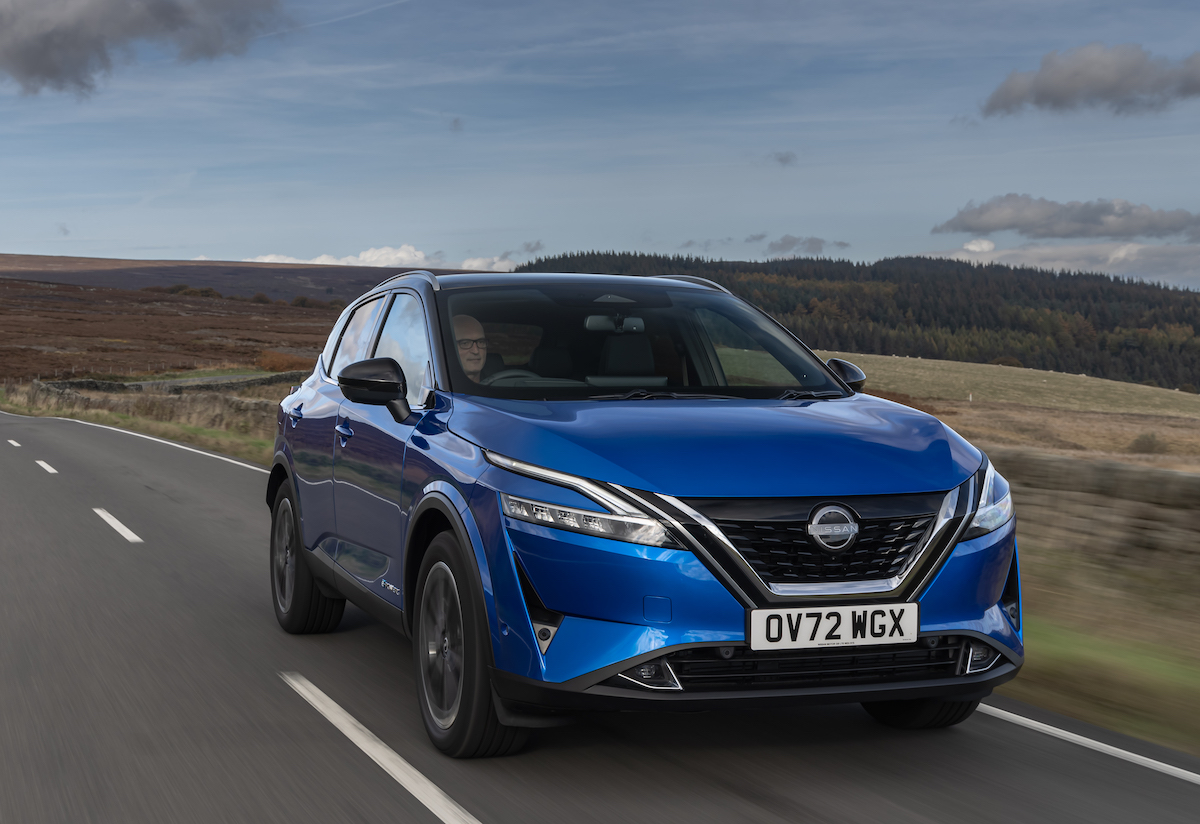
The Qashqai remains one of the more practical and family-friendly options in this class. There's ample head- and legroom for rear passengers, and the clever boot design with split floor sections provides great flexibility. The boxy shape and higher roofline give it an edge over the sportier Rafale for outright space and visibility.
Driving Impressions
Both the Rafale and Qashqai put an emphasis on comfort and refinement over driving thrills. The Rafale is available with a choice of hybrid powertrains - a 197hp full hybrid or a more powerful 296hp plug-in hybrid with four-wheel drive. The PHEV provides punchy acceleration but can sound boomy when pushed. The Rafale's advanced chassis technology with rear-wheel steering aims to provide a more engaging drive.
The Qashqai lineup has recently moved to petrol-only power, with a mild-hybrid 1.3-litre turbo the mainstream choice. There's enough performance for daily driving, but it needs to be worked hard. The E-Power range extender hybrid is smoother and more like and eletric vehicle in its delivery. Across the board, the Qashqai majors on ease of use and a comfortable ride over outright dynamics.
While the Rafale aims for a sportier driving experience, the Qashqai's conventional SUV dynamics and better visibility may make it the more confidence-inspiring choice for family use. But the Rafale's hybrid powertrains give it an advantage for effortless performance.
Technology and Equipment
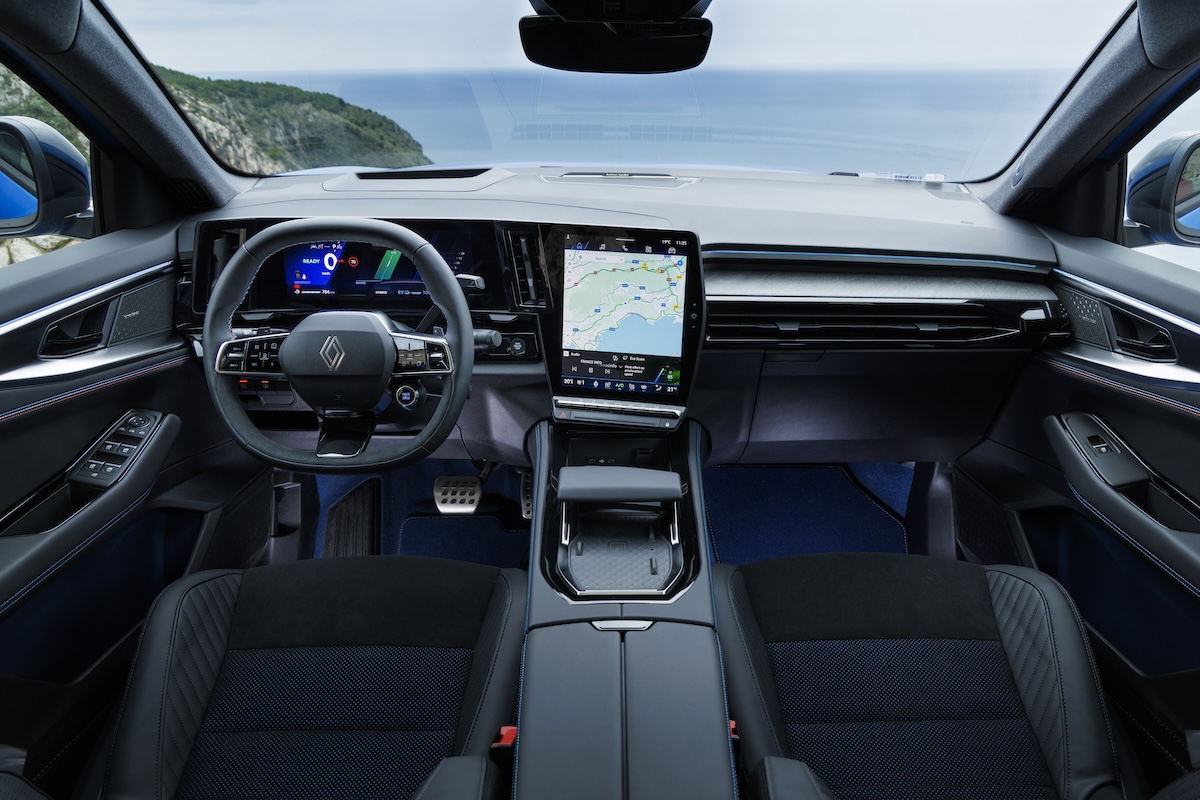
The Rafale and Qashqai both feature modern, well-equipped interiors befitting of family vehicles. The Rafale's 12-inch portrait touchscreen has an intuitive interface and seamless integration of Google services. Even base models are generously equipped with wireless charging, LED lights and parking sensors.
Higher trims add luxuries like a head-up display, heated seats and an impressive 'Solarbay' panoramic roof. The range-topping Atelier Alpine brings bespoke suspension tuning to the PHEV model for a more dynamic drive.
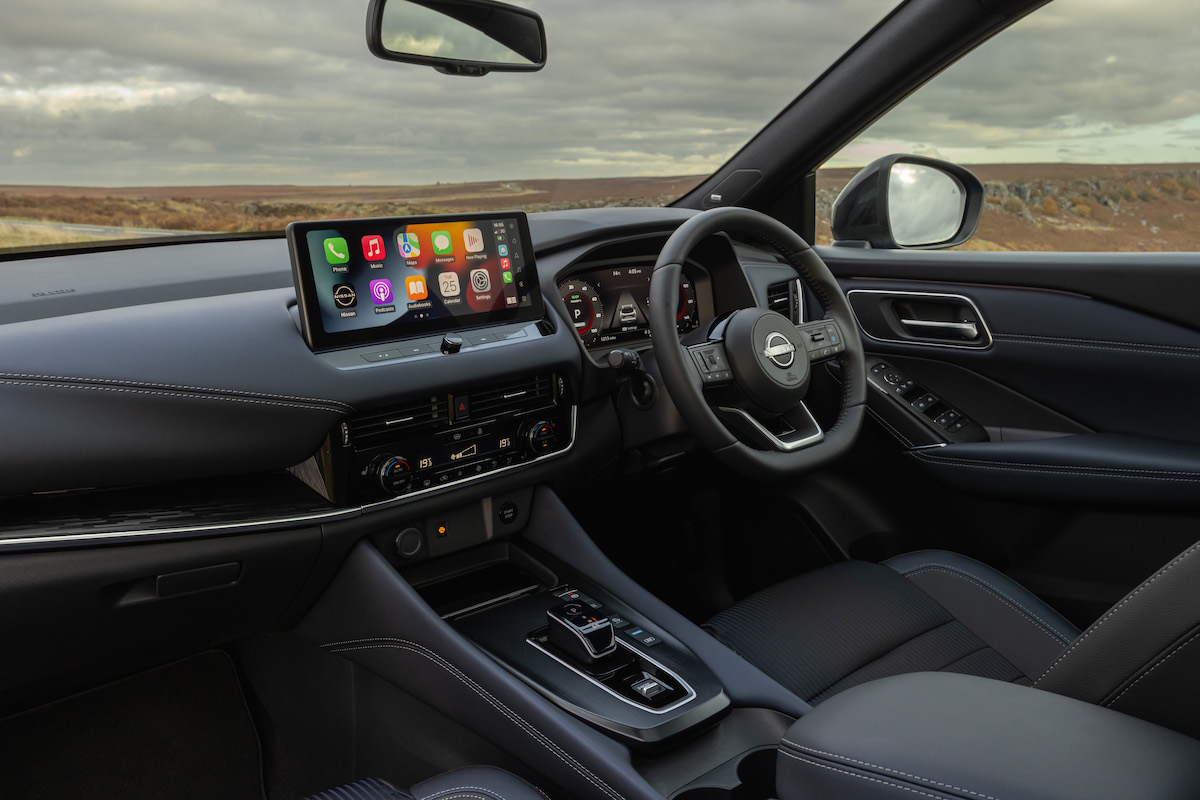
The Qashqai counters with its latest 12.3-inch infotainment system that offers crisper graphics, if a slightly busy menu layout. Equipment levels are strong too, with even lower-mid N-Connecta trim featuring dual-zone climate, ambient lighting and a surround-view camera.
While the Qashqai's tech and gadgets are user-friendly, the Rafale has a slight edge in perceived quality and premium ambience - especially in the higher, more lavishly-appointed trims.
Running Costs
As Renault's flagship SUV, the Rafale commands a premium price tag. Even the base model costs over £38,000, while the Atelier Alpine PHEV brushes against £50,000. That makes it more expensive than coupe-SUV alternatives like the Peugeot 408 and Citroen C5 X, though undercutting premium rivals from Audi, BMW and Mercedes.
The Qashqai is more affordable, with prices in line with mainstream competitors. Mild-hybrid petrol models achieve respectable 44mpg combined, though the E-Power struggles to match its 55mpg claim in real-world driving. Insurance and servicing costs are on the higher side for the electrified Rafale.
Overall, the Qashqai makes more sense for buyers on tighter budgets who want to minimise running costs. But the Rafale's premium pricing is justifiable if you desire a more stylish, dynamically-capable and tech-laden family hauler.
Verdict
The Renault Rafale and Nissan Qashqai both have plenty to offer family SUV buyers, but appeal to somewhat different priorities. The Rafale is the more stylish, premium choice with a focus on coupé-like design flair and engaging driving dynamics from its hybrid powertrains and sophisticated chassis tech. It's generously equipped too, especially in the higher trims.
However, the Rafale's sleeker profile compromises interior packaging slightly compared to the boxier, more spacious Qashqai. The Nissan offers one of the most family-friendly cabins in this class, along with straightforward driving manners and better value - especially if you stick to the lower-mid trims.
For buyers who can stretch to it, the Rafale's upscale vibe, punchy hybrid performance and driver engagement could justify the higher pricing. But for most family buyers, the well-rounded Qashqai remains one of the strongest all-rounders in this hotly-contested segment.