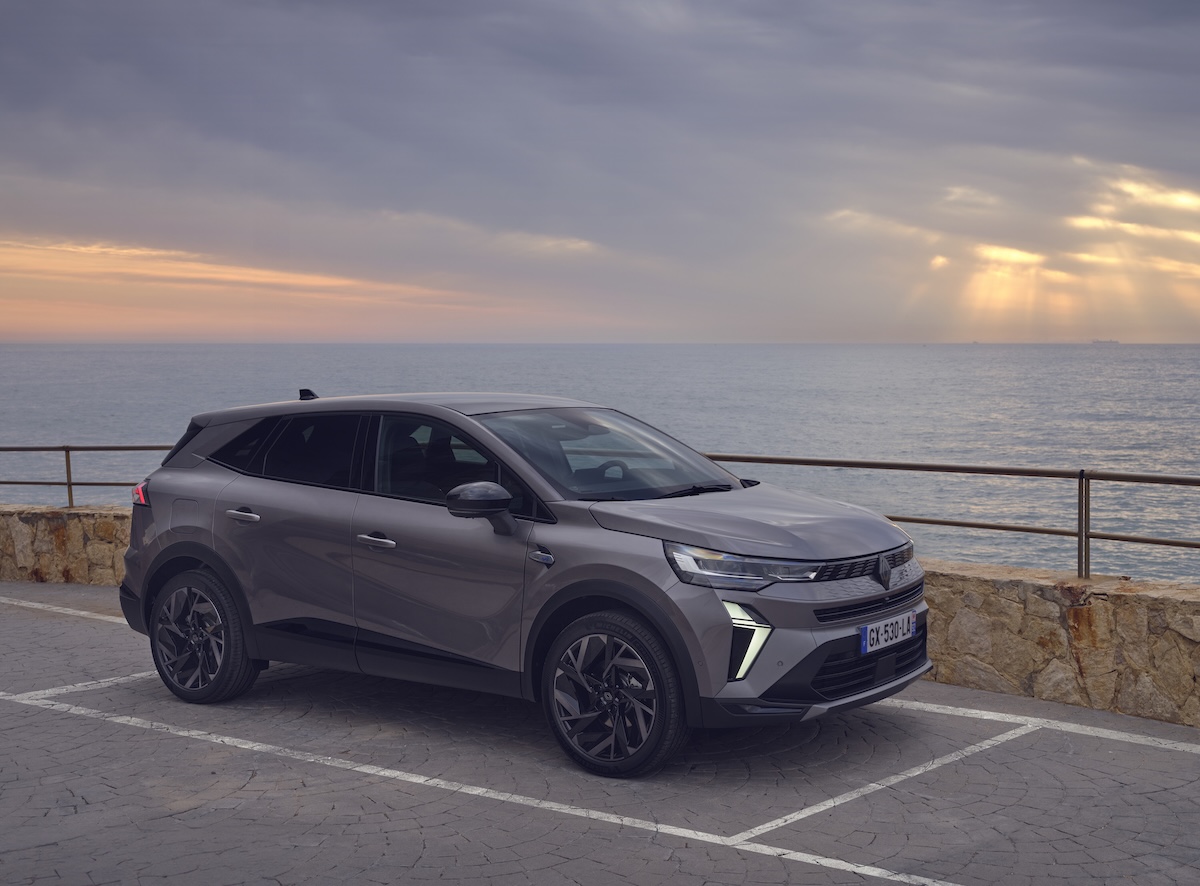
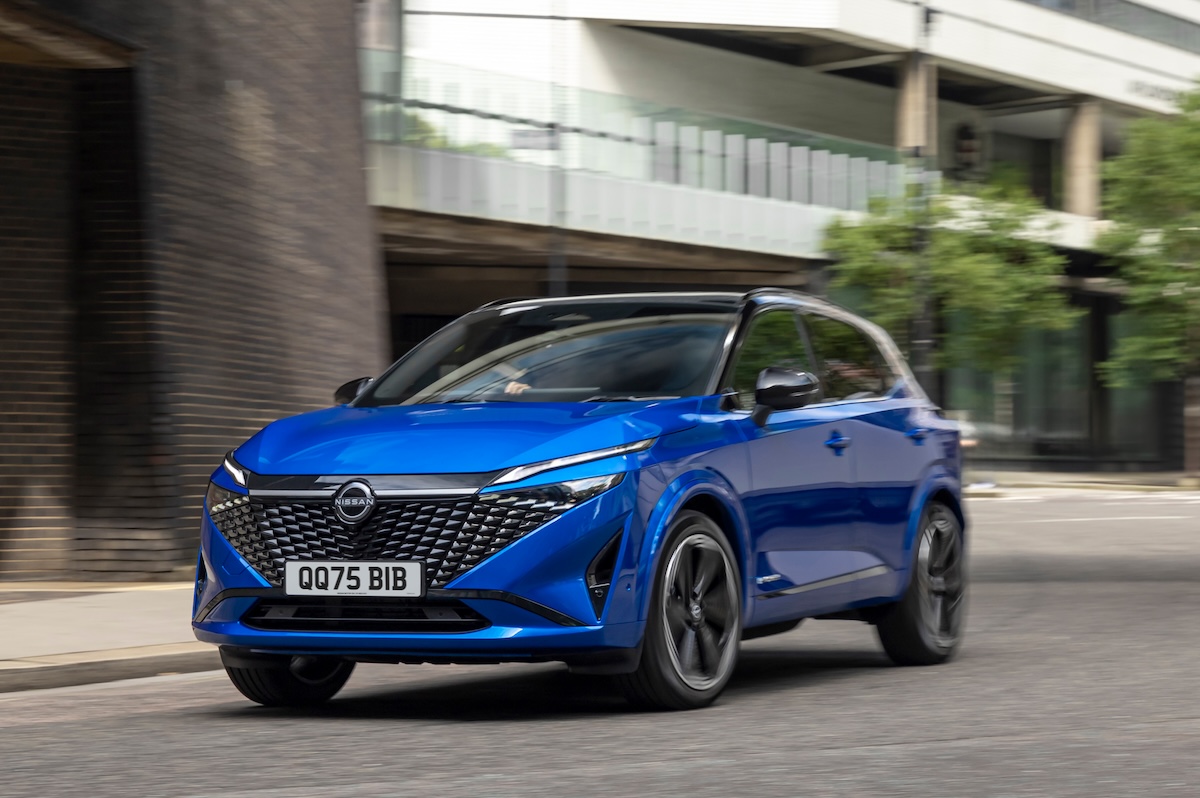
If you are looking for a practical family SUV, the crossover market is packed with options. Two strong choices are the Renault Symbioz and the Nissan Qashqai. The Qashqai is a familiar face, having essentially invented this class of car, while the Symbioz is a newer, stylish entrant that aims to offer a good blend of space and hybrid efficiency.
The Symbioz takes the footprint of a compact crossover and extends it to provide impressive boot space, coming with a full hybrid powertrain as standard. The Qashqai, meanwhile, continues to build on its winning formula with a roomy cabin, sharp looks, and the clever E-Power hybrid system that drives like an electric car. Both aim to make family life easier, but which one deserves a spot on your driveway?
Renault Symbioz vs Nissan Qashqai
Practicality
Renault Symbioz practicality score: 4/5
Nissan Qashqai practicality score: 4/5
Both of these crossovers are well-equipped to handle daily family duties. The Renault Symbioz offers a standard boot capacity of 492 litres, but its party trick is a sliding rear bench. Push the seats all the way forward, and space expands to an impressive 624 litres, though this does eat into rear legroom. It is worth noting that the Symbioz is a bit narrow, meaning three adults across the back seat will be a squeeze, but it is fine for three children.
The Nissan Qashqai is also a strong performer here. It offers up to 504 litres of boot space and features a clever variable-height floor that allows you to divide the load area in useful ways. While it lacks the sliding rear seats of the Renault, the Qashqai provides generous head and legroom for rear passengers, and the wider cabin makes it slightly more accommodating for adults in the back.
Driving Impressions
Renault Symbioz driving score: 3/5
Nissan Qashqai driving score: 4/5
The Renault Symbioz comes exclusively with a 145bhp full hybrid powertrain. It is at its best in urban environments, where it often runs on electric power and feels smooth. However, when you need to accelerate hard onto a motorway, the petrol engine can be quite vocal, and the transmission occasionally hesitates. The ride is a little firm at low speeds but smooths out nicely once you are going faster.
The Nissan Qashqai takes the lead for driving dynamics. It offers mild hybrid options, but the standout is the E-Power full hybrid. This system uses the petrol engine purely as a generator for the electric motor, meaning it drives with the smooth, unbroken acceleration of an electric car. It is refined, quiet, and effortless. The Qashqai also strikes a good balance between ride comfort and tidy handling, making it a reassuring and easy car to drive.
Technology and Equipment
Renault Symbioz technology and equipment score: 4/5
Nissan Qashqai technology and equipment score: 4/5
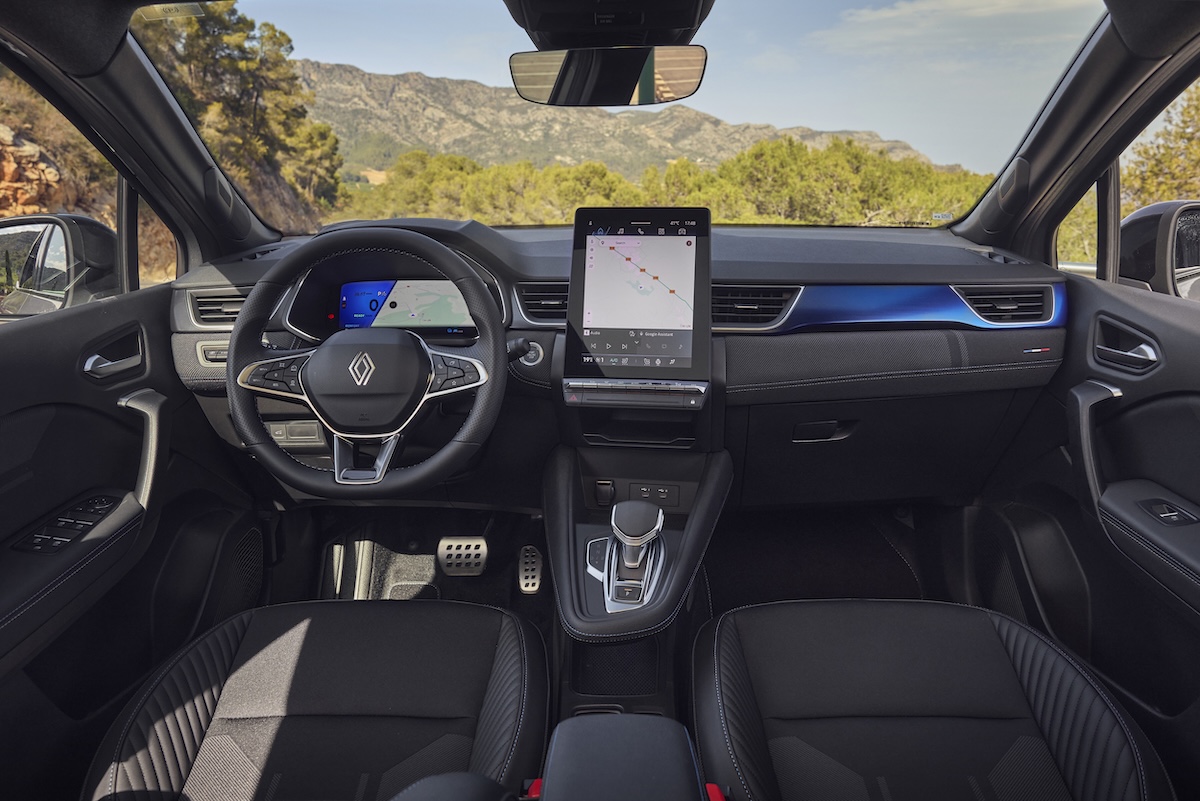
You get plenty of tech for your money with both cars. The Symbioz features a 10.4-inch portrait touchscreen with Google built-in, offering excellent voice recognition and mapping. Standard equipment is generous, but the experience is let down slightly by a low-resolution reversing camera that can be frustrating to use, especially at night.
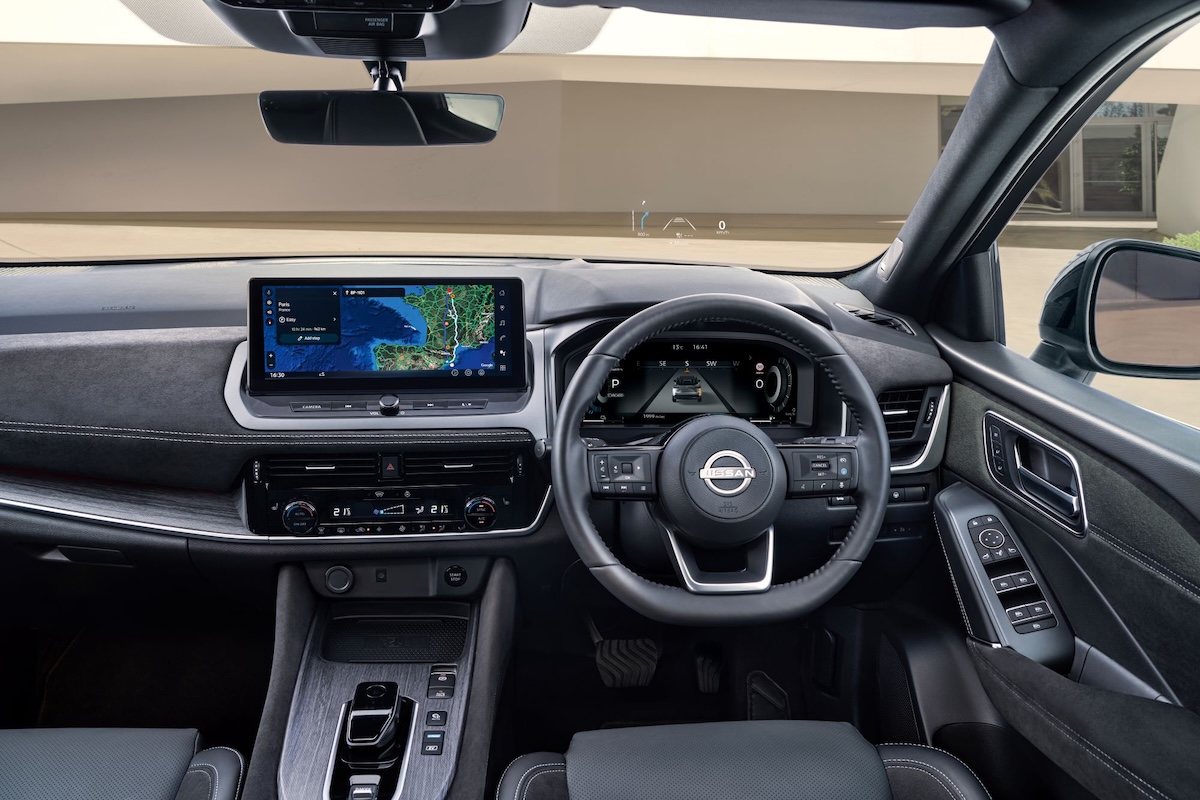
The Qashqai is equally well-equipped, featuring a sharp 12.3-inch touchscreen on most trims, with Google integration added as you move up the range. It includes Apple CarPlay and Android Auto, and the graphics are crisp, even if some menus are a bit fiddly. Higher-spec Tekna models add luxuries like a head-up display and a powered tailgate, though these trims do push the asking price up significantly.
Running Costs
Renault Symbioz running costs score: 4/5
Nissan Qashqai running costs score: 4/5
The Renault Symbioz represents good value, especially considering it comes with a full hybrid system as standard. In real-world driving, it returns around 48-50mpg, which is a solid result for a family SUV. Its starting price undercuts many full hybrid rivals, making it an appealing choice for budget-conscious buyers.
The Nissan Qashqai is also competitive. The mild-hybrid versions will return around 44mpg, while the E-Power model should see you achieving around 50mpg in daily use. The Qashqai benefits from strong residual values, which helps keep finance costs reasonable. Just be mindful of the top-spec Tekna+ trims, as their high list price can push them into the premium rate for road tax.
CarGurus Buyer Insights
|
Renault Symbioz |
Nissan Qashqai |
| CarGurus expert rating |
3 out of 5 |
4 out of 5 |
| CarGurus user rating |
0.0 out of 5 |
4.6 out of 5 |
| Percentage of good/great deals available on CarGurus* |
59.3% |
34.1% |
| Overall CarGurus rating |
3.9 out of 5 |
4.4 out of 5 |
The Verdict
Renault Symbioz Overall CarGurus rating: 3.9/5
Nissan Qashqai Overall CarGurus rating: 4.4/5
Both the Renault Symbioz and the Nissan Qashqai are capable family SUVs that offer low running costs and practical cabins. The Symbioz is a stylish and good-value option, particularly appealing if you want a full hybrid powertrain without the premium price tag. Its sliding rear seats add a welcome layer of versatility, too.
However, the Nissan Qashqai takes the win in this comparison. Reflected in its higher Overall CarGurus rating, it simply feels like a more complete package. The E-Power hybrid system is smoother and more refined than Renault's setup, and the Qashqai offers a more settled driving experience overall. Add in its wider, more accommodating cabin and excellent user reviews, and the Qashqai proves exactly why it remains a benchmark in the crossover class.
Renault Symbioz Pros and Cons
| Pros |
Cons |
| Standard full hybrid powertrain |
Some cheap-feeling interior materials |
| Generous equipment levels |
Petrol engine can be noisy |
| Big boot |
Some of the tech frustrates |
Nissan Qashqai Pros and Cons
| Pros |
Cons |
| Lots of clever tech |
No plug-in hybrid |
| Roomy and practical cabin |
Underwhelming performance of 1.3 mild hybrid |
| Stylish looks |
High-spec cars are pricey |
*The Overall CarGurus rating that informs these recommendations is based on CarGurus' proprietary market data from September 2025, CarGurus expert reviews, and CarGurus user reviews.
Read Our Full Reviews: