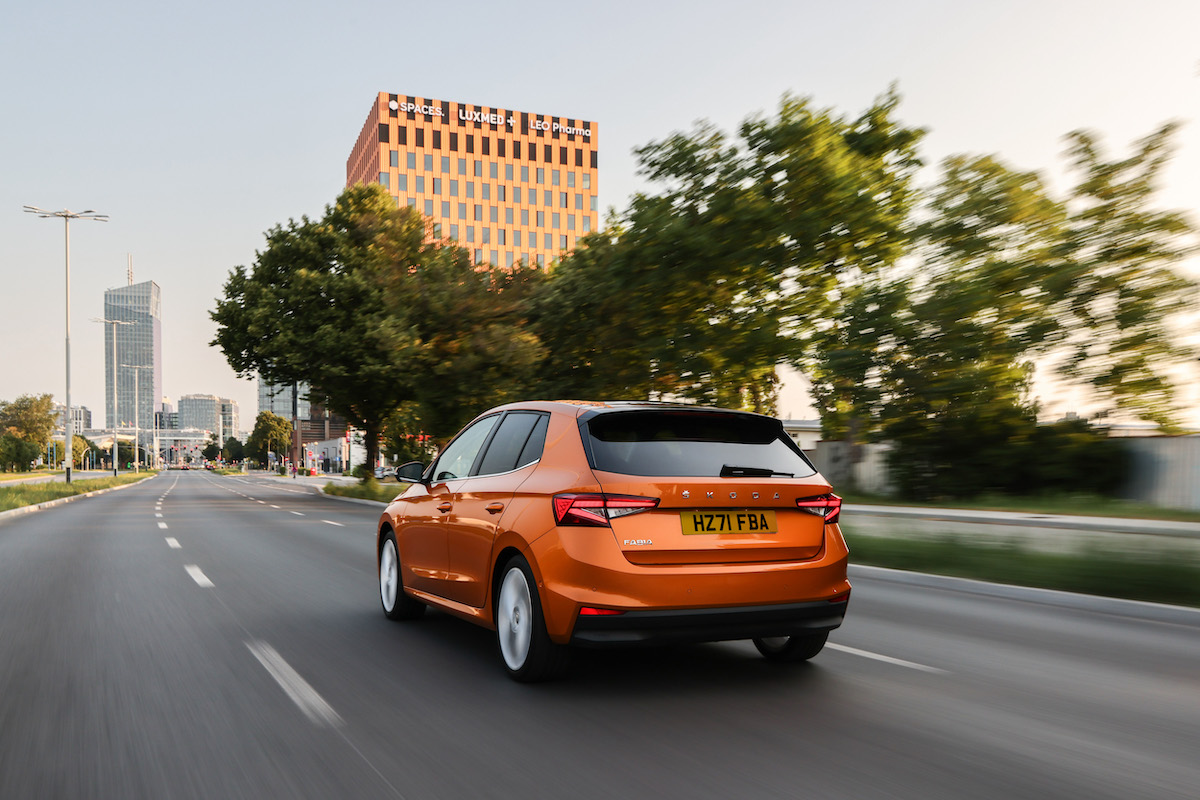
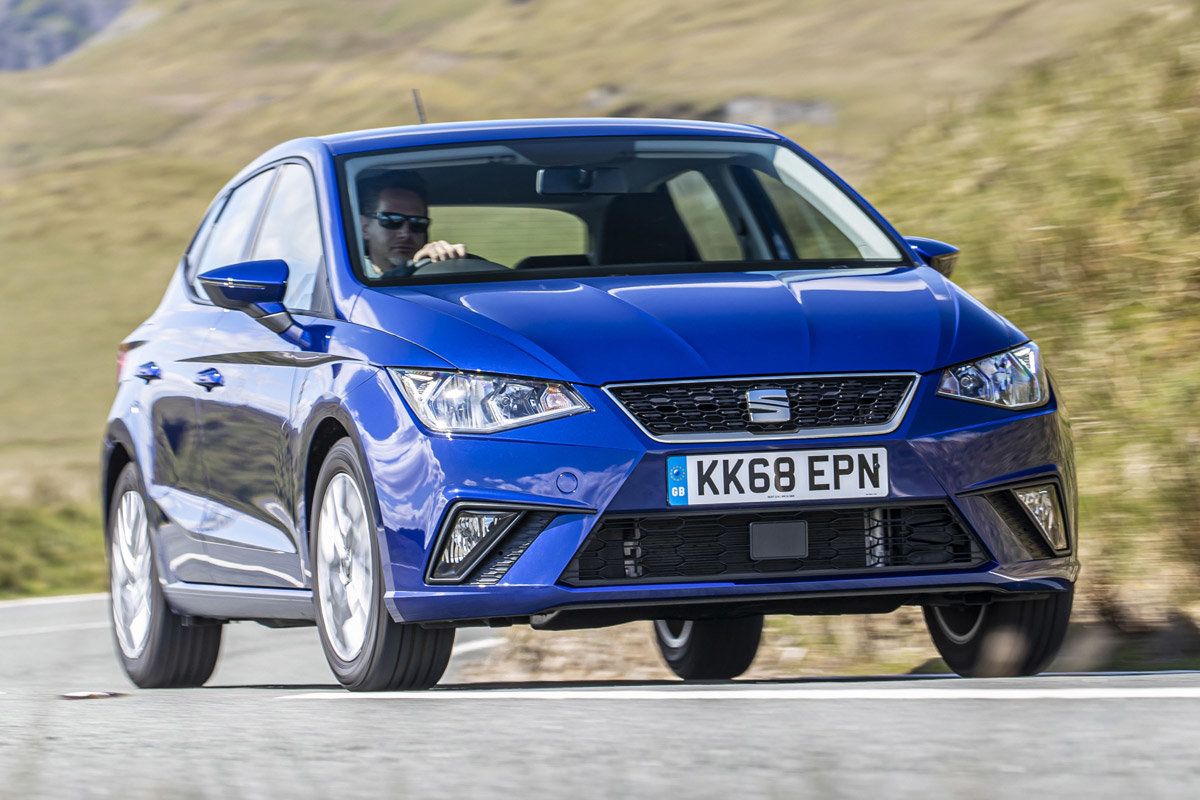
If you're looking for a small car that's big on talent, the Skoda Fabia and Seat Ibiza are two of the best options out there. They share a lot of their engineering, but each has been given its own distinct character.
The Fabia is all about practicality, offering a level of space that could embarrass some cars from the class above. The Ibiza, on the other hand, puts the emphasis on sharp styling and a more engaging driving experience. Both are packed with modern tech and efficient engines, but which of these talented siblings is the right supermini for you?
Skoda Fabia vs Seat Ibiza
Practicality
Skoda Fabia practicality score: 5/5
Seat Ibiza practicality score: 4/5
This is where the Fabia plays its trump card. For a supermini, the space on offer is remarkable. Its 380-litre boot isn't just big for the class; it's larger than what you'll find in a Volkswagen Golf or Ford Focus. That practicality extends to the cabin, where there's ample legroom and headroom for passengers in the front and back.
The Ibiza is by no means cramped. Its 355-litre boot is still a good size and perfectly usable for the weekly shop or a weekend away. There's enough space for four adults to sit in reasonable comfort, but it simply can't match the Fabia's class-leading dimensions. If you need to maximise every inch of space, the Skoda is the clear winner.
Driving Impressions
Skoda Fabia driving score: 4/5
Seat Ibiza driving score: 4/5
On the road, the different priorities of these two cars become clear. The Fabia is tuned for comfort, with suspension that does a good job of soaking up rough British roads. It's a quiet and relaxing car to drive, whether you're in town or on the motorway. The trade-off is a bit of body roll in the corners, and the steering, while light, doesn't offer a huge amount of feedback.
The Ibiza feels more agile and responsive. It's more composed on a twisty B-road and offers a slightly more connected feel for the driver, without sacrificing too much in the way of comfort. Neither car is a hot hatch, but if you enjoy driving, the Ibiza has a slight edge in engagement. For pure, easy-going comfort, the Fabia is hard to beat.
Technology and Equipment
Skoda Fabia technology and equipment score: 4/5
Seat Ibiza technology and equipment score: 4/5
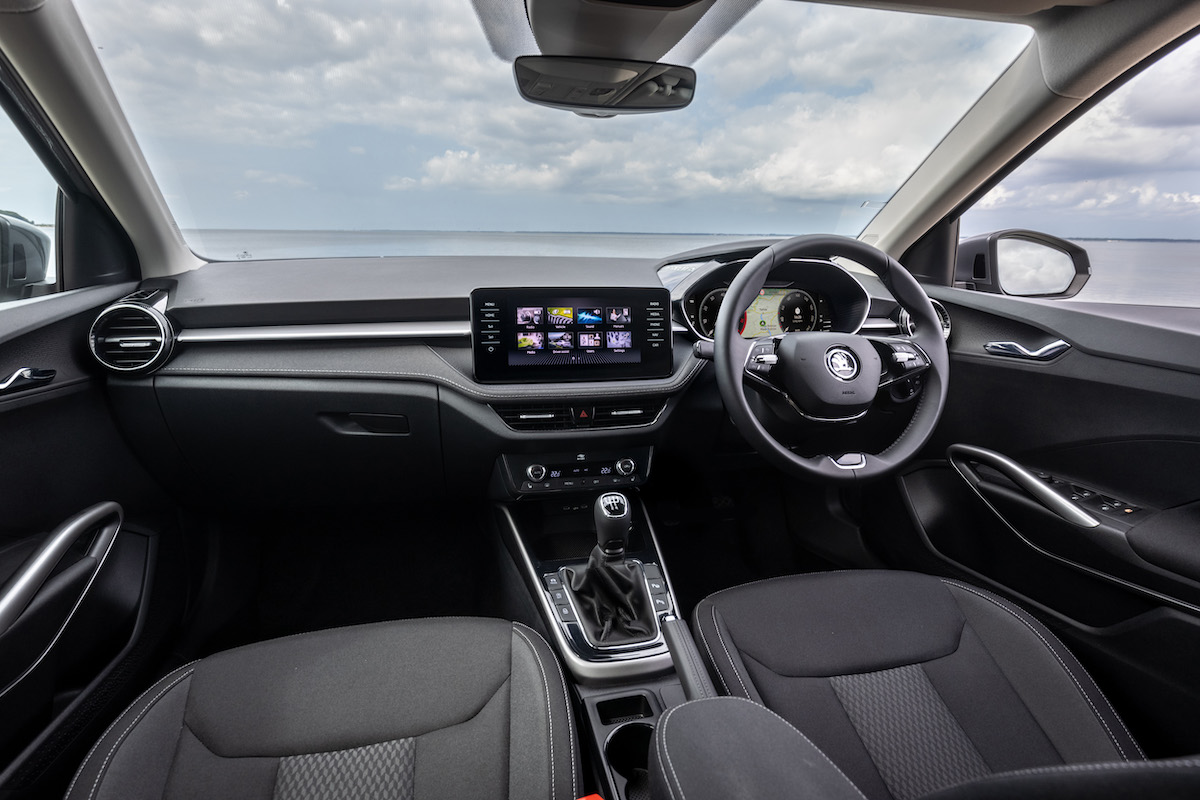
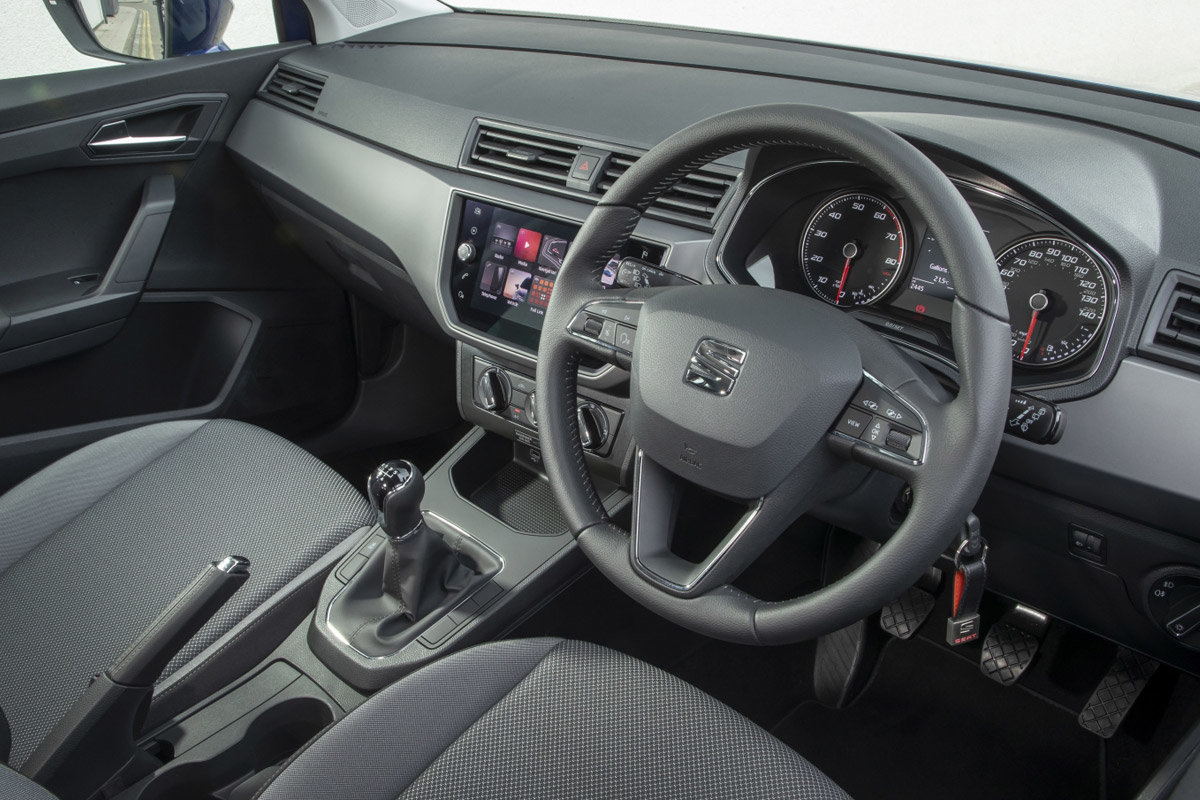
Both cars come well-equipped with modern technology. The Fabia's trim levels build logically, from the functional S model to the well-kitted SE L and sporty-looking Monte Carlo. Even entry-level cars get LED headlights and a 6.5-inch touchscreen with DAB radio and smartphone connectivity.
The Ibiza is also generous, with even the base SE model including alloy wheels, cruise control, and a colour infotainment system. Higher-spec versions of both cars add desirable features like larger touchscreens, digital driver's displays, and advanced safety kit. The infotainment systems in both are easy to use, with Apple CarPlay and Android Auto making it simple to connect your phone. There's little to separate them here; both offer a good level of tech for the money.
Running Costs
Skoda Fabia running costs score: 4/5
Seat Ibiza running costs score: 4/5
As you'd expect from modern superminis, both the Fabia and Ibiza are affordable to run. The engine ranges are dominated by small, efficient turbocharged petrol units. In the Fabia, you can expect to see fuel economy in the low-to-mid 50s mpg, depending on the engine.
The Ibiza posts similar figures, with its most efficient 1.0-litre TSI engine also returning over 50mpg. With low CO2 emissions and modest insurance group ratings, neither car will break the bank. Both are based on proven Volkswagen Group parts, so maintenance should be straightforward and reasonably priced.
CarGurus Buyer Insights
|
Skoda Fabia |
Seat Ibiza |
| CarGurus expert rating |
4 out of 5 |
4 out of 5 |
| CarGurus user rating |
4.7 out of 5 |
5.0 out of 5 |
| Percentage of good/great deals available on CarGurus* |
33.1% |
33.8% |
| Overall CarGurus rating |
4.5 out of 5 |
4.5 out of 5 |
The Verdict
Skoda Fabia Overall CarGurus rating: 4.5/5
Seat Ibiza Overall CarGurus rating: 4.5/5
This is an incredibly close contest between two capable superminis. Both cars achieve an identical Overall CarGurus rating of 4.5 out of 5, making this a genuine tie based on our comprehensive CarGurus Buyer Insights. The Ibiza edges ahead on user ratings with a perfect 5.0 out of 5 score, while the Fabia has a slight advantage in the percentage of good deals available.
With scores this close, your choice should come down to priorities. The Seat Ibiza is stylish, good to drive, and has earned outstanding feedback from owners. It's a sophisticated small car that feels grown-up and is easy to live with. If sharp looks and an engaging driving experience matter most to you, the Ibiza is an excellent choice.
However, if practicality is your priority, the Skoda Fabia is hard to overlook. The sheer amount of passenger and boot space it offers is unmatched in this class, making it a genuinely viable option for a small family. Its comfortable ride and sensible nature make it a brilliant all-rounder. In a contest this tight, both cars deserve recognition as winners in their own right.
Skoda Fabia Pros and Cons
| Pros |
Cons |
| Class-leading boot space |
Not as sharp to drive as rivals |
| Roomy and comfortable cabin |
Base models are quite basic |
| Refined and comfortable ride |
Some road noise on the motorway |
Seat Ibiza Pros and Cons
| Pros |
Cons |
| Sharp and stylish looks |
Boot is smaller than the Fabia's |
| Engaging and agile handling |
Rear passenger space is tighter |
| Generous standard equipment |
Ride can be firm on larger wheels |
*The Overall CarGurus rating that informs these recommendations is based on CarGurus' proprietary market data from September 2026, CarGurus expert reviews, and CarGurus user reviews.
Read Our Full Reviews: