
If you’re looking for a sensible, stylish and affordable family hatchback, the Volkswagen Group offers two of the best options on the market. The Skoda Scala and the Seat Leon share many parts under the skin, but they’re aimed at slightly different buyers.
The Scala is Skoda’s answer to the Ford Focus and Vauxhall Astra, but it majors on practicality, offering space that rivals cars from the class above. The Leon, meanwhile, has always had a sportier flavour, with sharp styling and an engaging driving experience. Both offer efficient engines and modern tech, so which one is the right fit for you?
Skoda Scala vs Seat Leon
- Practicality
- Driving Impressions
- Technology and Equipment
- Running Costs
- CarGurus Buyer Insights
- Verdict


Practicality
Skoda Scala practicality score: 5/5
Seat Leon practicality score: 4/5
This is where the Skoda Scala plays its trump card. Despite being a similar size to the Leon on the outside, its interior space is on another level. Rear-seat passengers get an abundance of legroom and headroom, and the boot is enormous for this class of car at 467 litres. It’s a car that genuinely makes you question whether you need a larger SUV.
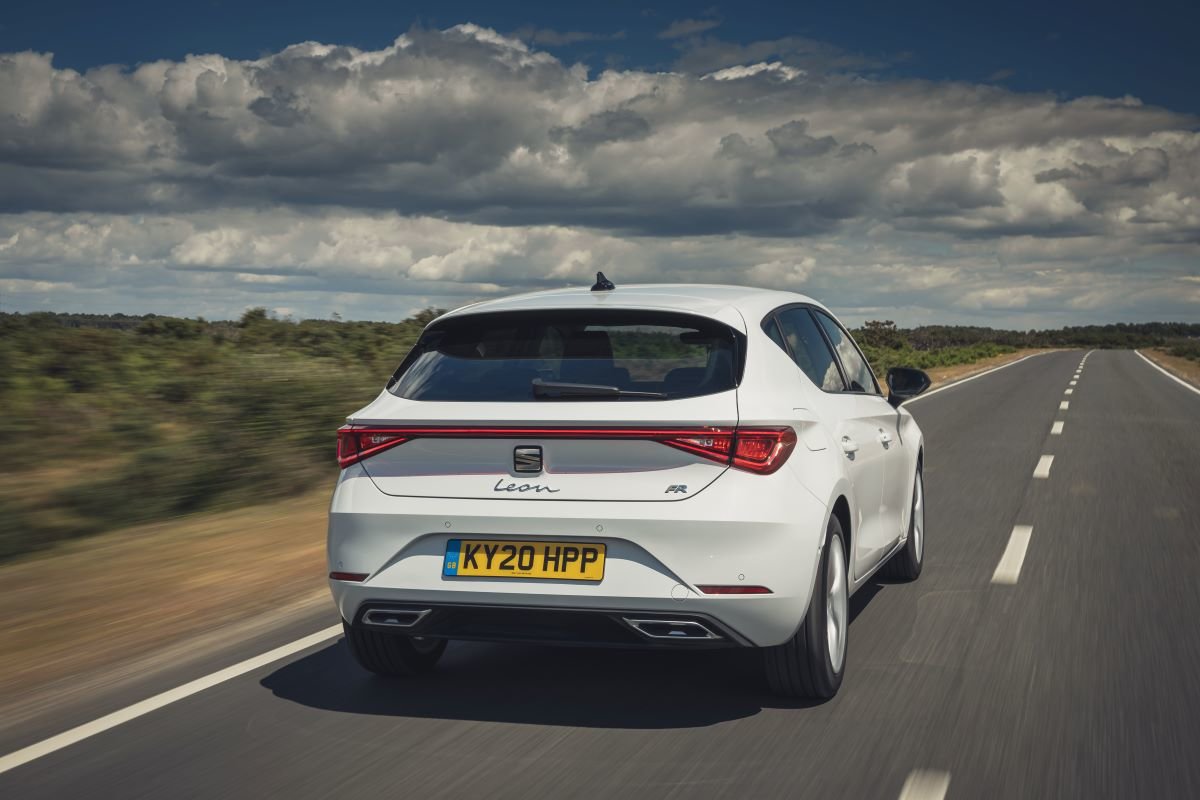
The Seat Leon is by no means cramped. It offers enough space for a small family, and adults will be comfortable enough in the back for shorter journeys. Its 380-litre boot is about average for the class, matching the Volkswagen Golf. It’s a perfectly practical car, but if maximum space for people and luggage is your top priority, the Scala is the clear winner in this category.
Driving Impressions
Skoda Scala driving score: 3/5
Seat Leon driving score: 4/5
The different priorities of these two cars are most obvious from behind the wheel. The Scala is set up for comfort and ease of use. The steering is light, the ride is generally smooth, and it’s a quiet and relaxing car to drive around town or on the motorway. It does everything you ask of it safely and predictably, but it’s not a car that will excite a keen driver.
The Seat Leon offers a much more engaging experience. The steering is sharper, the suspension is firmer (though still comfortable enough), and it feels more agile and willing on a twisty B-road. It strikes a great balance between everyday comfort and weekend fun. The availability of more powerful engines and a plug-in hybrid also gives the Leon a broader appeal for those who want a bit more performance.
Technology and Equipment
Skoda Scala technology and equipment score: 4/5
Seat Leon technology and equipment score: 4/5
Being part of the same family, the Scala and Leon share a lot of technology, and both are well-equipped. The Scala comes with a slick touchscreen infotainment system (up to 9.2 inches on higher trims), a digital driver’s display on most models, and plenty of safety kit as standard. It’s all logical and easy to use.
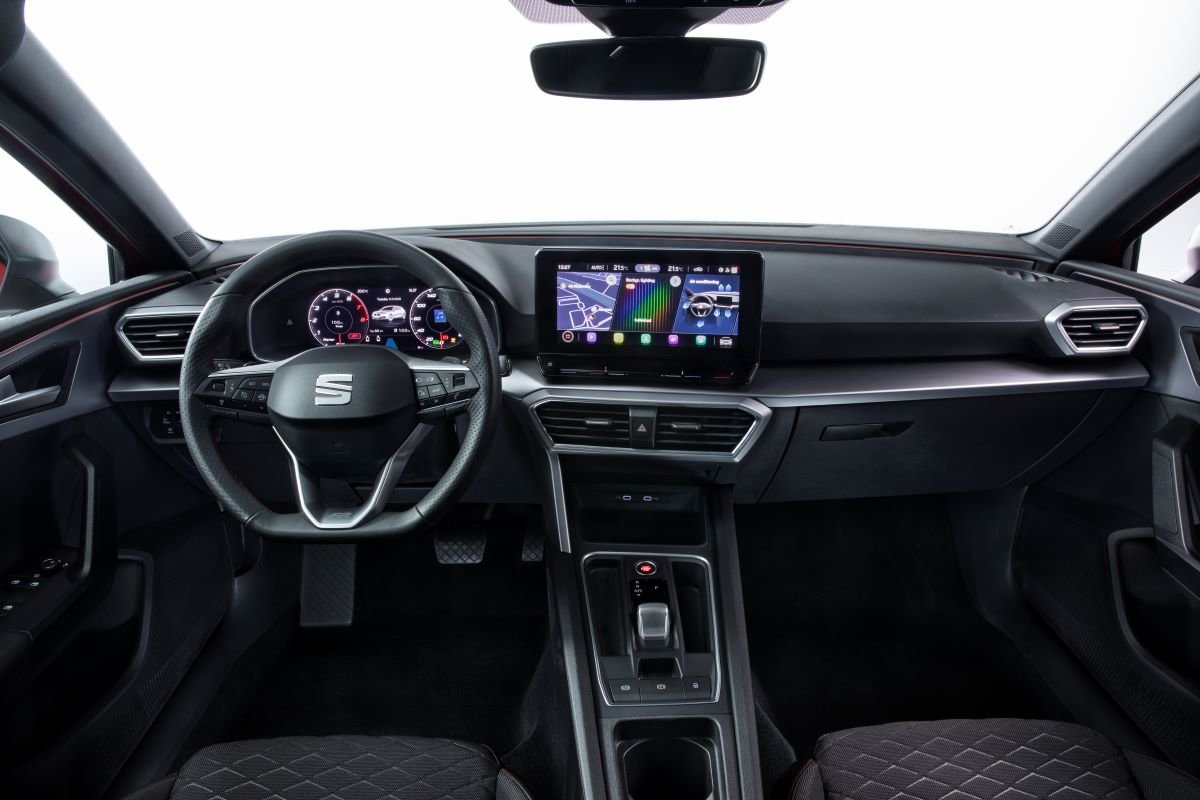
The Leon goes for a more minimalist, high-tech look, with a large central touchscreen (up to 10 inches) controlling almost everything, including the climate functions. While it looks smart, it can be a bit more distracting to use on the move than the Scala’s more conventional layout. Both cars get Apple CarPlay and Android Auto, and you can specify high-end features like adaptive cruise control and matrix LED headlights. It’s a dead heat here, with the choice coming down to whether you prefer the Leon’s slick design or the Scala’s user-friendly ergonomics.
Running Costs
Skoda Scala running costs score: 5/5
Seat Leon running costs score: 4/5
Both of these hatchbacks are designed to be affordable to run. They use a range of small, efficient turbocharged petrol engines that deliver good fuel economy, with most owners seeing well over 40mpg in everyday driving. Insurance and servicing costs are also competitive for both models.
The Scala’s focus on smaller, less powerful engines gives it a slight edge on outright fuel efficiency and a lower entry price. The Leon, however, offers a wider range of powertrains, including mild-hybrid technology and a plug-in hybrid (PHEV) version. The PHEV can travel for more than 30 miles on electricity alone, which could slash running costs for drivers who can charge at home and have a short commute. For most buyers, however, the Scala’s simple, efficient petrol engines make it a slightly more frugal choice.
CarGurus Buyer Insights
| Skoda Scala | Seat Leon | |
|---|---|---|
| CarGurus expert rating | 4 out of 5 | 4 out of 5 |
| CarGurus user rating | 0.0 out of 5 | 4.9 out of 5 |
| Percentage of good/great deals available on CarGurus* | 34.1% | 31.1% |
| Overall CarGurus rating | 4.0 out of 5 | 4.5 out of 5 |
The Verdict
Skoda Scala Overall CarGurus rating: 4.0/5
Seat Leon Overall CarGurus rating: 4.5/5
This is a battle of head versus heart, and both cars make a compelling case. The Skoda Scala is arguably the most sensible and practical car in its class. Its vast interior and boot, combined with low running costs and user-friendly tech, make it an outstanding choice for families who prioritise space and value above all else.
However, our Overall CarGurus rating gives the win to the Seat Leon. While it can’t match the Scala’s outright practicality, it’s still a spacious and usable family car. Crucially, it adds a layer of style and driving enjoyment that the Scala can’t quite match. With strong user reviews and a wider range of powertrain options, the Leon feels like the more complete package. If you want a family hatchback that’s great to drive, stylish to look at, and still does the practical stuff well, the Seat Leon is our winner.
Skoda Scala Pros and Cons
| Pros | Cons |
|---|---|
| Huge boot and rear passenger space | Unexciting to drive |
| Comfortable and easy to live with | Plain interior design |
| Excellent value for money | Limited engine choice |
Seat Leon Pros and Cons
| Pros | Cons |
|---|---|
| Sharp handling and fun to drive | Less practical than the Scala |
| Stylish exterior and interior design | Fiddly touchscreen climate controls |
| Wide range of engine options | Firmer ride than some rivals |
*The Overall CarGurus rating: that informs these recommendations is based on CarGurus' proprietary market data from January 2026, CarGurus expert reviews, and CarGurus user reviews.