
If you're in the market for a premium electric SUV, two of the most talked-about options are the Tesla Model Y and the Polestar 3. The Model Y has become a dominant force in the EV world, offering a compelling blend of space, technology, and access to Tesla's renowned Supercharger network.
The Polestar 3, on the other hand, is the stylish newcomer. It arrives with a focus on Scandinavian design, a luxurious interior, and a promise of a more refined driving experience. Both are packed with power and promise a long electric range, but they go about their business in different ways. Which one is the right fit for you?
Tesla Model Y vs Polestar 3
- Practicality
- Driving Impressions
- Technology and Equipment
- Running Costs
- CarGurus Buyer Insights
- Verdict
Practicality
Tesla Model Y practicality score: 4/5
Polestar 3 practicality score: 4/5
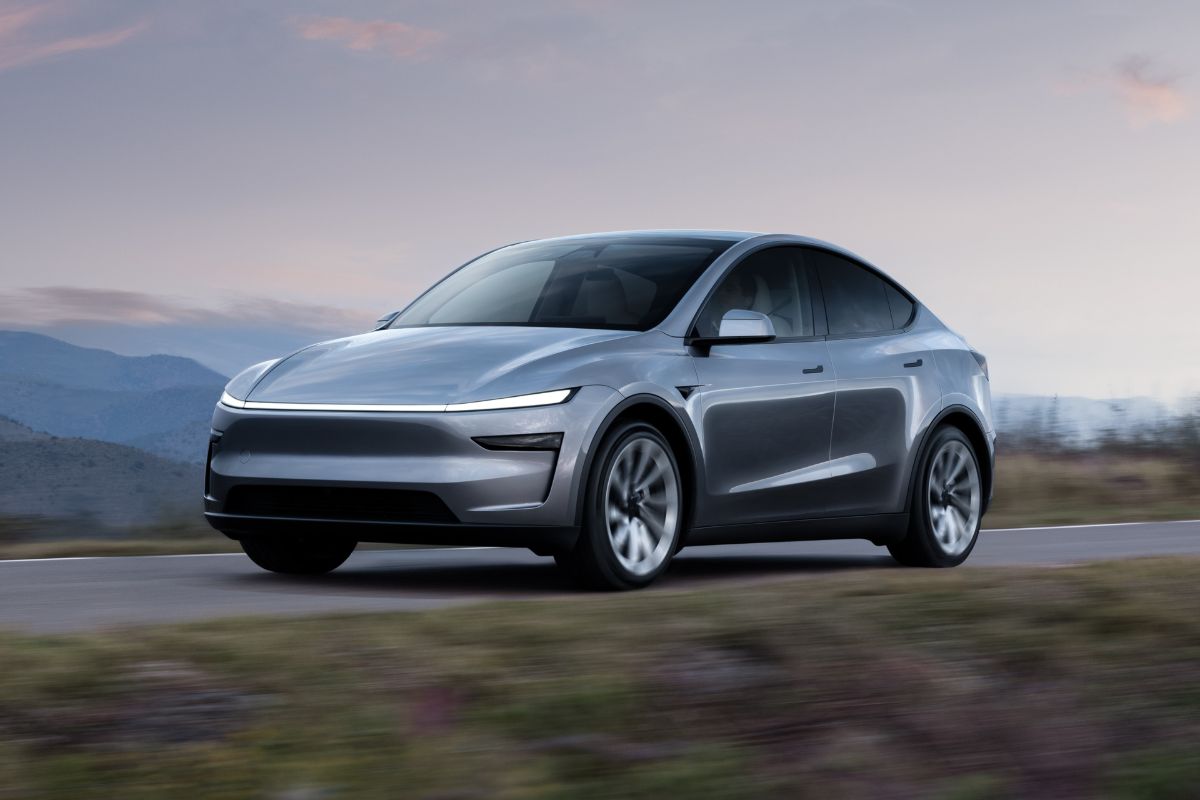
Space is a key selling point for any SUV, and both of these cars deliver. The Tesla Model Y is a master of packaging, with a vast 854-litre boot, which expands to over 2,000 litres with the rear seats down. Add in the useful 117-litre ‘frunk’ (front trunk) for storing charging cables, and you have one of the most practical cars in its class. The flat floor and panoramic glass roof create a spacious feel for all passengers.
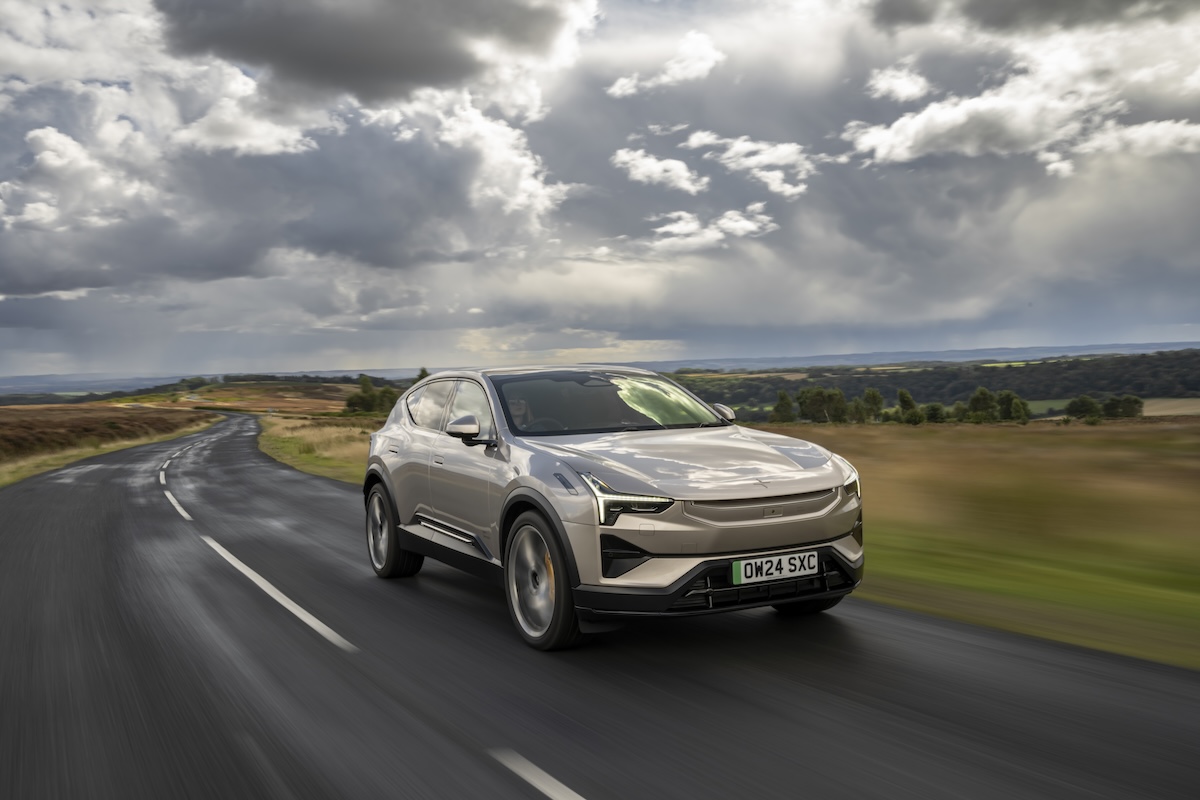
The Polestar 3 is also a large car, but its sleeker, more coupe-like roofline means it gives a little away to the Tesla in outright boot capacity, offering 484 litres. It also has a small frunk, but it's not as generous as the Model Y's. Passenger space is good, with a high-quality feel throughout the cabin, though the Polestar is strictly a five-seater, whereas some versions of the Model Y can be specified with a third row of seats suitable for children.
Driving Impressions
Tesla Model Y driving score: 4/5
Polestar 3 driving score: 3/5
The driving experience is where these two cars really show their different characters. The Tesla Model Y is known for its startlingly quick acceleration and sharp, responsive steering. It feels more like a sports saloon than a tall SUV on a twisty road. The trade-off for this agility is a ride that can feel quite firm, particularly on broken UK road surfaces.
The Polestar 3 aims for a more relaxed, premium feel. It comes with sophisticated air suspension as standard, which does a good job of smoothing out bumps and creating a quiet, comfortable environment. It's still a quick car, with plenty of power for effortless overtaking, but it prioritises comfort and refinement over the outright sportiness of the Model Y.
Technology and Equipment
Tesla Model Y technology and equipment score: 4/5
Polestar 3 technology and equipment score: 2/5
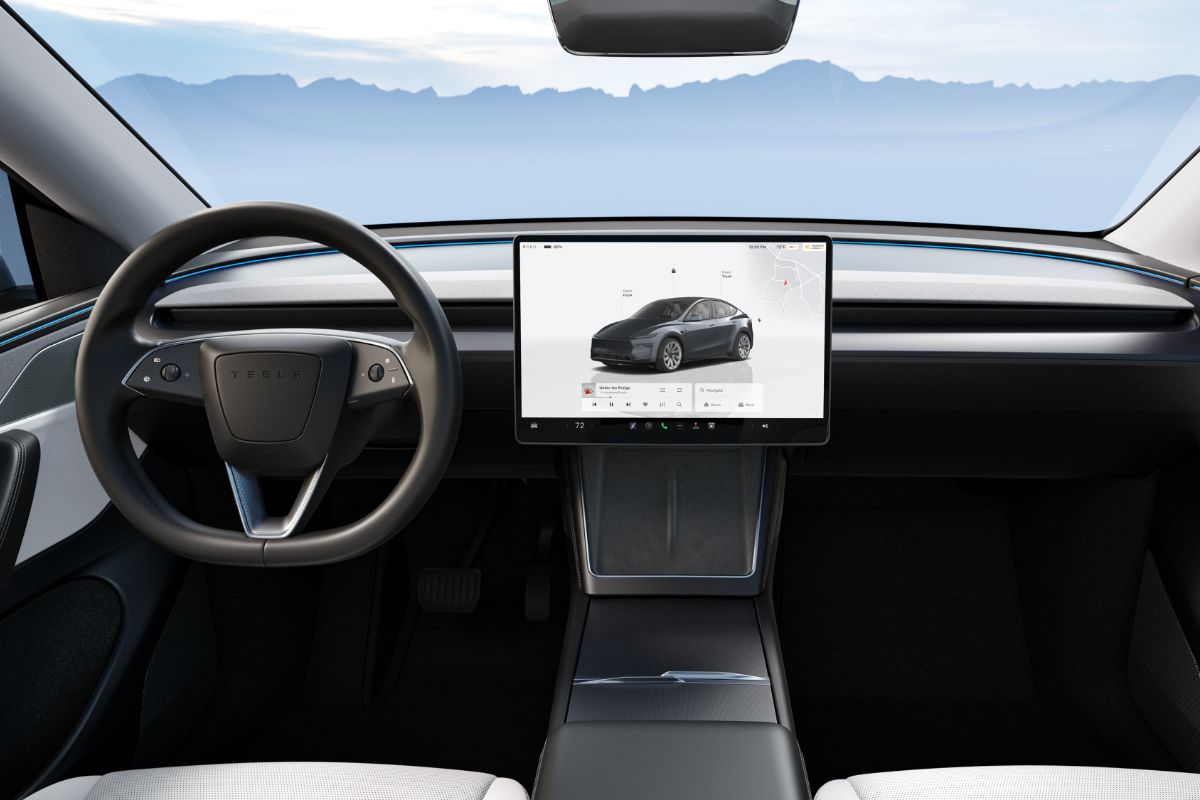
Tesla's minimalist approach is front and centre in the Model Y. Almost every function is controlled via the huge 15-inch central touchscreen. It’s a slick and responsive system, but the lack of physical buttons for simple tasks like adjusting the wipers can be distracting. A notable omission is the lack of Apple CarPlay or Android Auto, as Tesla prefers you to use its own built-in system.
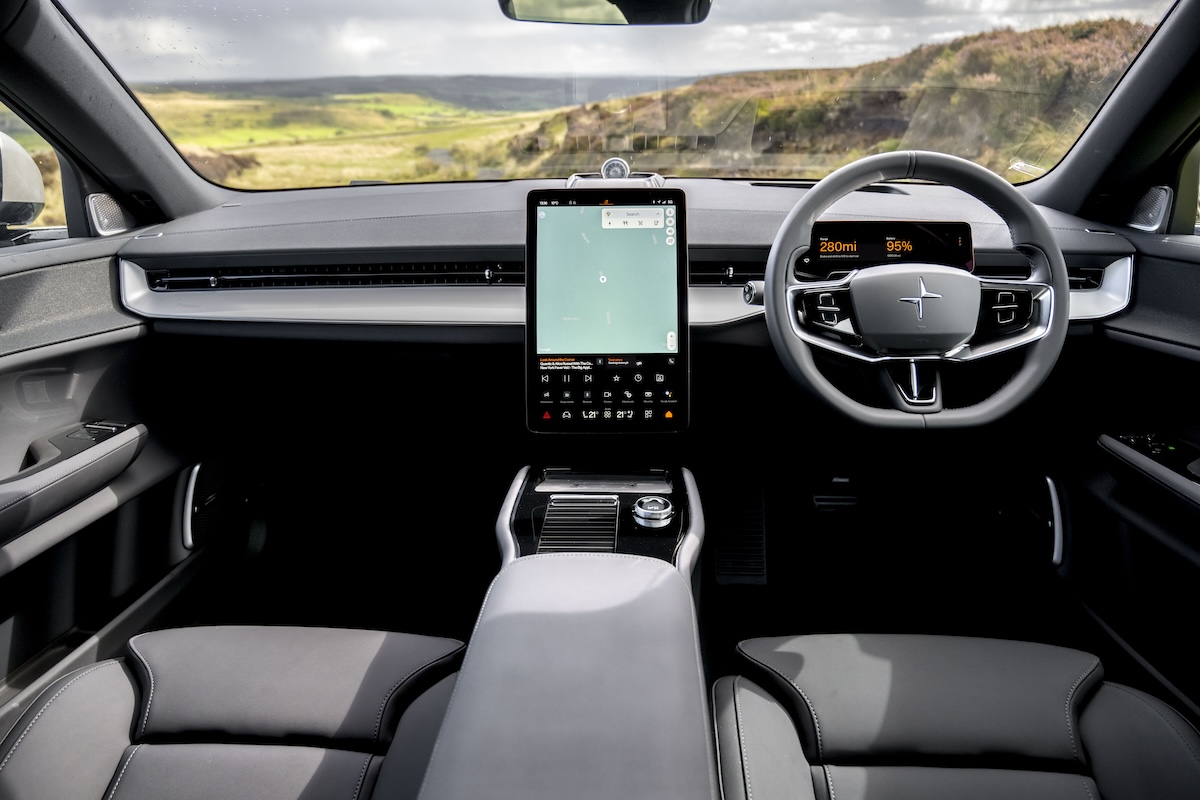
The Polestar 3 takes a different route, using a large portrait-style touchscreen powered by Google's Android Automotive OS. This means it has Google Maps and Google Assistant built-in, which work seamlessly. It also supports Apple CarPlay. The system is intuitive, and while it's still screen-heavy, it feels a bit more conventional than the Tesla's setup. Both cars are generously equipped as standard.
Running Costs
Tesla Model Y running costs score: 5/5
Polestar 3 running costs score: 3/5
For any EV owner, charging is a major consideration, and this is where Tesla has a significant advantage. Owning a Model Y gives you access to the brand's Supercharger network. It's famously reliable, fast, and easy to use, taking much of the stress out of long-distance electric driving. The Model Y is also one of the more efficient EVs of its size, helping to keep electricity bills down.
The Polestar 3 relies on the public charging network, such as Ionity, Gridserve, and others. While this network is constantly improving, it can be less consistent in terms of reliability and pricing than the Tesla network. The Polestar 3 is also a more expensive car to buy in the first place, which contributes to its higher overall running costs.
CarGurus Buyer Insights
| Tesla Model Y Review (2022-present) | Polestar 3 Review (2024-present) | |
|---|---|---|
| CarGurus expert rating | 4 out of 5 | 3 out of 5 |
| CarGurus user rating | 4.3 out of 5 | 0.0 out of 5 |
| Percentage of good/great deals available on CarGurus* | 33.9% | 35.7% |
| Overall CarGurus rating | 4.4 out of 5 | 3.6 out of 5 |
The Verdict
Tesla Model Y Overall CarGurus rating: 4.4/5
Polestar 3 Overall CarGurus rating: 3.6/5
While the Polestar 3 makes a strong case for itself with its stunning design and comfortable ride, the Tesla Model Y is the winner of this comparison. Our Overall CarGurus rating places it comfortably ahead, and it's easy to see why.
The Model Y offers a combination of practicality, performance, and efficiency that is hard to argue with. However, its real trump card is the Supercharger network, which remains a key advantage for real-world usability. It’s a hugely capable all-rounder that excels at being a family-friendly electric car.
The Polestar 3 is a desirable and luxurious alternative. If you value design and interior quality above all else, and prefer a more comfortable and relaxed driving experience, it is an appealing choice. But for the majority of buyers, the Tesla’s lower running costs, superior practicality, and charging convenience make it the more complete and sensible package.
Tesla Model Y Pros and Cons
| Pros | Cons |
|---|---|
| Access to Supercharger network | Firm ride can be tiring |
| Huge boot and 'frunk' | Minimalist interior isn't for everyone |
| Strong performance and handling | No Apple CarPlay or Android Auto |
Polestar 3 Pros and Cons
| Pros | Cons |
|---|---|
| Striking exterior and interior design | Higher purchase price |
| Standard air suspension provides a comfortable ride | Less overall boot space than the Tesla |
| Excellent Google-based infotainment system | Relies on the public charging network |
*The Overall CarGurus rating: that informs these recommendations is based on CarGurus' proprietary market data from January 2026, CarGurus expert reviews, and CarGurus user reviews.