The Prius may not appear to be the most exciting car ever launched by Toyota, but it is unquestionably one of its most important. For starters, its debut in 1997 marked the arrival of the first mass-produced hybrid car. It also actively demonstrated and promoted the environmental and efficiency benefits of such technology, which led to countless other manufacturers following Toyota down the hybrid path.
While no rival hybrid has subsequently made as much of a mark as the Prius, it’s still a car that is frequently overlooked or easily dismissed by many, often as a result of its styling, or its lack of obvious enthusiast appeal.
There is much that is worth knowing about the Prius, however, ranging from its elegantly engineered hybrid system to how it has evolved over time. Want to find out more? Read on for our quick guide to the various Prius models of past and present, arguably the most important line of petrol-electric cars in history, and the pride of Japan.
Toyota Prius Generations
- Frequently Asked Questions
- Toyota Prius Pros and Cons
- Toyota Prius Mk5 (2024-present)
- Toyota Prius Mk4 (2015-2022)
- Toyota Prius Mk3 (2009-2015)
- Toyota Prius Mk2 (2003-2009)
- Toyota Prius Mk1 (1997-2003)
Frequently Asked Questions
Which Toyota Prius years are the best?
We can't say that the latest Prius is the best until we've actually driven it, so until we do, we'll have to declare the previous mk4 as the one you want, as it was an upgrade on its predecessor in every way. That said, the mk2 is the one that saw the Prius's level of success go truly stratospheric, making it a watershed moment in the lineage, and you still see a good amount of them rolling around today, many of them used as taxis due to their incredible reliability and low running costs.
Which Toyota Prius years are the worst?
The mk1 may have been a trailblazer in its day, but it's too old and too basic these days to satisfy the needs and desires of modern drivers.
Is a used Toyota Prius a good deal?
Very much so. If looked after, it's a car that'll pretty much go forever, and will cost you peanuts to run.
Toyota Prius Pros and Cons
Pros:
- Super-low running costs
- Fabulous reliability record
- A proper environmental icon
Cons:
- Not very exciting on the road
- Interiors felt solid rather than plush
- Most had slightly gawky looks
Toyota Prius Mk5 (2024-present)
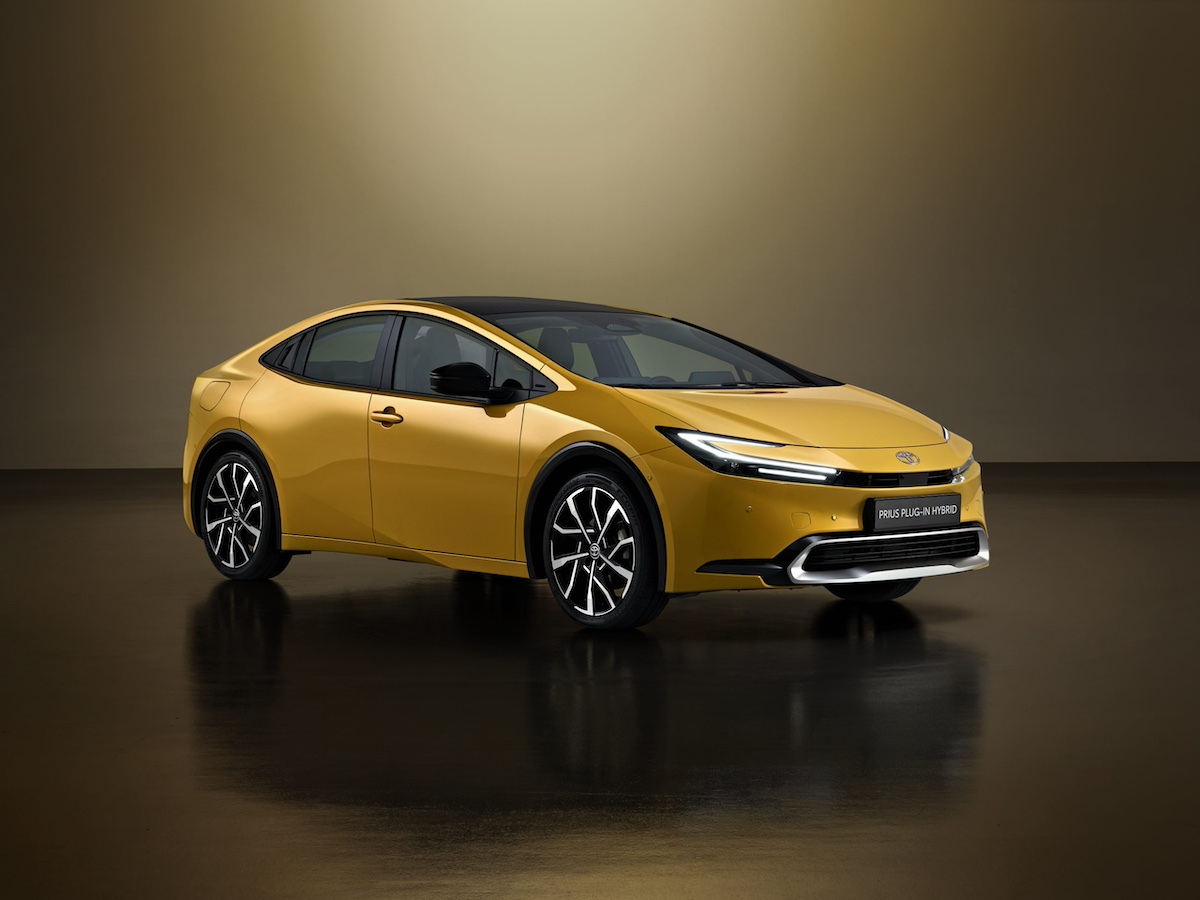
The Mk5 Prius is a car that very nearly didn’t happen, in the UK at least. You see, when the fourth-generation car went off sale in 2022, and other international markets were given an all fifth-generation model, Toyota GB chose not to offer the Mk5 Prius in the UK.
Why not, you may ask, especially when the car had been so successful over the years, becoming a symbolic figurehead for environmentally conscious motoring in the process? Well, the fact is that Toyota offers the same self-charging hybrid technology in the vast majority of its passenger cars these days, and as a result, it was felt that the dear-old Prius had lost its USP somewhat. And, what with UK car buyers flocking to get their hands on SUVs, it was felt that the Prius’ traditional role in the UK could be fulfilled by the hybrid versions of the Yaris Cross, C-HR and RAV4, aided and assisted by the Yaris, Corolla and Corolla Touring Sports for those who needed space and practicality in a compact footprint.
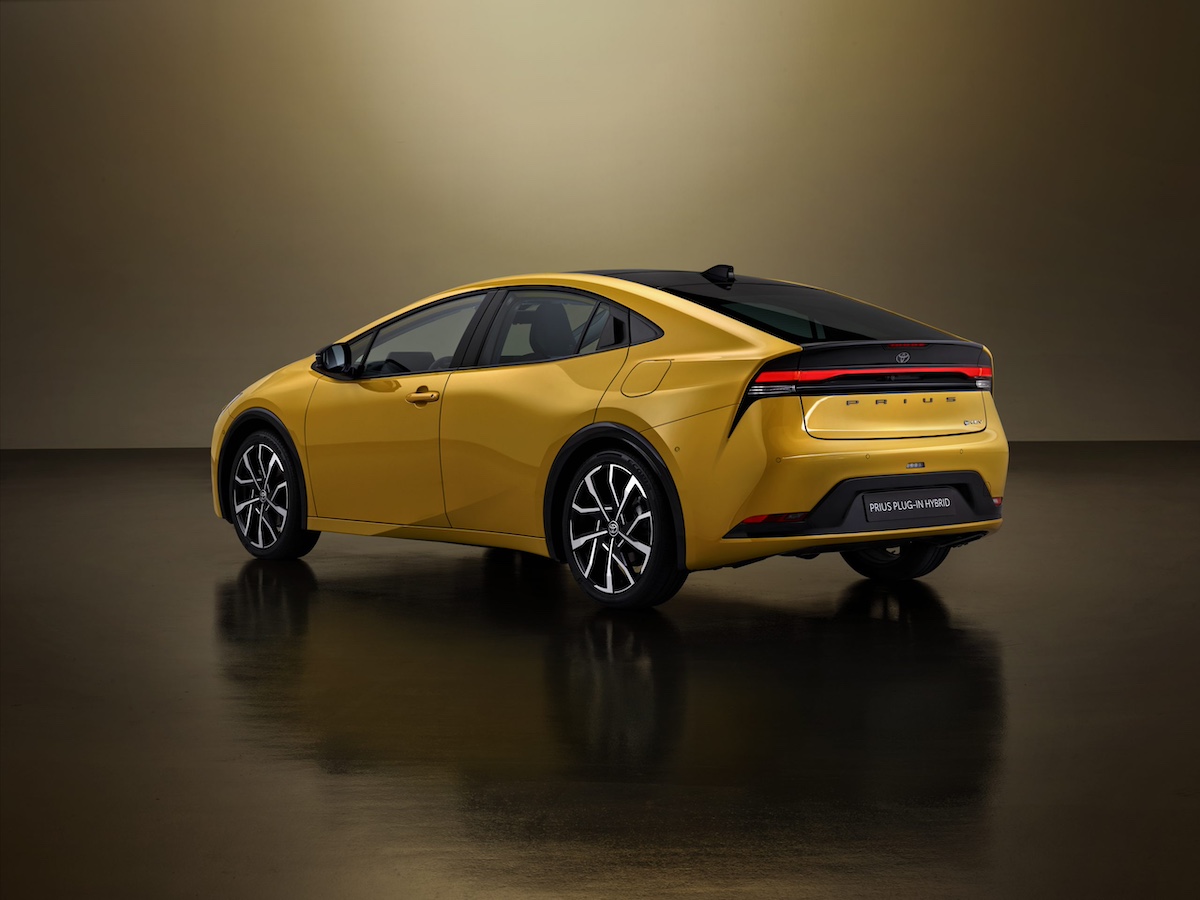
Predictably, this didn’t go down awfully well with the Prius’ army of dedicated fans in Britain, and the firm was met with something of a backlash. And it worked, because in 2023, Toyota GB decided to reverse its previous decision and offer the car to UK customers, although only in its plug-in hybrid form (it’s also offered as a self-charging hybrid model in other parts of the world). Orders opened in the first part of the 2024 model year.
The combination of 2.0-litre petrol engine, electric motor and 13.6kWh lithium-ion battery produces a combined output of 220bhp, quite an improvement on the 121bhp of the previous Prius Plug-in. Official WLTP figures put the car’s all-electric range at up to 53.4 miles, CO2 emissions at 12g/km, and combined fuel economy at up to 564.9mpg.
And obviously, these impressive figures are accompanied by all the usual trappings of a high-tech modern car. The latest Toyota Prius plug-in hybrid is offered in two trim levels known as Design and Excel. Design spec includes Toyota Safety Sense - a suite of driver assistance systems that includes adaptive cruise control - and an infotainment system that incorporates navigation, (wireless) Apple CarPlay and Android Auto. Other standard kit includes alloy wheels, dual-zone climate control, front- and rear parking sensors, a reversing camera, automatic wipers, and a steering wheel trimmed in man-made leather. Excel trim adds heated- and ventilated front seats, synthetic leather upholstery, and powered driver’s seat adjustment. And being a Toyota, you also get a warranty that could last ten years/100,000 miles if you get your car serviced annually at a Toyota main dealer.
We haven’t had the chance to drive the latest Prius in the UK yet, but we’ll update this article as soon as we have. However, we don't have to drive it to know that it looks the absolute business, as our pictures show.
Toyota Prius Mk5 review on the CarGurus US site
Toyota Prius Mk4 (2015-2022)
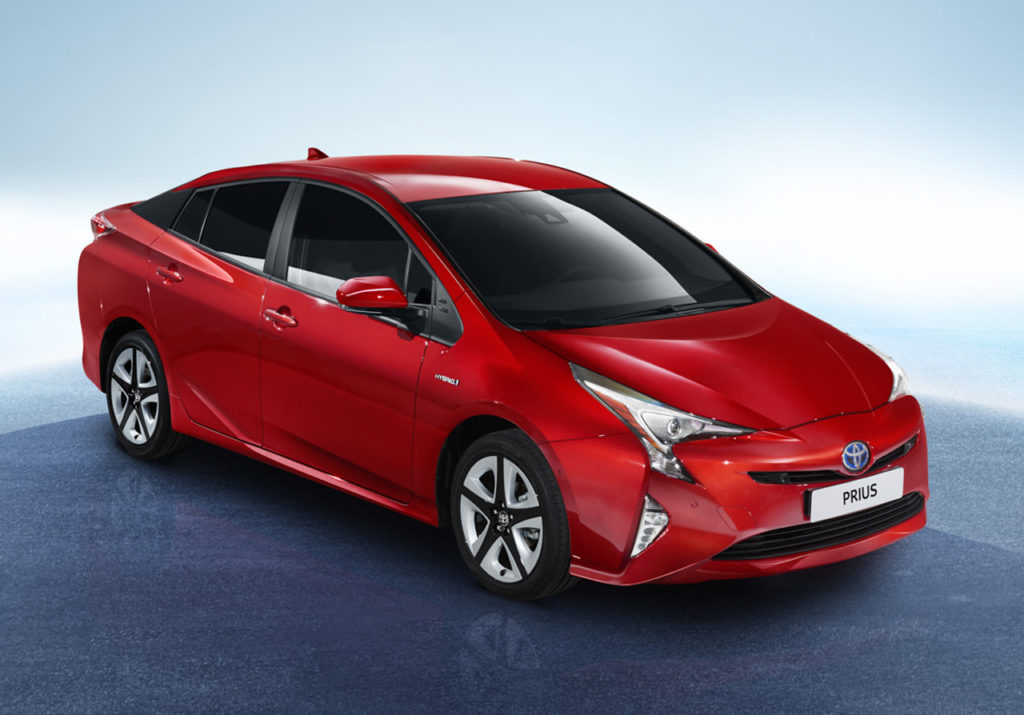
There were big changes in store for the fourth-generation Prius. Key to this iteration was the adoption of the Toyota New Global Architecture platform, which lowered the car’s centre of gravity. This, coupled with new features such as double-wishbone rear suspension, improved the car’s handling, ride quality and stability.
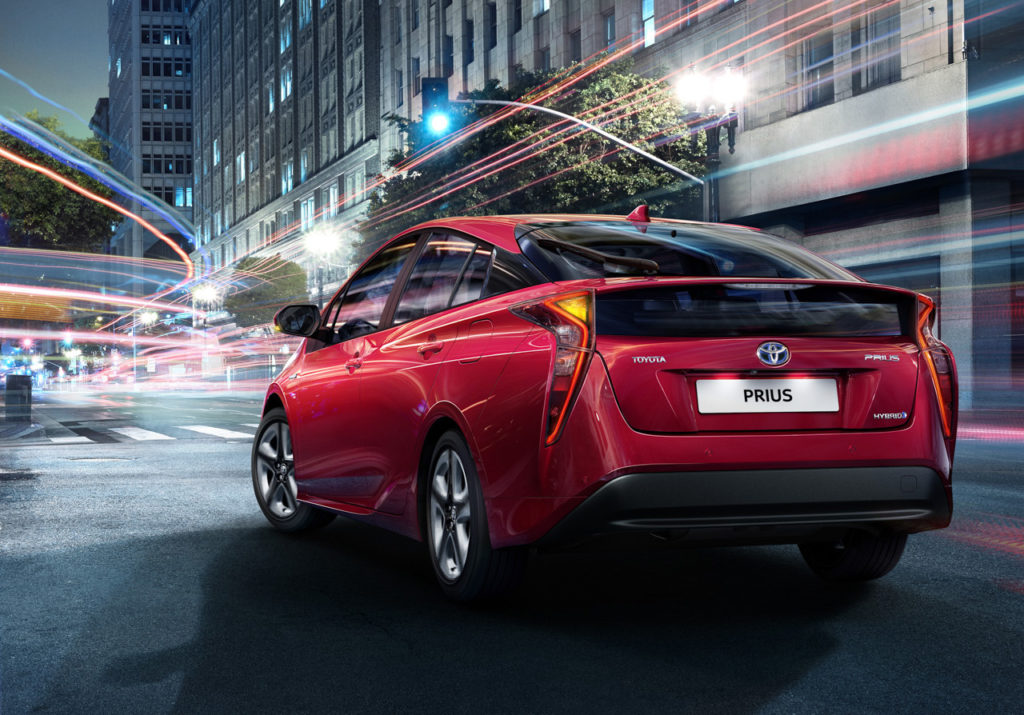
The new underpinnings also granted increased comfort and interior space, as well as a better driving position. More aggressive styling made the Prius more distinctive and interesting, while the redesigned cabin delivered a far more pleasant and upmarket atmosphere than that found in its predecessor.
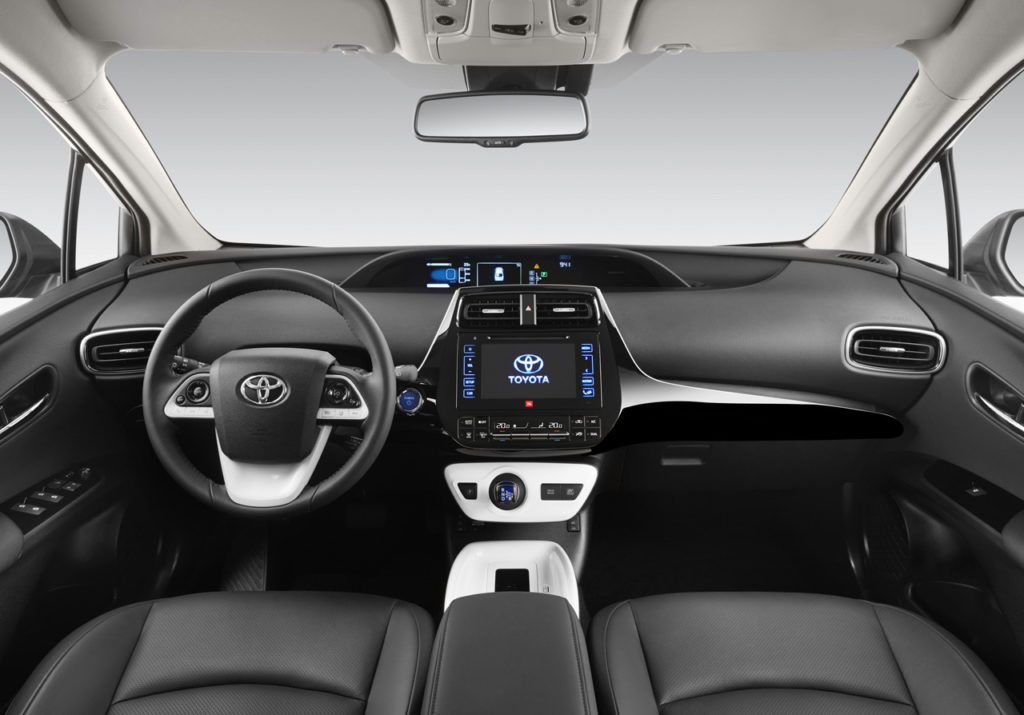
Once again, the hybrid system was given a comprehensive overhaul. The fourth-generation HSD was made even smaller, lighter and more capable, while adjustments to the petrol engine led to a world-best thermal efficiency of 40 per cent. CO2 emissions fell further, to 70g/km, while the average economy was a mighty claimed 94.2mpg. An electric all-wheel-drive (AWD) system was made available in some markets in 2018, too, making the Toyota a more viable option for those regularly dealing with ice or snow. All in, the fourth-generation version surpassed its predecessor in every respect.
Toyota Prius Mk4 review
Search for a Toyota Prius Mk4 on CarGurus
Toyota Prius Mk3 (2009-2015)

In order to continue mitigating the environmental impacts of its vehicles, Toyota reworked the HSD once again to deliver improved efficiency. The company went through the entire system with a fine-toothed comb; 90 per cent of the components were redesigned, resulting in a third-generation HSD that was smaller, lighter and more effective.
Toyota also upped the engine size from 1.5- to 1.8 litres, which particularly helped increase torque at low speeds, and fitted the car with other advantageous features such as an electrically driven and controllable water pump. Unsurprisingly, both the fuel consumption and emissions improved; the Prius now claimed an average economy of 72.4mpg, while CO2 emissions were now just 89g/km.
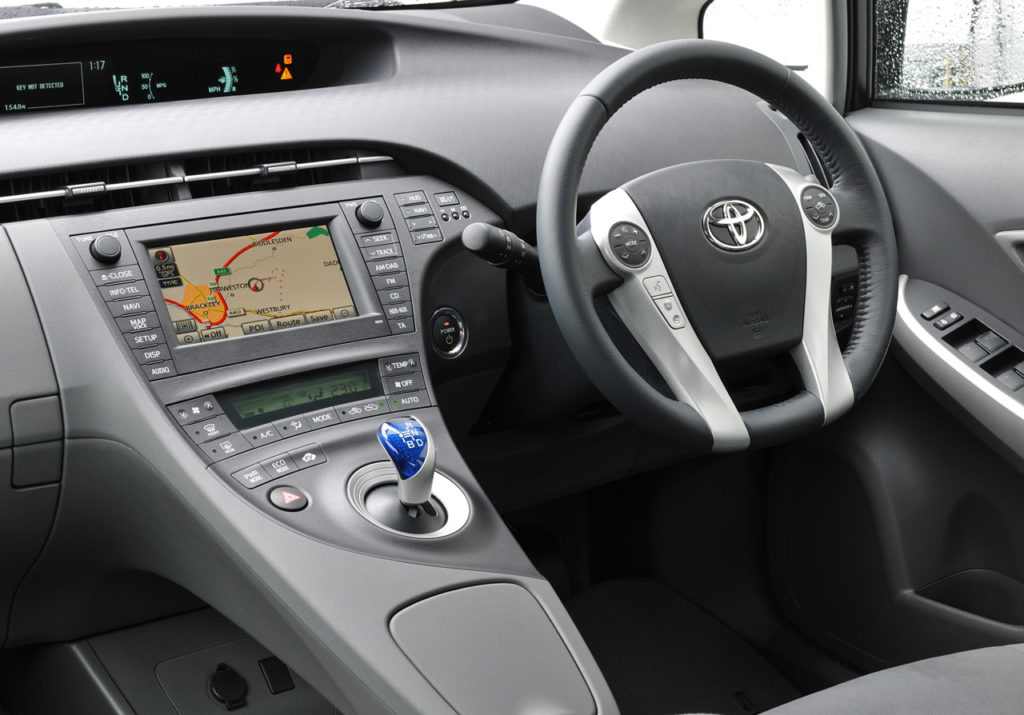
It wasn’t just the economy that improved, as overall system power climbed by 24 per cent to 134bhp. This, in conjunction with the improved torque, knocked 0.4sec off the 0-62mph time. Revamped underpinnings served up increased handling capabilities and stability, too.
Externally, the basic profile of the second-generation car remained, but restyled panels and sharp new lines modernised the look of the Toyota. Nods to helping the environment could now be found inside as well, as the third-generation Prius made use of plant matter-derived plastics for its interior trim.
A seven-seat version called the Prius+ was later introduced, as well as a version called the Prius Plug-In. This had a larger battery, which permitted up to 14 miles of zero-emissions driving at up to 50mph. In 2013, no doubt aided by these new models, global Prius sales topped the three million mark.
Toyota Prius Mk3 review
Search for a Toyota Prius Mk3 on CarGurus
Toyota Prius Mk2 (2003-2009)
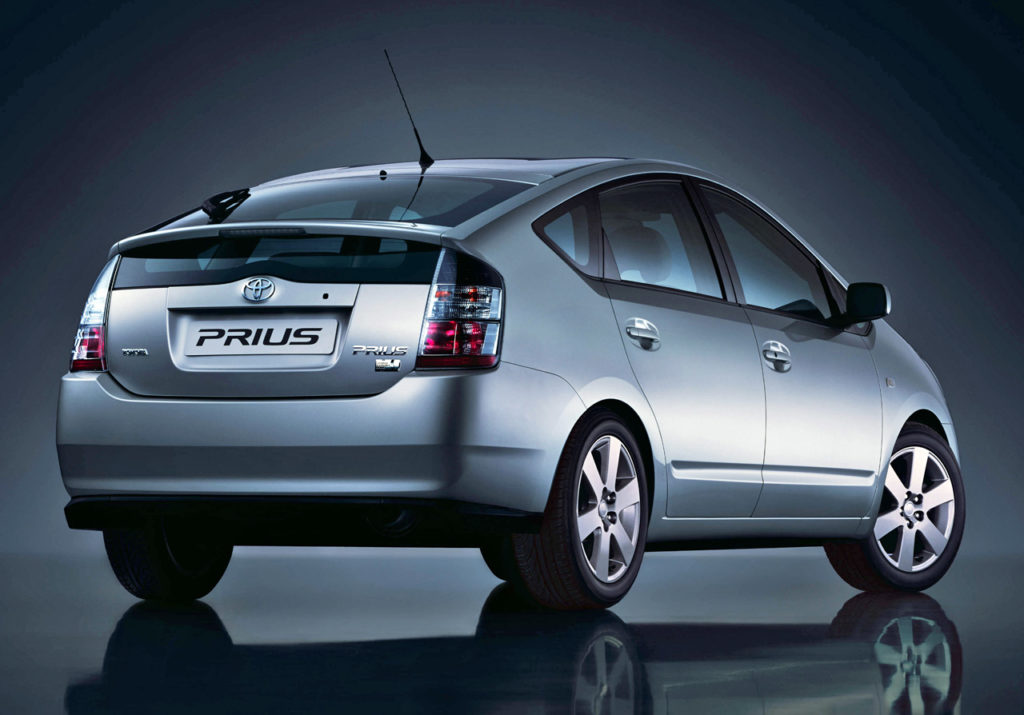
Although the first-generation Prius had proven the advantages of hybrid technology, Toyota felt there was much that could be improved with the front-wheel drive (FWD) hybrid powertrain. So much so, in fact, that it redesigned the entire car and its hybrid system, and in the process, registered 530 new patents.
Underpinning this new Toyota Prius was a second-generation hybrid system, dubbed ‘Hybrid Synergy Drive’. It featured an electric drive motor that was 50 per cent more powerful than its predecessor, significantly boosting the Toyota’s performance. It also reduced the reliance on the petrol engine which, in conjunction with upgrades such as a lighter yet more energy-dense battery, plus improvements to the continuously variable transmission (CVT), further improved its efficiency and capability.
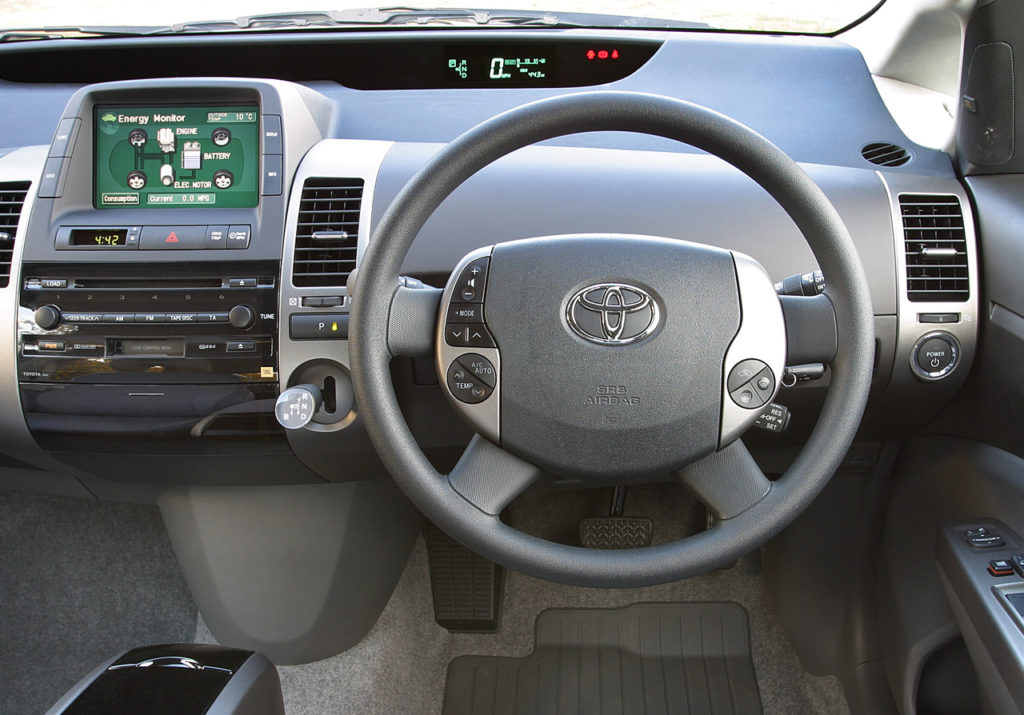
The gains were significant; Toyota claimed the second-gen Prius was capable of averaging 65.7mpg, while CO2 emissions fell to 104g/km. The 0-62mph time also fell from 13.4sec to 10.9sec, making the Prius feel much snappier.
Crucially, Toyota completely revised the exterior styling, ditching the gawky saloon body in favour of a larger, sleeker and more practical hatchback body, freeing up more headroom in the rear seats, plus more cargo space. This, in conjunction with the improved powertrain and new features such as a colour multimedia touchscreen, made the Prius a more compelling choice. Evidently so; by 2008, cumulative sales exceeded one million.
A more interesting figure, that said, was achieved earlier in 2004: a Prius reached 130.794mph on the Bonneville Salt Flats, setting a new world land speed record for hybrid cars. You won't be surprised to learn that this has since been broken.
Toyota Prius Mk2 review
Search for a Toyota Prius Mk2 on CarGurus
Toyota Prius Mk1 (1997-2003)
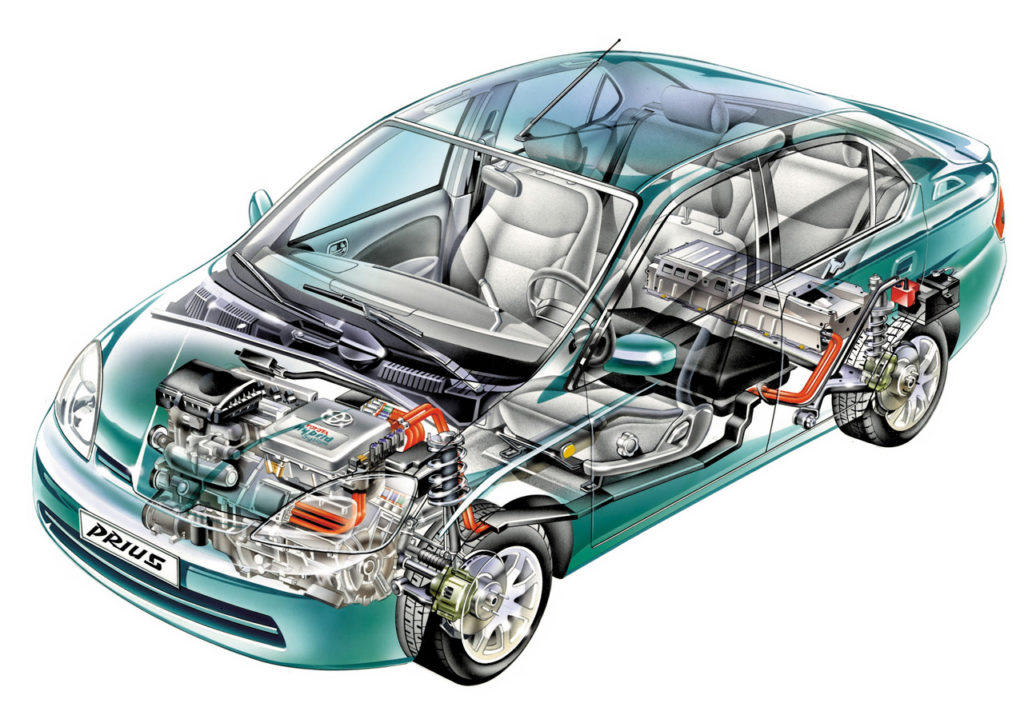
In 1993, Toyota launched a new project codenamed ‘G21’. The aim was to come up with a new car fit for the 21st century, for which the design discussions revolved primarily around environmental issues and energy usage. Such a forward-thinking car would also need a suitably next-generation powertrain, ultimately leading the company to develop the ‘Toyota Hybrid System’.
The THS made use of both petrol and electric power and granted improved efficiency, low emissions, near-silent pure electric operation for short distances, and a long range. Key to the system’s capabilities was a clever power-split device that could seamlessly control the flow of torque between the car’s efficient 1.5-litre petrol engine, the electric drive motor, a generator and the driven wheels.

A THS-equipped prototype car, called the Prius, was subsequently unveiled at the Tokyo Motor Show in 1995, and a production version followed in 1997. Its hybrid system delivered an average fuel efficiency figure of 57.6 mpg and CO2 emissions of a then-impressive 114g/km.
Due to its efficiency and environmental credentials, the Prius was an immediate hit. Toyota took 3,500 orders in the first month alone, which was three times its initial target. When production stopped, more than 123,000 had been sold. Hybrids were admittedly not a new concept, having been around since the late 1800s, but the mk1 Prius proved itself the first effective and commercially successful car of its kind.


