
If you're shopping for a family SUV, the Toyota RAV4 and Honda CR-V are almost certainly on your radar. For decades, these two Japanese models have been front-runners in the class, offering a compelling blend of practicality, efficiency, and legendary reliability.
The latest versions continue this tradition. The Toyota RAV4 has a sharp, angular design and a reputation for rock-solid dependability, backed by an excellent hybrid system. The Honda CR-V, meanwhile, has moved upmarket with a more premium feel, a spacious interior, and the option of a tax-friendly plug-in hybrid. Both are designed to make family life easier, but which one does it best?
Toyota RAV4 vs Honda CR-V
- Practicality
- Driving Impressions
- Technology and Equipment
- Running Costs
- CarGurus Buyer Insights
- Verdict

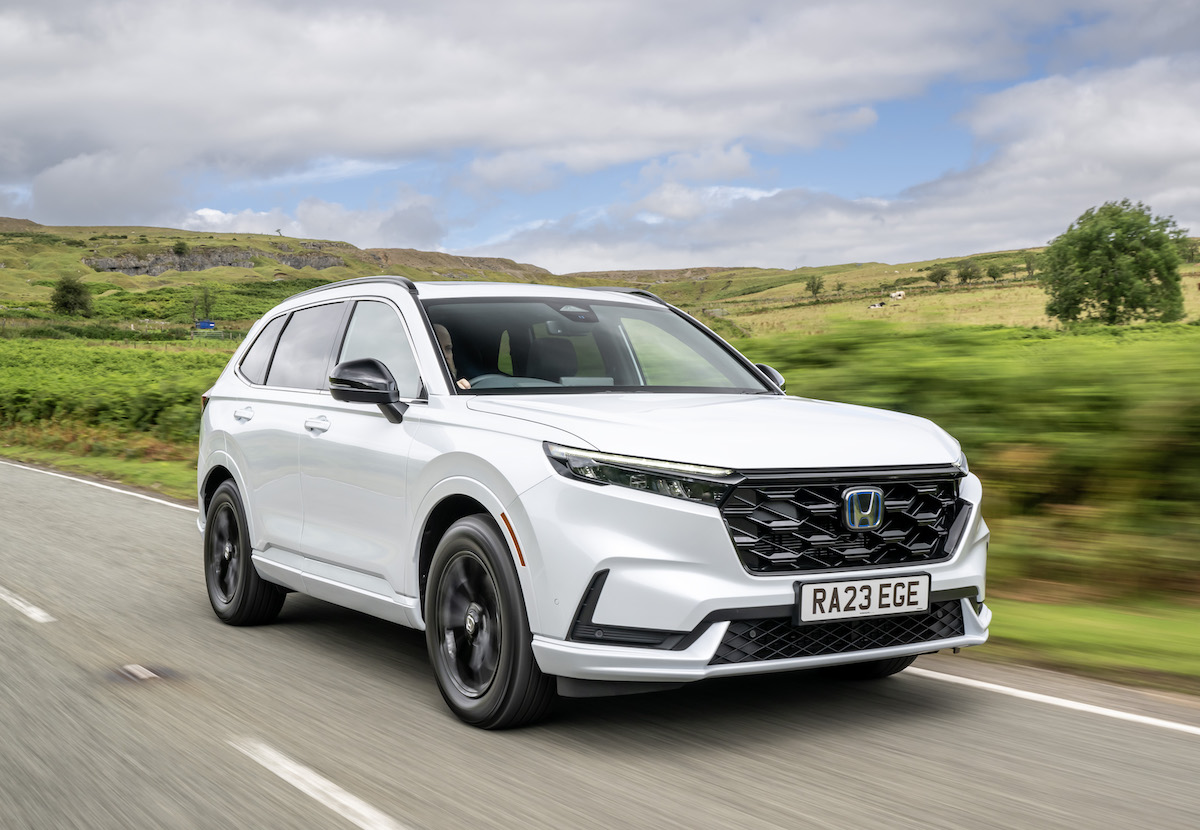
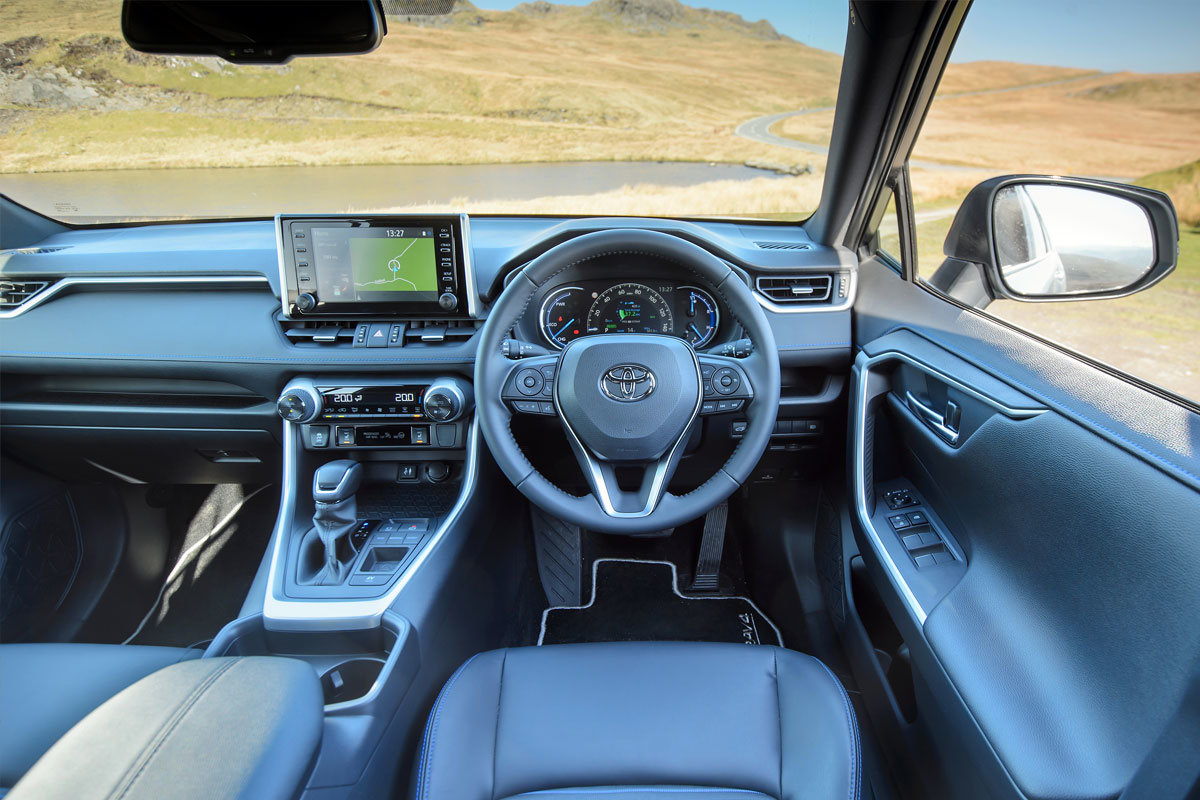
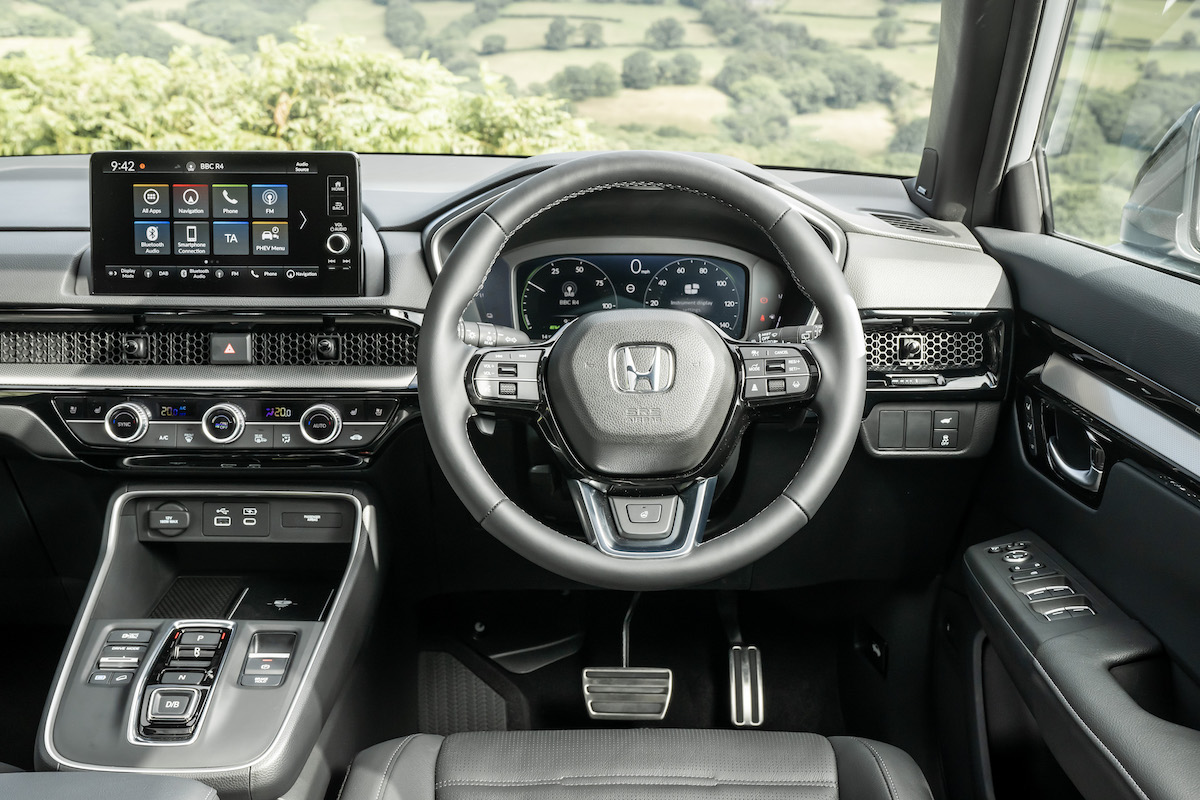
Practicality
Toyota RAV4 practicality score: 4/5
Honda CR-V practicality score: 5/5
The Toyota RAV4 is a practical choice, with a generous 580-litre boot that expands to 1,690 litres when you fold the rear seats. There’s plenty of room for five adults to sit comfortably, although it's worth noting that, unlike some rivals, the RAV4 is strictly a five-seater. If you need to carry more people, you’ll have to look elsewhere.
This is where the Honda CR-V pulls ahead. Its slightly larger body translates into excellent rear legroom, and the back seats can slide forwards and backwards. This allows you to choose between maximising boot space or giving rear passengers more room to stretch out. The boot itself is a fraction larger than the RAV4's at 587 litres, and the way the seats fold completely flat creates a huge, van-like load area. For sheer space and flexibility, the CR-V has the edge.
Driving Impressions
Toyota RAV4 driving score: 3/5
Honda CR-V driving score: 3/5
Neither of these SUVs is designed to be a thrill-a-minute sports car. The focus is on comfort, refinement, and ease of use, and both deliver a competent driving experience. The RAV4 feels secure and predictable on the road, with a comfortable ride that soaks up most bumps well. The hybrid powertrain provides adequate performance, but the CVT automatic gearbox can cause the engine to drone noisily under hard acceleration.
The Honda CR-V’s hybrid system often feels more like an electric car at low speeds, running silently on battery power alone around town. It’s smooth and refined, though the petrol engine can sound a little gruff when it first kicks in from cold. The heavier plug-in hybrid model isn't quite as comfortable as the standard hybrid, but it’s still a relaxing car to drive. There’s little to separate them on the road; both are easy-going companions for the daily grind.
Technology and Equipment
Toyota RAV4 technology and equipment score: 4/5
Honda CR-V technology and equipment score: 4/5
Toyota has a reputation for being generous with standard kit, and the RAV4 is no exception. Even entry-level models come with a large touchscreen, climate control, and a full suite of Toyota’s Safety Sense driver aids. The infotainment system is straightforward to use and includes Apple CarPlay and Android Auto.
Honda has positioned the CR-V as a more premium offering, so there’s no ‘basic’ trim. All models come well-equipped with features like leather seats, a panoramic sunroof and wireless phone charging. The cabin feels upmarket and solidly built. While the CR-V’s standard equipment list is longer, its higher purchase price reflects this. Both cars deliver on the tech front, so it’s a dead heat in this category.
Running Costs
Toyota RAV4 running costs score: 4/5
Honda CR-V running costs score: 4/5
Thanks to their efficient hybrid powertrains, both cars promise low running costs. The RAV4’s self-charging hybrid can achieve around 50mpg in official tests, with real-world figures in the mid-40s being easily achievable. The CR-V’s equivalent hybrid is slightly less efficient, returning closer to 42mpg.
The CR-V’s ace is the plug-in hybrid (PHEV) model. With an official electric-only range of over 50 miles and very low CO2 emissions, it’s an attractive option for company car drivers looking to slash their tax bills. Private buyers with a home charger could also see their fuel costs plummet. A key advantage for the Toyota, however, is its warranty. While Honda offers a standard three-year warranty, Toyota’s can be extended up to 10 years or 100,000 miles if you service the car annually at a main dealer, offering great long-term peace of mind.
CarGurus Buyer Insights
| Toyota RAV4 | Honda CR-V | |
|---|---|---|
| CarGurus expert rating | 4 out of 5 | 4 out of 5 |
| CarGurus user rating | 4.7 out of 5 | 4.5 out of 5 |
| Percentage of good/great deals available on CarGurus* | 35.3% | 31.7% |
| Overall CarGurus rating | 4.3 out of 5 | 4.4 out of 5 |
The Verdict
Toyota RAV4 Overall CarGurus rating: 4.3/5
Honda CR-V Overall CarGurus rating: 4.4/5
This is an incredibly close contest between two of the best family SUVs on the market. Both the Toyota RAV4 and Honda CR-V are efficient, reliable, and practical choices that are easy to recommend.
However, based on our comprehensive CarGurus rating, the Honda CR-V clinches a narrow victory. Its superior practicality, thanks to that vast and flexible interior, gives it a crucial advantage for growing families. The upmarket cabin and the availability of a tax-efficient plug-in hybrid model also add to its appeal, justifying its slightly more premium price tag.
This doesn't mean you should discount the Toyota RAV4. It scores higher with our users, offers a greater percentage of good deals on CarGurus, and its potential 10-year warranty is a huge selling point for buyers who value long-term peace of mind. But as a complete package, the Honda CR-V’s blend of space, quality and thoughtful design just gives it the win.
Toyota RAV4 Pros and Cons
| Pros | Cons |
|---|---|
| Excellent long-term warranty | CVT gearbox can be noisy |
| Strong reputation for reliability | Less interior space and flexibility than the CR-V |
| Efficient hybrid powertrain | Strictly a five-seater |
Honda CR-V Pros and Cons
| Pros | Cons |
|---|---|
| Huge and versatile interior | Higher purchase price than the RAV4 |
| Tax-friendly PHEV option | Standard warranty is only three years |
| Premium-feeling cabin and equipment | Engine can sound gruff from a cold start |
*The Overall CarGurus rating: that informs these recommendations is based on CarGurus' proprietary market data from January 2026, CarGurus expert reviews, and CarGurus user reviews.