If you're looking for a family-friendly SUV, the Toyota RAV4 and Hyundai Tucson are two of the most popular choices on the market. Both offer efficient hybrid power, eye-catching styling, and plenty of practicality, but they go about their business in different ways.
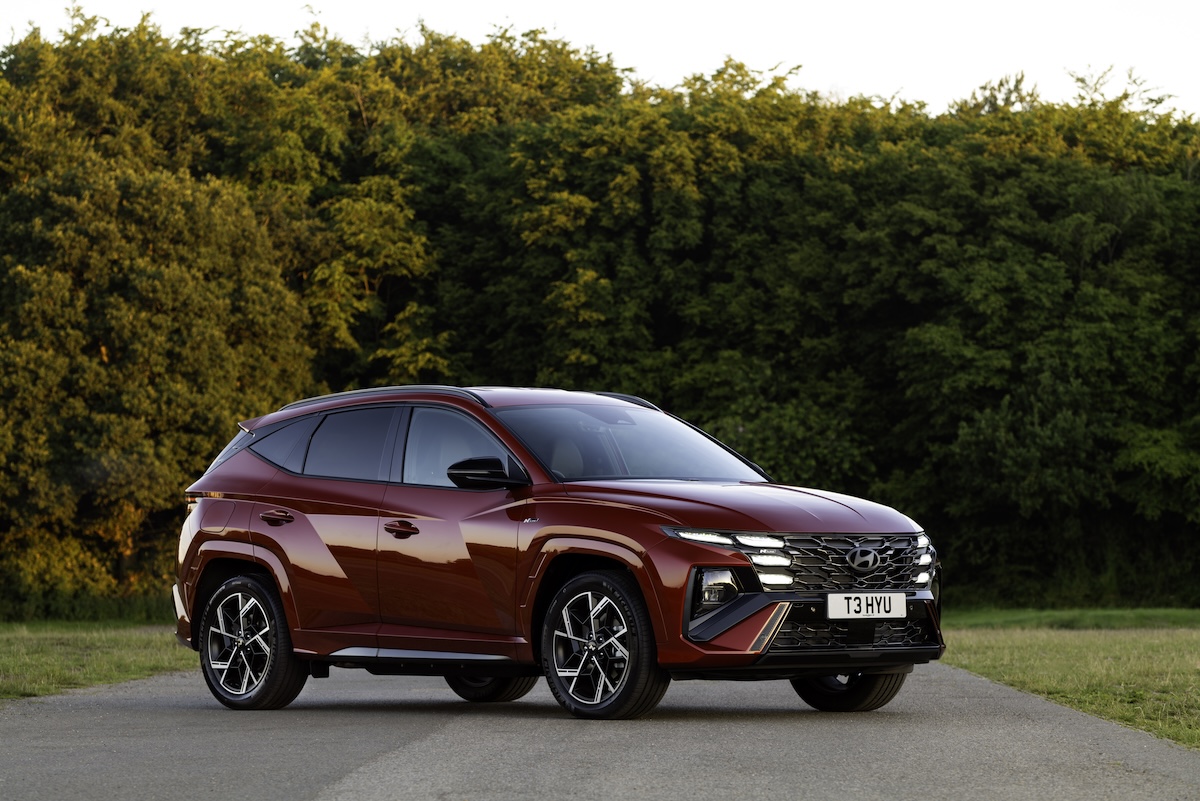
The RAV4 plays to Toyota's traditional strengths of reliability and low running costs, wrapped in a rugged, angular design. The Tucson, on the other hand, makes a bold statement with its futuristic looks and a cabin that feels upmarket. With both cars vying for the top spot in a crowded class, which one is the better all-round package for you?
Toyota RAV4 vs Hyundai Tucson
Practicality
Toyota RAV4 practicality score: 4/5
Hyundai Tucson practicality score: 4/5
As you'd expect from a family SUV, both the RAV4 and Tucson are well-suited to daily life. The RAV4 offers a generous 580 litres of boot space, which is more than enough for weekly shops or holiday luggage. The Tucson is even more accommodating, with up to 620 litres in its non-hybrid form. It's worth noting that both cars lose a little boot capacity if you opt for a hybrid model due to the battery placement.
In the back, both cars provide plenty of head and legroom for adults to get comfortable, though neither offers a seven-seat option like some rivals. The cabins are filled with useful storage cubbies for family clutter. It's a close-run thing, but the Tucson's slightly larger boot gives it a narrow victory in the practicality stakes.
Driving Impressions
Toyota RAV4 driving score: 3/5
Hyundai Tucson driving score: 4/5
The driving experience is where you'll find some of the biggest differences between these two. The RAV4 is geared towards comfort and efficiency. Its hybrid system is smooth around town, but the CVT automatic gearbox can cause the engine to drone under hard acceleration. The ride is generally comfortable, and the handling is safe and predictable.
The Hyundai Tucson feels more polished on the move. Its automatic gearbox is more conventional, providing a more direct connection between engine and road speed. The ride is well-judged, and while it's no sports car, it feels composed and easy to drive, with lighter steering that makes it a breeze in the city. For overall refinement and driver satisfaction, the Tucson has the edge.
Technology and Equipment
Toyota RAV4 technology and equipment score: 4/5
Hyundai Tucson technology and equipment score: 4/5
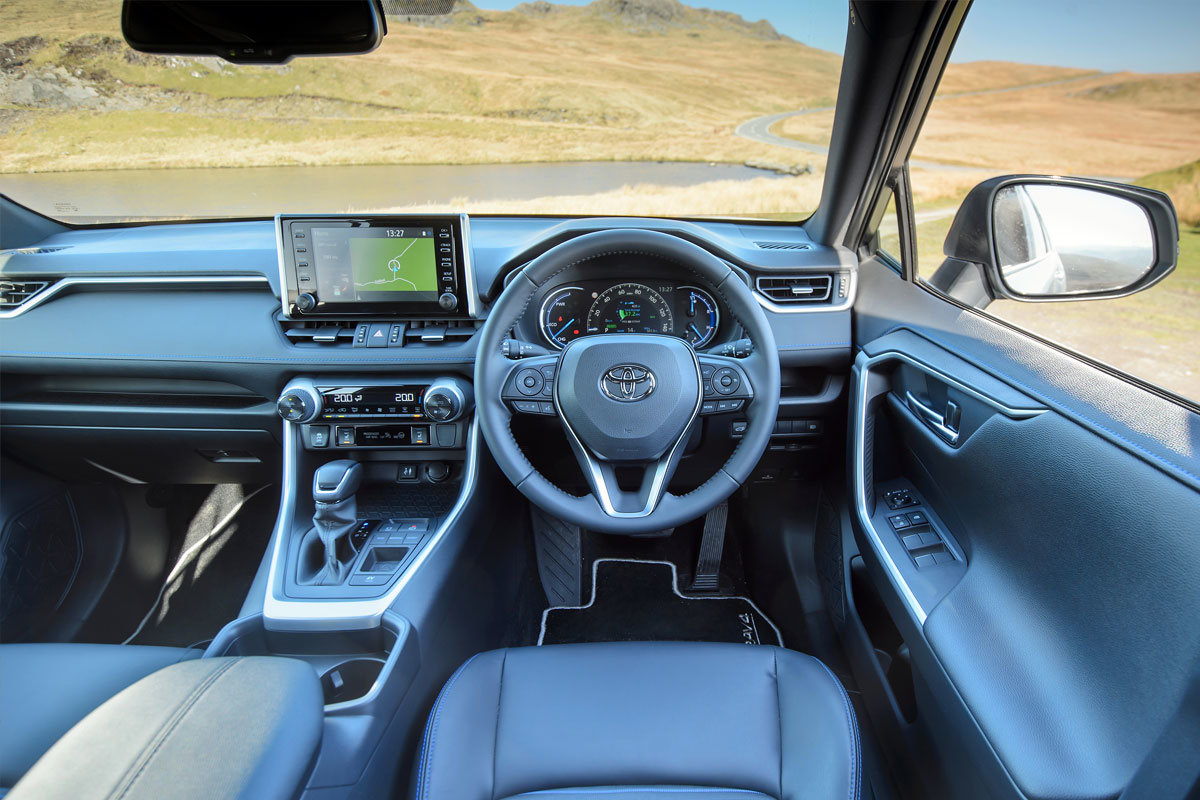
Both manufacturers are known for offering a lot of standard kit, and these SUVs are no exception. The entry-level RAV4 comes with an 8-inch touchscreen, adaptive cruise control, and a suite of safety systems. The infotainment is functional, but the cabin design is more conservative than the Hyundai's.
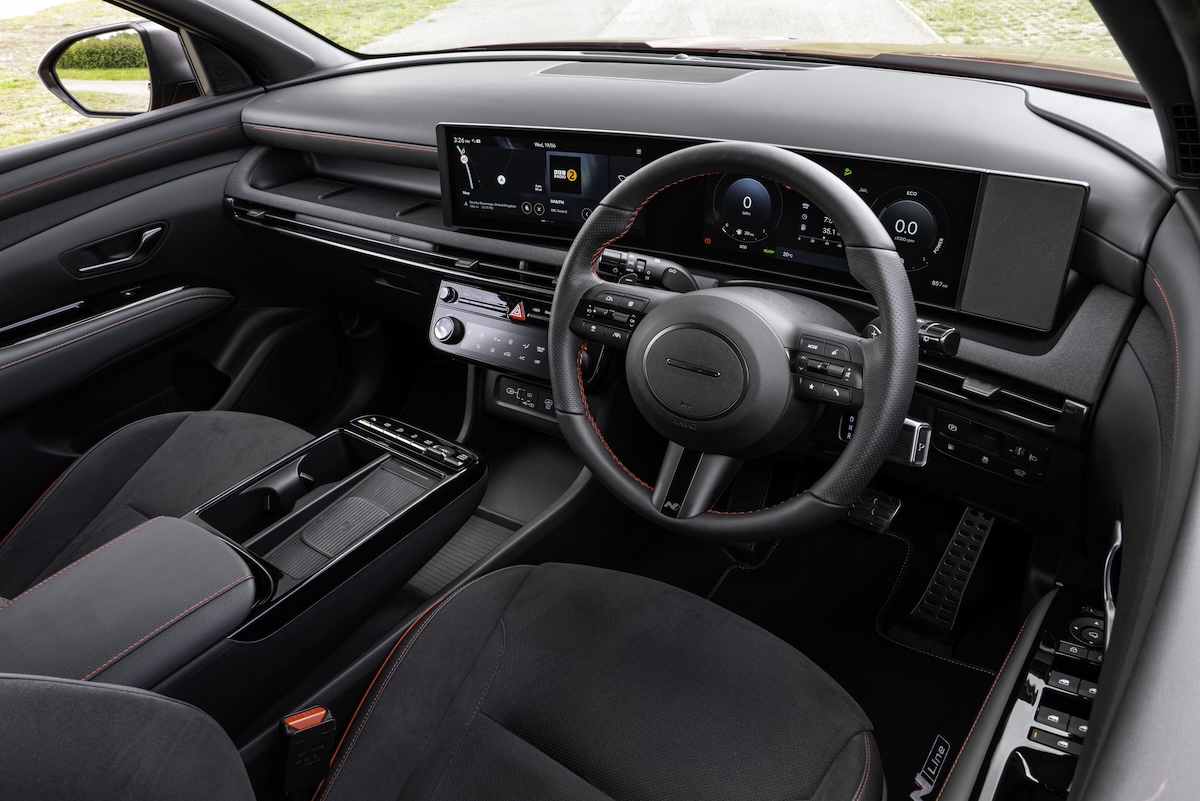
The Tucson's interior is a real highlight. It features a slick digital instrument cluster and a large central touchscreen that are neatly integrated. Post-facelift models get an even more impressive curved display that combines the two screens into one panel. The design is modern, and the material quality feels a step above the RAV4's, giving the Tucson's cabin a more premium atmosphere.
Running Costs
Toyota RAV4 running costs score: 4/5
Hyundai Tucson running costs score: 4/5
This is a key battleground for hybrid SUVs. The Toyota RAV4's self-charging hybrid system is a standout for fuel economy, capable of returning around 50mpg in real-world driving without you ever needing to plug it in. This makes it one of the most frugal cars in its class.
The Tucson's mild-hybrid and self-charging hybrid models are a little thirstier, managing figures in the low-to-mid 40s for mpg. However, Hyundai also offers a plug-in hybrid (PHEV) version. If you can charge it regularly, it can cover up to 38 miles on electric power alone, potentially slashing your daily fuel bills. For long-term peace of mind, Hyundai offers a five-year unlimited mileage warranty, while Toyota's warranty can be extended up to 10 years if you service the car at a main dealer.
CarGurus Buyer Insights
|
Toyota RAV4 |
Hyundai Tucson |
| CarGurus expert rating |
4 out of 5 |
4 out of 5 |
| CarGurus user rating |
4.7 out of 5 |
4.8 out of 5 |
| Percentage of good/great deals available on CarGurus* |
30.5% |
33.1% |
| Overall CarGurus rating |
4.3 out of 5 |
4.5 out of 5 |
The Verdict
Toyota RAV4 Overall CarGurus rating: 4.3/5
Hyundai Tucson Overall CarGurus rating: 4.5/5
Both the Toyota RAV4 and Hyundai Tucson are excellent family SUVs that rightly deserve their popularity. They are practical, well-equipped, and offer the low running costs of hybrid power. However, there can only be one winner.
Based on our comprehensive CarGurus ratings, the Hyundai Tucson takes the victory. It earns its win with a more refined driving experience, a premium-feeling interior, and cutting-edge technology that makes it feel like a more modern product. The Tucson also scores higher with users and has a greater percentage of good and great deals available on CarGurus.
This doesn't mean the RAV4 should be overlooked. If your absolute priority is fuel efficiency from a self-charging hybrid, combined with Toyota's stellar reputation for reliability, it remains a fantastic and sensible choice. But as the better all-rounder that blends style, quality and practicality, the Hyundai Tucson is our winner in this comparison.
Toyota RAV4 Pros and Cons
| Pros |
Cons |
| Excellent fuel economy |
CVT gearbox can be noisy |
| Renowned reliability |
Interior feels a bit plain |
| Good standard equipment |
Less boot space than Tucson |
Hyundai Tucson Pros and Cons
| Pros |
Cons |
| Premium-feeling and stylish interior |
Hybrid not as frugal as RAV4 |
| Polished driving experience |
Styling might be too bold for some |
| Cutting-edge infotainment |
PHEV is pricey |
*The Overall CarGurus rating that informs these recommendations is based on CarGurus' proprietary market data from May 2026, CarGurus expert reviews, and CarGurus user reviews.
Read Our Full Reviews: