
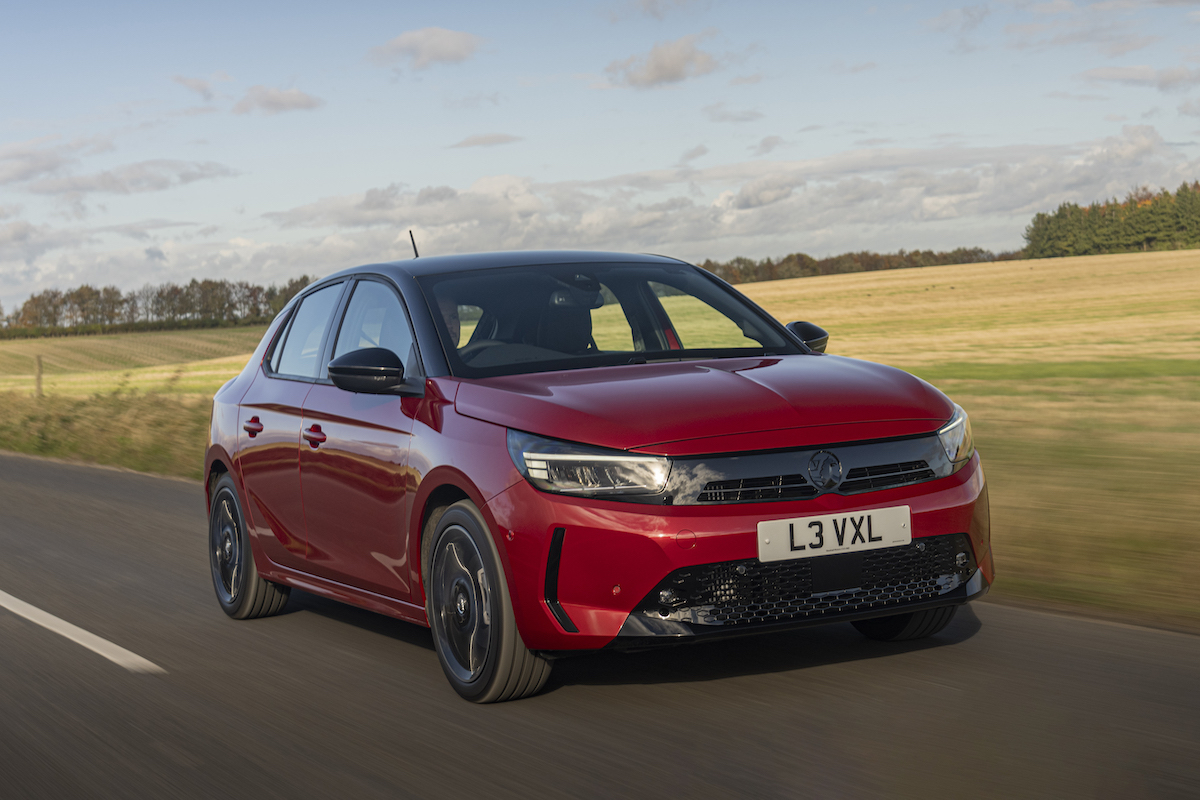
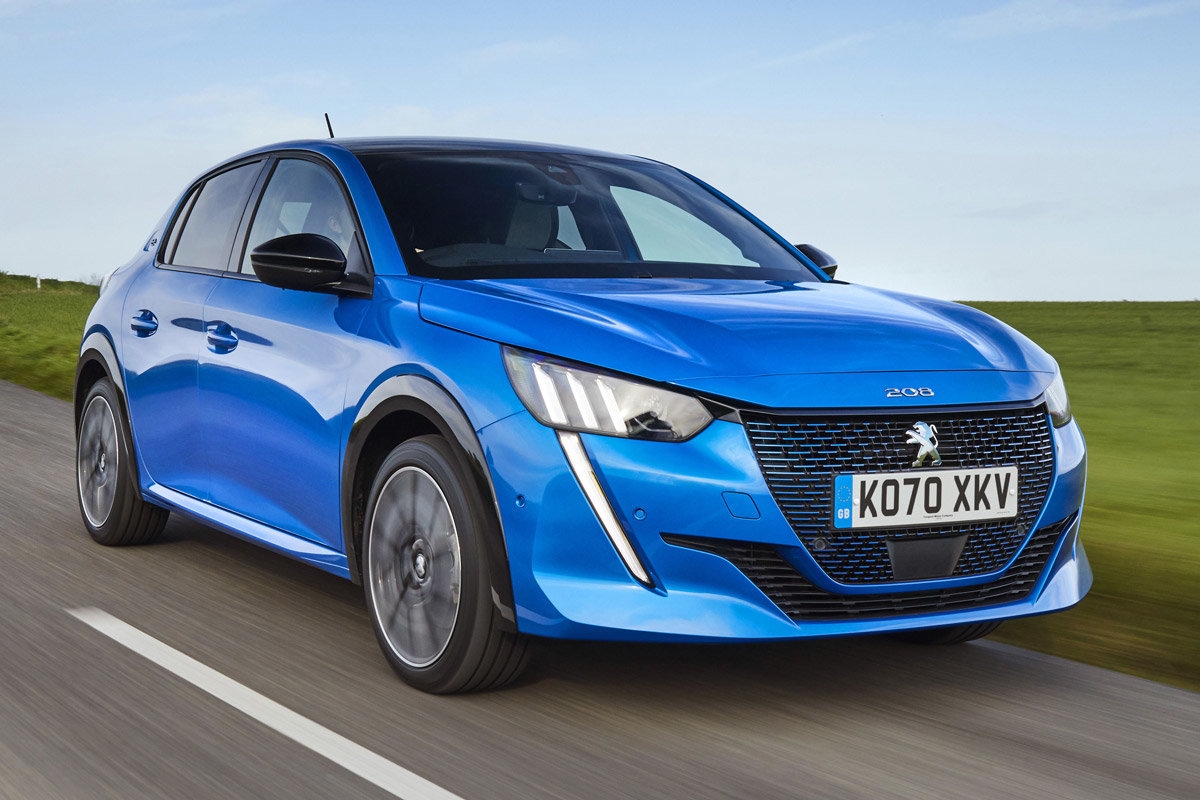
If you're in the market for a new supermini, two of the most popular choices in the UK are the Vauxhall Corsa and the Peugeot 208. These cars are cousins under the skin, sharing a platform and engines, but they've been designed to appeal to different buyers.
The Corsa has long been a household name, and this latest version aims to build on that familiarity with sharper styling and a more upmarket feel. The Peugeot 208, on the other hand, leans heavily on distinctive French design, offering a premium-feeling cabin and a healthy dose of kerb appeal. With petrol, hybrid, and all-electric versions of both available, which of these stylish small cars is the better buy?
Vauxhall Corsa vs Peugeot 208
- Practicality
- Driving Impressions
- Technology and Equipment
- Running Costs
- CarGurus Buyer Insights
- Verdict
Practicality
Vauxhall Corsa practicality score: 3/5
Peugeot 208 practicality score: 4/5
For a small car, front-seat passenger space is good in both the Corsa and the 208. The real differences emerge when you look at the back seats and the boot. The Corsa's rear space is tight for adults, and the narrow door openings can make fitting a child seat a bit of a faff. The 208 is a little more accommodating for rear passengers, though taller adults will still find it a squeeze on long trips.
Where the Peugeot pulls ahead is in cabin storage and boot flexibility. It has more useful cubbies for your phone and keys, and its boot is a fraction larger at 311 litres versus the Corsa's 309 litres. Crucially, if you're looking at the electric models, the e-208 keeps its 311-litre boot, while the Corsa Electric's shrinks to just 267 litres. For this reason, the 208 has the edge on day-to-day usability.
Driving Impressions
Vauxhall Corsa driving score: 3/5
Peugeot 208 driving score: 4/5
While they share engines, these two cars have been tuned to feel quite different on the road. The Corsa offers predictable, safe handling with plenty of grip, which makes it feel secure and easy to drive. However, the ride can be a bit firm over bumpy roads, and it’s not as fun or engaging as a Ford Fiesta. The 100bhp 1.2-litre turbo petrol is the pick of the engine range, but the mild-hybrid automatic can feel jerky at low speeds.
The Peugeot 208 prioritises comfort. It has a more supple ride that soaks up bumps well, making it a more relaxing car for long journeys. It feels mature and refined on the motorway, though it lacks the sharp handling of the best cars in its class. Like the Corsa, the 100bhp petrol engine is a great all-rounder. For those seeking a comfortable and quiet supermini, the 208's refined character gives it a clear advantage.
Technology and Equipment
Vauxhall Corsa technology and equipment score: 3/5
Peugeot 208 technology and equipment score: 4/5
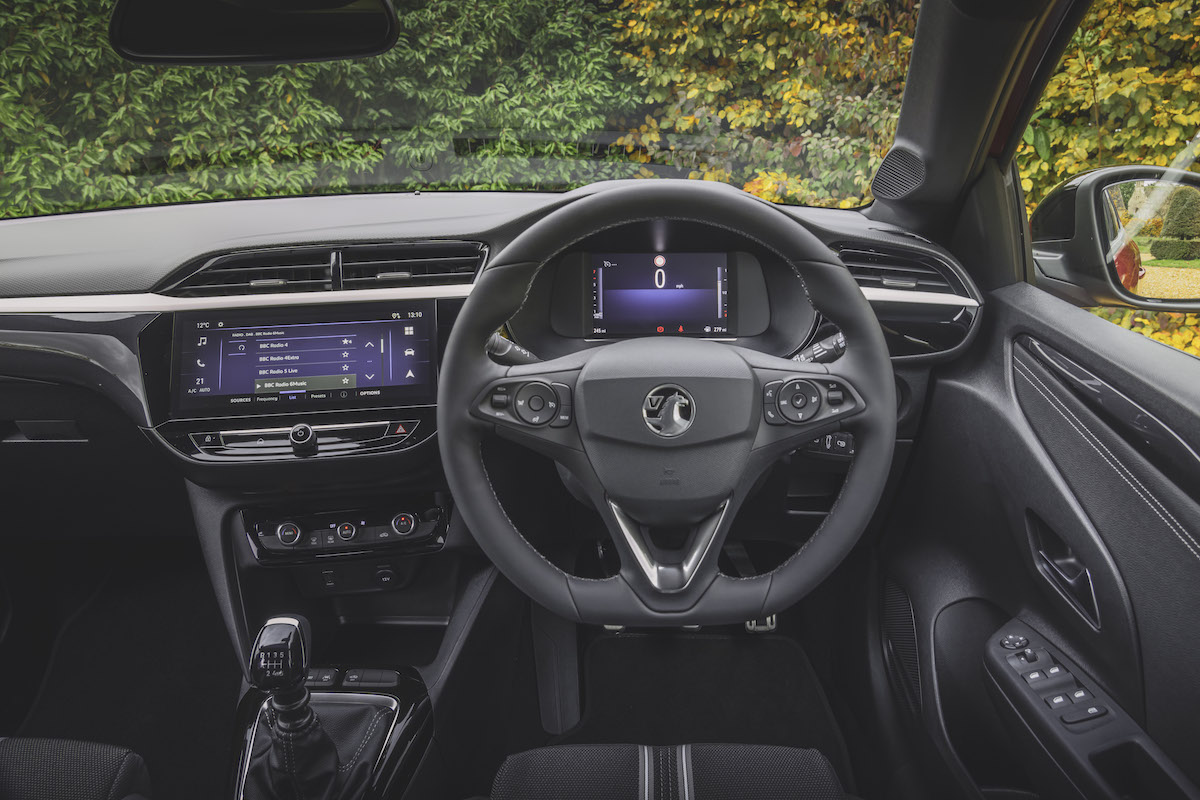
Both cars come with a good level of standard kit. The Corsa's simplified trim range means even the entry-level Design model gets a touchscreen with Apple CarPlay and Android Auto, LED headlights, and rear parking sensors. The infotainment system looks neat, but the software can be a bit slow to respond.
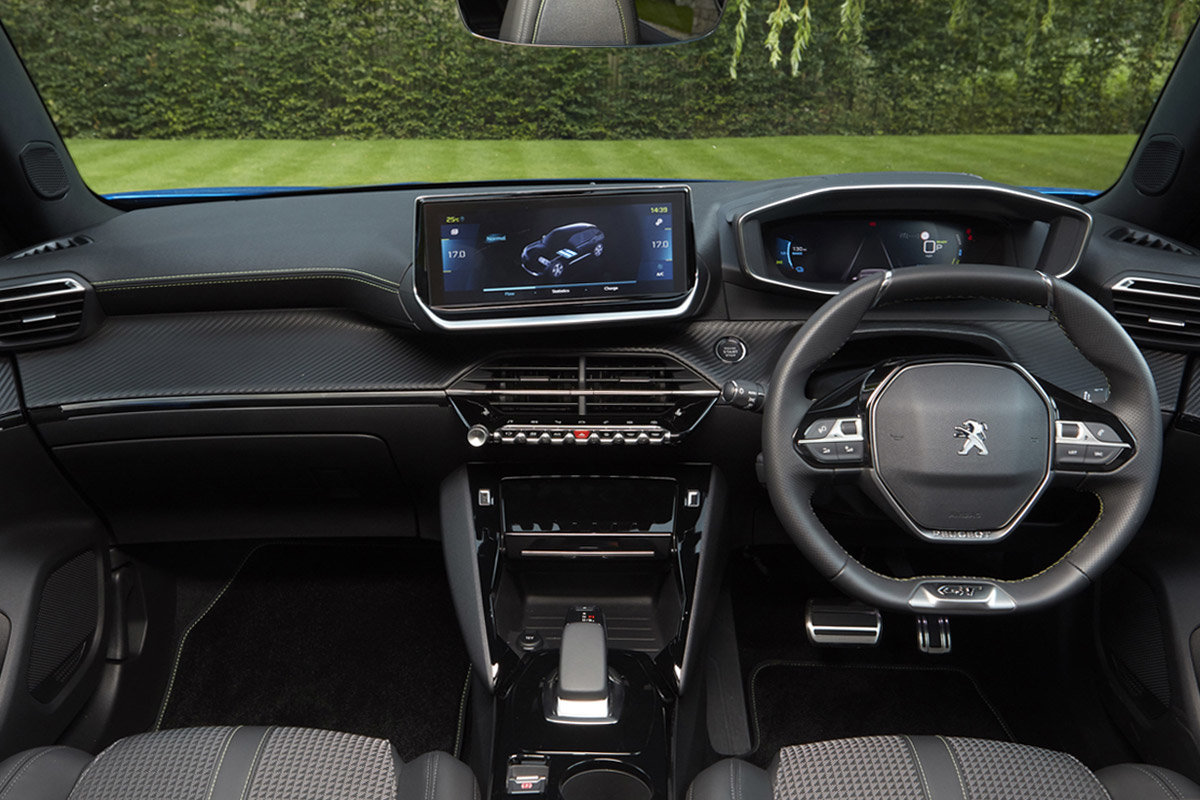
The 208 aims for a more premium feel inside. Its standout feature is the i-Cockpit, with a small steering wheel and a high-set digital instrument cluster. On higher-spec models, this becomes a 3D display, which looks impressive. While the central touchscreen can be fiddly to use for simple functions like adjusting the heating, the overall quality and design of the 208's cabin feel a step above the Corsa's, and it offers a bit more desirable tech on its top trims.
Running Costs
Vauxhall Corsa running costs score: 4/5
Peugeot 208 running costs score: 4/5
As you’d expect from two cars that share so much, running costs are very similar. The 1.2-litre petrol engines in both are efficient, capable of around 50mpg in real-world driving. The all-electric versions offer the potential for very low running costs, especially for company car drivers or those who can charge at home.
The main difference comes down to depreciation. The Vauxhall Corsa tends to lose its value a bit faster than the Peugeot 208. This means that while a Corsa might be cheaper to buy initially, you may get less of your money back when you come to sell it. The 208’s stronger resale values could make it the more sensible financial choice in the long run, but for day-to-day bills, there’s little to separate them.
CarGurus Buyer Insights
| Vauxhall Corsa | Peugeot 208 | |
|---|---|---|
| CarGurus expert rating | 3 out of 5 | 4 out of 5 |
| CarGurus user rating | 4.5 out of 5 | 4.6 out of 5 |
| Percentage of good/great deals available on CarGurus* | 28.3% | 28.6% |
| Overall CarGurus rating | 4.2 out of 5 | 4.4 out of 5 |
The Verdict
Vauxhall Corsa Overall CarGurus rating: 4.2/5
Peugeot 208 Overall CarGurus rating: 4.4/5
Both the Vauxhall Corsa and Peugeot 208 are compelling superminis, offering style, technology, and a choice of efficient powertrains. They are closely matched, but there can only be one winner.
Based on our comprehensive CarGurus Buyer Insights, the Peugeot 208 takes the victory. It scores higher with our experts and has a slight edge in user ratings. Its more comfortable ride, higher-quality interior, and superior practicality give it the advantage as a better all-round package. While its i-Cockpit layout won't suit everyone, the 208 feels like a more special and refined product.
The Corsa remains a solid choice, particularly if you value its straightforward driving dynamics and the potential for a lower purchase price. It’s a huge improvement over its predecessors. However, the 208’s blend of style, comfort, and premium feel is more convincing, making it our winner in this head-to-head.
Vauxhall Corsa Pros and Cons
| Pros | Cons |
|---|---|
| Predictable and easy to drive | Cramped rear passenger space |
| Good level of standard equipment | Below-average resale values |
| Efficient petrol engines | Firm ride and noticeable road noise |
Peugeot 208 Pros and Cons
| Pros | Cons |
|---|---|
| Stylish design inside and out | i-Cockpit layout won't suit all drivers |
| Refined and comfortable ride | Infotainment system can be fiddly |
| High-quality, premium-feeling cabin | Not as fun to drive as some rivals |
*The Overall CarGurus rating: that informs these recommendations is based on CarGurus' proprietary market data from January 2026, CarGurus expert reviews, and CarGurus user reviews.