
If you’re looking for a family SUV, there’s a good chance you’ve considered something from the vast Stellantis group, which owns brands like Peugeot, Citroen, and Vauxhall. Two of its newest offerings are the Vauxhall Grandland and the Peugeot 5008. While they share parts under the skin, they target slightly different buyers.
The Grandland is a five-seat SUV with Vauxhall’s sharp ‘Vizor’ front-end styling, competing with cars like the Ford Kuga. The 5008, on the other hand, is a larger seven-seater with a dose of French design flair, taking on rivals such as the Skoda Kodiaq. Both are available with hybrid and full electric power, but which one makes the most sense for you?
Vauxhall Grandland vs Peugeot 5008
- Practicality
- Driving Impressions
- Technology and Equipment
- Running Costs
- CarGurus Buyer Insights
- Verdict


Practicality
Vauxhall Grandland practicality score: 4/5
Peugeot 5008 practicality score: 4/5
As a five-seater, the Grandland offers good space for passengers, with enough head and legroom for adults in the back. The rear bench is wide enough for three, though it's better for two on longer trips. The boot is a useful 550 litres, and the rear seats fold in a versatile 40-20-40 split, although they don’t lie completely flat.
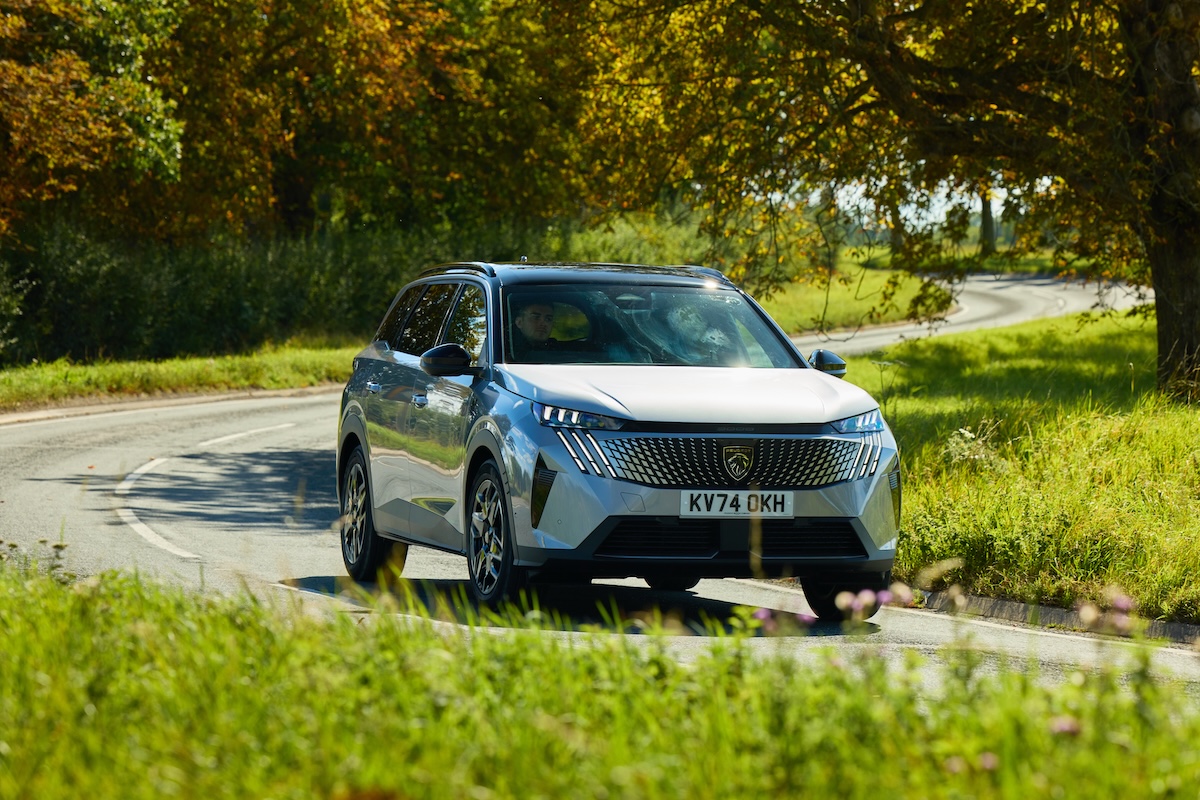
The Peugeot 5008’s main advantage is its standard seven-seat layout. Space in the front two rows is generous, and the sliding middle row allows you to adjust legroom as needed. The third row is best for children, as is typical in this class. Boot space is where the 5008 really shines. Even with all seven seats in use, you get a usable amount of space, but fold them down and it expands to a huge 916 litres. For ultimate family-hauling flexibility, the 5008 is the clear winner here.
Driving Impressions
Vauxhall Grandland driving score: 2/5
Peugeot 5008 driving score: 3/5
Neither of these SUVs is designed to be particularly exciting to drive, but there are clear differences. The Grandland’s 1.2-litre mild hybrid engine feels modest and can be noisy when pushed, with some vibrations felt in the cabin. The fully electric version is smoother and quieter. The ride is a weak point, with a constant fidgetiness that never really settles down, and you feel thumps over larger bumps.
The 5008’s mild hybrid engine also feels a bit overwhelmed by the car's size, resulting in sluggish performance. The ride is also on the firm side, and sharp-edged bumps can send a jolt through the cabin. In terms of handling, both cars exhibit a fair amount of body roll in corners and have light steering that doesn't offer much feedback. They feel safe and predictable, but rivals like the Skoda Kodiaq are more composed and comfortable.
Technology and Equipment
Vauxhall Grandland technology and equipment score: 3/5
Peugeot 5008 technology and equipment score: 4/5
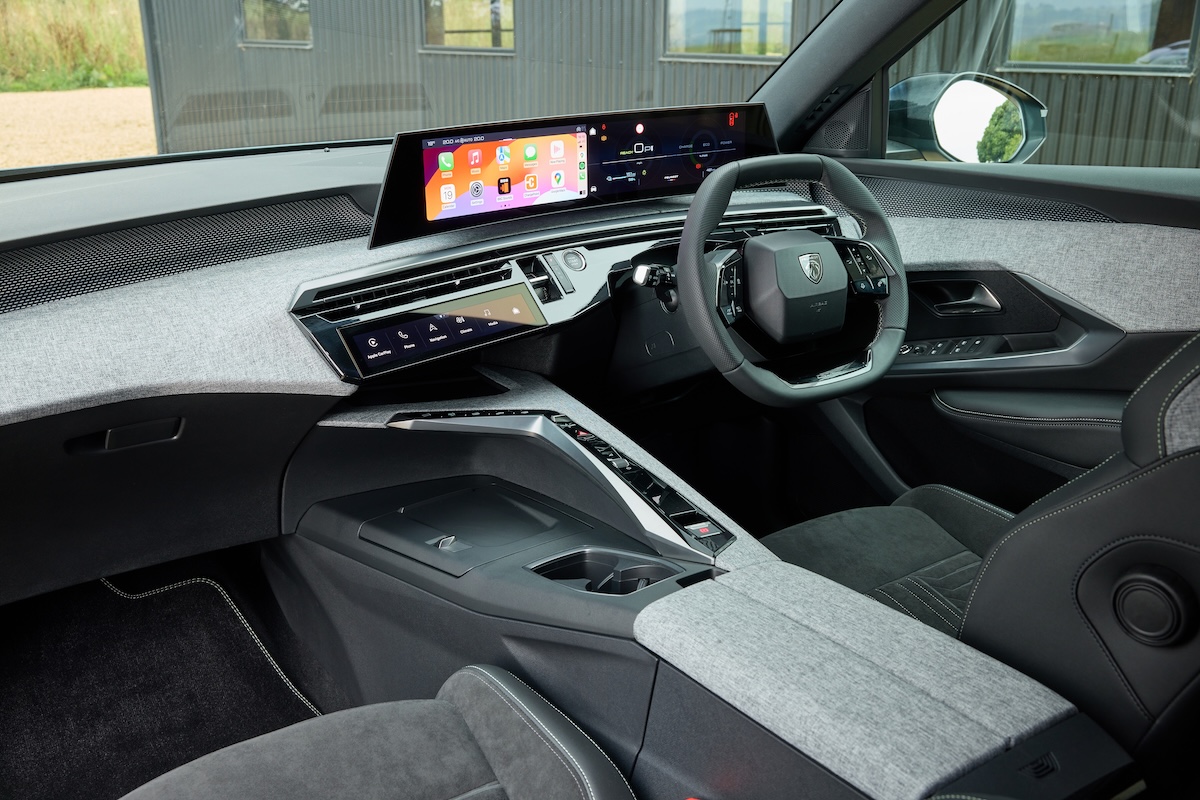
Inside, the Peugeot feels a step up from the Vauxhall. Its main talking point is the huge 21-inch curved screen that sits atop the dashboard, combining the driver’s display and central infotainment system. It looks impressive and is relatively intuitive to use, aided by a configurable shortcut panel below. The overall design feels modern and upmarket.
The Grandland’s cabin is more conventional. Depending on the trim, you get either a 10-inch or a 16-inch central touchscreen, paired with a 10-inch digital driver display. The system includes wireless Apple CarPlay and Android Auto, but the user interface can be a bit complex to navigate. Both cars are well-equipped, with even entry-level models getting plenty of safety kit and convenience features, but the 5008’s cabin has more wow-factor.
Running Costs
Vauxhall Grandland running costs score: 3/5
Peugeot 5008 running costs score: 4/5
As the larger car, the Peugeot 5008 generally commands a higher price than the Vauxhall Grandland. The mild hybrid versions of both cars claim official fuel economy of over 50mpg, but in the real world, you can expect less, as the small engines have to work hard.
For the lowest running costs, the electric and plug-in hybrid models are the ones to go for, especially if you can charge at home. The electric Grandland offers a range of up to 325 miles, while the larger battery version of the electric 5008 can officially travel up to 414 miles between charges. The 5008 also offers a plug-in hybrid, which could be a good compromise for those not ready to go fully electric.
CarGurus Buyer Insights
| Vauxhall Grandland Review (2024-present) | Peugeot 5008 2026 review | A mixed bag | |
|---|---|---|
| CarGurus expert rating | 3 out of 5 | 4 out of 5 |
| CarGurus user rating | 0.0 out of 5 | 5.0 out of 5 |
| Percentage of good/great deals available on CarGurus* | 27.8% | 31.4% |
| Overall CarGurus rating | 3.8 out of 5 | 4.3 out of 5 |
The Verdict
Vauxhall Grandland Overall CarGurus rating: 3.8/5
Peugeot 5008 Overall CarGurus rating: 4.3/5
While both of these family SUVs have their flaws, particularly when it comes to ride comfort and engine performance, one of them comes out on top in this comparison. Based on our comprehensive CarGurus Buyer Insights, the Peugeot 5008 is the winner.
It scores higher with our experts and users, and its seven-seat practicality gives it a fundamental advantage for larger families. The interior also feels more special, thanks to its sophisticated design and impressive technology. While the driving experience is a compromise, its strengths in space, style, and equipment are enough to secure the victory.
The Vauxhall Grandland is a competent five-seat SUV and may appeal to buyers with its sharp looks. However, it doesn't do enough to stand out in a crowded class and is ultimately outshone by its more versatile and stylish French cousin.
Vauxhall Grandland Pros and Cons
| Pros | Cons |
|---|---|
| Spacious for a five-seater | Unsettled ride quality |
| Versatile 40-20-40 folding rear seats | Noisy mild-hybrid engine |
| Bold 'Vizor' styling | Infotainment can be complex |
Peugeot 5008 Pros and Cons
| Pros | Cons |
|---|---|
| Standard seven-seat practicality | Overly firm and fidgety ride |
| Impressive 21-inch infotainment screen | Sluggish mild-hybrid performance |
| Huge and flexible boot space | Clumsy handling |
*The Overall CarGurus rating: that informs these recommendations is based on CarGurus' proprietary market data from January 2026, CarGurus expert reviews, and CarGurus user reviews.