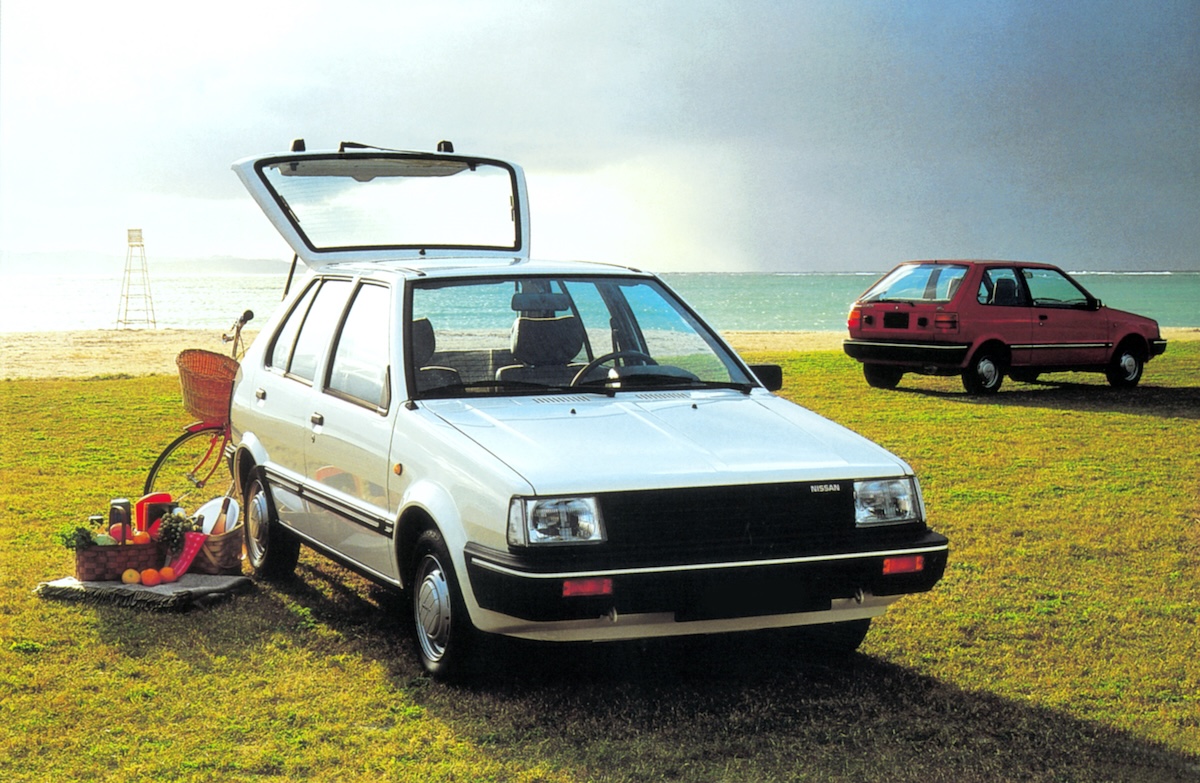
My second car was a Nissan Micra. A ‘K10’, for those of you who like an internal body code, or ‘the old, boxy Micra’ to most of us. I bought it in 2003, to replace my rather worn-out Renault 5, and it was an absolute gem. Finished in the reassuring off-white of very old underwear, and with a brown interior, my Micra was old yet had been looked after and felt solid and reliable in a way that my, er, more characterful Renault 5 had absolutely not.
The Micra’s 1.0-litre engine purred, its four-speed gearbox slipped through ratios smoothly, the brakes felt strong… It even had an automatic choke! The height of technology. It just felt proper, I suppose. Grown up, yet perfect for university life. Not only because it was huge inside yet small outside, but because it cost bobbins to run and was remarkably entertaining and confident to drive quickly.
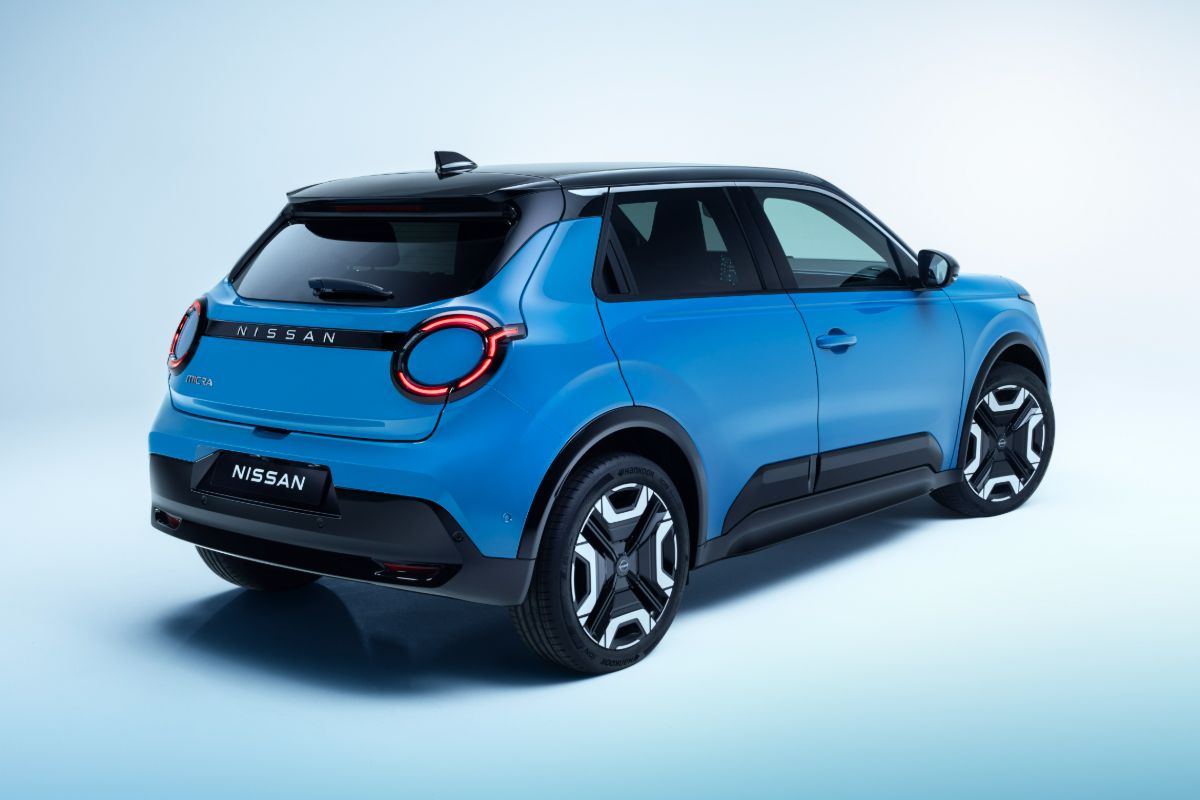
Which brings me, reluctantly, to the new Nissan Micra. Revealed recently, the new Micra has been a long time coming and was always going to be a take on the brilliant new Renault 5.
And yet, I can’t help but feel a bit ‘meh’ about it. It’s just too similar to the Renault 5. Maybe it’s because of the design; after all, the profile and roofline is unmistakably that of the Renault 5, which feels a tad disappointing for such a critical model in Nissan’s lineup.

Of course, I am well aware that vehicle manufacturing is incestuous by necessity. These days, the automotive family tree is so complex as to be more of a maze than a tree, and everyone is related. Every brand shares parts with someone else: The VW ID.3 is the same thing as the Cupra Born, and both share a platform with the Ford Explorer. The Fiat Grande Panda is the same thing as a Citroen C3 and Vauxhall Frontera. The Volvo EX-30 is also a Smart #1. No brand is an island in today’s industry, because you can’t survive like that.
So it’s nothing out of the ordinary that the Nissan Micra is now the same thing as a Renault 5, and I suppose I should be no more disappointed than I am with any other modern day badge-engineering. Especially given that the Renault 5 is flat-out brilliant.
But I can’t shake that nagging worry that Nissan needs to be more innovative with this one. You can stick an outline of Mount Fuji in the interior, if you like, but nobody’s going to be fooled.
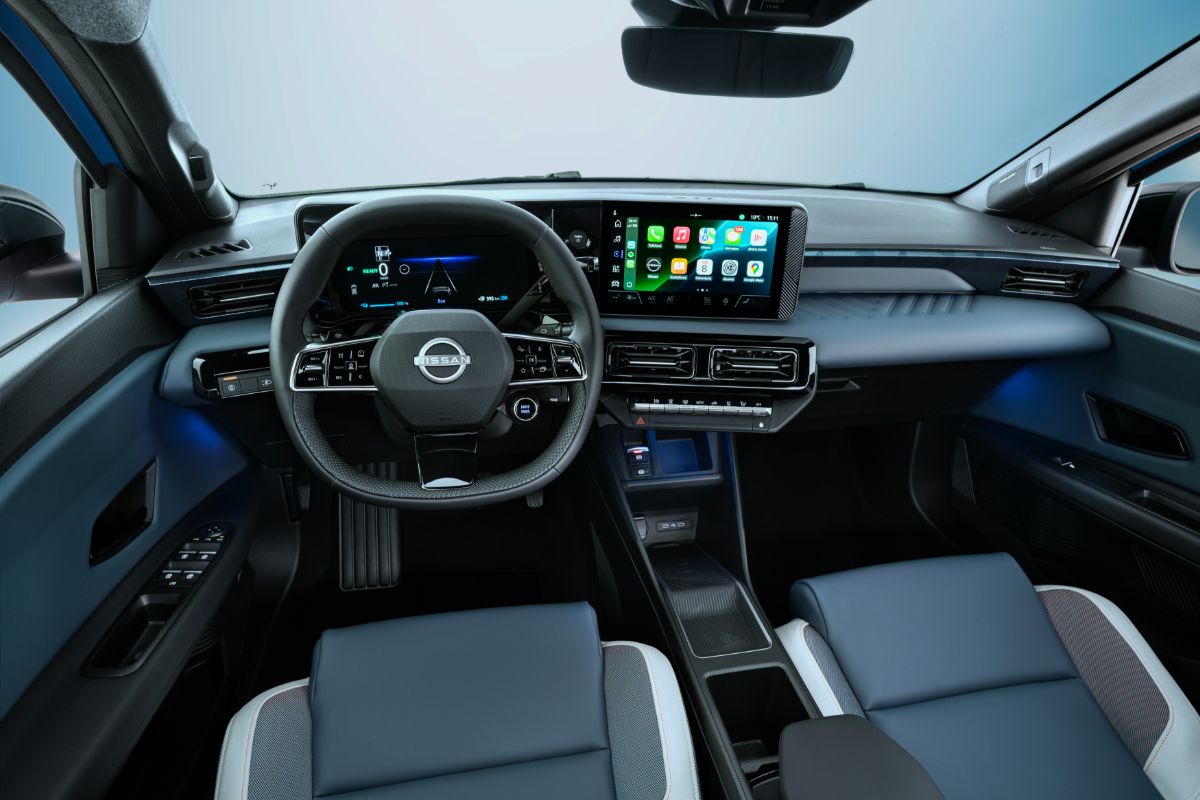
Okay, so it looks modern rather than retro. But the Micra was the default affordable, reliable little car for decades. And Nissan has such a history of bravery and bold, market-leading antics. The Nissan Leaf is the godfather of the modern EV. The Nissan GT-R is the godfather of the ultimate ‘David beats Goliath’ story in modern performance cars. The Micra used to be no less significant, in its own way. No less of a household name.