
If you're looking for a used family hatchback that feels a cut above the mainstream, the Volkswagen Golf and Volvo V40 are two compelling options. For years, the Golf has been the benchmark for quality, practicality, and all-round ability in this class. It’s the car that does everything well.
The Volvo V40, on the other hand, was designed to tempt buyers away from the established German premium players. It majors on distinctive Scandinavian style, a high-quality interior, and, of course, Volvo's legendary reputation for safety. Both offer efficient engines and a premium feel, but which one makes the smarter used buy?
Volkswagen Golf Mk6 vs Volvo V40
- Practicality
- Driving Impressions
- Technology and Equipment
- Running Costs
- CarGurus Buyer Insights
- Verdict
Practicality
Volkswagen Golf Mk6 practicality score: 4/5
Volvo V40 practicality score: 2/5
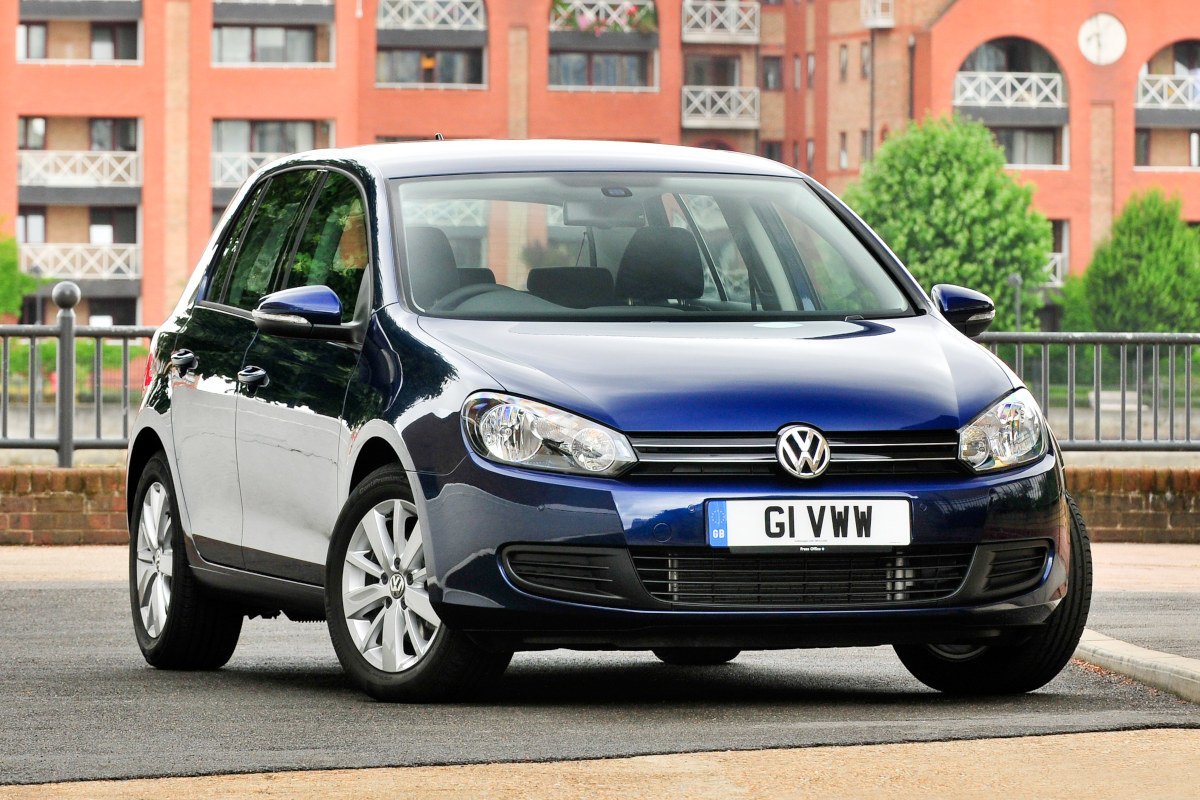
When it comes to everyday usability, the Golf's sensible design gives it a clear advantage. There's good head and legroom for passengers in the front and back, making it a capable family car. The boot offers a useful 350 litres of space, which is competitive for the class. For those needing more room, the Golf Estate and high-roofed Golf Plus models offer significantly more cargo capacity.
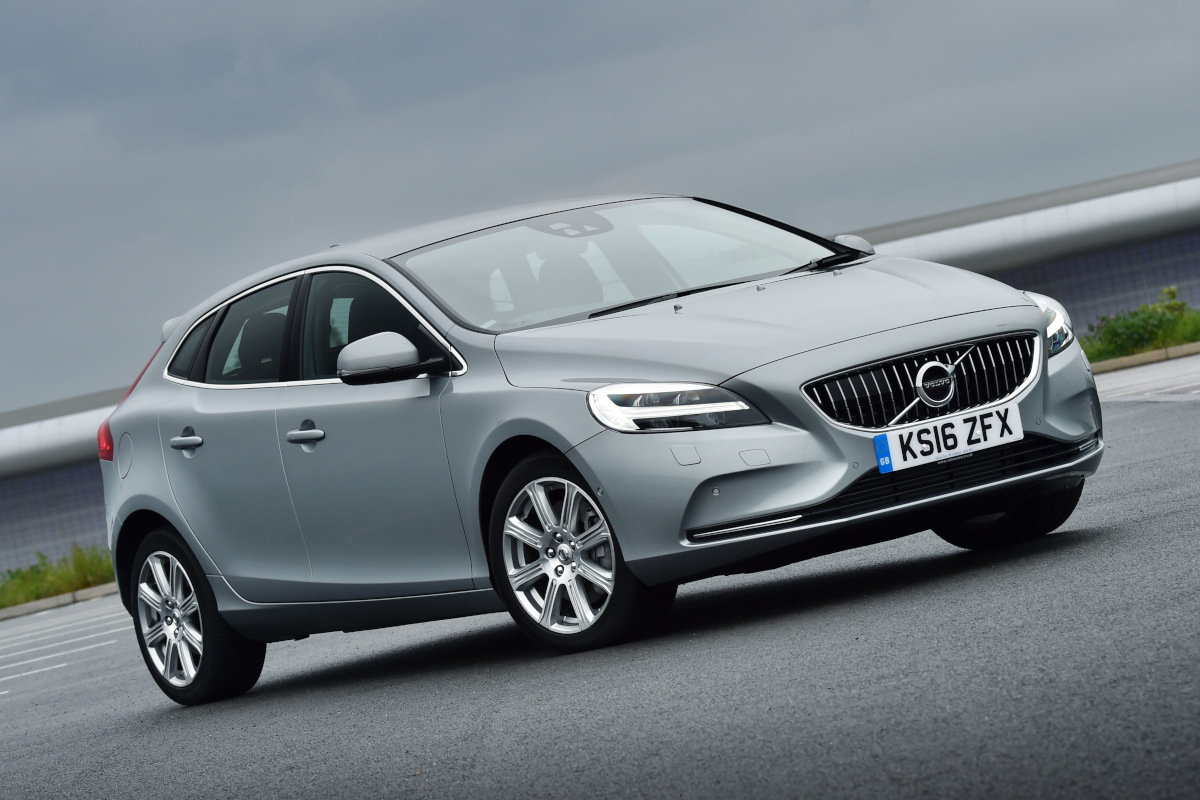
The Volvo V40 prioritises style over space. While the front seats are comfortable, the rear is noticeably tighter than in the Golf, and the small rear windows can make it feel a little claustrophobic. At 335 litres, the boot is also smaller than the Golf's and trails behind many key rivals. The V40's cabin feels upmarket, but if carrying passengers and luggage is a regular occurrence, the Golf is the more practical choice.
Driving Impressions
Volkswagen Golf Mk6 driving score: 4/5
Volvo V40 driving score: 3/5
The Golf has long been praised for its polished driving dynamics, and the Mk6 is no exception. It strikes an excellent balance between a comfortable, composed ride and confident, tidy handling. The steering is direct and gives you a good sense of connection to the road. With a huge range of petrol and diesel engines, from frugal 1.6-litre diesels to the iconic GTI hot hatch, there's a Golf to suit almost any taste.
The V40 is best described as safe and secure, rather than fun. It's a relaxed and comfortable car for motorway cruising, but on a twisty road it feels less agile than the Golf. The steering is a bit numb and it lacks the dynamic sparkle of its German rival. Most buyers will be best served by one of the efficient diesel engines, as some of the older petrols can be thirsty. For an engaging driving experience, the Golf is the clear winner.
Technology and Equipment
Volkswagen Golf Mk6 technology and equipment score: 4/5
Volvo V40 technology and equipment score: 4/5
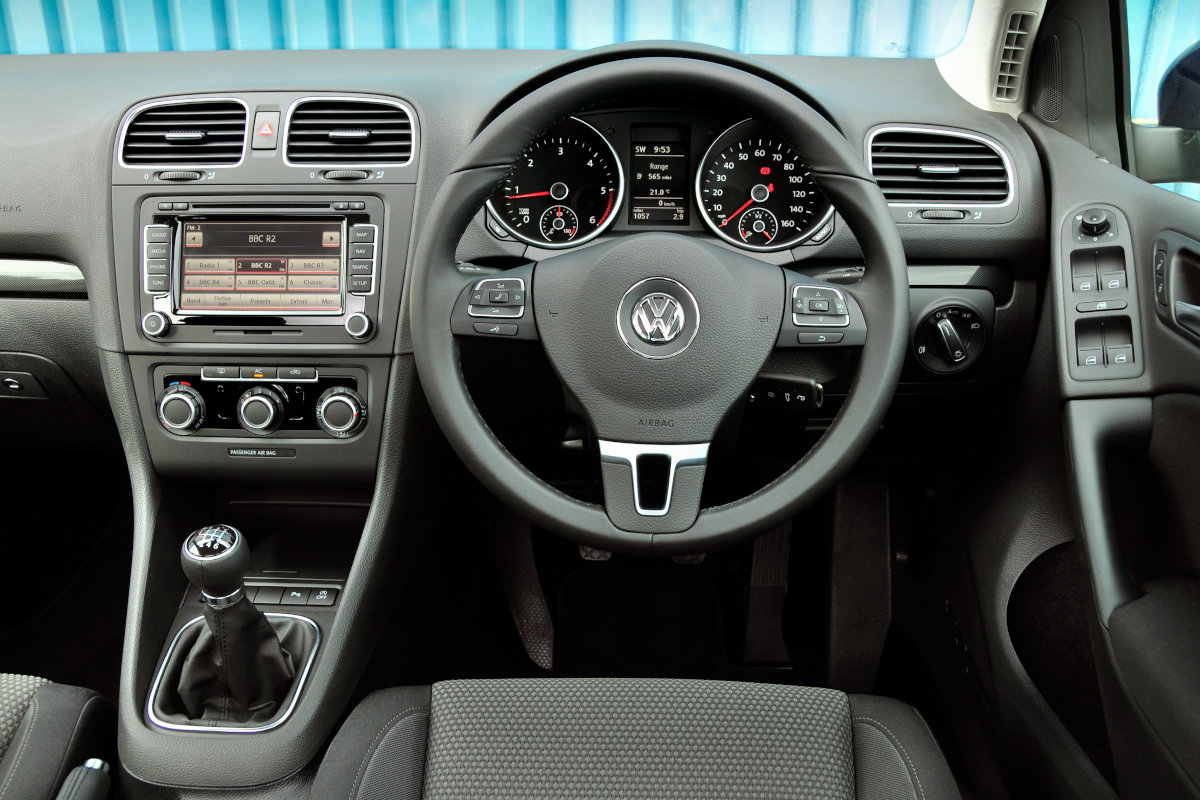
As older used cars, neither of these models will have the latest giant touchscreens, but they cover the essentials well. Entry-level Golfs can feel a bit sparse, but moving up to a mid-range SE or Match trim gets you desirable features like alloy wheels, cruise control, and an upgraded stereo. The layout is logical and easy to use, even if it looks dated.
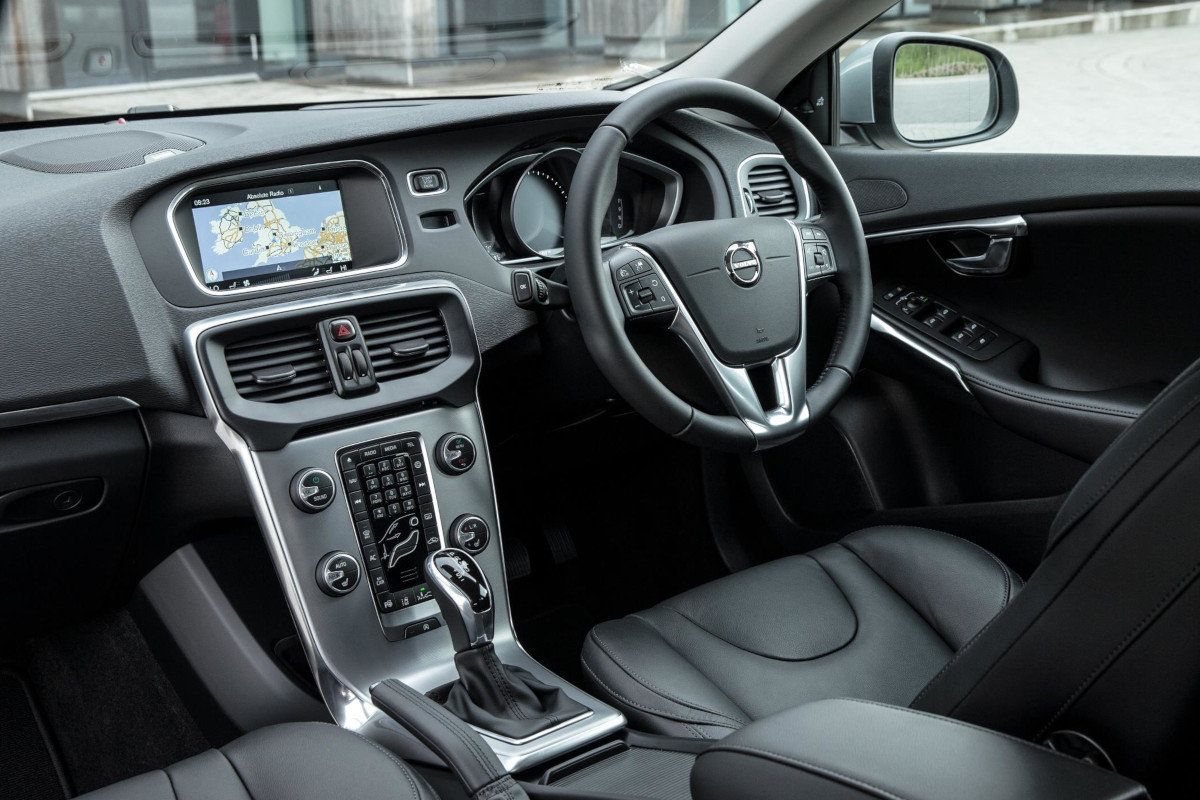
The V40's cabin is one of its strongest assets. It has a distinctive and upmarket feel, with its 'floating' centre console and quality materials. All versions came with a screen, and post-2016 models received better equipment levels. The Volvo's interior certainly looks and feels more special than the Golf's, but both cars are similarly equipped when you compare equivalent trim levels.
Running Costs
Volkswagen Golf Mk6 running costs score: 4/5
Volvo V40 running costs score: 4/5
Both cars offer the potential for low running costs, particularly if you choose one of the diesel engines. The Golf is a standout performer here, with the BlueMotion models capable of an official 74.3mpg. Even the standard 1.6 and 2.0-litre diesels can easily return over 50mpg, while the turbocharged TSI petrol engines are also reasonably economical.
The V40's D2 diesel is its efficiency champion, with the potential for over 65mpg, although performance is leisurely. The more powerful D3 and D4 diesels offer a better blend of performance and economy. Servicing costs for the Volvo can be a little higher than for the Volkswagen at main dealers, but both have a wide network of independent specialists who can help keep maintenance bills down.
CarGurus Buyer Insights
| Volkswagen Golf Mk6 Review (2009-2013) | Volvo V40 Review (2012-2019) | |
|---|---|---|
| CarGurus expert rating | 4 out of 5 | 3 out of 5 |
| CarGurus user rating | 4.7 out of 5 | 4.6 out of 5 |
| Percentage of good/great deals available on CarGurus* | 32.4% | 31.7% |
| Overall CarGurus rating | 4.5 out of 5 | 4.1 out of 5 |
The Verdict
Volkswagen Golf Mk6 Overall CarGurus rating: 4.5/5
Volvo V40 Overall CarGurus rating: 4.1/5
While both of these hatchbacks have their merits, our CarGurus Buyer Insights data points to a clear winner. The Volkswagen Golf Mk6 takes the victory with a higher overall rating, driven by better scores from both our experts and CarGurus users.
The Golf is simply the better all-round package. It’s more practical for families, more engaging to drive, and offers a wider range of engines that are generally more efficient. It’s the definition of a car that is more than the sum of its parts, delivering a polished and complete ownership experience that’s hard to fault.
That isn't to say the Volvo V40 should be overlooked. If your priorities are standout styling, a genuinely premium-feeling cabin, and top-tier safety credentials, it remains a desirable choice. However, for most used car buyers looking for the most capable and sensible family hatchback, the Volkswagen Golf’s breadth of talent makes it the winner of this test.
Volkswagen Golf Mk6 Pros and Cons
| Pros | Cons |
|---|---|
| Polished and engaging driving experience | Plain interior on lower-spec models |
| Practical interior and decent boot space | Technology is dated by modern standards |
| Wide range of efficient engines | Some engines have known reliability issues |
Volvo V40 Pros and Cons
| Pros | Cons |
|---|---|
| Stylish exterior and premium cabin | Cramped rear seats and small boot |
| Excellent safety credentials | Uninspiring to drive |
| Comfortable motorway cruiser | Some petrol engines can be thirsty |
*The Overall CarGurus rating: that informs these recommendations is based on CarGurus' proprietary market data from January 2026, CarGurus expert reviews, and CarGurus user reviews.