BMW X5 E70 Review (2006-2013)
BMW X5 cars for sale
4.0
Expert review
Pros
A joy to drive, whichever model you choose
Luxurious standard of finish
Comfortable ride of SE spec cars
Cons
Reliability issues can take the shine off owning an X5
High running costs, especially if you prefer petrol power
Pre-facelift cars aren't as well equipped as later models
The CarGurus verdict
The BMW X5 is one of those cars that you want to recommend wholeheartedly. It’s a joy to drive and to behold on your driveway, comfortable to travel in and makes you feel special to be inside. Its equipment levels are pampering and make ownership a pleasure, and it can haul a lot of luggage or, if you select the seven-seat option, transport your kids and their friends. Should the fancy take you, there’s also the possibility of indulging in some minor off-road adventures.
But while it’s no worse than some others in its class, the X5 is prone to some serious and potentially wallet-crippling mechanical maladies. We'd thoroughly recommend investing in an independent BMW-specialist pre-purchase inspection on the X5 that you’re looking at: yes, you’ll spend a few quid, but it could save you a fortune. Find a good X5, though, and your smile will be huge.
What is the BMW X5?
When BMW launched the original X5 in 2000, it proved that it was okay for an SUV to be better to drive on road than off it. Land Rover may have persisted with giving the Range Rover the ability to cross continents without touching tarmac, but the X5’s refined manners on ordinary roads won it an enthusiastic audience.
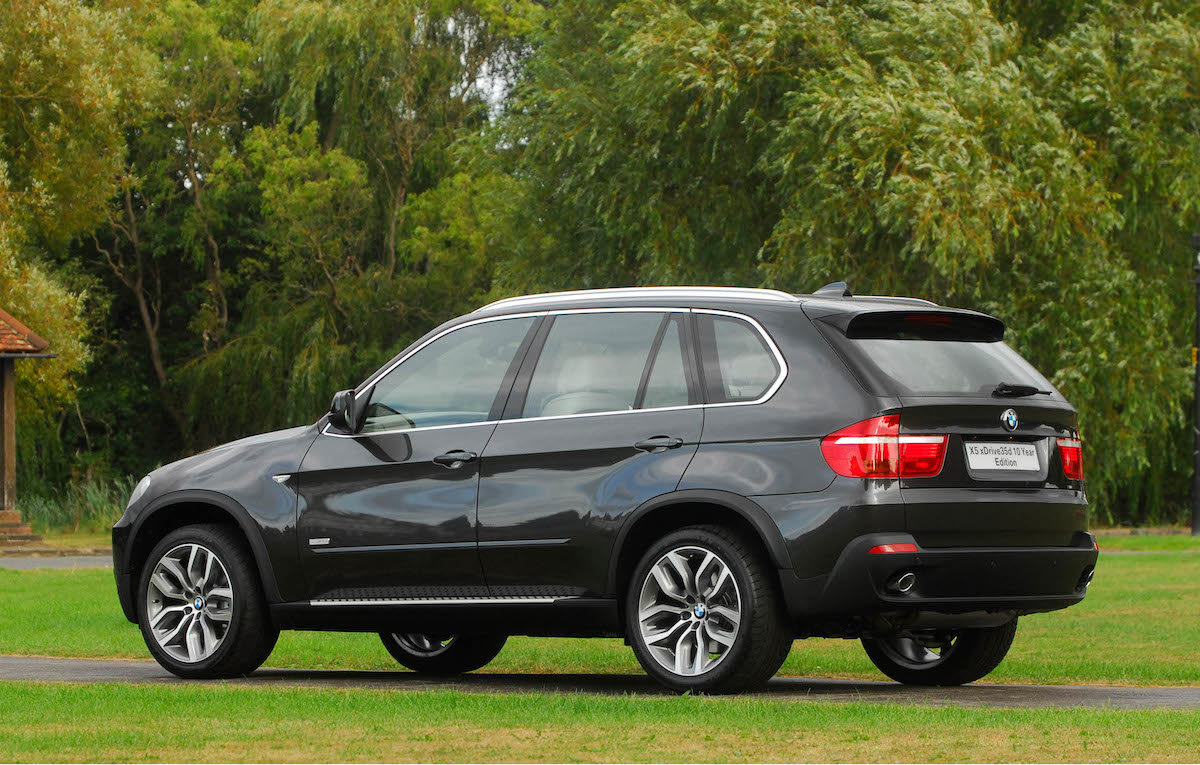
The BMW X5 mk2 – known also as the E70 by BMW enthusiasts – ramps up the sophistication over its predecessor and despite its age can give the latest generation X5 a run for its money. It’s a stylish 4x4, far more boutique than farmyard, yet with a hint that it might be up for adventure as long as things don’t get too muddy or rocky.
The E70 mk2 X5 was replaced in 2014 by the third-generation F15 BMW X5.
How practical is it?
The X5’s driving position is first-rate and its seats comfortable and supportive, particularly the sports chairs installed in the M Sport and M versions.
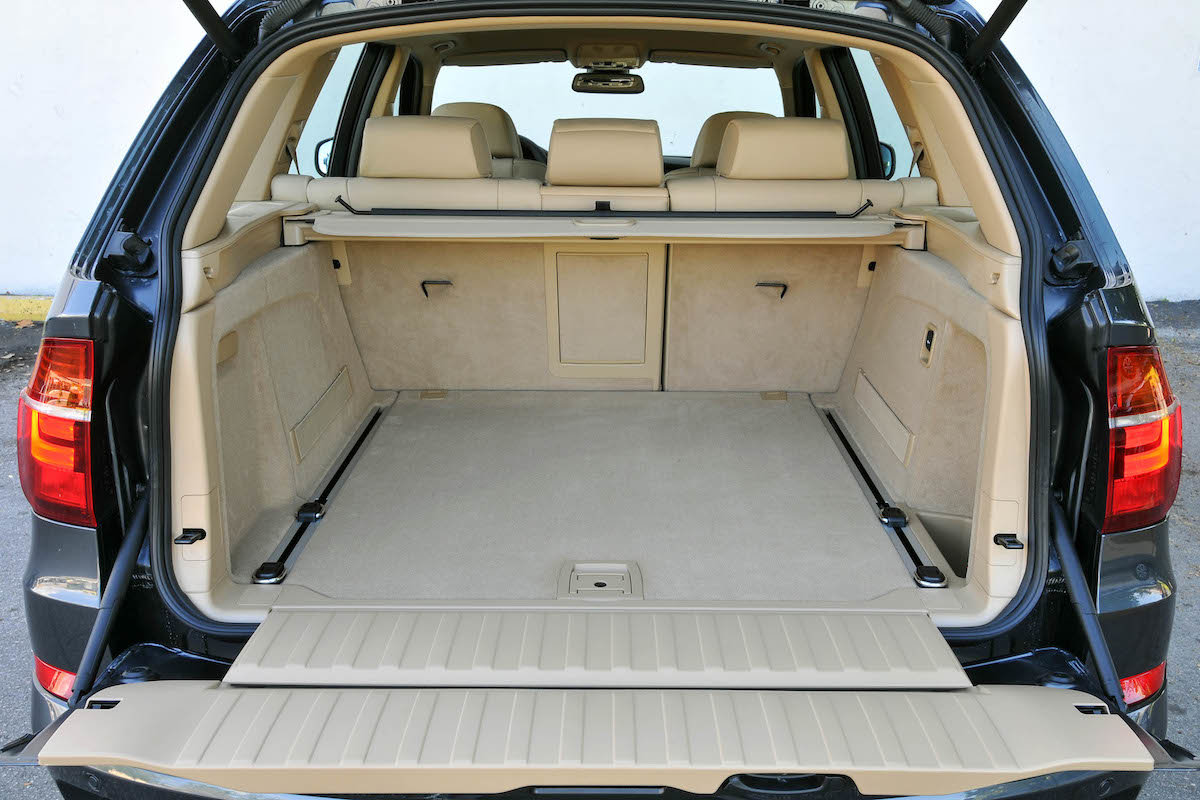
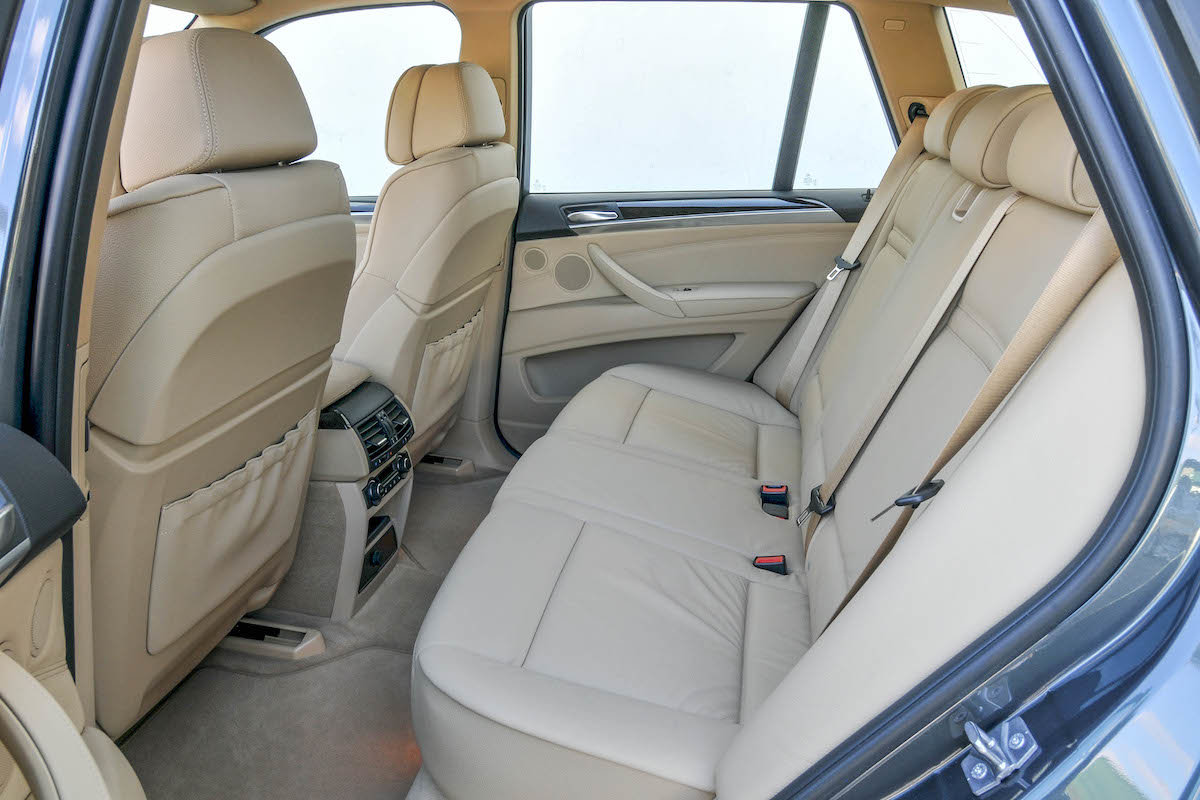
It's generously proportioned in the rear with ample head and legroom. Passengers seated in the middle will appreciate the fact that the cabin has a flat floor, and it also has the option of seven-seat configuration, although those rearmost chairs are suitable only for children.
However, most X5s are five-seaters with not only a generously sized boot – at 620 litres – but also a usefully large under-floor compartment. The X5 features a split tailgate, the lower section folding down to create a platform/seat.

What's it like to drive?
All BMW X5 E70s have an automatic gearbox: a six-speed in early cars and then an eight-speed automatic transmission after the 2010 facelift. The original engine line-up comprised an inline six-cylinder 3.0-litre turbodiesel, a 3.0 petrol and a 4.8-litre V8 petrol, with a more powerful 3.0 diesel arriving shortly afterwards. In 2009, the 547bhp twin-turbo V8 petrol BMW X5 M made its thunderous debut. With the 2010 facelift, the mainstream engines became more powerful and produced fewer CO2 emissions, while in 2012 an M Performance version of the 3.0-litre diesel was introduced with a trio of turbochargers and 376bhp.
Quiet and relaxed on the motorway, the X5 is also very playful on back roads in spite of its size, which is very much in keeping with BMW’s driving pleasure ethos. But although there’s much to recommend the X5, it’s prone to numerous mechanical problems and isn’t cheap to run.
Technology, equipment & infotainment
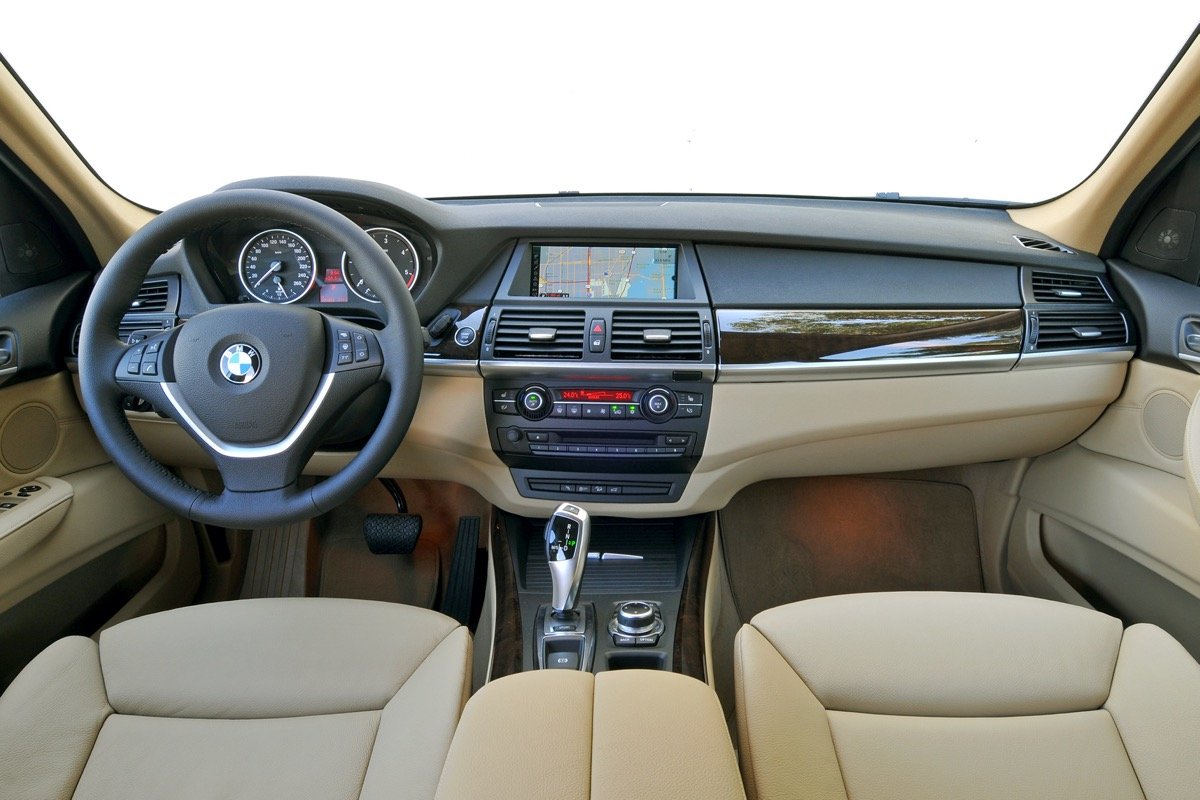
Inside the ambience is all premium/upmarket/luxury, with high quality plastics and trimmings and lovely-looking leather, especially the optional Nappa variety. There's a precision feel to all the controls and switchgear, and a touch of hi-tech thanks to BMW’s iDrive infotainment system, which operates a multitude of vehicle functions via a knob that twirls and presses, whilst connecting to a screen on the facia.

BMW X5 running costs
For a large, heavy, four-wheel drive SUV, diesel versions of the X5 perform comparatively well at the pumps. Quoted combined fuel consumption figures range between 34mpg and 37mpg, the latter for the 375bhp M50d, which is quite some achievement for an SUV that’s so quick.
The picture is nowhere near as pretty for petrol versions of the X5. The 3.0-litre straight-six models are claimed to give 27mpg, while the V8-engined cars struggle to break the 20mpg barrier, and driven with vigour, may plunge perilously close to single figures.
The diesel versions of the X5 may have been the first conventional SUVs to dip below 200g/km of CO2 emissions, but that doesn’t make them cheap to tax. Annual Vehicle Excise Duty rates range from £305 to £565, depending on the model. Predictably, the petrol-engined cars are worse, the annual tax bill sitting between £565 and £580. Insurance groups echo the other costs for the X5, with the range spanning groups 40 to 50.
By this stage in the life of a second-generation X5, it’s unlikely that you’ll be taking it to an official BMW dealer for servicing. Fortunately, the UK is well supplied with good independent BMW specialists that will service your X5 for comparatively modest money. We’ve seen prices as low as £135 for a full service (every 12 months/10,000 miles), £105 for an interim (every six months or 5,000 miles) and £95 for an oil service. We’d expect to pay slightly more than that, though, and bear in mind that on an older car with high mileage, there are bound to be other repair and maintenance costs to be added on.
Your recently purchased X5 is unlikely to have fresh tyres on it, so budget for about £160 apiece for the fronts (assuming you’re investing in a quality brand) and roughly £200 for each rear. If you’re buying an X5 for towing duties, it’s worth knowing that an aftermarket retrofit towbar can cost as much as £1,200, with another £700 to sort out extra cooling for the engine and transmission. For reference, the factory-fit towbar option was £600, so you may want to take your time and hunt down a car with one of these.
Satnavs were never standard on the X5 but were a popular option. If the satnav fails, dealers are asking about £1,500 to replace it. A specialist can mend it for about £250, but you might just want to plug in a separate unit or use a smartphone app.
BMW X5 reliability
Ever wondered why you can buy what was once a very expensive and popular prestige SUV so cheaply? Reliability issues affect the X5 as keenly as they do most other cars of its ilk. While some lucky owners are puzzled by this reputation, others understand it all too well.
Diesel particulate filters (DPFs) are the bane of modern motoring regardless of the badge on your car’s nose. When a DPF fails to function properly, it causes diesel fuel to pool in the engine’s sump and push up the oil level, in the worst-case scenario resulting in engine destruction. As a replacement BMW turbodiesel engine can cost as much as £20,000, it’s worth asking when the DPF was last replaced, or investing £300 or so with a specialist to clean out and refresh the existing one.
Staying on the subject of diesel engines, many BMWs suffered from the disintegration of the air intake system’s ‘swirl’ flaps, chunks of plastic which could be ingested by the engine and cause catastrophic engine failure. If the swirl flaps haven’t already been replaced, it’s worth researching specialist companies that sell sturdier aluminium alternatives. Other diesel maladies include failing glow-plugs, and on later engines, glow plugs that corrode themselves into the cylinder head.
Petrol and diesel engines suffer from weak and stretchy cam chains that rattle when starting from cold and can cause serious engine problems, all the way up to complete failures. Poor starting and rough running can be a sign that the fuel injectors are on their way out, as can excessive exhaust smoke at start-up.
Any SUV with air suspension is prone to both airbag leakage and air compressor pump failure, and the X5 is no exception. Suspension bushes are likely to require replacement from about 90,000 miles, while the electronic parking brake is prone to sticking on with older cars; many others premium SUVs suffer the same issue.
More mundane, but annoying all the same, is the fact that the silvery finish on some interior trim components is prone to flaking off and looking scruffy, and there are more cabin rattles than befits the BMW brand. And lovely though the prospect of the panoramic glass sunroof is, it’s irritatingly prone to failure.
- BMW changed the naming convention of the X5 in 2008, the new badges highlighting the company’s four-wheel drive system, xDrive. From then on the 232bhp 3.0 turbodiesel became the xDrive 30d, the 282bhp version the xDrive 35d (replaced in 2010 by the 302bhp xDrive 40d), while the 3.0 petrol was badged xDrive 30i and the 4.8-litre V8 renamed xDrive 48i. In 2010 the latter was replaced by the xDrive 50i, a twin-turbo 4.4-litre V8 with 402bhp. When a triple-turbo 3.0 diesel was launched in 2012 as part of the M Performance sub-brand, it was labelled M50d.
- The BMW E70 X5 is well-equipped even in basic SE form, and includes such niceties as air-conditioning, cruise control, parking sensors, self-levelling rear suspension, alloy wheels and, from the 2010 facelift onwards, leather upholstery. Facelifted models also benefit from an eight-speed automatic gearbox and xenon headlights. The SE has 18-inch alloys which give a better ride quality than wheels of larger diameter. The M Sport trim has 19-inchers that look great but aren’t as comfortable.
- For some potential owners the option of a seven-seat version was the highlight of the second-generation X5’s introduction, but there were some clever electronics on the options list, too. Chief amongst these is Adaptive Drive, which incorporates Electronic Damper Control. This automatically firms up the dampers to reduce body roll through fast corners to give a sporty drive, then softens them off again during normal driving to the benefit of ride comfort. Active Steering applies more steering lock than the driver has inputted through the wheel at low speeds to make parking a doddle, and then becomes more direct the faster you go, for steering precision and stability.
- If you want a good all-rounder: If your finances will stretch to it, the facelifted xDrive 40d is a cracker. Thanks to 306bhp it’s very quick, hitting 62mph from standstill in just 6.6 seconds, and yet has a official combined fuel consumption figure of 37.7mpg and a CO2 output of a very creditable 198g/km. Those last two figures aren’t too far adrift of those for the less powerful xDrive 30d, so why not indulge yourself?
- If you just want an X5 that looks the business: While the SE version, with its more comfortable ride quality on 18-inch alloys, is the sensible choice, it’s hard to resist the lure of the M Sport derivatives, which give you 19-inch rims, M Aerodynamic body styling, matt aluminium window surrounds, gloss black roof rails, sports suspension, sports seats and an M leather steering wheel. Team that little lot with the xDrive 40d drivetrain, and you’ll have the go that goes with the show.
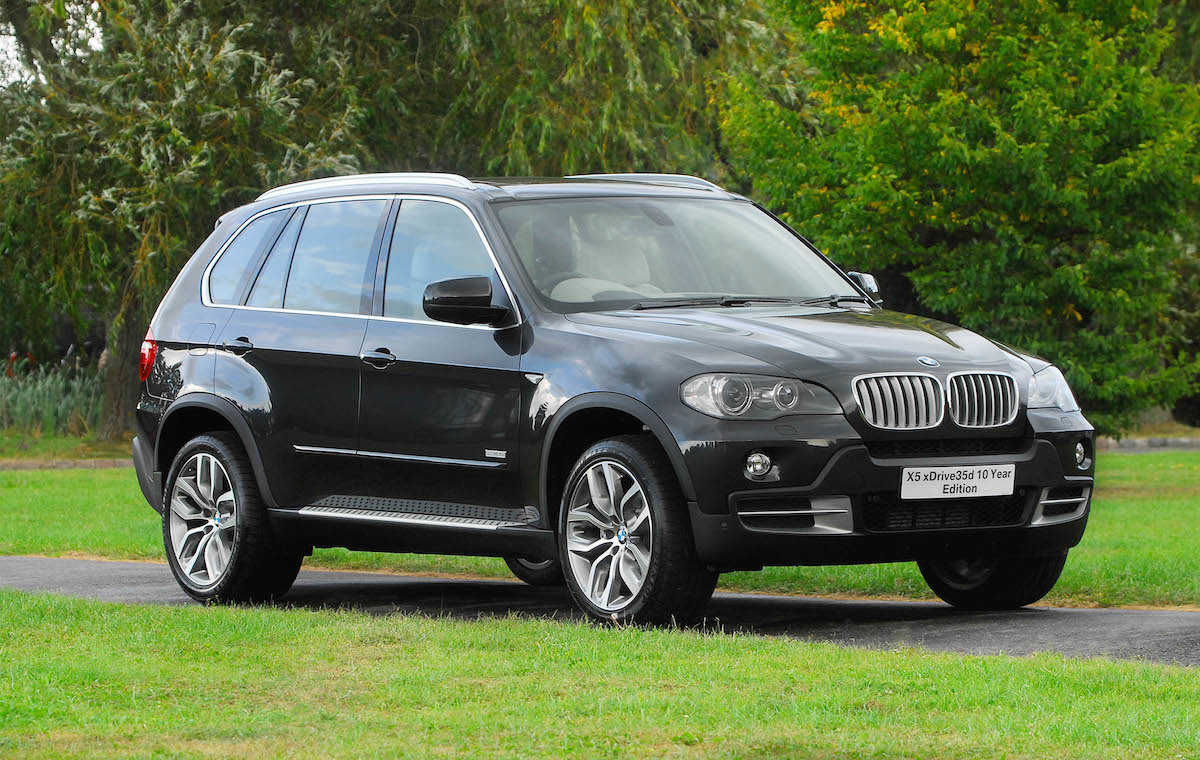
- If you fancy an X5 that’s a little bit special: In 2010 BMW launched the 10-Year Edition, based on the xDrive 35d, of which just 2,000 were produced. Looking stylish in its Sophisto Grey metallic paint, the 10-Year Edition features unique 20-inch alloys, a panoramic glass sunroof, Comfort Access and Comfort Seats, gorgeous Nappa leather upholstery, BMW Individual Piano Black trim pieces and commemorative plaques.
- If you want to go a little bit bonkers: You have a couple of choices here. The X5 M with its twin-turbo 4.4-litre petrol V8, producing 547bhp, certainly fits the bill, but its running costs are horrendous. The M50d from 2012 has a 3.0-litre diesel with three turbochargers, and while its 376bhp power peak can’t match the V8’s, the 546lb ft (740Nm) of torque it develops from 2,000rpm makes it insanely quick in everyday conditions for a machine of this size.


