Ferrari California Review (2008-2017)
Ferrari California cars for sale
4.0
Expert review
Pros
Delivers the long-distance comfort of a true grand tourer
Surprisingly generous boot space
One of the most affordable modern Ferraris
Cons
Not as exciting to drive as a Ferrari should be
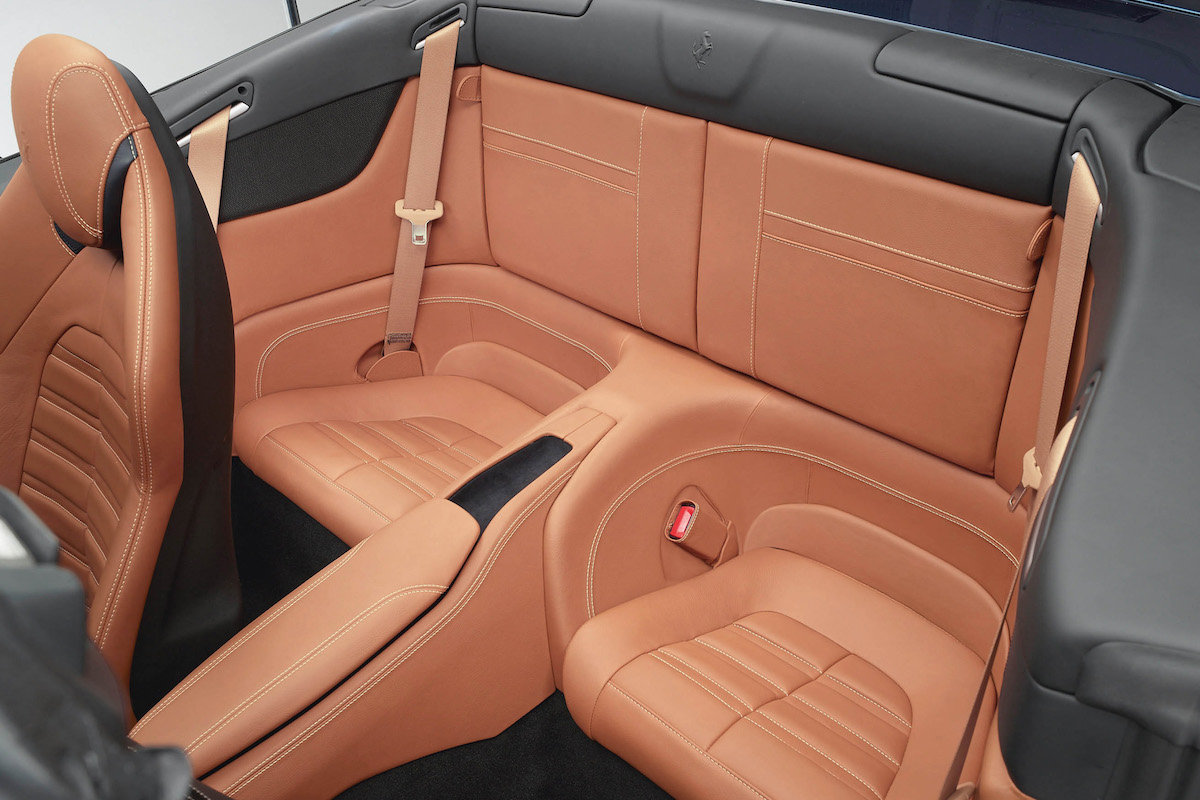
Cramped rear seats
The California T's engine doesn't sound as soulful as the naturally aspirated engine in earlier cars
The CarGurus verdict
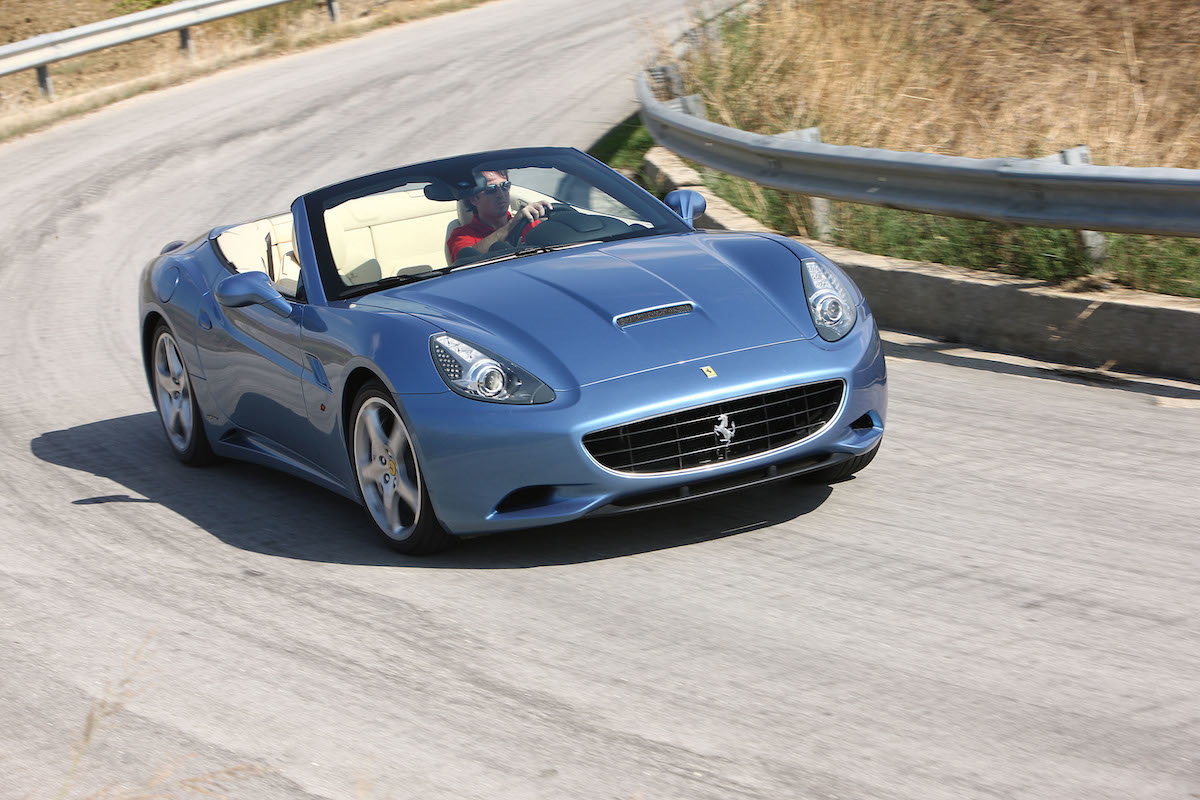
The California is a Ferrari for a particular sort of buyer. For really keen driving enthusiasts, both the California and California T will be underwhelming at best, and at worst, rather disappointing. But for the sort of driver for whom the styling, speed and glamour of a Ferrari is the better part of the car's appeal, both versions are well-judged and expertly-executed. They are easy to drive, comfortable over longer journeys, true grand tourers thanks to their long-legged gaits and generous boot space and, best of all, they offer the roof-down benefits of a convertible with the security and weather protection of a coupe.
Ferrari’s appealing warranty offering can help to take the sting out of supercar ownership, although no Ferrari will ever cost peanuts to run. With so many sold over the years, second-hand buyers have plenty of examples to choose from. Ultimately, however, whether there’s a T after its name or not, the California is not the type of Ferrari that will be regarded as a truly great Prancing Horse in the years and decades to come.

What is the Ferrari California?
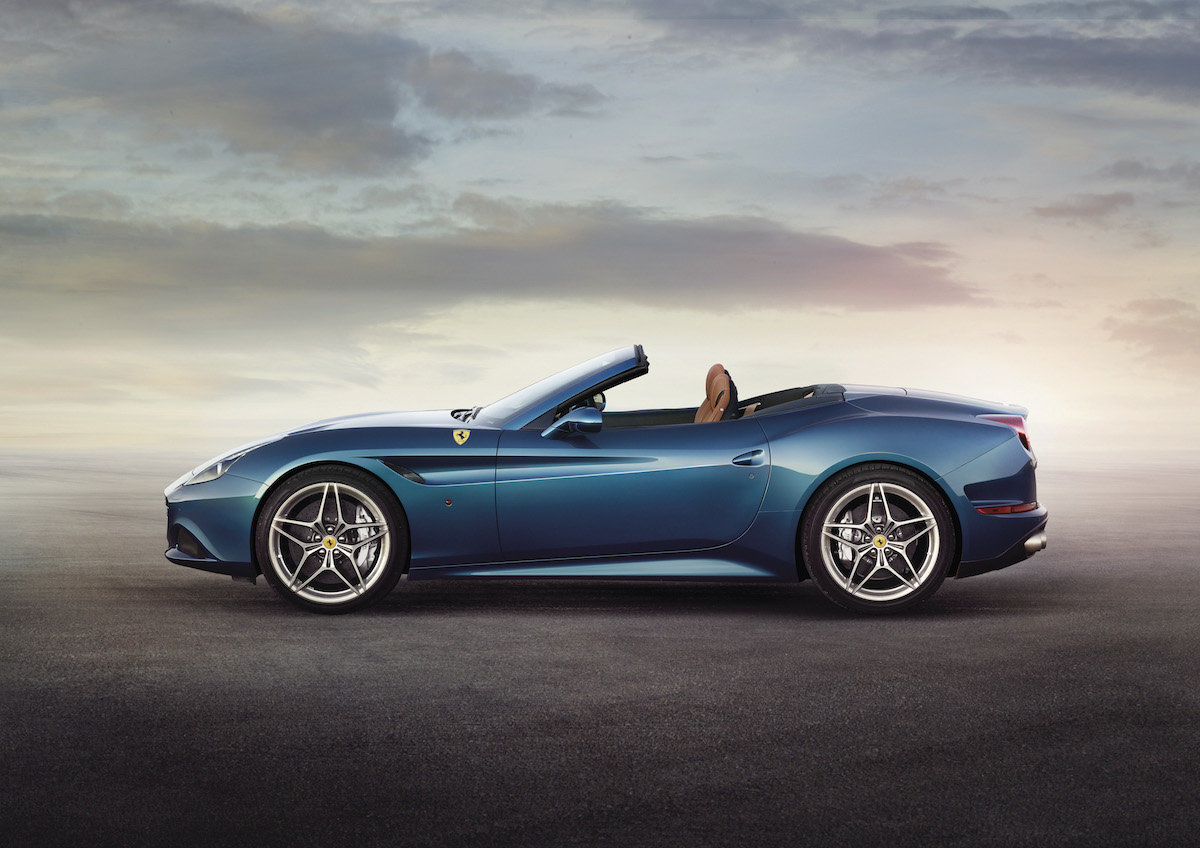
The California, which first arrived in 2008, was a very different sort of Ferrari. For one thing, it was the first front-engined Maranello machine to use a V8 motor (before 2008, all V8 Ferraris had been mid-engined) and it was the first to use a folding hardtop roof rather than a fabric hood. It was also very different in character to the company’s other models of the day. Whereas the F430 and 599 were uncompromising, hard-edged performance cars, the California was unashamedly a relaxed grand tourer. Think Aston Martin rather than Lamborghini.
For that reason, it won few admirers in enthusiast circles: the most flinty-eyed drivers found much more to get excited about in the Italian marque’s other models. But for a certain type of buyer, one who used their Ferrari every day, or in town, or for proper long-distance grand touring, the California was just the ticket. Fast but easy to live with; stirring the way a Ferrari should be, yet comfortable on long journeys.
How practical is it?
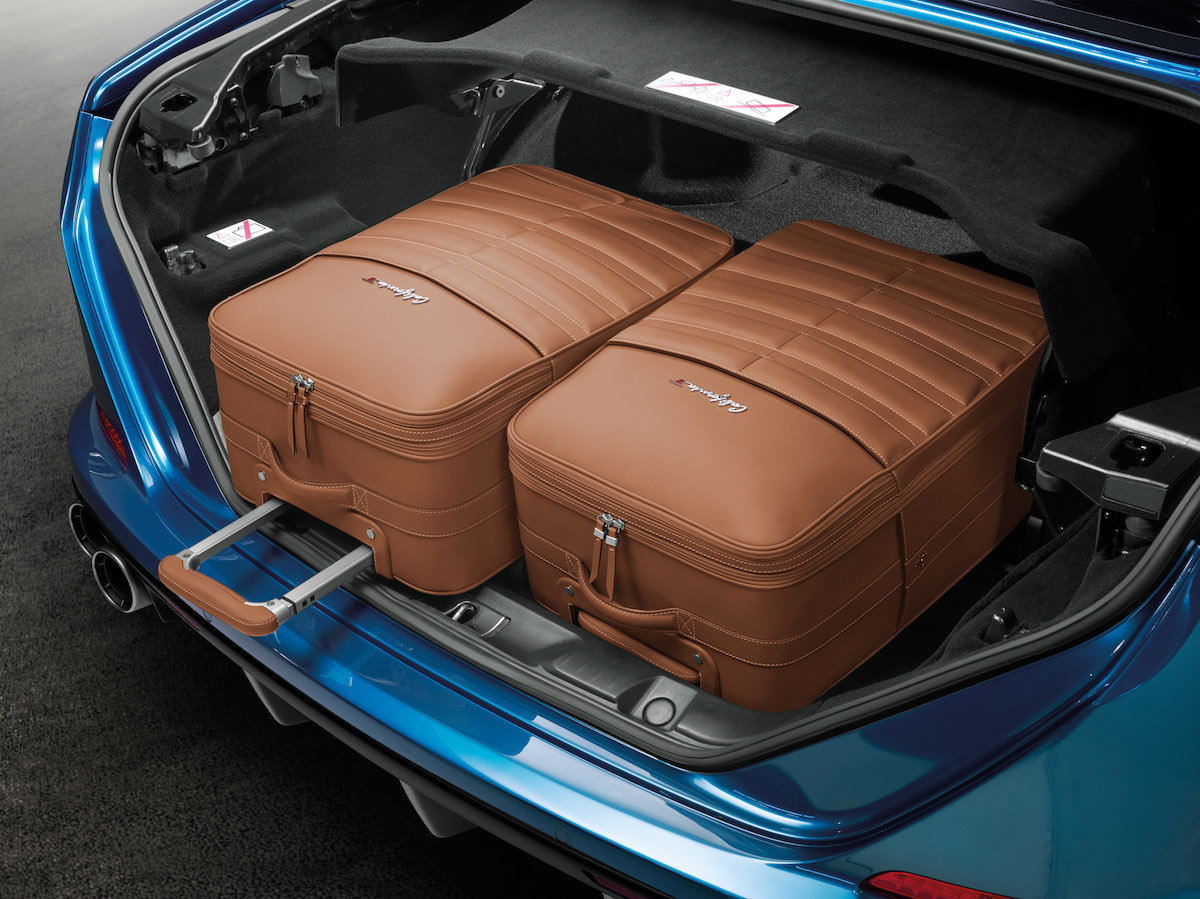
The California and the California T that replaced it were more grand tourers than true sports cars. Both versions could be had in either 2+2 form, with a small pair of rear seats, or as strict two-seaters. Bear in mind, though, that the rear seats are only really capable of accommodating small children: even other 2+2 grand tourers such as the Aston Martin DB11 offer more space. Two-seat variants are rarer, but they provide a useful storage area behind the seats.
For two people, however, it’s a pretty spacious grand tourer, with plenty of room to stretch out in the front seats. The boot is a respectable 240 litres with the folding metal roof down, but that swells to a genuinely impressive 360 litres – more than a Ford Focus of the same era – with the roof up.
What's it like to drive?
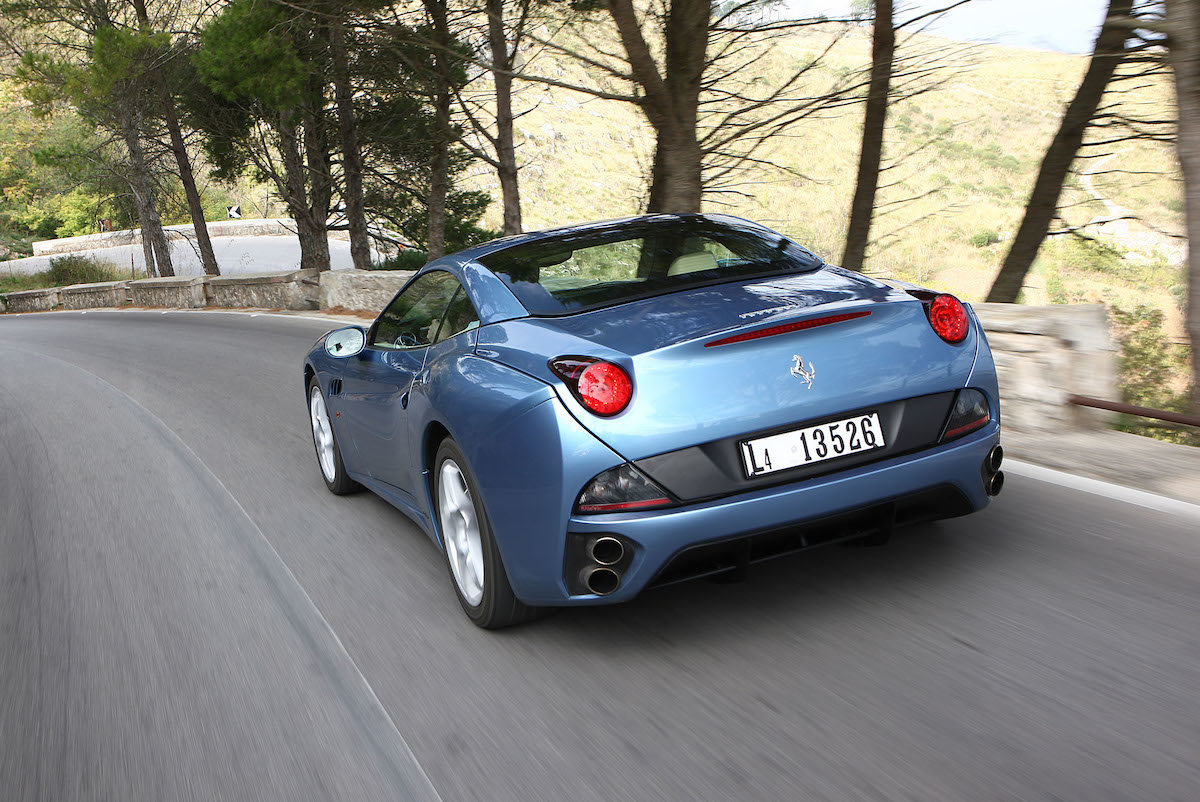
The California’s 4.3-litre naturally-aspirated V8 developed plenty of power and sounded glorious while doing so. Buyers could choose between a seven-speed twin-clutch gearbox (a huge improvement on the company’s earlier single-clutch paddle shift gearboxes) and a six-speed manual, although reportedly only three such cars were ever built. Weighing around 1800kg, the California was, and remains, one of the heaviest Ferraris ever. That blunted its straight-line performance and prevented the droptop from ever being a truly invigorating driver’s car.
Ferrari heavily facelifted the Pininfarina-styled California in 2014, and in the process, fettled its name to become the Ferrari California T. The revised model, with cleaner styling and an updated cabin, used a smaller turbocharged V8 engine (hence the T), which was more powerful, yet more fuel efficient than the outgoing motor, and had lower emissions. A derivative of the California T’s twin-turbo engine would be fitted to Ferrari’s entry-level mid-engined car, the 488 GTB, a year later.
The new turbo engine didn’t sound as soulful as the old naturally-aspirated one, but as far as turbocharged engines go it was relatively tuneful, thanks to some very clever exhaust tuning. There was no doubting the immediacy of its throttle response, meanwhile. Gone was the option of a manual transmission, however, the only gearbox now available being a dual-clutch.
Technology, equipment and infotainment
Much of the technology in the California focuses on the driving experience. The dual clutch gearbox, for example, truly moved things on, combining the smoothness of a torque converter automatic with the snappiness of a good paddleshift system. Carbon ceramic brakes were standard right from the start, too, while MagneRide adaptive suspension was an option.
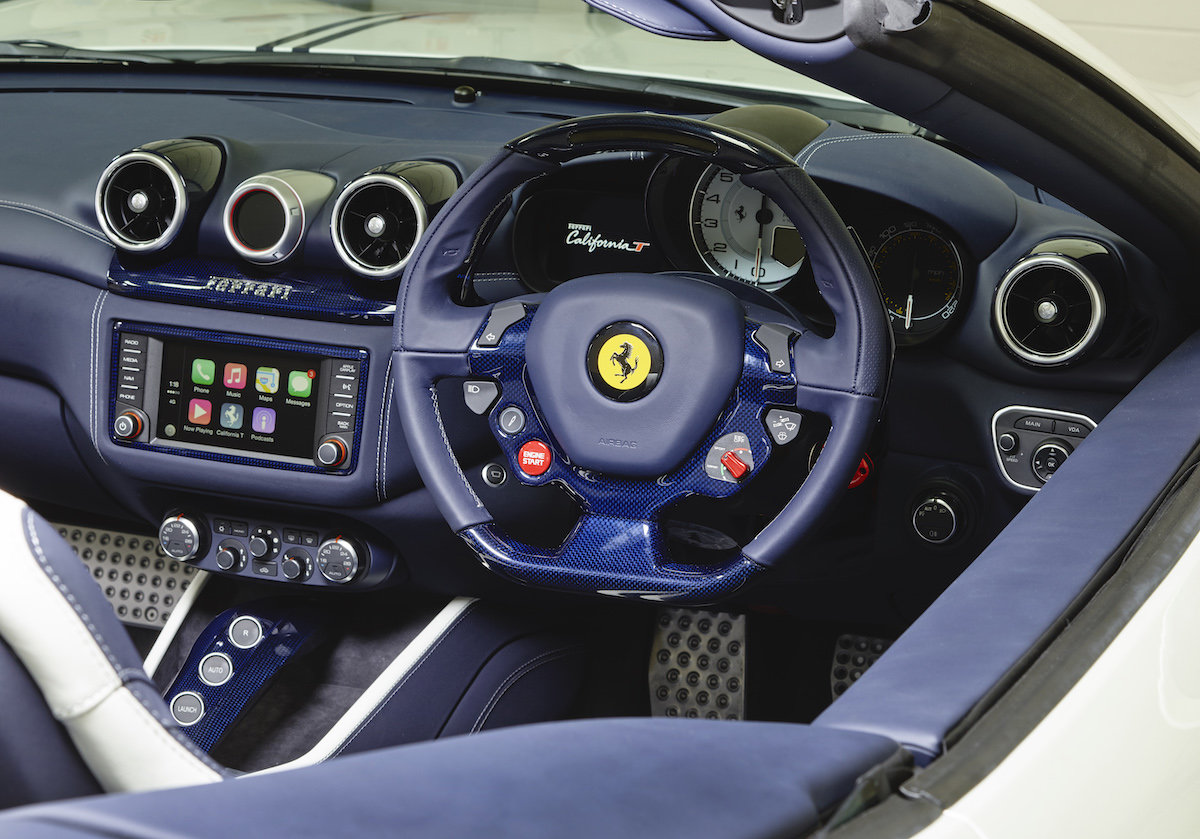
Inside, the California’s cabin offers an appealing blend of old and new. It’s very much a traditional Italian design with swooping curves, hooded dials and lashings of high-quality leather. The main concession to modernity is the touchscreen infotainment system. Admittedly, the version found in the original California looks quite dated now, but it’s intuitive enough to use. The updated system in the California T has crisper graphics, and it was the first Ferrari to come with Apple CarPlay.
Ferrari California running costs
No Ferrari will be cheap to run. On paper, the later California T is more fuel efficient than the earlier car, but in reality there’ll be very little in it. Expect the later model to achieve around 20mpg in mixed driving, while the California should deliver an mpg figure in the high teens.
Insurance will be another significant cost – both versions sit in the uppermost group, 50 – and so will road tax. Perishable items like tyres will also set you back a sizeable sum, probably in excess of £1,000 for the full set, while brake pads, engine oil and the like will all come at inflated Ferrari prices.
For the first seven years of any new Ferrari’s life, for instance, annual servicing is covered free of charge. Ferrari calls it General Maintenance and it applies to the car rather than the owner, meaning one keeper after another will benefit. However, the California is now sufficiently old that even the youngest California Ts will no longer be eligible.
And once those seven years are up, you have to fork out for maintenance yourself, which is, predictably, very expensive. Many owners choose to have their cars maintained by reputable specialists rather than main dealers. This can save significant amounts each year without compromising on the level of care your car receives.
Ferrari California reliability
On top of General Maintenance, Ferrari offers a good warranty package. Initially, it runs for three years with no mileage limit, but after that it can be extended (at additional cost) for up to 15 years in total, meaning even some of the earlier Californias could still be covered by a manufacturer warranty.
A very small number of Californias were subject to a recall in May 2012. Worldwide only a couple of hundred examples were affected (all manufactured in either 2011 or 2012), although the fault was hardly minor: incorrectly machined crankshafts could lead to the engine seizing suddenly, potentially causing an accident. Replacements crankshafts or new engines altogether were fitted under warranty at no cost to owners.
For the most part, Californias and California Ts have proved to be dependable machines. Engine mounts have been known to weaken and sag, and will need to be replaced. There were a handful of dual-clutch transmission failures in the very early days, and though Ferrari replaced a number of gearboxes wholesale, the fault later turned out to be no more serious than poor connectors that could be soldered together again. Finally, a small number of owners have reported faults with the roof mechanism, so be sure to check that the folding hardtop operates as it should.
- Perhaps in response to the criticism Ferrari received for their more sedate driving manners, both the California and California T were offered with optional handling upgrade packages. Called Handling Speciale pack in both cases, the upgrades consisted of retuned dampers and stiffer springs to help sharpen up responses. These packages didn’t exactly transform either model – even with the tauter suspension, both California variants remain comfort-oriented and rather weighty machines – but more enthusiastic drivers would do well to seek out the upgrade nonetheless.
- There is no such thing as an underpowered Ferrari California. The original model, with the 4.3-litre normally-aspirated V8 that it shared with the 458 Italia, boasted 453bhp. It was capable of reaching 62mph in 4.0 seconds and running on to 193mph. Inevitably, the turbocharged California T was even faster. With 552bhp and a mighty 557lb ft of torque from the twin-turbo 3.9-litre V8, it could reach the 62mph benchmark in 3.6 seconds and top out at 196mph.
- Early in 2012, Ferrari launched an updated version of the first California. Badged California 30, it was lighter than the standard car by 30kg and more powerful by 30bhp. The 0-62mph dash was reduced by two-tenths of a second, while the car’s top speed crept up to 194mph. It was fitted with the Handling Speciale Package as standard. The California 30 was unveiled at the Geneva motor show in March 2012 and went on sale in Europe shortly after.
- On a budget: the earliest Californias come in at around £60,000. That makes the droptop one of the most affordable modern Ferraris out there. Most will have been used as occasional cars and covered only 40,000 miles or so as a result. Expect any used California to be in excellent condition.
- Every horsepower counts: if your budget will run to £85,000, you’ll be able to pick up the more powerful California 30. With a little extra shove, slightly less weight and the tauter chassis, this is the model to aim for if you intend to do more than just scoot through town and schlep along motorways.
- Give me turbos: the California T, on sale between 2014 and 2017, has slipped beneath the £85,000 price point. You could therefore pick up the more recent model for not much more than you’d spend on a late-model California, worth considering given it’s a better car overall.
- The mid-engined alternative: if pin-sharp driving dynamics are important to you, there’s another convertible Ferrari you should consider. The 458 Spider isn’t as usable every day or quite so comfortable over long distances, but it is much more thrilling to drive. Although you will pay more, as prices start at around £130,000.


