Boot space is an important consideration for many car buyers, whether it's fitting in prams, dogs, luggage, or just the weekly shopping. A large boot gives you that extra practicality and, as you'll see, you don't always have to buy a huge SUV or estate car to get one. Some cars simply have bigger boots than others.
Here, we've selected our favourite new cars and used cars – of various types – that over-index on boot capacity compared with their direct rivals. The table below shows how many litres of boot space you get to the load cover in each car (in five-seat mode for seven-seater cars), so you can see just how capacious they are. Keep scrolling down the page for more details about each model.
About this guide
The cars in this guide have been selected to represent the best options currently available. Our recommendations are the result of a unique three-part scoring system that takes into account real-world tests from our team of expert reviewers, ratings from real-life owners who live with these cars every day, and an analysis of market data from CarGurus UK to identify which models offer the highest percentage of good and great deals. This combined approach ensures our list highlights cars that are not only great to own but also good value to buy. For more information, scroll to the bottom of this page.
The Best Cars with Big Boots 2026
- 2026 Mercedes-Benz E-Class
- 2026 BMW 4 Series
- 2026 Hyundai Tucson
- 2026 Skoda Octavia
- 2026 Citroen Berlingo
- 2026 Skoda Superb
- 2026 Renault Clio
- 2026 Ford Puma
- 2026 Peugeot 5008
- 2026 Volkswagen ID Buzz
CarGurus expert rating: 4 out of 5
CarGurus user rating: 4.8 out of 5
Percentage of good/great deals available on CarGurus: 33.7%
Overall CarGurus rating: 4.5 out of 5
| Pros |
Cons |
| Serene comfort for long journeys |
Expensive for private buyers |
| Broad range of engine options |
Bewildering array of trims and options |
| Traditional feel combines with high-tech equipment |
E450 d is astonishingly expensive |
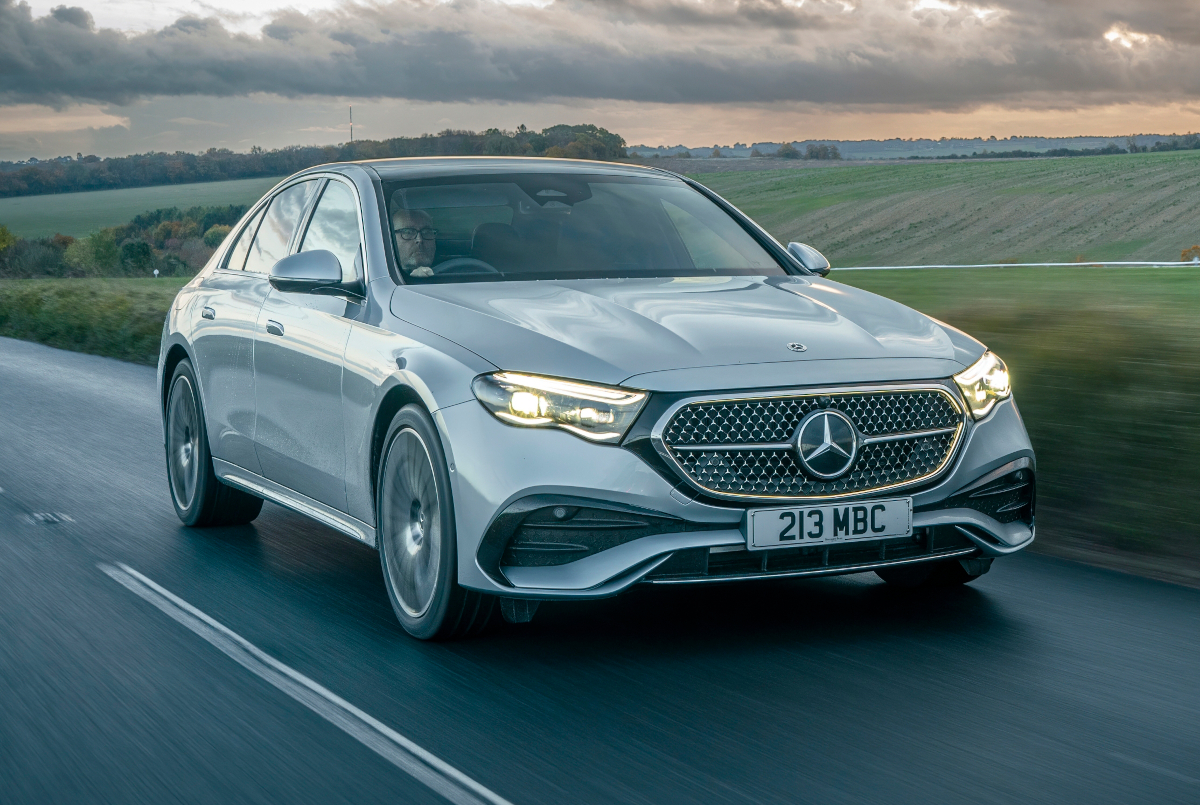
The Mercedes E-Class is a benchmark for understated quality, and its practicality is a major draw for executive car buyers. While plug-in hybrid (PHEV) models see their boot space reduced to accommodate the battery, the mild-hybrid versions are exceptionally generous. The E-Class estate (station wagon) is the practicality champion, offering a vast 615 litres of boot space, which is more than enough for golf clubs, bulky buggies, or family holiday luggage. Even the saloon provides a very useful 540 litres.
Regardless of the model, rear passengers are treated to ample space, making it a comfortable car for transporting adults on long journeys. The E-Class truly shines on the move, delivering a serene and comfortable driving experience. Its sophisticated suspension and quiet cabin create a retreat from the outside world, making it an ideal companion for cross-country motorway drives. While it may not offer the sharp, sporty handling of a BMW 5 Series, the E-Class differentiates itself with a stately, traditional feel combined with cutting-edge technology like the optional MBUX Superscreen.
The CarGurus Verdict: "The Mercedes E-Class is a very lovely, if expensive, executive car. It differentiates itself from its rivals with a somewhat traditional, stately feel and an impressively varied diesel-powered lineup, despite also featuring cutting-edge tech – and that's a hard balance to strike." - Vicky Parrott, contributing editor
Read our full Mercedes-Benz E-Class review
Search for Mercedes-Benz E-Class
See all
CarGurus expert rating: 4 out of 5
CarGurus user rating: 4.8 out of 5
Percentage of good/great deals available on CarGurus: 34.6%
Overall CarGurus rating: 4.5 out of 5
| Pros |
Cons |
| Exceptionally good to drive, even by BMW's high standards |
Controversial looks, in particular the grille |
| Superb interior quality |
Convertible sacrifices some practicality |
| Brilliant infotainment system |
Adaptive suspension costs extra |
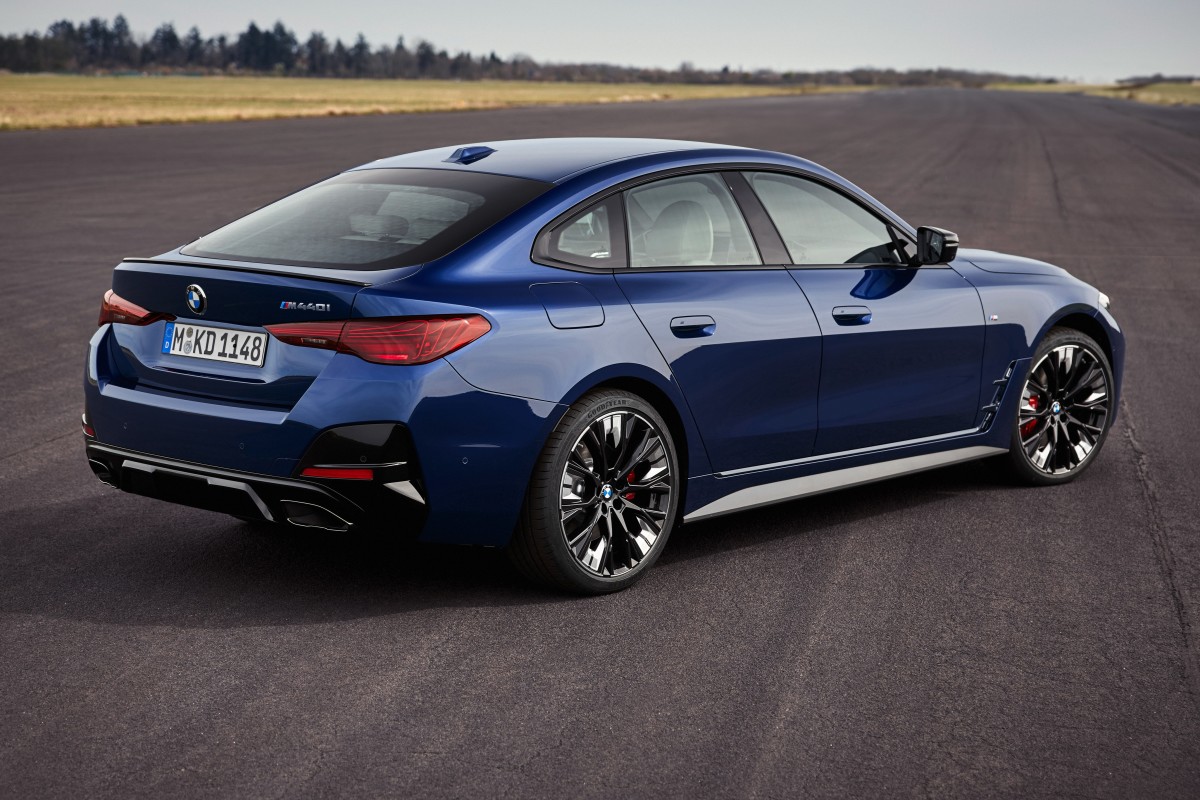
While it shares its foundations with the excellent 3 Series saloon, the BMW 4 Series is a standalone model with a lower, wider stance and, yes, a bigger boot. For those prioritising practicality, the Gran Coupe model is the pick of the bunch, transforming the stylish coupe into a practical five-door family car. It boasts a large hatchback tailgate that opens to reveal a 470-litre boot, which is significantly more space than you get in the 3 Series saloon. This practicality doesn't come at the expense of luxury; the interior quality is a highlight, with a driver-focused dashboard, premium materials, and BMW's brilliant iDrive infotainment system, which can be controlled intuitively via a rotary dial or through voice commands.
The 4 Series is a joy to drive, with a range of engines to suit any taste, from the efficient 420d diesel to the thrilling M440i. The 420d uses mild-hybrid technology to deliver an impressive blend of power and economy, officially returning up to 62.8mpg. For those wanting more performance, the 430i model features a highly-tuned four-cylinder engine producing 248bhp, while the range-topping M440i boasts a 3.0-litre straight-six engine with a potent 369bhp. Regardless of the engine, the 4 Series' stiff chassis provides exceptional handling and ride comfort, suppressing road noise and vibrations to create a refined and engaging driving experience on any journey.
The CarGurus Verdict: "In terms of numbers, the boot of the regular 4 Series Coupe offers 440 litres of luggage capacity, while the more accommodating Gran Coupe's hatchback delivers 470 litres of space – almost estate car levels of room." - Pete Tullin, contributor
Read our full BMW 4 Series review
CarGurus expert rating: 4 out of 5
CarGurus user rating: 4.8 out of 5
Percentage of good/great deals available on CarGurus: 34.3%
Overall CarGurus rating: 4.4 out of 5
| Pros |
Cons |
| Lots of standard kit |
Not all that fun to drive |
| Five-year warranty |
Unsettled ride on big 19-inch wheels |
| Choice of hybrid powertrains |
Plug-in hybrid range not a match for best in class |
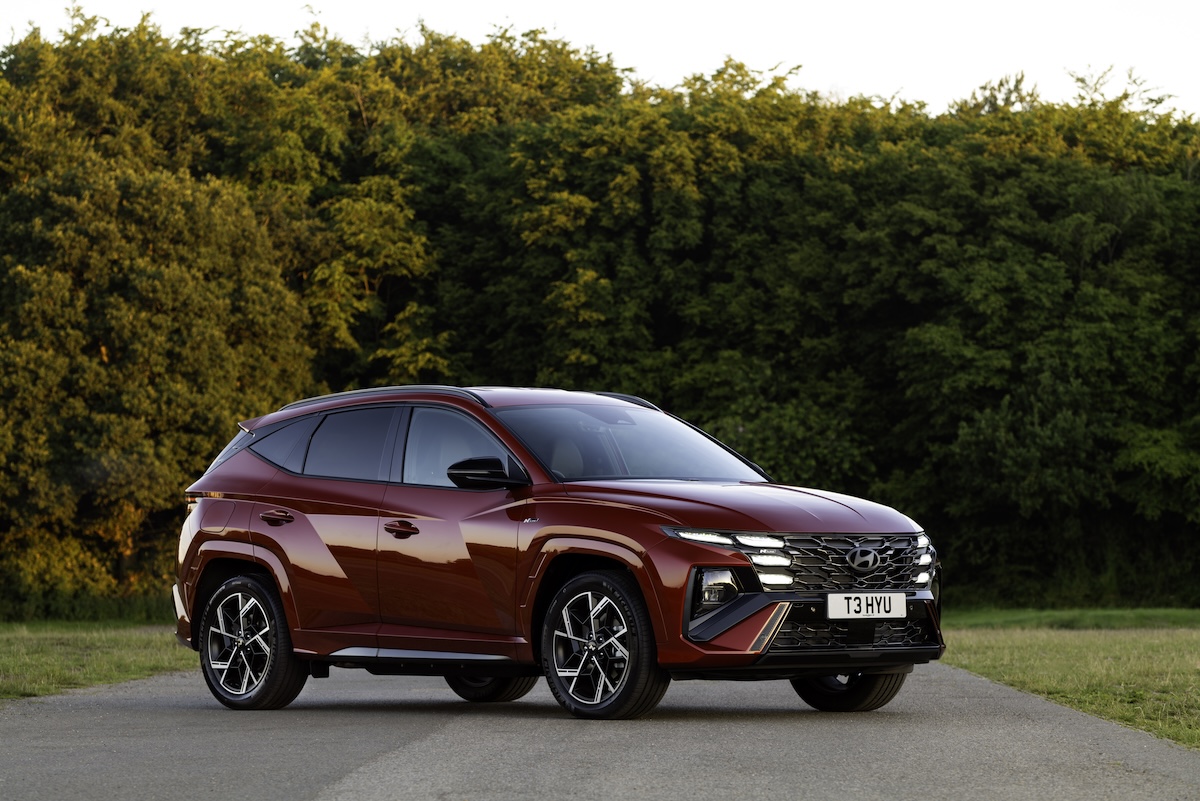
The Hyundai Tucson is a family SUV that offers striking looks, generous passenger space, a high-quality interior and a huge boot. For those needing maximum luggage capacity, the non-hybrid petrol model boasts a cavernous 620-litre boot, which is among the best in its class. While adding hybrid technology reduces this slightly, the full hybrid still offers 577 litres and the plug-in hybrid provides a very usable 558 litres, ensuring that even the most efficient models are well-suited for family duties.
All versions use the same 1.6-litre turbo petrol engine, which is then augmented by mild hybrid, self-charging hybrid, or plug-in hybrid systems depending on model. To drive, the Tucson is comfortable and easygoing, while its smart interior boasts high-tech touchscreens that are still very easy to use.
The CarGurus Verdict: "Throw in a wide range of hybrid powertrains, and one of the biggest boots in the class, and you have a great all-round family SUV." - Chris Knapman, editorial director
Read our full Hyundai Tucson review
CarGurus expert rating: 4 out of 5
CarGurus user rating: 4.6 out of 5
Percentage of good/great deals available on CarGurus: 36.4%
Overall CarGurus rating: 4.4 out of 5
| Pros |
Cons |
| Larger than its rivals – and cheaper to boot |
There are more exciting family cars out there |
| Comfortable and refined driving experience |
Not quite the bargain Skodas used to be |
| Thoughtfully designed and well-built interior |
No fully electric version |
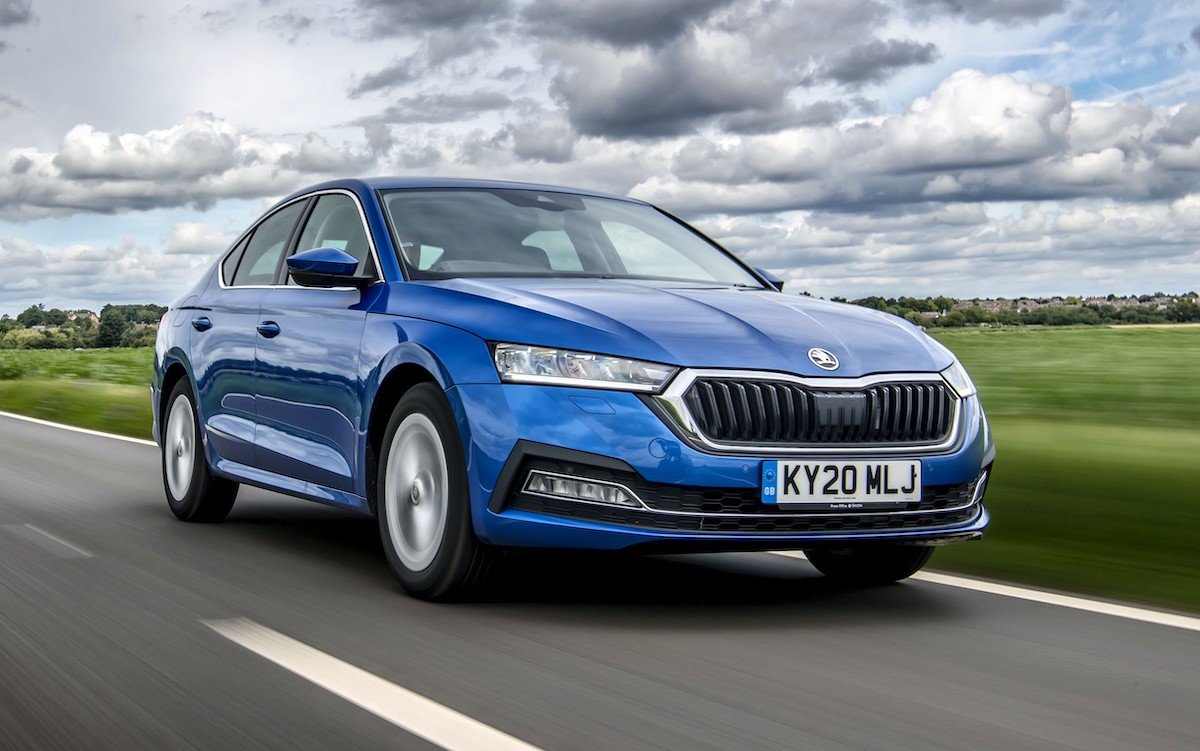
The Octavia epitomises Skoda's ethos of offering a bigger car for a smaller price. The hatchback model boasts an enormous 600-litre boot, which is significantly larger than most rivals in its class. For those who need even more room, the Octavia Estate expands that boot capacity to a cavernous 640 litres. Beyond sheer volume, the Octavia impresses with class-leading passenger space, especially for rear-seat legroom, making it a supremely practical family car.
The Octavia is not just about space; it's also an impressively civilised and comfortable car to drive. The ride is smooth and the cabin is quiet, creating a serene environment. While it may not have the most agile handling in its class, the Octavia does at least always feel stable and assured. The engine lineup offers a great mix of performance and efficiency, with mainstream 1.0- and 1.5-litre petrol engines achieving fuel economy in the mid- fifties, while the 2.0-litre diesels can reach the mid-sixties.
The CarGurus Verdict: "Its generous size and space mean it's (by some distance) the most practical car of its type, and it's also packed full of clever little features that help make family life that little bit easier." - Ivan Aistrop, senior editor
Read our full Skoda Octavia review
CarGurus expert rating: 4 out of 5
CarGurus user rating: 4.6 out of 5
Percentage of good/great deals available on CarGurus: 34.9%
Overall CarGurus rating: 4.4 out of 5
| Pros |
Cons |
| Enormous boot and flexible seating |
Lots of body lean |
| Affordable to buy and run |
Seven-seat XL model is expensive |
| Sliding rear doors |
Some rivals have longer new-car warranties |
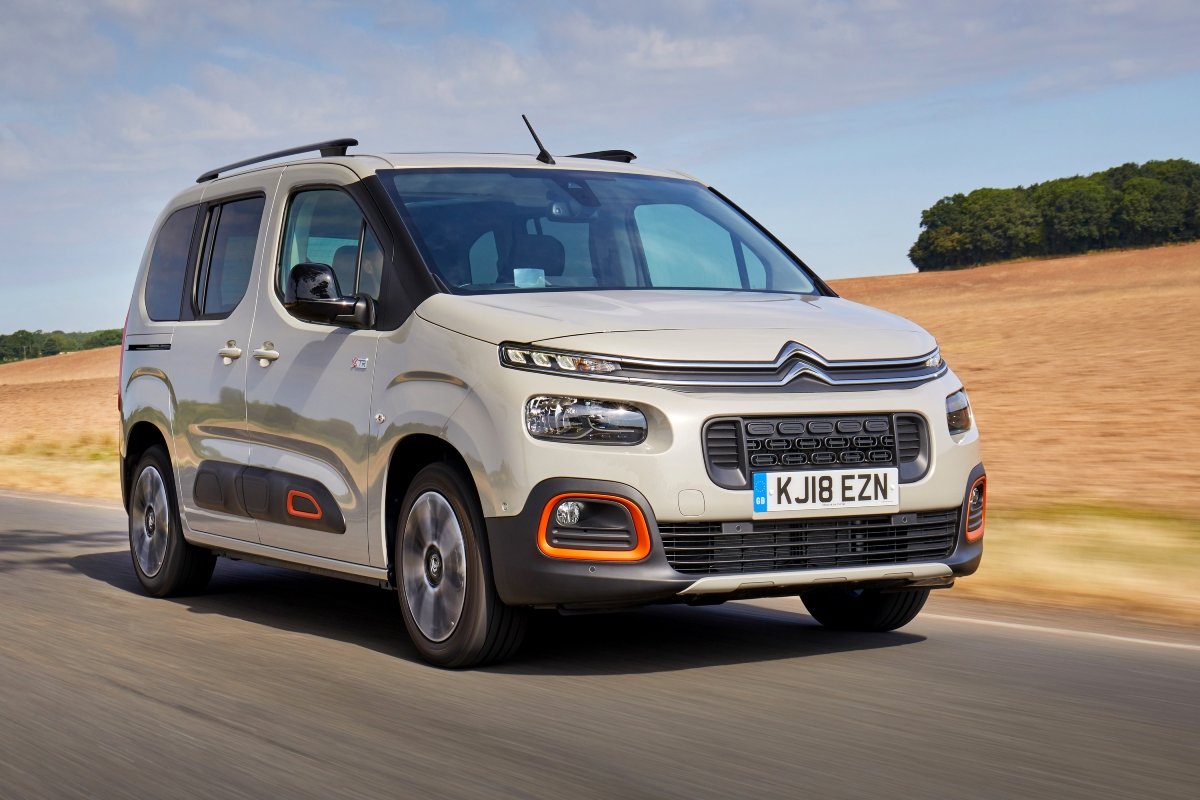
The Citroen Berlingo is one of the most practical cars you can buy, making no secret of its van-based origins. It's available as a standard five-seater or a longer seven-seat XL version, but whichever you choose, you get a car built for maximum versatility. The middle row of seats collapses almost flat to open up a huge boot space, and the seats in the XL can be removed entirely, turning it into a proper van. With a boot capacity of 675 litres with the seats up and a staggering 3,000 litres with them removed, plus a huge tailgate and sliding rear doors, the Berlingo is a champion of practicality.
Despite its tall body, the Berlingo feels reasonably composed to drive, and its soft suspension soaks up bumps effectively. While a petrol engine is available, the 1.6-litre diesel is the better choice if you plan on carrying heavy loads, offering smooth and punchy performance with excellent fuel economy (two power outputs are available).
The CarGurus Verdict: "Above all, the Berlingo offers endless practicality and myriad clever storage solutions, which will prove especially useful for anyone trying to juggle family needs and self-employed work requirements." - Pete Tullin, contributor
Read our full Citroen Berlingo review
CarGurus expert rating: 4 out of 5
CarGurus user rating: 4.5 out of 5
Percentage of good/great deals available on CarGurus: 41.1%
Overall CarGurus rating: 4.3 out of 5
| Pros |
Cons |
| Outstanding interior space and practicality |
Interior design and quality not a match for more premium rivals |
| Well-equipped across all trims |
A BMW 5 Series is more fun to drive |
| Comfortable ride and quiet cabin for long-distance cruising |
Reduced boot space in the plug-in hybrid (PHEV) model |
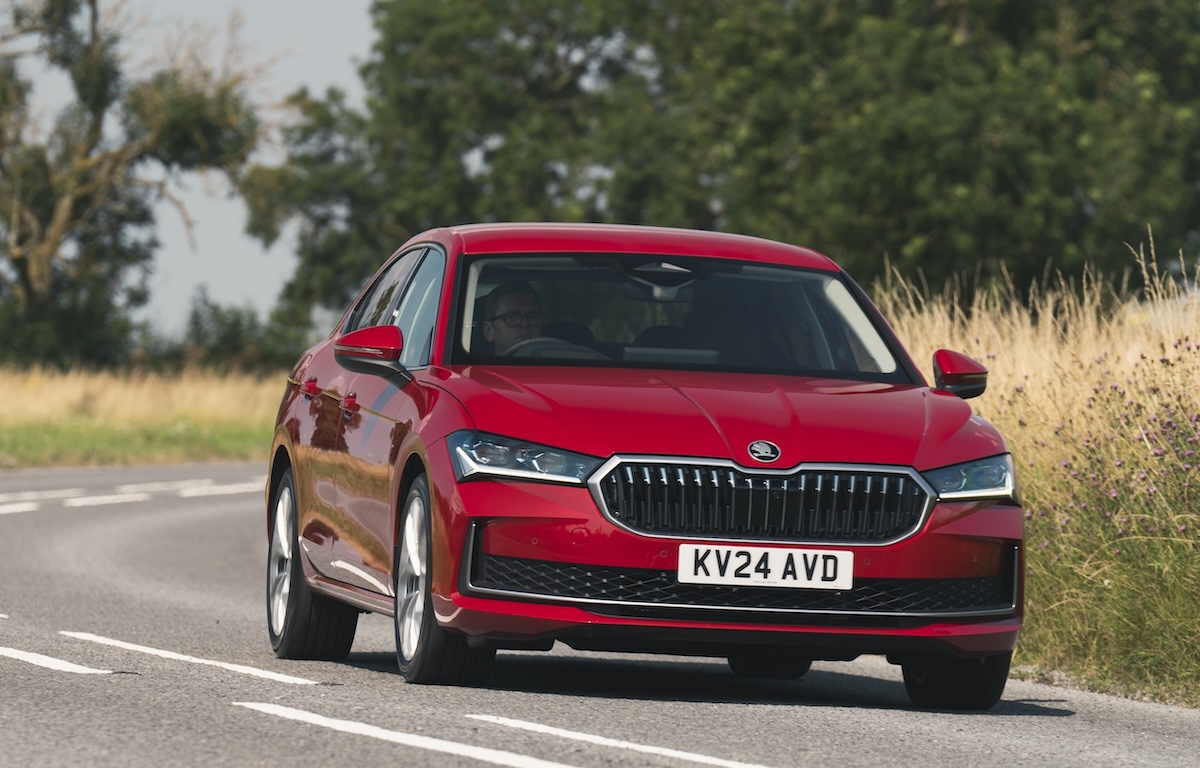
The Skoda Superb has long been the benchmark for anyone needing maximum space and practicality without the expense of a premium badge. This latest version continues that tradition, offering a truly cavernous boot. The hatchback model boasts an impressive 645 litres of space, but it's the estate that's the real star for this list, with a vast 690-litre boot that can swallow family luggage, buggies, and even the largest of dogs with ease. It's a level of practicality that few rivals can match, delivering more space than a Mercedes E-Class for less money than a C-Class. It's worth noting, however, that the plug-in hybrid (PHEV) model's battery reduces boot capacity to a still-very-usable 510 litres.
Beyond its huge boot, the Superb excels as a comfortable and refined long-distance cruiser. The ride quality is superb (pun intended), smoothing out rough roads and making motorway journeys feel effortless. The entry-level 1.5-litre mild-hybrid petrol engine with 148bhp is smooth, quiet, and efficient, capable of returning around 50mpg. Inside, all models are generously equipped with a large 13.1-inch touchscreen, a digital driver's display, and Skoda's clever 'Smart Dials' for the climate controls. It all adds up to a car that is not only immensely practical but also incredibly easy to live with.
The CarGurus Verdict: "In its latest guise, the Skoda Superb remains one of the best-value large cars on the market. It offers more space than premium rivals at a significantly lower price, and its practicality beats most if not all other estate cars for load-lugging ability." - Chris Knapman, editorial director
Read our full Skoda Superb review
CarGurus expert rating: 3 out of 5
CarGurus user rating: 4.7 out of 5
Percentage of good/great deals available on CarGurus: 34.3%
Overall CarGurus rating: 4.3 out of 5
| Pros |
Cons |
| Stylish looks and chic image |
Rear seat space rather tight |
| Comfortable and easy to drive |
Infotainment could be better |
| Plenty of tech available |
Entry-level trim misses some kit |
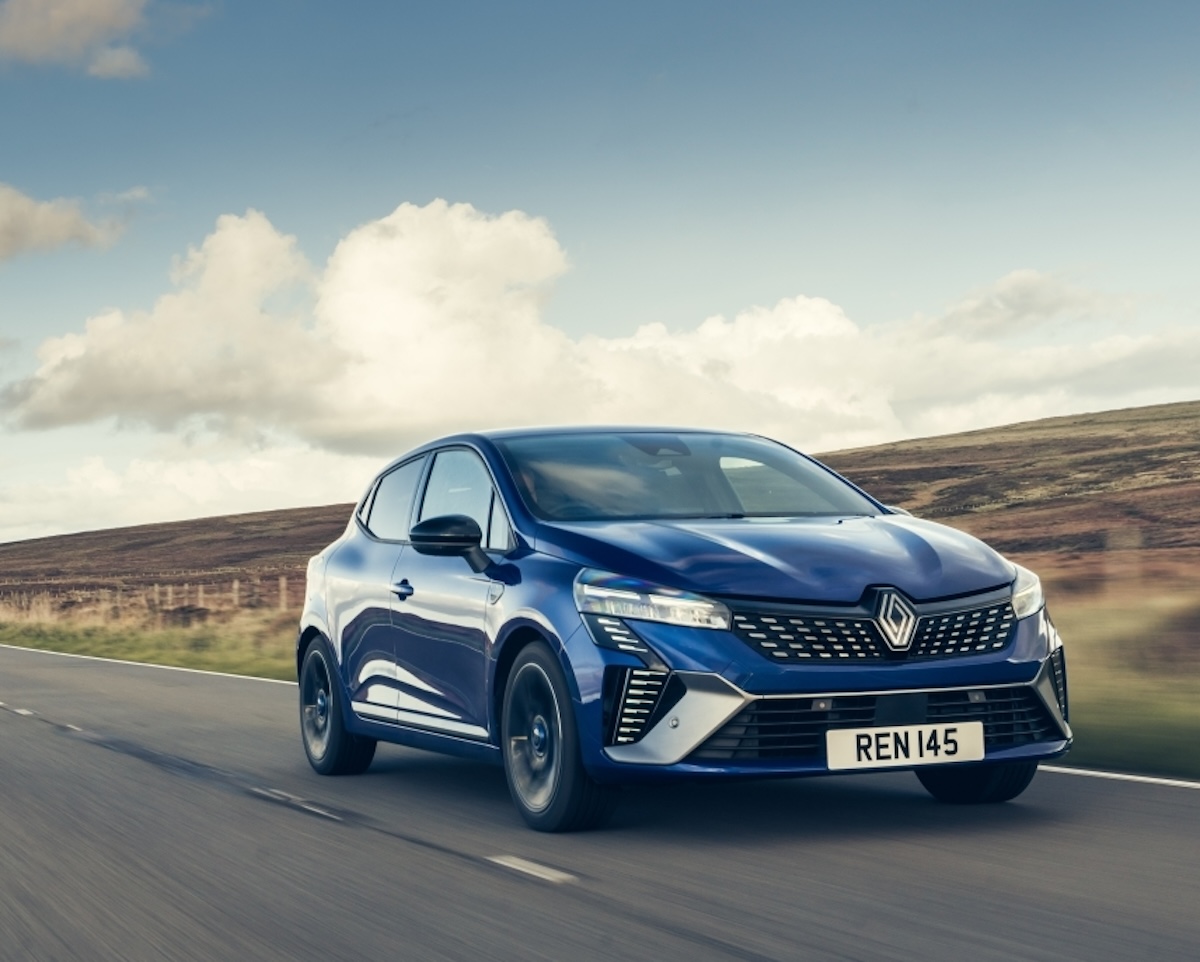
The Renault Clio has long been a solid, sensible and stylish choice in the competitive supermini sector, and the latest version makes a strong case for itself with one of the biggest boots in its class. If you stick with the petrol-powered model, you'll get a huge 391 litres of boot space, which is more than you'll find in many larger family hatchbacks, including the Volkswagen Golf. It's a practical space, too; although there is a fairly tall load lip, a moveable boot floor is available to level out the loading area. It's worth noting that the E-Tech hybrid model's boot is smaller at 301 litres to accommodate its battery, but this is still competitive with rivals.
Beyond the boot, the Clio offers plenty of space for those in the front, but rear-seat room is on the tight side for taller passengers. The Clio is a very comfortable and grown-up car to drive, feeling particularly refined on the motorway by supermini class standards. There are two engine choices: a 1.0-litre turbocharged petrol with 90bhp, and a 1.6-litre E-Tech self-charging hybrid. The petrol offers eager performance and impressive official fuel economy of 54mpg. The hybrid is the more efficient choice, with up to 67mpg, and can run on electric power alone for much of the time in town driving.
The CarGurus Verdict: "The Renault Clio has always been a solid, sensible and stylish choice in the competitive supermini sector, and that doesn't change with this latest iteration." - Chris Knapman, editorial director
Read our full Renault Clio review
CarGurus expert rating: 5 out of 5
CarGurus user rating: Insufficient user reviews
Percentage of good/great deals available on CarGurus: 0.0%
Overall CarGurus rating: 3.9 out of 5
| Pros |
Cons |
| Very practical, especially the big boot |
Rear headroom could be more generous |
| Generous standard equipment |
Short new-car warranty |
| Petrol and electric options |
Other electric SUVs have longer ranges |
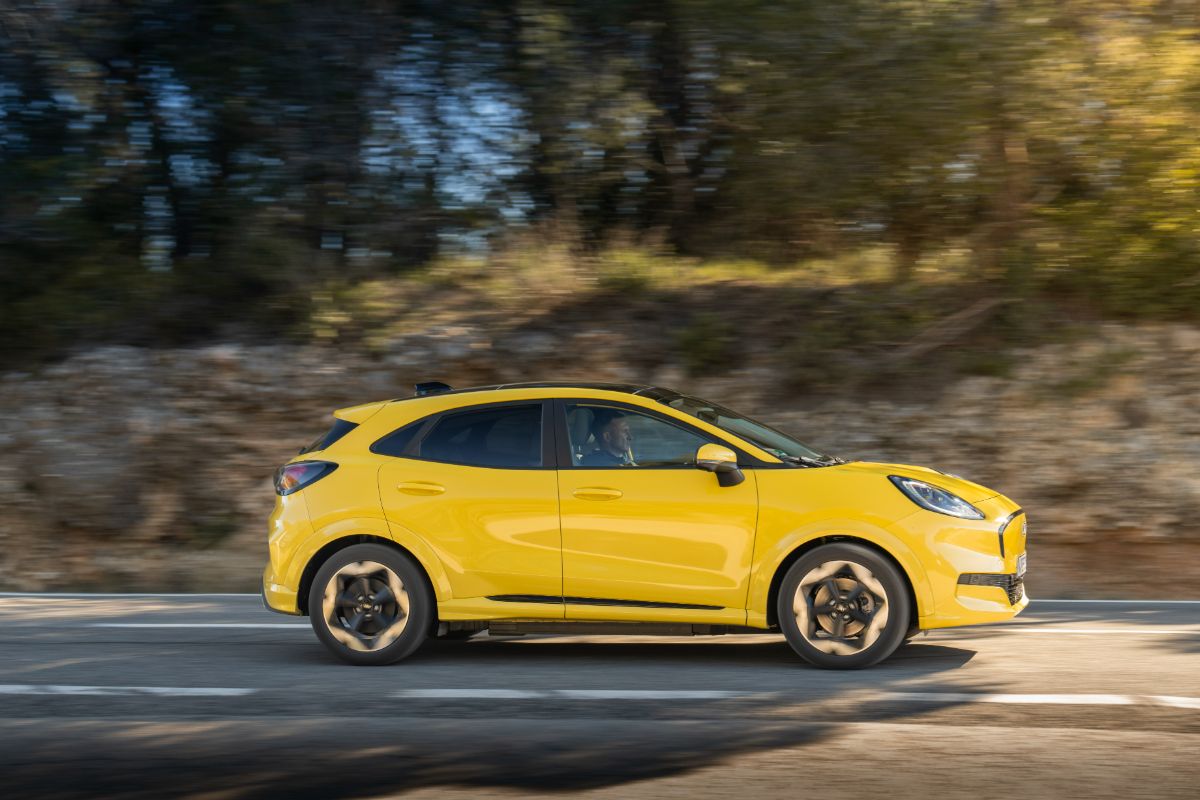
The Ford Puma has become a bestseller by proving that a small crossover can be both practical and fun to drive. Its boot measures 456 litres, which is among the largest in the small crossover class. The real party trick, however, is the 80-litre waterproof 'MegaBox' under the boot floor, complete with a drainage plug for muddy gear. If you opt for the all-electric Puma Gen-E, this space is even larger, boosting total boot capacity to an impressive 523 litres, far more than most similarly-sized rivals.
Beyond its cavernous boot, the Puma is a joy to drive, regardless of which version you choose. The 1.0-litre mild-hybrid petrol engines, available with 123bhp or 153bhp, are lively and efficient, while the chassis delivers sharp handling that will tempt you to take the scenic route home. Even the entry-level Titanium model comes generously equipped, featuring a 12-inch touchscreen with wireless Apple CarPlay and Android Auto, a reversing camera, and cruise control. For those considering going electric, the Puma Gen-E offers a range of up to 200 miles on a charge, and is aggressively priced, too.
The CarGurus Verdict: "In a class that's full of unimaginative crossovers, the Puma really is a breath of fresh air, being fun to drive yet still practical thanks to the enormous boot space." - Vicky Parrott, contributing editor
Read our full Ford Puma review
CarGurus expert rating: 4 out of 5
CarGurus user rating: Insufficient user reviews
Percentage of good/great deals available on CarGurus: 0.0%
Overall CarGurus rating: 3.8 out of 5
| Pros |
Cons |
| Stunning interior |
Entry-level petrol engine isn't great |
| Spacious and practical |
Neither is the ride-and-handling balance |
| Good standard equipment |
Rubbish warranty offering |
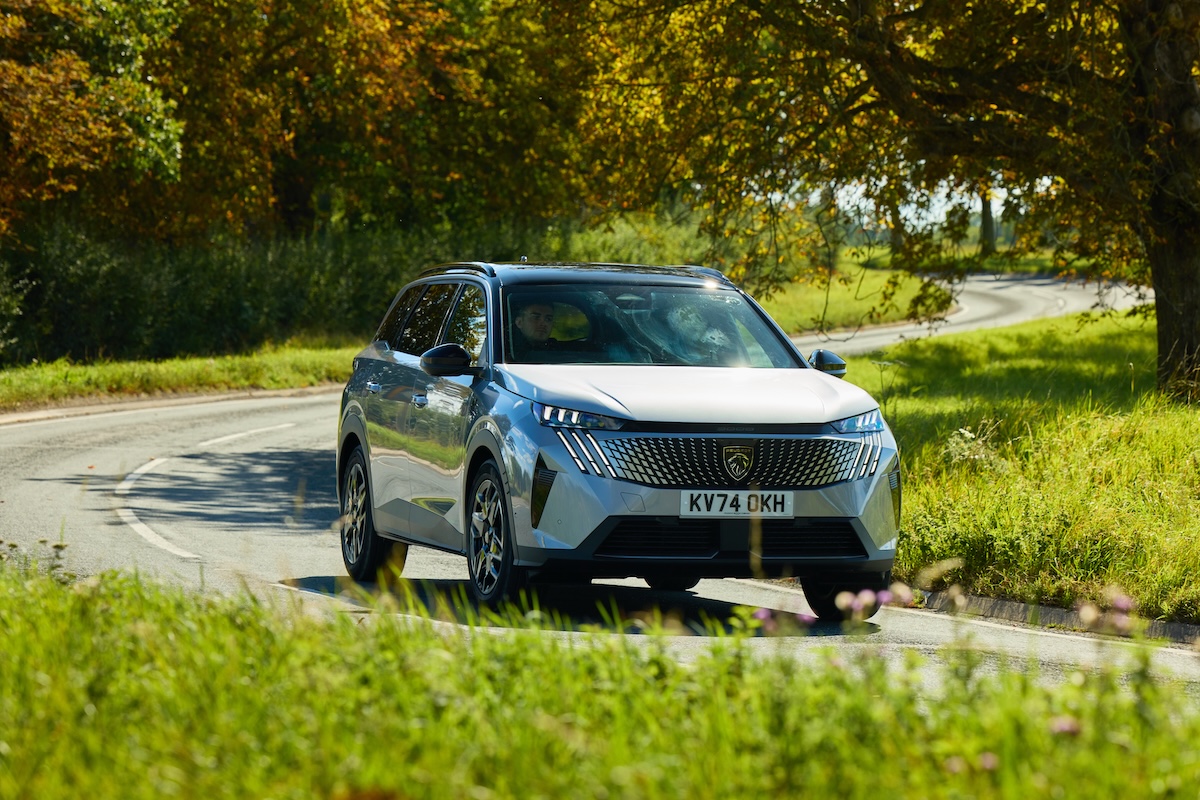
The third-generation Peugeot 5008 builds on its predecessor's success, wrapping good practicality in a stylish, upmarket package. For a seven-seater, its boot space is excellent and highly versatile. With all seats in use, you get 348 litres of luggage room, which is comparable to a family hatchback. Fold the third row flat, and this expands to a cavernous 916 litres. For maximum capacity, folding the 40/20/40 split middle row opens up a van-like 2,232 litres of space. The interior is a highlight, with a gorgeous design, high-quality materials, and a huge 21.0-inch display that houses both the driver's instruments and the central infotainment touchscreen.
On the road, you might find the 5008's ride is a little firm over rougher surfaces, and the entry-level 134bhp 1.2-litre mild hybrid can feel overwhelmed by the car's size, with a delayed response that makes it feel lethargic. For more effortless performance, a 193bhp plug-in hybrid is available, offering an all-electric range of up to 55 miles. Peugeot also offers two fully electric e-5008 models; a standard version with a 310-mile range and a long-range model capable of an impressive 414 miles on a single charge.
The CarGurus Verdict: "Importantly for a seven-seater SUV, practicality is excellent, with generous room for passengers and luggage, and a clever and versatile seating system." - Ivan Aistrop, senior editor
Read our full Peugeot 5008 review
CarGurus expert rating: 4 out of 5
CarGurus user rating: Insufficient user reviews
Percentage of good/great deals available on CarGurus: 0.0%
Overall CarGurus rating: 3.8 out of 5
| Pros |
Cons |
| Fantastic styling |
Hugely expensive |
| Good to drive |
Charging cables cost extra |
| Beautifully finished interior |
You'll have to wait for the campervan version |
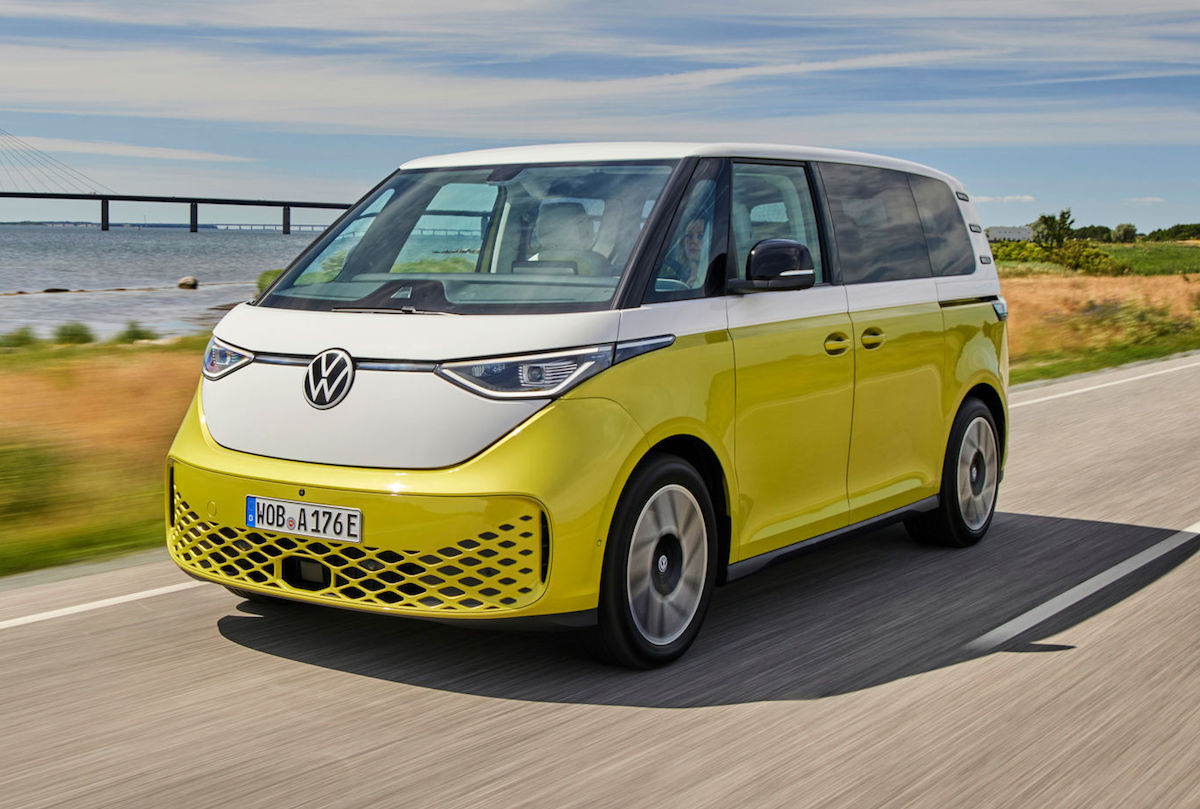
Evoking the iconic style of the original VW camper, the all-electric ID. Buzz is a hugely practical and versatile MPV. While its retro-cool design is a major draw, its interior space is what truly clinches the deal for families needing a big boot. The five-seat model boasts a van-like 1,121 litres of boot space with the rear seats in place, which increases to 1,340 litres in the long-wheelbase seven-seater version. This is complemented by a flat floor and sliding 60/40 split rear seats that offer a fantastic combination of passenger comfort and cargo versatility. An optional raised boot floor can create a hidden compartment for charging cables and allows for a completely flat load area when the seats are folded—spacious enough to fit a double mattress.
The high driving position and large glass area give it a distinctive 'bus' feel to drive, while the light steering and tight 11.1-metre turning circle make it surprisingly easy to handle in town. The 201bhp rear-mounted electric motor in the entry-level ID.Buzz provides more than enough performance for everyday driving, so we'd steer clear of the more powerful versions.
The CarGurus Verdict: "The Volkswagen ID Buzz is a brilliant EV, and an even better lifestyle van or MPV... the balance of common-sense, versatility and incredible coolness is unmatched by anything else." - Vicky Parrott, contributing editor
Read our full Volkswagen ID.Buzz review
Search for Volkswagen ID.Buzz
See all
FAQs
How is boot space measured?
Boot space is officially measured in litres using the VDA (Verband der Automobilindustrie) method, which is the German automotive industry standard. This involves filling the boot with special foam blocks, each measuring 200mm x 100mm x 50mm (equivalent to one litre). The number of blocks that fit below the parcel shelf or load cover determines the official boot capacity.
What is a good boot size for a family car?
For a typical family hatchback like a Volkswagen Golf, a boot size of around 380 litres is average. For a medium SUV, you should look for at least 450-500 litres to comfortably accommodate pushchairs and family luggage. Estate cars and large SUVs will offer the most space, often exceeding 600 litres.
Do electric and hybrid cars have smaller boots?
Often, yes. The batteries and electric motors required for hybrid and electric cars need to be packaged somewhere, and this is often under the boot floor. This can reduce the overall boot capacity compared to a petrol or diesel equivalent. For example, the Skoda Superb Estate has a 690-litre boot, but the plug-in hybrid version's capacity is reduced to 510 litres. However, some electric cars designed on a dedicated EV platform where the battery is housed in the floor, like the Volkswagen ID. Buzz, have exceptionally large boots because they don't need to accommodate traditional engine components.
Which type of car has the biggest boot?
Generally, van-based MPVs (Multi-Purpose Vehicles) like the Citroen Berlingo offer the most outright boot space, often exceeding 1,000 litres with the seats up. Large estate cars, such as the Skoda Superb Estate and Mercedes E-Class Estate, are also champions of practicality, offering long, wide and usable load areas that are perfect for families and dog owners.
What Makes CarGurus Best Cars Guides Different?
Most car buying websites publish lists of the best cars across a variety of categories, with recommendations generally driven by editorial expertise. Here's what makes our best cars guides different: we combine the insights and verdicts of our team of car-testing experts with other factors that we know matter to buyers - real owner experiences and current market value.
To that end, our expert reviewers come from some of the UK's most trusted automotive publications including What Car?, The Telegraph, Auto Trader, Electrifying.com, and Carbuyer. They put each car through real-world testing, and create detailed reviews noting performance in a range of categories, from practicality and driving manners, to running costs and reliability.
But we don't stop there when it comes to creating our best cars guides; we also analyse hundreds of thousands of used car listings on CarGurus UK to track which models consistently offer the highest percentage of best deals relative to how many are listed for sale. Then we factor in user reviews and ratings gathered on CarGurus to get feedback from people who actually live with these cars every day. Our best cars algorithm then creates a final Overall CarGurus rating that combines expert ratings, user reviews, and the percentage of listings on CarGurus UK rated as good or great deals. This three-way approach reveals not just which cars excel on paper, but which ones deliver satisfaction and value when you're ready to buy.
The CarGurus UK market data in this guide was last updated in September 2026. Values were accurate at the time of publication and should be used as a guide only.
Related Topics:


