Honda Prelude 2026 review | A welcome return, and now with hybrid power

Pros and cons
What we like
Great to drive
Glamorous to look at
Affordable to run
What to consider
Hybrid powertrain sometimes behaves strangely
Limited practicality
Won't be fast enough for some
The CarGurus verdict
We really like the Honda Prelude. It’s such a departure from most modern cars, weighing only 1,480kg, and taking the attitude that you don’t need huge power output to have fun. At CarGurus, we are fully on board with that ethos, especially as the Prelude proves that an excellent ride- and handling balance is really all that you need to feel like you’re in a sports car.
The real question here is, would you have this or a used Toyota GR86? The Toyota won’t be as efficient, but the rear-wheel drive layout and manual gearbox give it a more analogue feel… Tough call. Best go and have a look at what you can get a used GR86 for before you decide whether the Prelude is the two-door sports car for you, but either promises attainable thrills.
out of 5 expert review
What is the Honda Prelude?
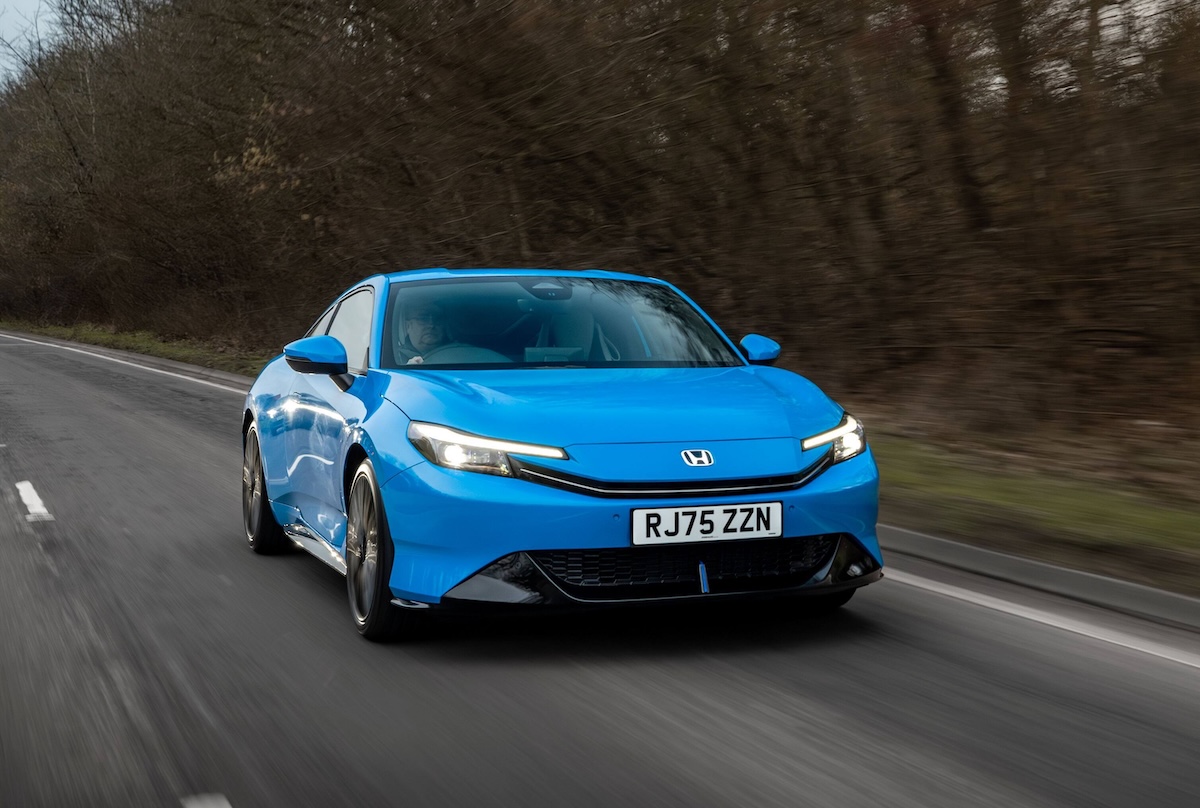
After some 25 years in retirement, Honda has resurrected its big sports coupe with this; the sixth-generation Prelude.
Based on the Honda Civic platform, and using various aspects of the Civic Type R’s suspension tune and hardware, the Prelude aims to offer real everyday usability with a full, self-charging hybrid powertrain and a sleek, 2+2 cabin.
This is a rare car, these days. Two-door coupes at the more affordable end of the market have gradually fallen out of favour with manufacturers, leaving either hot hatches or pricier sportscars to choose from if you fancy something with a bit of wow-factor that you can use every day.
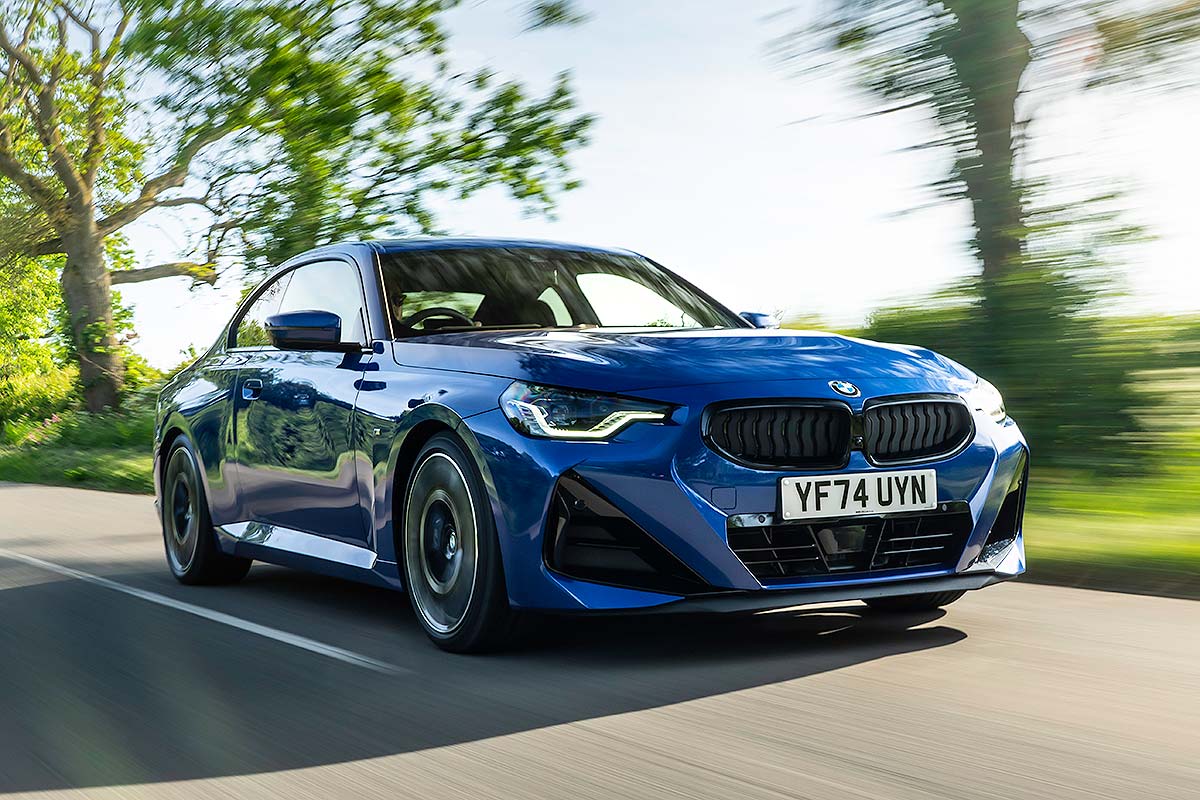
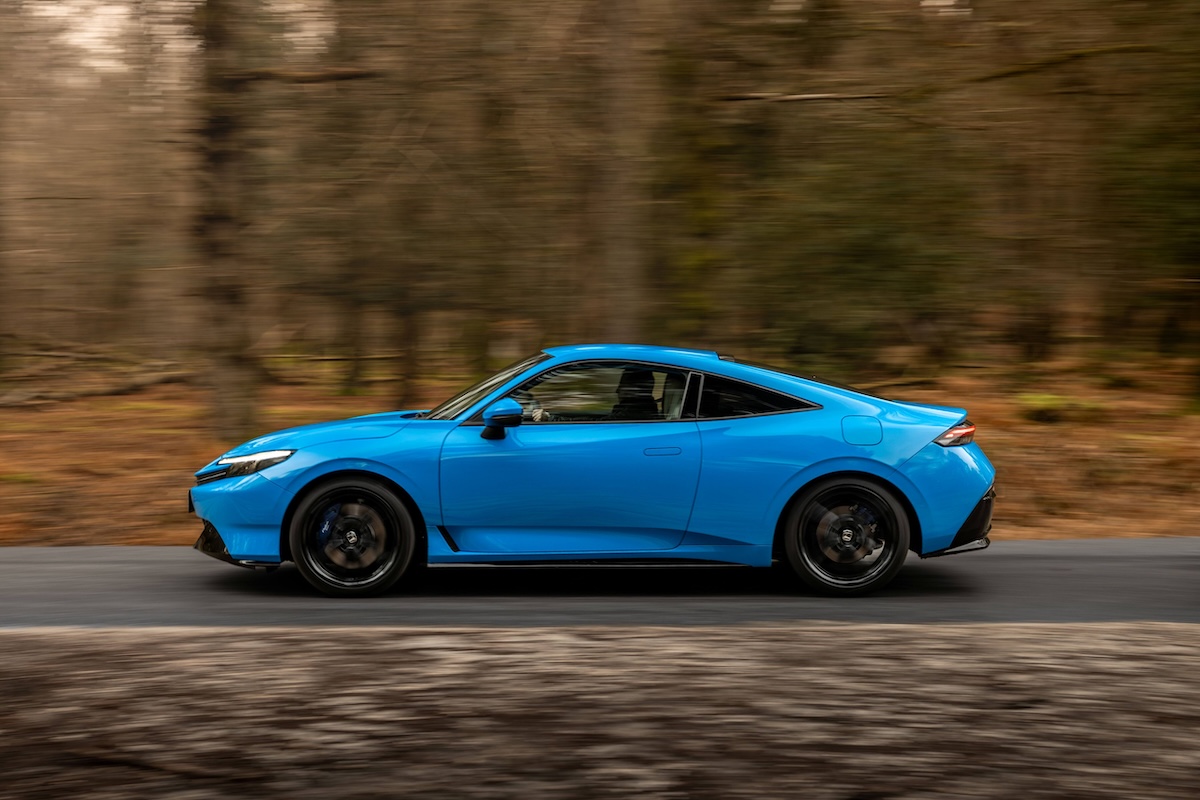
Now, the Honda Prelude’s closest rival is the BMW 2 Series, and even that feels like it does something a bit different with its more masculine, aggressive styling and attitude: as does the smaller, cheaper two-seat Mazda MX-5, or pricier, more performance-focussed Alpine A110. Put another way, the hybrid-powered Prelude coupe has found its own niche in the market, and it's all the better for it.
Practicality
How practical is it?
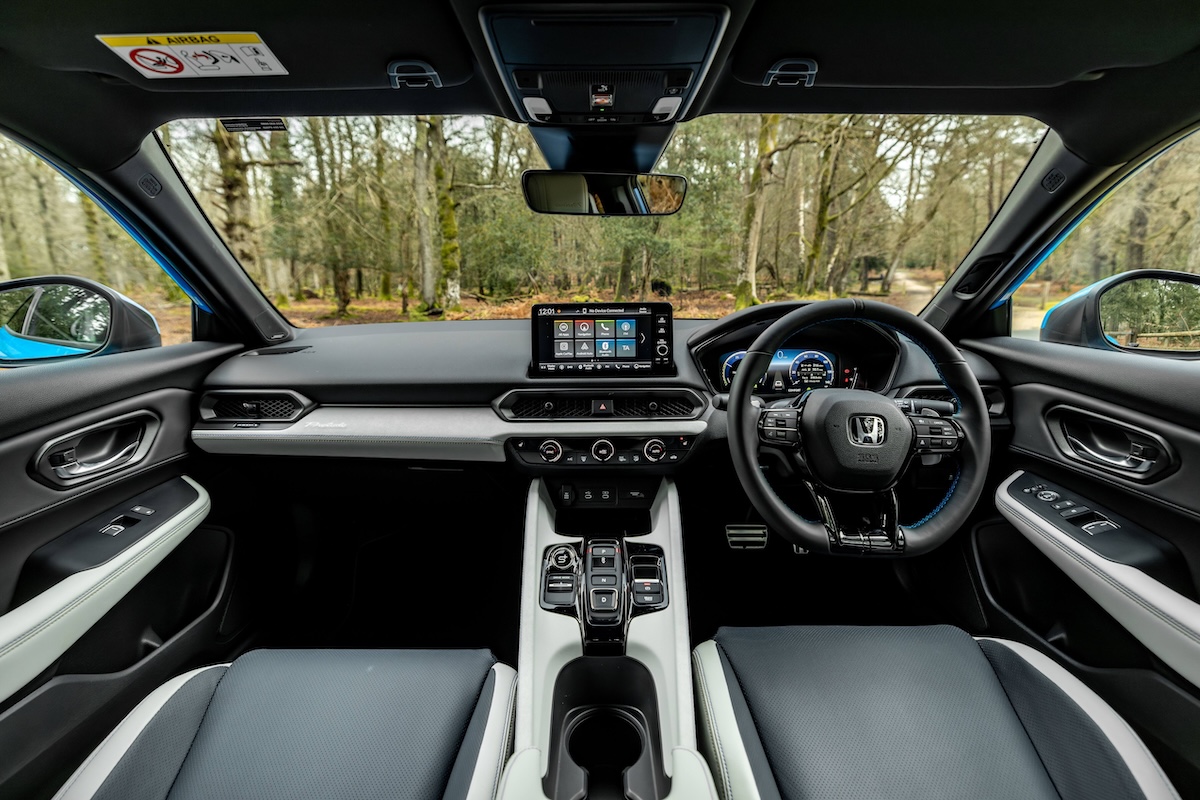
The Predule is pretty practical, by two-door coupe standards. The driving position is excellent: low-slung and with plenty of support, you can look forward to covering a lot of miles in Prelude. The dashboard has a nice balance of touchscreen convenience with physical buttons for climate control and other functions, and front and rear visibility isn’t too bad for a coupe, either (the only struggle on that front is over-the-shoulder visibility, which pretty much is non-existent).
The materials and design are not as smart and plush as those in the BMW 2 Series, but they’re a touch better than what you get in a used Toyota GR86 (which we suspect many will consider the real rival to the new Prelude in terms of character and remit).
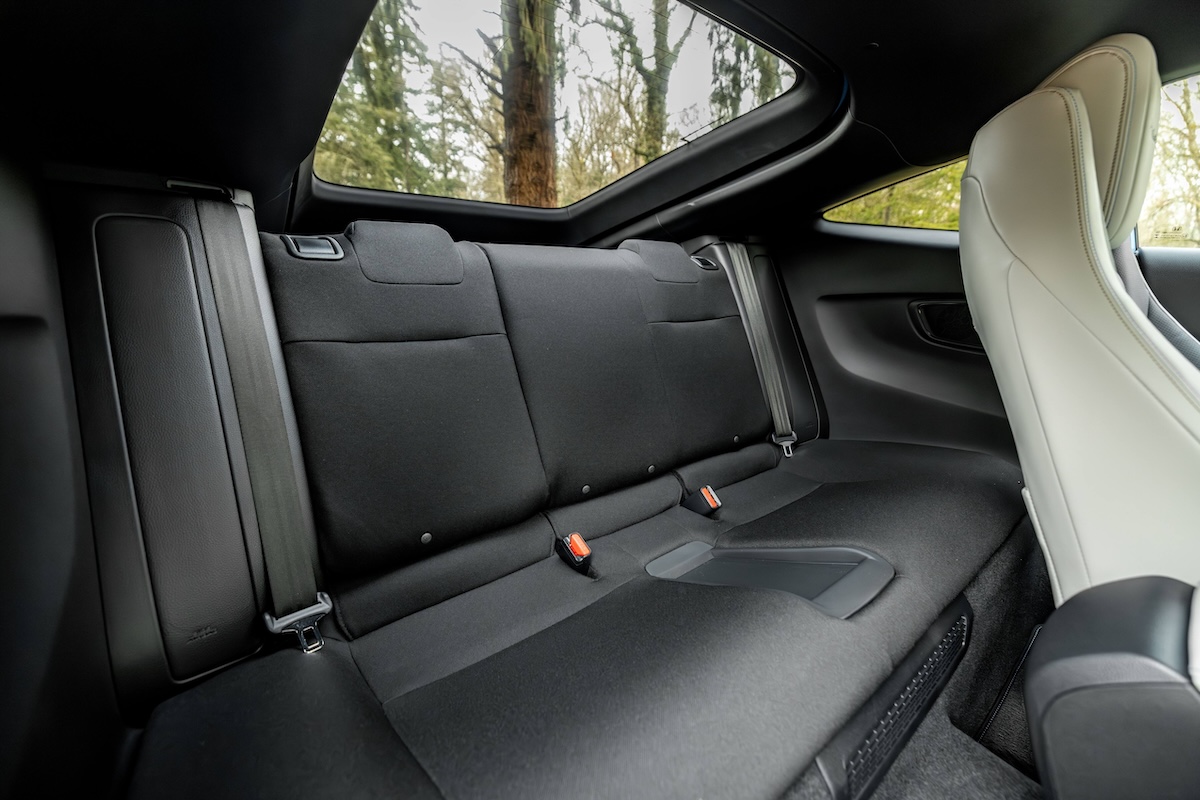
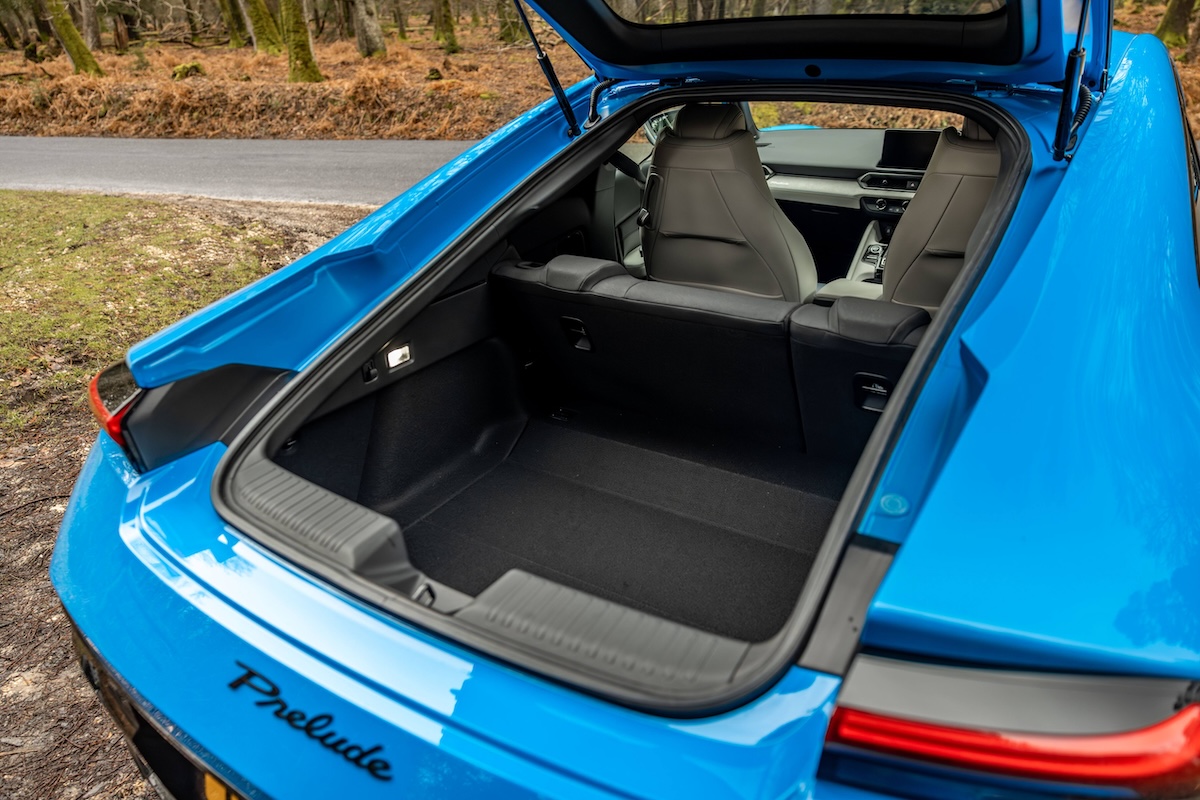
The two rear seats are a very tight squeeze, though; you definitely get more space in a BMW 2 Series, but the Honda’s rear seats are just about okay for the occasional journey with smaller kids. As for adults, there’s just not enough headroom to expect adults to cope back there. Still, it’s a really useful space to chuck your bags and coats.
The 264-litre hatchback boot in the Prelude is surprisingly useful, too. It’s shallow, but there’s space for a couple of cabin bags or a decent weekly shop, and you can drop the rear seats flat to free up an impressive 663 litres of space. We even managed to fit in a small step ladder.
Driving
What’s it like to drive?
There’s a slightly peculiar charm to the way the hybrid Honda Prelude drives, thanks to the clever but sometimes odd hybrid powertrain. In short, this drivetrain comprises a 2.0-litre petrol engine, plus an electric motor for a combined power output of 180bhp going through the front wheels. It’s actually the latter – the electric motor – that drives the wheels the vast majority of the time, with the petrol engine acting as a generator to charge the battery and keep the e-motor spinning.
There’s also now Honda’s ‘S+ Shift’ gearshift mode that allows you to paddle through eight simulated gear ratios, complete with synthesised engine sound. It’s not dissimilar to what the Hyundai Ioniq 5 N does with its false gearshifts. The Prelude is still being driven by its electric motor and doesn’t have real gears, but the Honda’s petrol engine really does rev in-keeping with how you’re using the fake gears, so it adds a true sense of control and engagement. Having said that, you can still sense that the petrol engine is often doing something unrelated to what you’re telling the car to do via the throttle. And – especially if you’re not using the gearshift mode - the Prelude can still deliver that unpleasant moo-ing sound and attitude if you drive it with a bit of vigour.
Yes, a 0-62mph time of 8.2 seconds doesn’t sound like much, but d’you know what? It’s enough! The Prelude feels responsive and urgent enough to satisfy, especially as you feel safe using 100% of its performance on public roads. That is, in itself, a huge part of what enthusiast driving should be about.
While the bells-and-whistles hybrid powertrain is the headline act in the Prelude, it’s actually the steering, chassis and brakes that really make this a worthwhile enthusiast’s car.
There’s a poise and lightness to the way the Prelude goes down the road that makes it a real pleasure to drive, whether you’re navigating Milton Keynes or the Stelvio Pass. The lovely, natural steering feel is predictable and gives you a great sense of what’s going on at the wheels, the adaptive suspension is taut, yet supple enough to keep you comfortable on poor road surfaces, and the standard Brembo brakes give great precision and feel. It all just gels beautifully, and gives the Prelude the right balance of fun-yet-usable handling and comfort.
Is there room for improvement? Absolutely. The complexity of the powertrain can be a bit off-putting at times, and we’d say there’s room for a slightly punchier model. But the modern Honda Prelude is still just a delight to drive, particularly if you regard it as more of a sporting grand tourer and than out-and-out sports car.
Tech and equipment
Technology, equipment & infotainment
The Prelude gets much the same infotainment as the Honda Civic, meaning a 9.0-inch touchscreen with wireless Apple CarPlay and Android Auto, as well as satnav, voice control and Bluetooth streaming. A 10.2-inch driver’s display gives a configurable readout, but the speed is always easy to see. Some aspects of the display are bespoke to the Prelude, too, which is a nice touch. Sure, the graphics are a bit grainy and not as sharp as in the BMW 2 Series, but it’s a fairly simple yet perfectly functional system to live with.
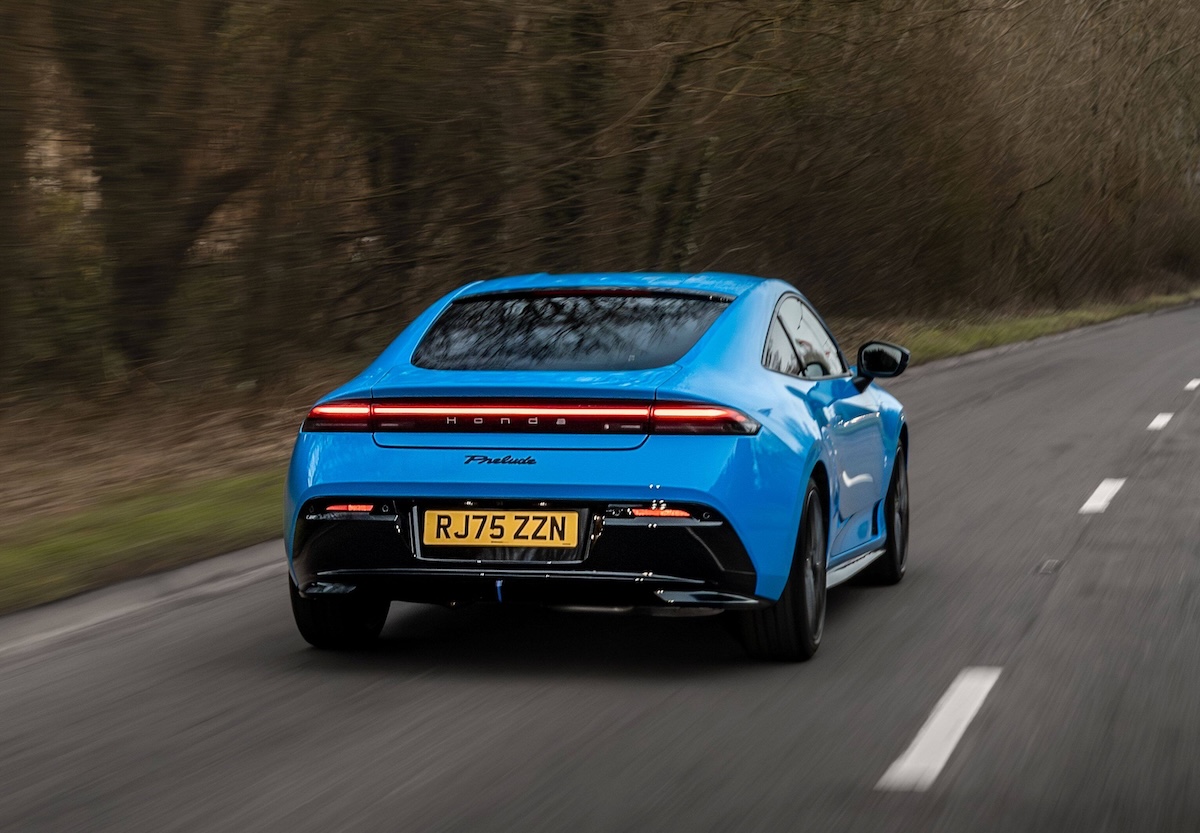
In the UK, the Honda Prelude is only offered in well equipped Advance trim, which gets 19-inch alloy wheels, a Bose sound system, a wireless phone charging pad, leather seats up front (fabric for those in the back), plus all the dynamic bits we’ve mentioned including adaptive dampers, three drive modes ranging through Comfort, GT and Sport, and that S+ Shift gearshift setting.
Running costs
Honda Prelude running costs
By the standards of a somewhat sporting coupe, the Prelude promises to be an affordable car to run. The purchase price of around £41,000 isn’t too bad. Yes, you can get an entry-level BMW 2 Series for less, but it won’t have anything like the same equipment levels, so you can see why Honda’s pitched the Prelude at this price.
However, it is a shame that a list price of over £40,000 means that the Prelude will be subject to the premium car surcharge for VED road tax, which currently costs £620 per year from years two- to six of ownership, before reverting back to the base rate of £195 per year (although that’ll probably have risen considerably by then). If Honda could do a lower spec model that comes in slightly under the £40,000 milestone (fabric rather than leather, standard audio rather than Bose…), we think it’d do well in the UK.
The hybrid powertrain promises to be pretty efficient, too. With claimed figures of 117g/km of CO2 and 53mpg, the Prelude is a tempting combination of a miser’s fuel costs with a show-off’s presence. In our tests, real-world economy of some 45mpg or more has been easily achievable.
Honda Prelude reliability
Honda’s standard vehicle warranty covers the Prelude for three years or 90,000 miles. That’s not as long as the warranty on a Kia, Hyundai or MG, for instance, but it’s still a higher mileage limit than many rivals offer.
More importantly, Honda has a fantastic reputation for reliability, earned over many decades of topping owner reliability surveys, alongside Toyota and Lexus.
Obviously, there are never guarantees in this area, but all the evidence suggests that this will be the most reliable sports-coupe that you can buy.

What owners say
Three things to know
- The Honda Prelude’s e:HEV hybrid powertrain uses the electric motor to power the wheels. There’s no traditional automatic gearbox: not even a CVT. Although the 2.0-litre petrol engine can drive the wheels in certain conditions, the vast majority of the time it’s just keeping the battery charged in order to keep that e-motor going.
- When you’re not in S+ mode, the paddles allow you full control of seven different brake regen’ modes, all of which are predictable and easy to make the most of.
- The only options on the Honda Prelude are an extended ambient lighting pack for the interior, a ‘Black Pack’ styling upgrade, and the Racing Blue paint that you see in our pictures.
Which one to buy
- If you want the best value: There is only one trim, so go for that one. The Prelude is not a cheap car, but it’s still a lot of equipment, style, fun and usability for the money.
- If you want the sportiest version: There’s no Honda Prelude Type R confirmed… Honda is tight-lipped about that, and won’t confirm that there’s any sportier variant of the Prelude on the way, but we’d be surprised if one didn’t materialise in the next few years.
- If you want the best high-mileage commuter: Go for the only one available; the hybrid Prelude is a surprisingly comfortable and efficient daily driver.
- If you want the best family car: The BMW 2 Series – or one of the sportier five-door hatchbacks on offer, such as the VW Golf GTI – will be much better options if you do need to get kids in the back seats regularly. The Prelude’s rear seats really are quite cramped for regular use.