Mercedes C-Class Review (2022-present)

Pros and cons
What we like
The PHEV has a class-leading electric range
Beautifully finished interior
MBUX infotainment system looks stunning
What to consider
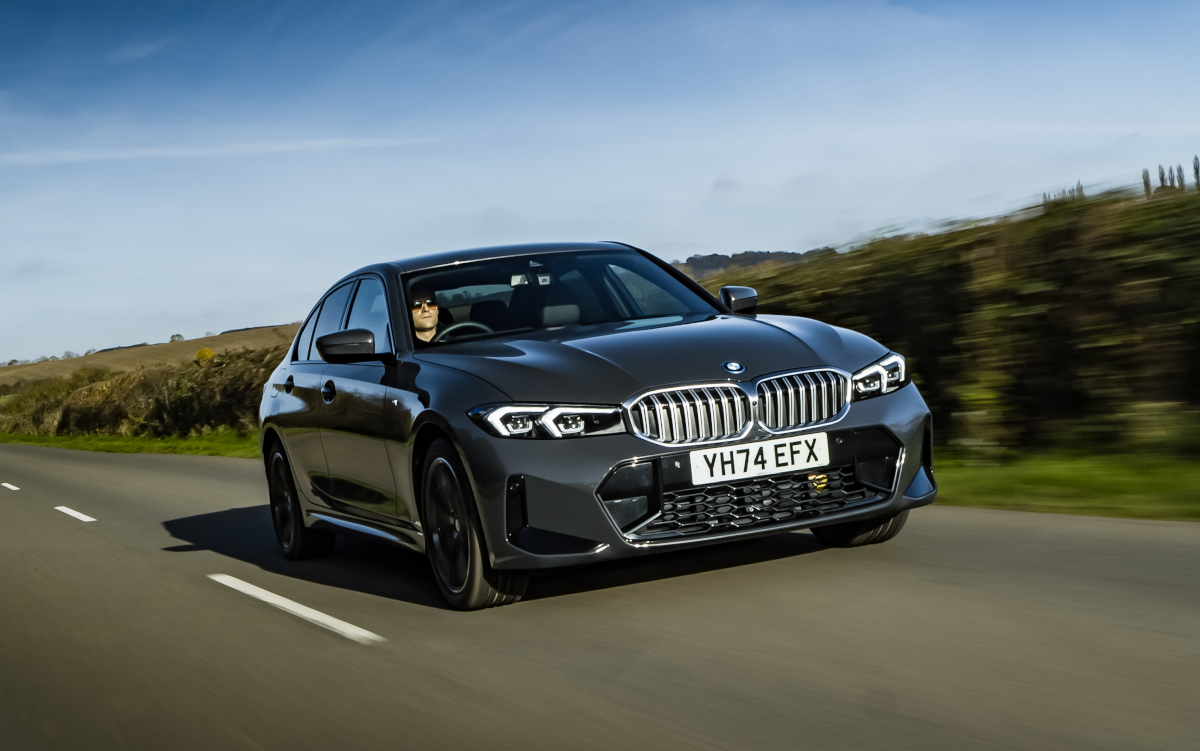
Not as sharp to drive as a BMW 3 Series
There are roomier cars for less money
Bland styling
The CarGurus verdict
The Mercedes C-Class is an indulgent car that's good to drive, has a high-quality finish and offers decent running costs. If this review related solely to the C300e PHEV variant, it would quite easily have warranted a higher overall star rating, because the long electric range makes it the best plug-in hybrid in the compact executive saloon and estate class.
However, we’re looking at the range overall, and it has to be said that others – namely the BMW 3 Series – offer slightly better performance and lower CO2 from their standard diesel variants, while alternatives such as the Audi A4 and the Tesla Model 3 have more spacious interiors. Overall, we really like the C Class, and if you can find one with a powertrain and finance deal to suit, it's unlikely to disappoint. But, in the knowledge that there are rivals with more effusive handling, greater practicality, four-wheel drive options (until the high-performance Mercedes-AMG models arrive) and better reliability records, the C-Class remains a solid but middling option in the executive class.
out of 5 expert review
The Mercedes C-Class is now in its fifth generation and the model history stretches back to 1993. It’s come a long way in that time, and with this Mk5 model, you can now choose between mild-hybrid petrol and diesel engines, and also a plug-in hybrid with an official WLTP pure-electric range of 68 miles, which is the longest electric range in this class by a significant margin, compared with rivals such as the BMW 330e and the Volvo S60 T8, which do more like 35 miles to a charge.
You can’t get a four-wheel drive Mercedes C-Class – known as 4Matic – unless you go for one of the high-performance AMG models. All the other variants are currently rear-wheel drive, so if you want all-wheel drive and a non-performance model, then the Audi A4 quattro or BMW 3-Series xDrive would be a better bet.
Engines include an efficient 2.0-litre diesel with a couple of different outputs, known as the C220d and C300d, as well as 1.5-litre three-cylinder or 2.0-litre four-cylinder petrols in the C200 or the C300. The C300e plug-in hybrid is fitted with the 2.0-litre petrol engine and an electric motor, which is powered by a 25.4kWh lithium-ion battery. All have a nine-speed automatic gearbox as standard.
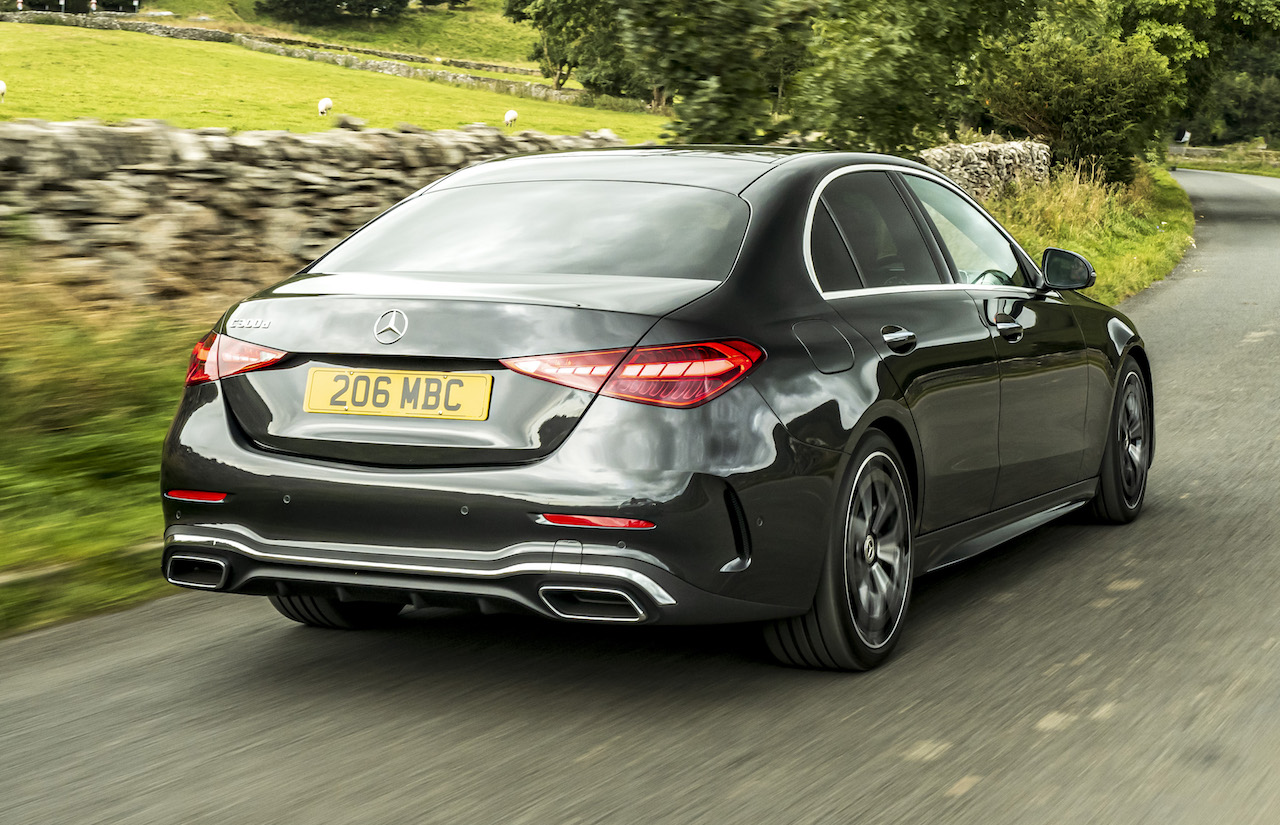
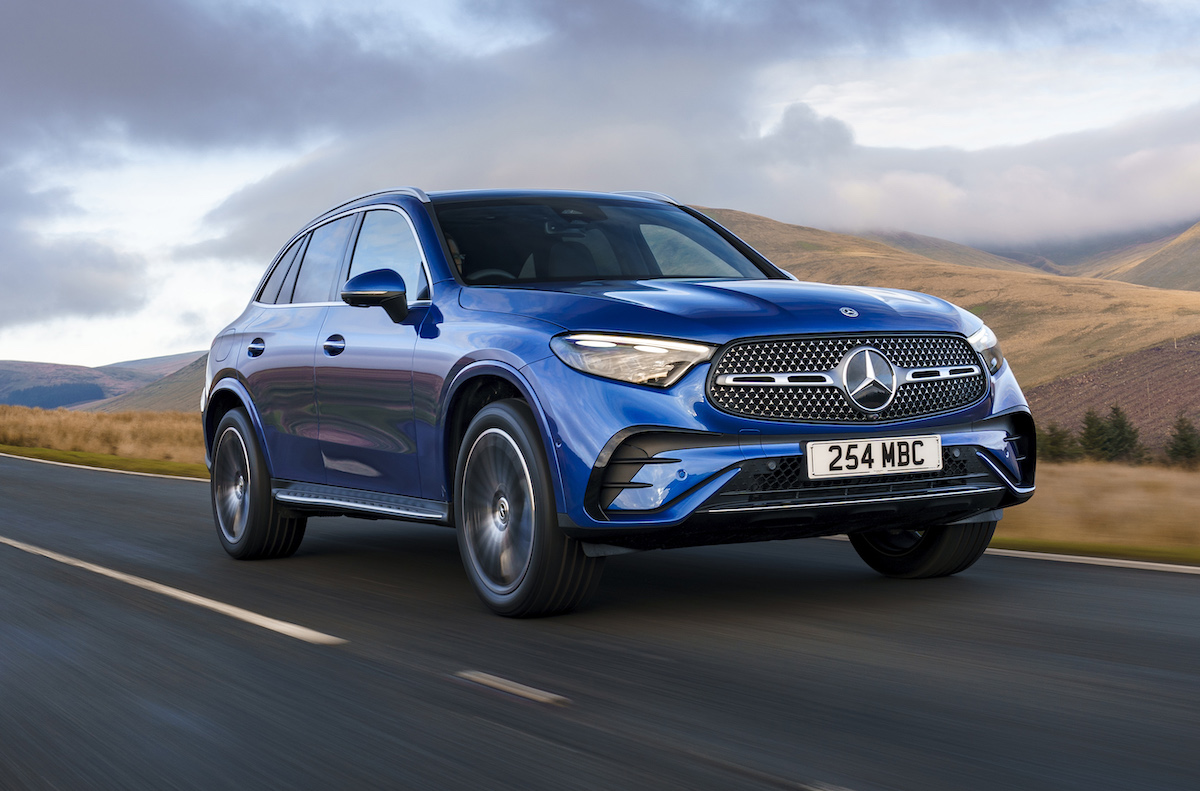
The Mercedes-Benz C-Class looks very slick, regardless of how you spec it. Perhaps its greatest sin is the rather bland styling, and it's too easy to confuse with the bigger Mercedes E-Class, but there’s no doubting that it has the understated classiness that most buyers look for in a premium saloon or estate. Plus, there are always the Mercedes-AMG models if you want storming performance and razor-sharp looks.

Practicality
It’s practical enough, but there are better options if interior space is a priority. There's enough room for two six-footers in the back, even if they’re sat behind tall front occupants, but their knees may be brushing the seats in front and headroom is a little tight compared to the Audi A4.
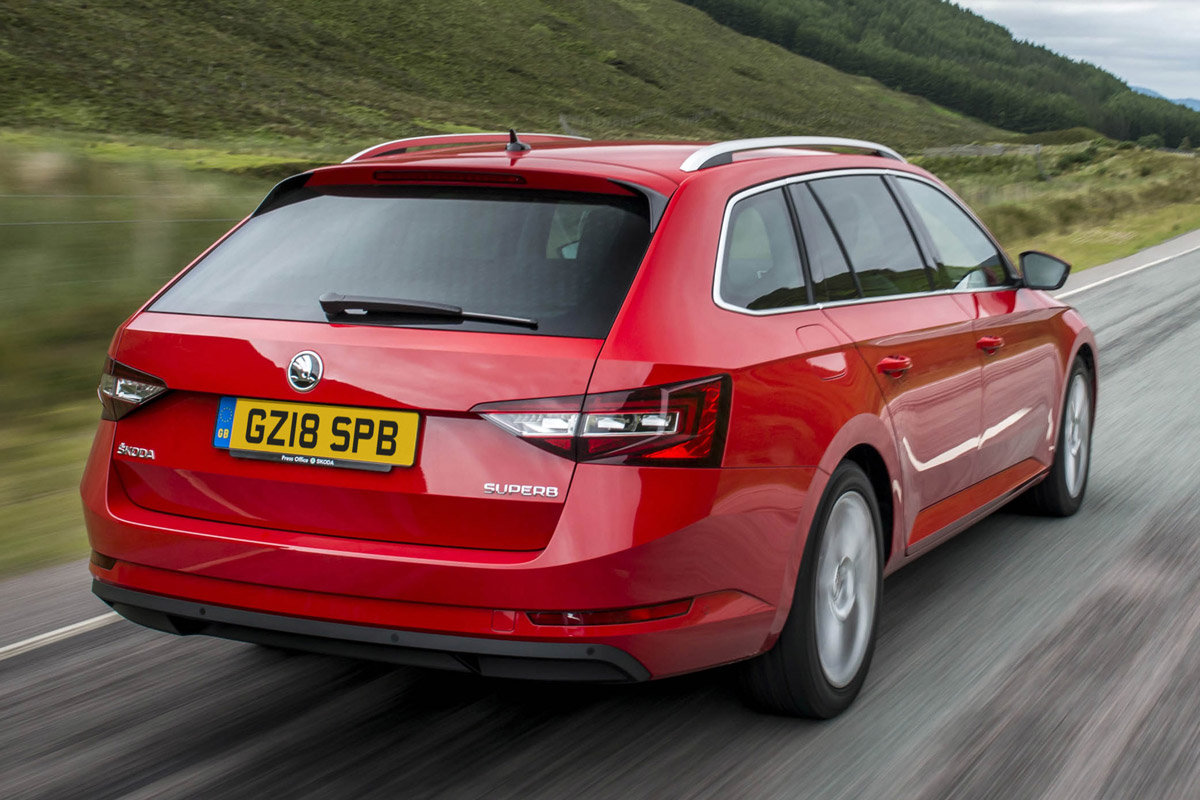
The standard C-Class saloons have decent 455-litre boots, but you lose 140 litres of underfloor space to the batteries if you go for the PHEV, which has a 315-litre boot. That's actually less luggage capacity than your average family hatchback, but the rear seats do at least fold flat. The C-Class Estate is roomier, and has a boot capacity of between 360 and 490 litres for the PHEV and non-plug-in models. You also get more rear headroom than in the saloon. However, there’s no doubt that bigger – albeit non-premium – options such as the Volkswagen Passat and the Skoda Superb offer far more space for similar or less money.

Driving
Really very good. We’ve only driven the plug-in hybrid C300e model, which is exactly the composed, fast, refined executive all-rounder it needs to be. In pure electric mode, it’s supremely quiet, with very little motor whine and well-suppressed wind- and tyre noise. There is a noticeable thrum and vibration when the petrol engine kicks in, but it’s subtle enough that it won’t disturb your thoughts of corporate takeovers and company incentives. The nine-speed auto' is slick and makes it very easy to ignore what the engine and electric motor are doing.
Stick it in Sport mode and the throttle response sharpens and steering beefs up; it feels more alert in this mode, and the C-Class proves to be a swift and composed car on a decent country road. It’s short of the steering feel and precision that make the BMW 3-Series the best driver’s car in this class, and you can feel that this is a heavy car in the way it leans noticeably through fast direction changes. But, by any standards, the C-Class is satisfying on the right road and it will ease you through a torturous commute the rest of the time, aided by the standard rear air suspension that you get on the C300 e PHEV. We’re yet to drive the other variants, which are available with optional adaptive suspension.
Every electric car has a regenerative braking system, which effectively brakes when you lift off the throttle to harvest excess energy, top-up the battery and improve the driving range. In the Mercedes, this can be toggled through a few different settings ranging from off to fairly heavy, or with an adaptive mode that means the car will automatically adjust the severity in relation to other vehicles or junctions that it senses coming up ahead. It will feel intrusive if you’re unfamiliar, but it can become a real benefit when you get used to it, especially in busy town traffic.
Tech and equipment
The Mercedes C-Class is full of technology and is well equipped as standard. Entry-level Sport models get 17-inch alloys, LED headlights with automatic high beam, a reversing camera, cruise control, dual-zone climate control, wireless phone charging, leatherette upholstery, heated seats and four-way adjustable lumbar support for the driver. AMG Line adds 18-inch alloys and an AMG styling pack, while AMG Line Premium gets further styling tweaks, fully adaptive ‘digital light’ LED lights, ambient interior lighting, keyless entry, a 360-degree parking camera and electric front seat adjustment with memory function.
Step up again to the AMG Line Premium Plus, and you get a panoromic sunroof, head-up display and climate control for those in the back seats. The C-Class has autonomous emergency braking, lane-keep assist, blind-spot warning, tiredness warning and more in its standard suite of safety equipment, but only the pricey AMG Line Premium Plus trim is available with the optional Driving Assistance Package Plus, which costs around £1,700. This introduces a semi-autonomous drive mode, cross-traffic alert, and will even warn you if you attempt to open the door of your stationary C-Class when another car or bike is about to pass. The only big frustration is that you have to add this pack to the pricey top-spec C-Class in order to get adaptive cruise control, which many would expect to be standard or at least a reasonably affordable option across the range on a premium car such as the C-Class.
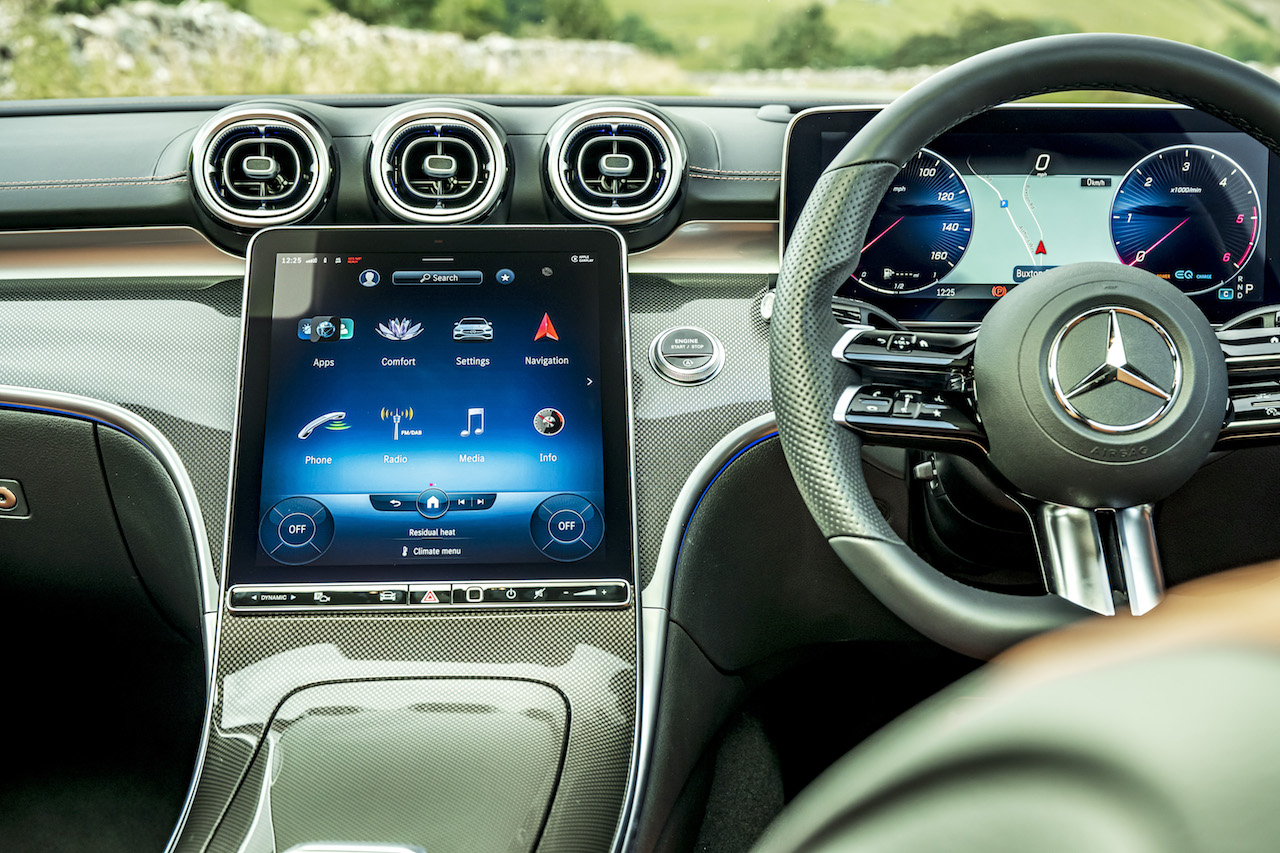
Infotainment is extremely good, thanks to Mercedes’ latest ‘MBUX’ system. An 11.9-inch digital driver’s display with variable layouts and information prioritising is standard, along with a 12-inch touchscreen perched on the dash. It's clear and quick to respond, and can also be controlled by voice commands, via two small touchpads on the steering wheel, or with a haptic touchpad and shortcut buttons that sit on the centre console. The sheer number of control methods can be a little overwhelming, but the voice control system is one of the best on the market. The touchscreen itself responds quickly, and – though it doesn’t sound terribly intuitive when described on paper – the small touchpad control on the steering wheel is also useful, and actually the least distracting way to navigate the system when you’re driving. You get all the functions you could want, including Apple CarPlay, Android Auto, sat-nav, digital radio, Bluetooth, online connectivity for music streaming, charger search function and more.
Running costs
The Mercedes C-Class is a little more expensive to buy than many of its chief rivals, including the Audi A4, the BMW 3 Series and the Alfa Romeo Giulia. However, it makes up for that with more standard equipment than most of those alternatives, and it’s expected to hold its value well.
Emissions and economy on the non-PHEV variants are competitive. The diesel C220d is the most efficient, with official WLTP combined economy of up to 60mpg, while the C300d manages up to 54 mpg. The turbocharged petrol C200 and C300 both return around 40mpg. If efficiency is a priority, then the C300e plug-in hybrid could well be the best bet, and it’ll likely be cheaper to run than plug-in hybrid rivals such as the BMW 330e, because it has a longer electric range. For the same reason, the C300e falls into a lower tax band than most other PHEVs, making it a great, affordable option for company car users paying benefit-in-kind tax. It's worth mentioning that pure electric alternatives such as the Tesla Model 3 will be even cheaper on tax and fuel costs, both for business and retail buyers.
Servicing is fairly expensive. You’ll pay around £400 to £450 for a service at a main Mercedes dealership, and you’ll need one every year, but you can break down the cost into fixed monthly payments.

The 2022 C-Class is too new to have yet proven itself reliable or otherwise. It shares many of its engines and parts with the previous generation C-Class, but that may not fill you with confidence, because that model was named the least reliable executive car in the 2021 What Car? Reliability Survey, with the diesel models noticeably less dependable than the petrol C-Class variants. As a brand, Mercedes came a disappointing 22nd out of 30 manufacturers in the same survey. The previous generation C-Class also put in a lowly performance in the 2021 Driver Power survey, which ranks new car ownership satisfaction as well as reliability. The C-Class came a very poor 71st, well behind the Tesla Model 3 and the BMW 3 Series. If reliability is a priority, you can’t go wrong with the Lexus ES, because Lexus has routinely topped reliability rankings and owner surveys for decades.
That said, the C-Class comes with a three-year, unlimited-mileage warranty, which can be extended to five years if you wish.

What owners say
"The Mercedes-Benz C-Class has consistently impressed owners across various model years with its blend of luxury, reliability, and advanced technology. Drivers often rave about the comfort and performance, noting it as a great option for long journeys and daily drives alike. However, some concerns arise regarding repair costs and the usability of certain tech features, with a few feeling that the comfort doesn't always meet the expectations set for a luxury vehicle."
Excellent vehicle with a good range of standard features included (like rear camera, Bluetooth, cruise control). If you want front parking sensors or heated seats, get an SE Executive or Sport varient.
16 July 2025As amazing car, it replaced an earlier CLK 220 DCI’s and the difference is unbelievable, it is so quiet, very economical, a dream to drive, I am still learning about the numerous features
14 May 2025The value is top notch with the mileage high it's greatly a fantastic buy
5 February 2025What owners say
Excellent vehicle with a good range of standard features included (like rear camera, Bluetooth, cruise control). If you want front parking sensors or heated seats, get an SE Executive or Sport varient.
16 July 2025As amazing car, it replaced an earlier CLK 220 DCI’s and the difference is unbelievable, it is so quiet, very economical, a dream to drive, I am still learning about the numerous features
14 May 2025The value is top notch with the mileage high it's greatly a fantastic buy
5 February 2025Previous owners have adulterated the style and the design by highlighting in lime green the distinctive interior and some exterior features I’d hate to find out what the original stylist and the original top gear three think of the modifications.
10 April 2025Lovely roomy car, plenty of room for everybody. Good boot space. I loved mine and would buy again.
26 March 2026Mercedes Benz C class Petrol , fully loaded in excellent condition, drives perfect. Satellite navigation Bluetooth/AUX/USB Cruise Control DAB Automatic gearbox ULEZ compliant Ambient lights Reverse camera Heated Seats Diamond cut 19 inch Alloy wheels Genuine Automatic foldable side mirrors .
5 July 2025Car was a bit overpriced but was in excellent condition.
4 April 202514 petrol durable for short trips and long trips, Four wheel drive is very suitable for bad weather and overall safety turnings. Better fuel economy inline 4 turbo decent performance.
30 August 2025My favourite features of this specific car is it has the diamond grill, ambient lighting, and fully digital displays. I prefer if this has a sunroof. But then it will be a lot expensive. I only compared this with BMW 3 series 2020 and I think this is better.
19 April 2025Excellent car fully loaded drives amazing great on fuel and a great looking car
26 August 2021Three things to know
- In addition to being one of the most efficient PHEVs on sale, the Mercedes C300 e also has one of the shortest charging times. It’s compatible with any AC Type 2 or DC CCS charger, which includes all home wallboxes in the UK, and the vast majority of public chargers in Europe. Connect to a standard 7kW home charger and you’ll have a full battery in around 4.5 hours, or an 11kW charger (more likely to be found at an office or industrial site) will do the same in two hours. With a maximum rapid charging rate of 55kW, the C300e will manage an 80% top-up from any CCS-compatible 50kW rapid charger in just 20 minutes. A five-metre Type 2 charging cable is provided, but you’ll have to pay extra to get a cable for a three-pin domestic socket, which will deliver a full charge in around 12 hours.
- Ignore the official combined mpg of any plug-in hybrid, as this is achieved in peculiar laboratory conditions that result in exceptionally high results. To work out whether the C300e PHEV might save you money, start by looking at whether you can charge regularly, and if the real-world electric range (some 40 miles in winter, and 55 to 60 miles in the summer) will cover most of your journeys. If that looks promising, then this long-range PHEV could be ideal for you. When your battery charge is all used up, the 2.0-litre petrol engine will keep you going and should return a respectable 40mpg (more on the motorway) with relative ease. You can also maximise your fuel savings by reserving the battery's charge for when you’re driving in town, which is where electric motors are at their most efficient, while petrol engines return the best fuel economy in motorway use.
- If you’re wondering what a ‘mild hybrid’ is, in relation to all of the standard diesel and petrol C-Class variants that come with this tech, you’re not alone in being confused. Mild hybrid tech doesn’t change the way you drive or maintain the car; it's essentially a very small battery that uses energy from the car’s braking and forward momentum to power an electric motor, which boosts fuel economy and acceleration. In practice, you simply drive and fill up the car like you would any other petrol or diesel model.
Which one to buy
- If you’re a company car driver: Go for the Mercedes C300e, because its plug-in hybrid drivetrain has the lowest CO2 emissions of the range and therefore cheaper company car tax. If your choice list allows it, go for the AMG Line Premium, which adds keyless entry, electrically adjustable seats and various other comfort and convenience features.
- If you’re a high mileage driver: Don’t discount the diesel engines in the Mercedes, which are still more economical than the standard petrols. The C220d Sport is good value, has plenty of equipment and will return 50mpg or more on a steady motorway run.
- If you want the best family car: If you fancy the Mercedes C-Class but you’ve got kids and/or dogs to think about, you’re in safe hands, as very model has high safety standards and Isofix fittings in the back seats. The C-Class Estate is the one you want, though, because it's much more practical. The best powertrain will depend on your budget and typical mileage, but if you want the best balance of price, efficiency and comfort, and you don’t mind the rather ordinary performance, go for the 1.5-litre turbocharged petrol C200 Estate in AMG Line Premium Plus trim. The engine will be perfectly adequate, and you get the glass roof that makes the rear seats much lighter, not to mention climate control in the back and plenty of other additional features.
- If you want the sporty one: You can’t buy the new Mercedes-AMG C63 yet, but it has been confirmed that it’ll come with a four-cylinder hybrid powertrain and four-wheel drive when it eventually goes on sale later in 2022, so if you were hoping for one of AMG's famous loud and powerful V8 engines, you may want to check out our used review of the previous generation C-Class, which includes the C63 AMG. If you’re happy to stick with the more modest non-AMG variants but want good performance, the C300d is actually the fastest on offer, with a 0-62mph time of 5.8sec. If the 261bhp, four-cylinder diesel isn’t to your taste, the petrol C300 isn’t far behind with 255bhp and a 0-62mph time of 6.0sec. The new Mercedes C-Class Coupe hasn't gone on sale yet but will, of course, be the sportiest-looking option.


Pricing trends
Starting RRP
£37,313
Current avg. market price
£28,263
Trending down by 0.1% this month
April 2026 - October 2026
More on the W206 Mercedes-Benz C-Class (2021 - 2026)
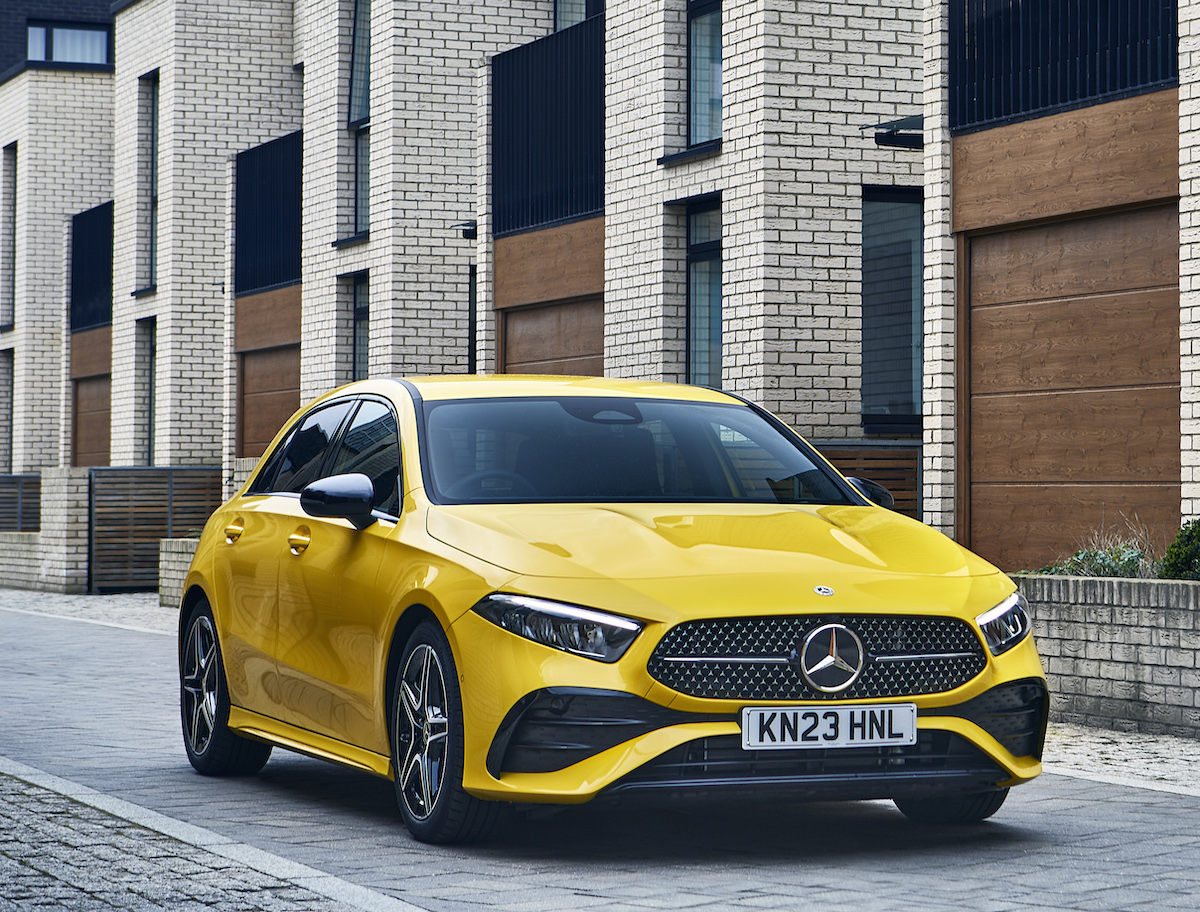
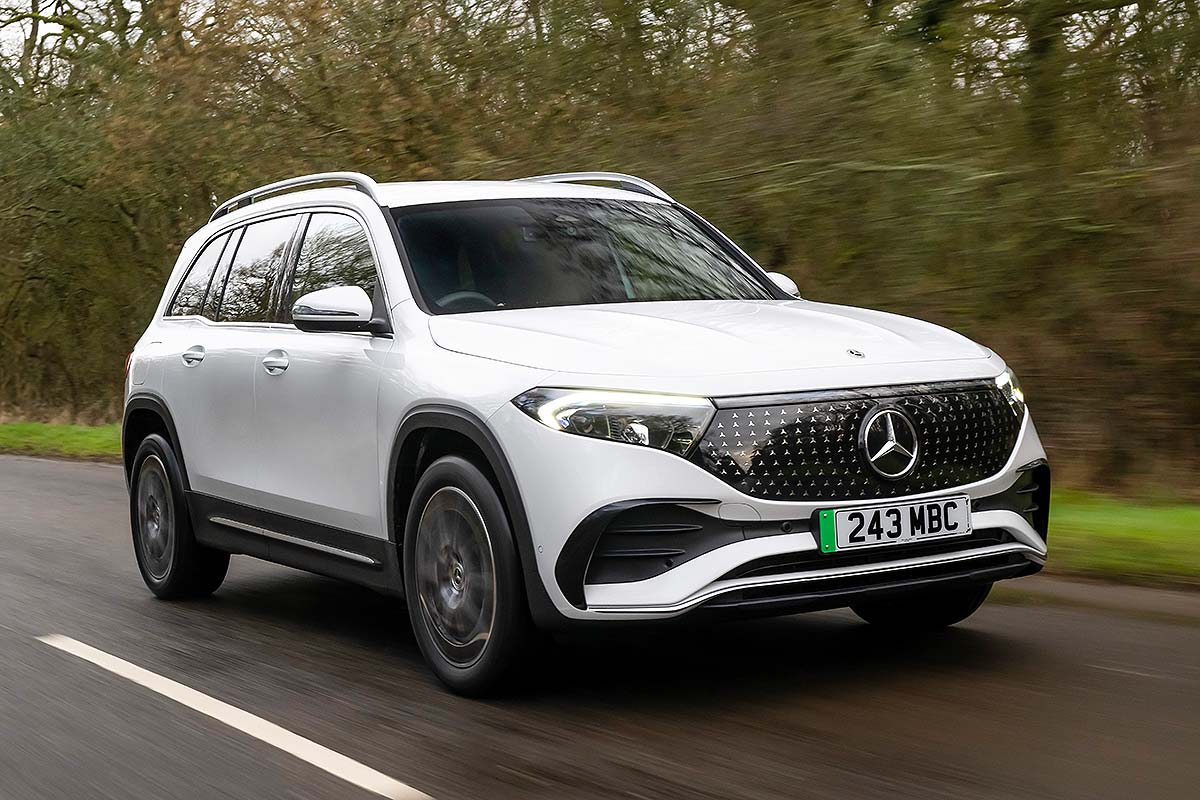

Compare 2026 Mercedes-Benz C-Class Trims
The C-Class offers a blend of luxury and performance, with a range of trims to suit various budgets and preferences.
- Starting at £30,895
- Most Popular: C200 Amg Line 4dr 9g-tronic
Trim Overview
Prices updated weekly from CarGurus listings.
| C200 Amg Line 4dr 9g-tronic (Most Popular) | C200 Amg Line 5dr 9g-tronic | C200 Amg Line Premium Plus 4dr 9g-tronic | C300e Amg Line 4dr 9g-tronic | C300 Amg Line Premium Plus 4dr 9g-tronic | C300e Amg Line Premium Plus 5dr 9g-tronic | |
|---|---|---|---|---|---|---|
| Starting MSRP | £44,775 | £46,525 | £51,775 | £51,775 | £55,225 | £60,770 |
| Avg. Market Price | £30,895 | £32,998 | £36,699 | £34,237 | £34,237 | £34,237 |
| Positioning | Best value | Standard | Standard | Standard | Standard | Fully loaded |
| Standout Features | Heated Seats, Navigation System, Climate control | Heated Seats, Backup Camera, Navigation System | Privacy glass/Tinted windows, Panoramic Roof, Navigation System | Cruise Control, Backup Camera, Heated Seats | Privacy glass/Tinted windows, Keyless Entry/Start system, Panoramic Roof | Privacy glass/Tinted windows, Panoramic Roof, Navigation System |
| Drivetrain | RWD | RWD | RWD | RWD | RWD | RWD |
| Listings Available | 52 | 18 | 13 | 10 | 13 | 14 |
Quick Compare Table
Listing prices sourced from CarGurus — updated weekly. OEM specs from manufacturer data.
| C200 Amg Line 4dr 9g-tronic | C200 Amg Line 5dr 9g-tronic | C200 Amg Line Premium Plus 4dr 9g-tronic | C300e Amg Line 4dr 9g-tronic | C300 Amg Line Premium Plus 4dr 9g-tronic | C300e Amg Line Premium Plus 5dr 9g-tronic | |
|---|---|---|---|---|---|---|
| AI Summary | Best value trim with essential features | Slightly more space with similar features | Adds luxury with a panoramic roof | Hybrid option with solid features | Premium features with added luxury | Fully loaded with advanced tech |
| Avg. Market Price | £30,895 | £32,998 | £36,699 | £34,237 | £34,237 | £34,237 |
| MSRP | £44,775 | £46,525 | £51,775 | £51,775 | £55,225 | £60,770 |
| Engine | 1.5l I4 Petrol | 1.5l I4 Petrol | 1.5l I4 Petrol | 2.0l I4 Petrol Parallel Phev | 2.0l I4 Petrol | 2.0l I4 Petrol Parallel Phev |
| Drivetrain | RWD | RWD | RWD | RWD | RWD | RWD |
| Heated Seats | ✓ | ✓ | ✓ | ✓ | ✓ | ✓ |
| Navigation System | ✓ | ✓ | ✓ | ✓ | ✓ | ✓ |
| Climate control | ✓ | ✓ | ✓ | ✓ | ✓ | ✓ |
| Backup Camera | ✓ | ✓ | — | ✓ | — | — |
| Cruise Control | ✓ | ✓ | ✓ | ✓ | — | ✓ |
| Privacy glass/Tinted windows | ✓ | ✓ | ✓ | ✓ | ✓ | ✓ |
| Parking Assist | ✓ | ✓ | ✓ | ✓ | — | — |
| DAB Radio | ✓ | ✓ | ✓ | ✓ | ✓ | ✓ |
| isofix | ✓ | ✓ | ✓ | — | ✓ | — |
| Alarm/Immobiliser | ✓ | — | — | — | — | — |
| AUX/USB connectivity | ✓ | ✓ | — | ✓ | ✓ | — |
| Heated Mirrors | — | — | — | ✓ | — | — |
| Keyless Entry/Start system | — | — | — | — | ✓ | — |
| Active Listings | 52 | 18 | 13 | 10 | 13 | 14 |
Missing data displayed as "—".
Trim Deep Dives
C200 Amg Line 4dr 9g-tronic — "Who It's For"
The C200 Amg Line 4dr 9g-tronic is the pick for shoppers who want a well-equipped luxury sedan without breaking the bank. It's also the most popular trim in the lineup.
- Avg. market price: £30,895 (updated weekly)
- Inventory: 52 listings — lower availability; may limit negotiating room
- View C200 Amg Line 4dr 9g-tronic listings
C200 Amg Line 5dr 9g-tronic — "Who It's For"
The C200 Amg Line 5dr 9g-tronic is ideal for those who want a bit more space and practicality without sacrificing luxury features.
- Avg. market price: £32,998 (updated weekly)
- Inventory: 18 listings — lower availability; may limit negotiating room
- View C200 Amg Line 5dr 9g-tronic listings
C200 Amg Line Premium Plus 4dr 9g-tronic — "Who It's For"
The C200 Amg Line Premium Plus 4dr 9g-tronic is for buyers seeking enhanced luxury features like a panoramic roof and additional tech without going fully loaded.
- Avg. market price: £36,699 (updated weekly)
- Inventory: 13 listings — lower availability; may limit negotiating room
- View C200 Amg Line Premium Plus 4dr 9g-tronic listings
C300e Amg Line 4dr 9g-tronic — "Who It's For"
The C300e Amg Line 4dr 9g-tronic is perfect for those wanting a hybrid option that still offers luxury and performance in a stylish package.
- Avg. market price: £34,237 (updated weekly)
- Inventory: 10 listings — lower availability; may limit negotiating room
- View C300e Amg Line 4dr 9g-tronic listings
C300 Amg Line Premium Plus 4dr 9g-tronic — "Who It's For"
The C300 Amg Line Premium Plus 4dr 9g-tronic is for those who desire a premium experience with added luxury features and performance.
- Avg. market price: £34,237 (updated weekly)
- Inventory: 13 listings — lower availability; may limit negotiating room
- View C300 Amg Line Premium Plus 4dr 9g-tronic listings
C300e Amg Line Premium Plus 5dr 9g-tronic — "Who It's For"
The C300e Amg Line Premium Plus 5dr 9g-tronic is the choice for buyers wanting a fully loaded hybrid with all the luxury features.
- Avg. market price: £34,237 (updated weekly)
- Inventory: 14 listings — lower availability; may limit negotiating room
- View C300e Amg Line Premium Plus 5dr 9g-tronic listings
Trim Recommendations
Most Popular — C200 Amg Line 4dr 9g-tronic
With 52 active listings, the C200 Amg Line 4dr 9g-tronic is the clear volume leader in the lineup.
Browse C200 Amg Line 4dr 9g-tronic listings
Best Budget Option — C200 Amg Line 4dr 9g-tronic
At £30,895 avg market price — below the lineup median of £34,237 — it's the most accessible entry point.
Browse C200 Amg Line 4dr 9g-tronic listings
These recommendations are based on CarGurus' proprietary market data from October 22, 2026, CarGurus experts' opinions, and generative AI.

