Peugeot 2008 Review (2013-2018)
Peugeot 2008 cars for sale
3.0
Expert review
Pros
Attractive and practical interior
Sensible running costs
Five-star safety rating
Cons
Lacklustre drive
Rear seats don't slide
Odd driving position
The CarGurus verdict
A used Peugeot 2008 won't drive as well as a Skoda Yeti, and it lacks some of the clever touches you'll find in a Renault Captur or Volkswagen T-Cross. But as an all-round used car, the 2008 crossover has plenty of strong points.
There's reasonable space in the cabin, and a good sized boot. The interior is attractive as well as practical, but just make sure you can get on with Peugeot's i-Cockpit and the odd driving position that results.
The steering may be over-light and the ride on the crashy side, but the engine line up is excellent. The diesels are extremely economical, and the PureTech petrols are characterful and lively.
To our eyes, post-facelift cars look better as well as having extra kit and more efficient engines. So if you are shopping for a used Peugeot 2008 and your budget stretches far enough, these are the cars to have.

The crossover boom was really taking off when Peugeot launched the 2008 in 2013. Nissan in particular was showing other car manufacturers the way with the success of the Juke and Qashqai. Bland and boring hatchbacks were out, pint-sized SUV lookalikes were in.
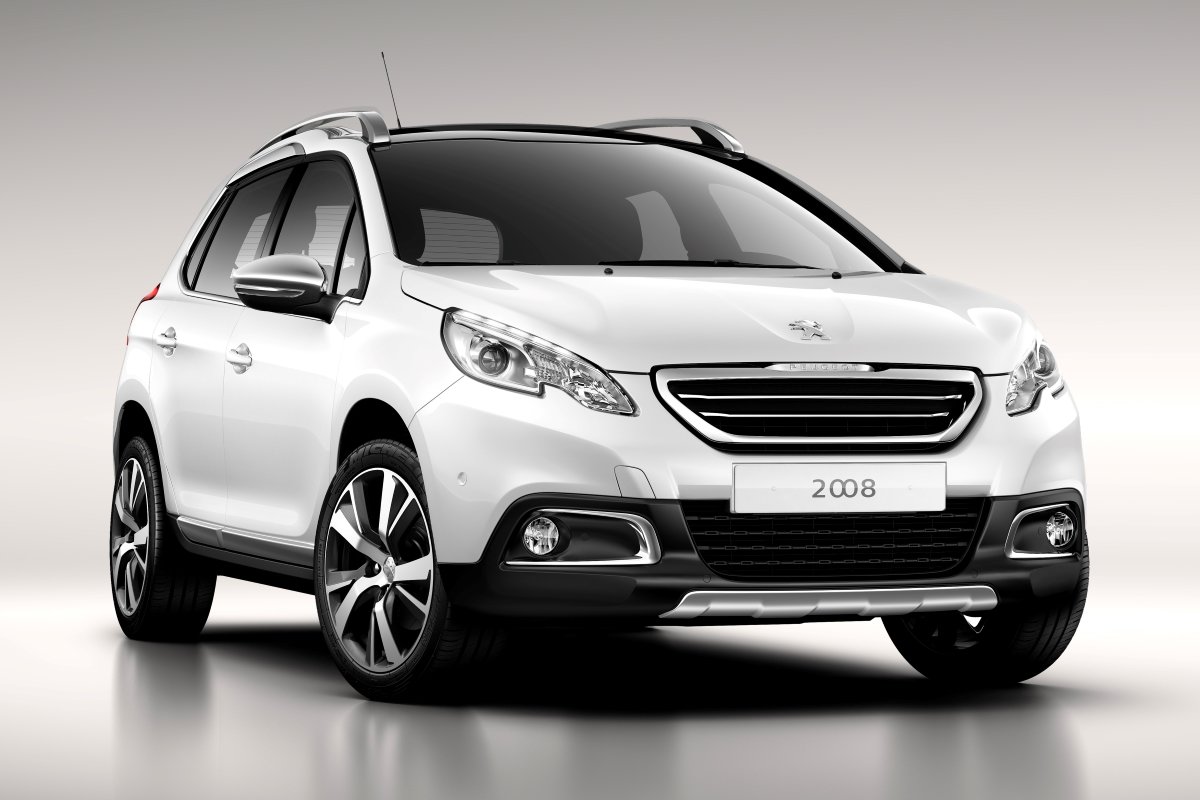
The 2008 was very much on-trend. With its chunky looks and raised ride height, its styling is more adventurous than your average family runabout's. It certainly struck a chord with 2013's car buyers, with 1300 orders placed before the first 2008 even arrived in showrooms.
In 2016, Peugeot facelifted the 2008. To most eyes the revised styling is an improvement, with a more prominent grille and extended wheelarches to give the car a more muscular look. A six-speed automatic replaced the mechanised manual, and autonomous emergency braking was added to the roster of safety features. Peugeot calls it Active City Brake. In addition, the GT Line specification was added to the top of the range.
Finally, an all-new 2008 arrived on the scene in 2018, complete with sharper looks and the option of an all-electric version.
Whichever way you cut it, practicality is good for a car of this size and will suit most growing families down to the ground. For starters, there's plenty of storage in the cabin, with decent-sized doorbins, cupholders galore and a usefully deep cubby ahead of the gear lever. However, like many French cars of the time, the fusebox intrudes into the glovebox to such a degree that there’s only space left for, erm, a pair of gloves.
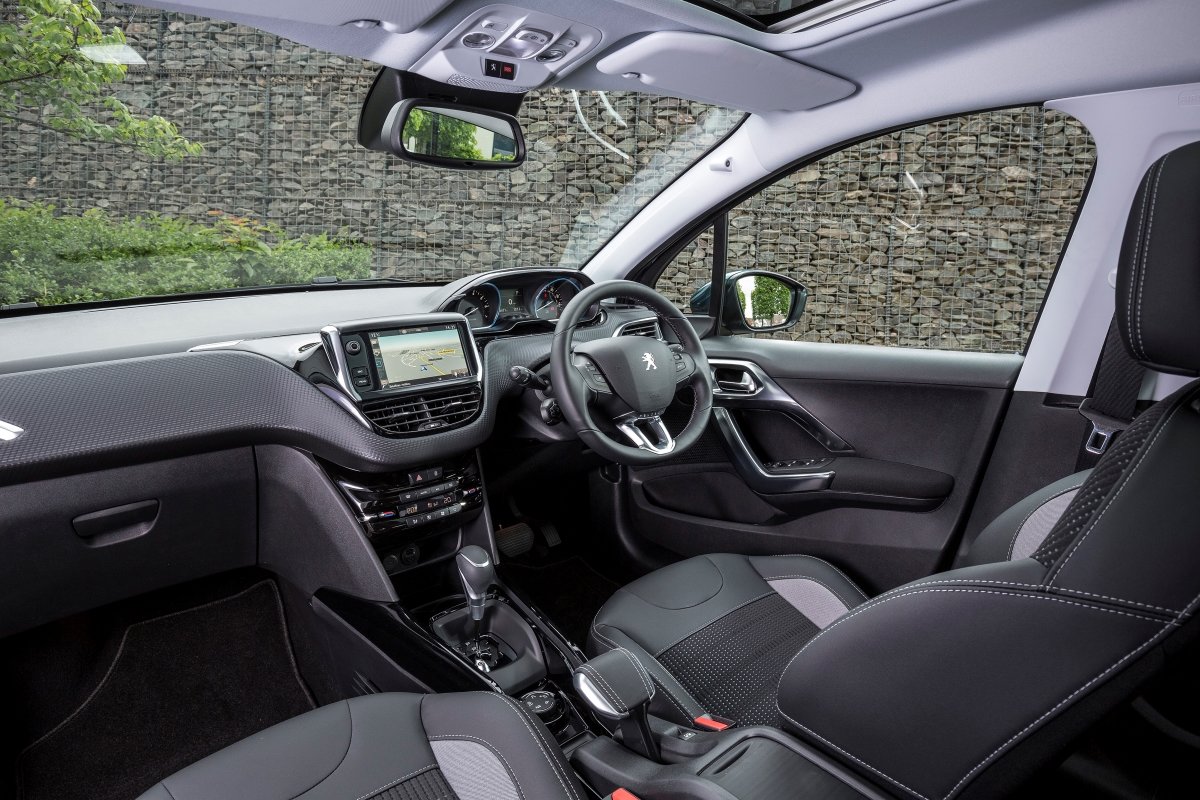
There’s a decent array of seat and wheel adjustment, so finding a comfortable driving position won’t be a problem, but you’ll have to be sure you can live with the quirky i-Cockpit instrument layout (see below).
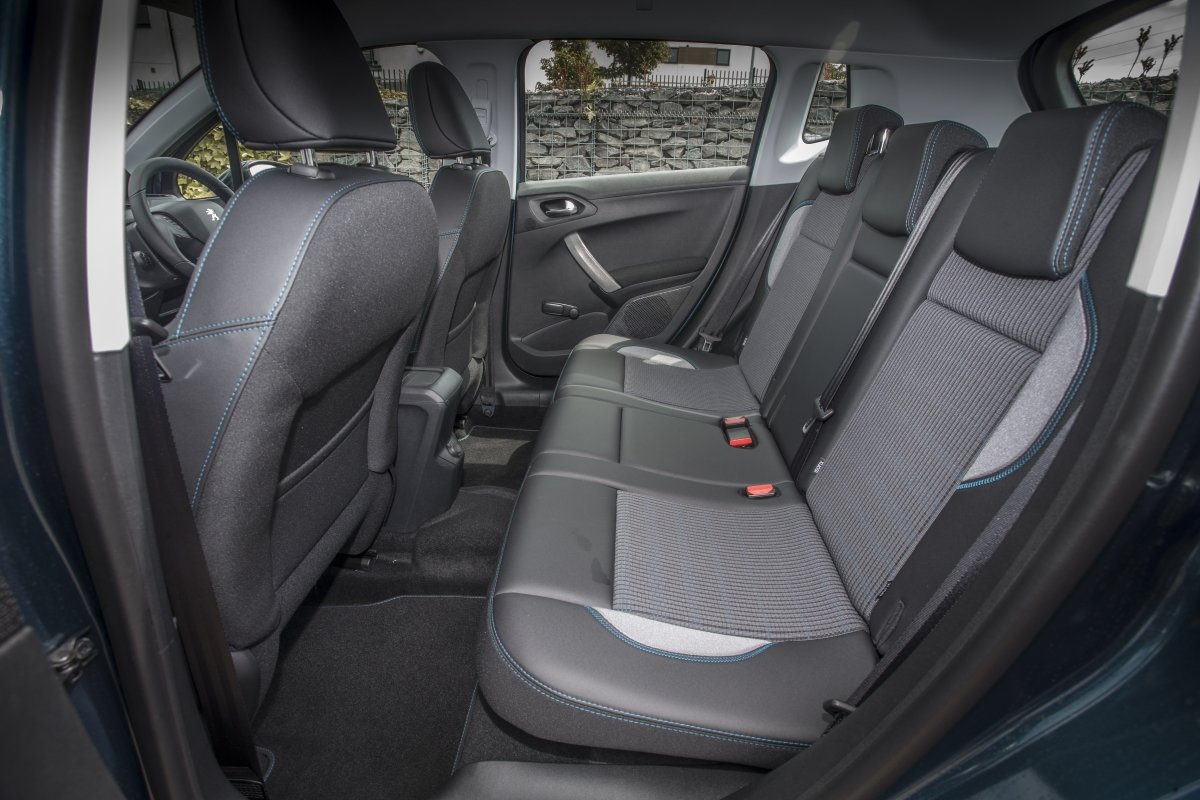
The raised roofline at the rear plus decent legroom means that even taller adults will be comfortable in the rear, although it's a shame the rear seat doesn't slide back and forth as it does in a Renault Captur. That said, the optional panoramic glass roof does mean taller front seat occupants will find their head grazing the ceiling.
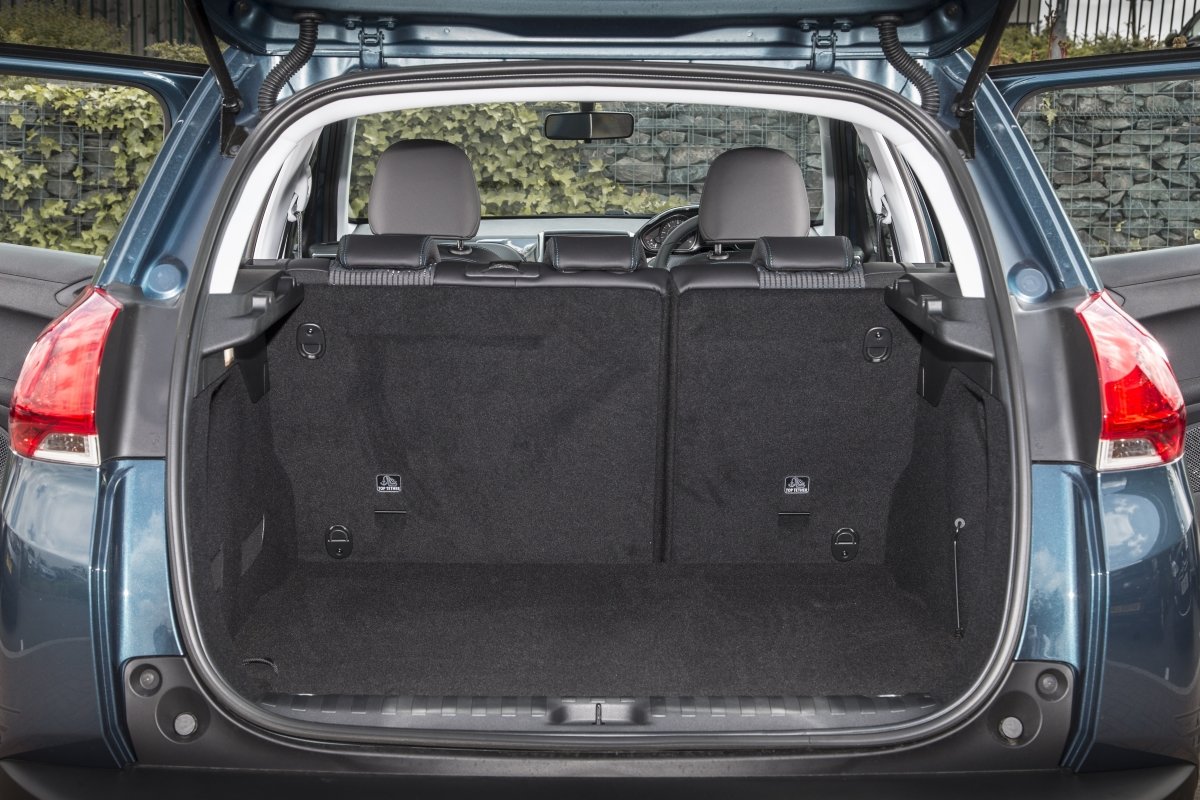
The large tailgate has a wide-opening, while the boot serve-up a very generous 410 liters of tspace. Fold the rear bench and the capacity increases to a very useful 1,400-litres. Better still, the load bay is flat and there’s no lip, making it easier to slide in heavy or long items.

From launch, petrol models were powered by a 1.2-litre VTi engine with 81bhp, or a 1.6-litre VTi with 118bhp. Diesel buyers could choose between a 1.4 HDi with 69bhp, or a 1.6 e-HDi with 91bhp or 113bhp, depending on the state of tune.
Shortly after going on sale, Peugeot added 99bhp and 128bhp 1.2-litre turbo petrols, badged e-THP. These offered a welcome performance boost over both the old 1.2-litre and 1.6-litre VTi units. They feel particularly responsive in the middle of the rev range, providing decent overtaking pace and rarely feeling out of their depth in fast moving motorway traffic.
From 2016 diesels all 1.6-litre BlueHDi engines, with 74bhp, 99bhp or 118bhp. The entry-level version is fairly sluggish, but the more powerful units serve-up surprisingly punchy performance and are refined enough.
Whatever specification was chosen, most cars were manuals, with either a five-speed or six-speed gearbox. An EGC automated manual was available with the 92bhp diesel.
Whether you go for a pre- or post-facelift car, the first-generation Peugeot 2008 is rather ordinary to drive. The steering is light, which is a plus when parking, but keeps the driver at arm's length on country roads. What's more, the ride is quite crashy.
And while the looks might have hinted at SUV-style abilities, but every 2008 sent its power to the front wheels. In the absence of four-wheel drive, Peugeot offered the GripControl traction system instead, which we'll come back to later.
Buyers could choose between Access-, Active, Allure and Feline trim levels. Even the most basic cars came with LED daytime running lights, roof bars, a split folding rear bench seat, manual air-con, cruise control and driver's seat height adjustment.
Stepping up to Active added a DAB radio and Bluetooth, as well as a multifunction touchscreen. Extra kit in the Allure included dual-zone climate control, while the Feline's additional equipment included satnav.
Joining the range in 2018 were the Allure Premium and GT-Line models, which featured extras such as panoramic roof and more luxurious interior trim. The latter also received a sporty-looking exterior makeover with gloss black trim and larger alloy wheels, while inside the racy additions included aluminium pedals.
In fact, the 2008 shares its dashboard with the first generation 208 supermini, so you get the option of the same touchscreen infotainment system. It looks pretty smart, but by the standard of today’s systems the graphics are a little clunky and the unit is slow to respond to your commands.
Standard safety kit included six airbags and electronic stability control, helping the 2008 to achieve a five-star overall rating when tested by Euro NCAP in 2013. However, if you want bang-up-to-date tech such as autonomous emergency braking then you’ll need to dig deeper in your pockets for the new, second generation 2008.
The later diesels are the ones to have if you cover a lot of miles and want to keep a tight lid on your motoring bills. All have an official combined figure of 76.3mpg and dip under 100g/km of carbon dioxide emissions.
In reality 76.3mpg may be hard to achieve, but reckon on low 60s if you drive gently, or well over 50mpg even if you don't.
The earlier diesels aren't quite so efficient, but should still return well over 50mpg without much trouble, and close to 60mpg if you are a steady driver. Cars with an automatic gearbox won't be too far off the manuals.
The most efficient petrol cars are also the later engines. The three-cylinder PureTech petrols sound good and deliver lively performance without punishing owners at the pumps. Fitted with a manual gearbox, the 81bhp car achieves 57.6mpg on the combined cycle. With the electronically controlled gearbox, it returns 64.2mpg. The 99bhp version has an official combined figure of 64.2mpg, while the 108bhp engine can achieve 60.1mpg (58.9mpg with an automatic gearbox), while the 128bhp car returns 58.9mpg with a six-speed manual gearbox.
On the road? Expect mid 40s mpg or better if you drive gently.
As for car tax, the diesels are again the cheapest options. In fact there's no annual cost at all for diesels emitting less than 100g/km of CO2. That applies to all the post-2016 facelift diesels. It also applies to the lowest emitting pre-facelift diesels.
The petrol models also have low emissions so won't cost much to tax. Facelifted cars with PureTech engines have emissions of 102-114g/km, with annual Vehicle Excise Duty payments of £20-£30.
A word of warning, though. Car tax bands are different for cars registered on or after April 2017, and are much tougher on emissions. So even the cleanest diesel 2008 registered from April 2017 onwards will cost £160 per year. The same applies to most petrols, rising to £180 per year for the 81bhp 1.2 PureTech.
Even under the later tax regime, however, these are affordable cars to fuel and tax. They won't cost silly money to insure, either, with insurance groups starting from 10 for the entry-level petrol and diesel models.
Peugeot doesn't tend to do well in reliability and customer satisfaction surveys, although in fairness this does vary a bit from model to model.
The 2008 is definitely one of its better efforts, performing well in driver satisfaction surveys and in the middle of the pack in reliability studies. It's much more likely to be reliable than a Peugeot from the noughties, like the 307.
Be aware that any diesel with a diesel particulate filter (DPF) won't appreciate lots of short, stop-start journeys. Any diesel used for short trips could end up with a clogged up DPF. A longer drive at higher speeds should allow the DPF to regenerate. However, we'd steer well clear of any diesel with the DPF warning light showing.
Cars built between 16 February and 16 March 2015 had a defective anti-rust treatment applied to the front subframe. This can lead to corrosion.
Another recall applies to cars made from 2 October 2017 to 20 November 2017. A faulty part can lead to the engine losing power or stalling. In rare circumstances, the engine can accelerate briefly before suddenly stopping. In terms of warranty, Peugeot covers the 2008 for three years and 60,000 miles. The warranty can be extended for an extra fee.
Peugeot's Approved Used scheme sells cars with a minimum warranty of 12 months. All cars go through a 112-point pre-delivery inspection, and there's a 30-day/1000-mile fault-based vehicle exchange.
- Grip Control is Peugeot's way of giving the 2008 some credibility as a small SUV, despite the lack of a 4x4 version. This sophisticated traction control system was available on Allure and Feline models from launch. Twisting a rotary controller gives drivers the choice of standard, snow, all-terrain, sand, and stability-control-off modes, making the most of the available grip. How effective is the system? Well, cars fitted with the Grip Control system were also supplied with mud and snow tyres rather than summer rubber, which the firm’s engineers quitely revealed accounted for much of the difference in traction on slippery surfaces.
- The 2008 was one of the first Peugeots to feature the i-Cockpit, which now features across the Peugeot range. The driver looks over the unusually small steering wheel to see the instruments rather than through it. It's a bit of a love-hate feature, and you need to take care to find a driving position that's comfortable and allows you to see the dials clearly. But after a few days of driving a Peugeot with the small and sporty wheel it feels odd to get back in a car with a conventionally sized steering wheel.
- The GT Line arrived in 2016 to top the range. In terms of equipment the GT Line is similar to the high-spec Feline cars, but with a moodier look. GT Line cars come with gloss black 17-inch alloy wheels, and the black theme continues throughout, replacing the standard chrome-effect grille surround, fog light covers, mirror casings and roof bars. The front grille surround is black with red Peugeot lettering. Inside, the GT Line has stainless steel sills, aluminium pedals and red stitching on the door mats. There's more red detailing on the seats.
- If you want the best all-rounder: go for the 1.2 PureTech 130. These PureTech petrols are great little engines, and the 130 is the best of the bunch. It's lively and willing, but quieter than a diesel. And for a petrol car, fuel economy is good. Unless you cover a lot of miles we'd choose this engine over the rest.
- If you want the best possible fuel economy: choose one of the 1.6-litre BlueHDi diesels. These all return identical economy according to the official figures: 76.3mpg on the combined cycle. Ideally, look for the most powerful 118bhp version, which combines strong performance with excellent fuel economy. It makes a really good motorway car.
- If you want the sharpest styling: pick one of the post facelift cars. The early 2008 is a bit apologetic by crossover standards, while the facelifted version is much tougher looking. The more aggressive-looking grille and extended wheelarches give the later model a lot more presence, especially if the budget stretches to the high-spec GT Line.
- If you are on a tight budget: buy an early 81bhp 1.2-litre. These cars may not be especially quick, but the engine is happy enough around town and perfectly capable of longer trips if you're not in a hurry. The more powerful engines are more sought after, so if you are happy with entry-level performance you can pick up a bargain.


