Range Rover Sport Review (2005-2012)

Pros and cons
What we like
More fun to drive than a 4x4 of this size and weight has any right to be
So much car for the money
The cabin is truly luxurious
What to consider
The 2.7-litre diesel doesn't live up to the 'Sport' billing
Epic running costs
The threat of a big repair bill will always be in the back of your mind
The CarGurus verdict
Buying a Range Rover Sport of this era is not for the faint-hearted. Running costs are hefty, and if you get an iffy one, which is by no means unheard of, repair costs could be ruinous.
Lots of owners who are happy to bear the costs, though, because the majestic driving experience, the exceptional levels of luxury leave them feeling rather special.
If you are prepared to grasp the nettle then we’d recommend going for one of the later diesel models, because most of the early problems had been remedied by this point. It will also come with the latest eight-speed automatic gearbox, the most up-to-date cabin layout and lots of equipment. You’ll pay a premium, but doing so could save you thousands, and they really a step-up from the early cars.
out of 5 expert review
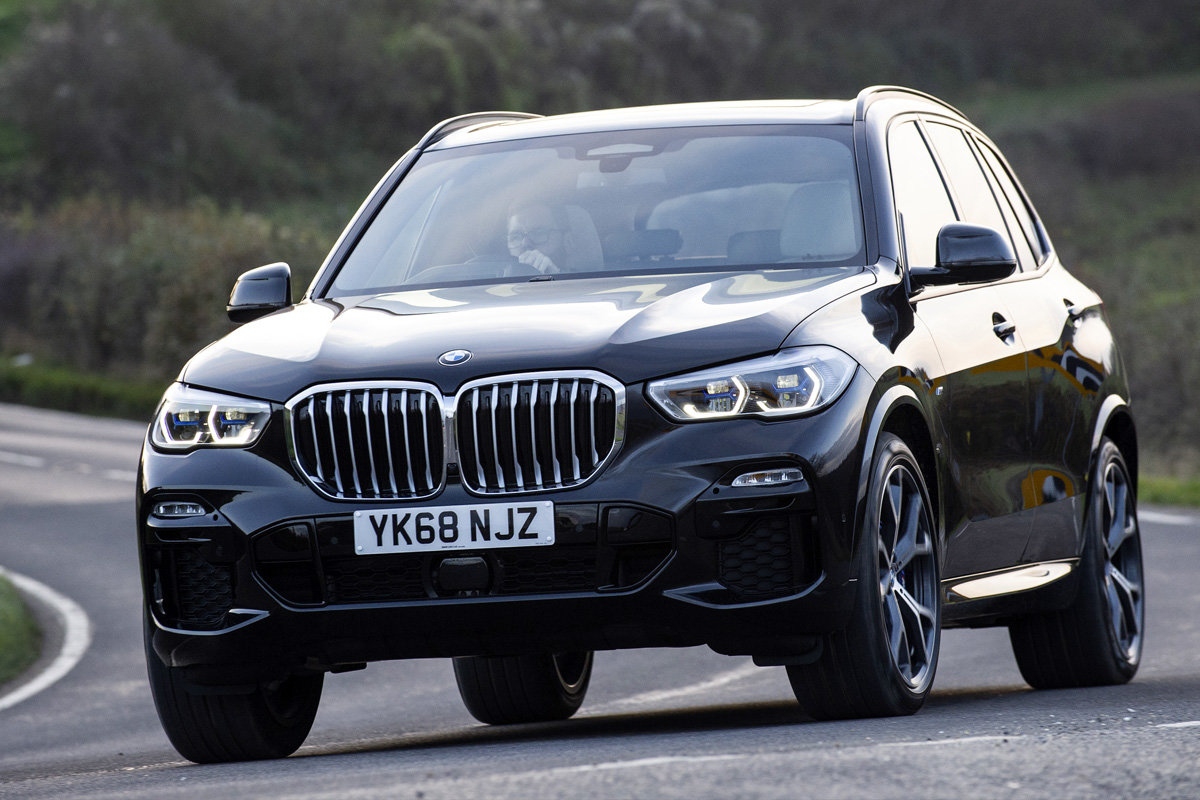
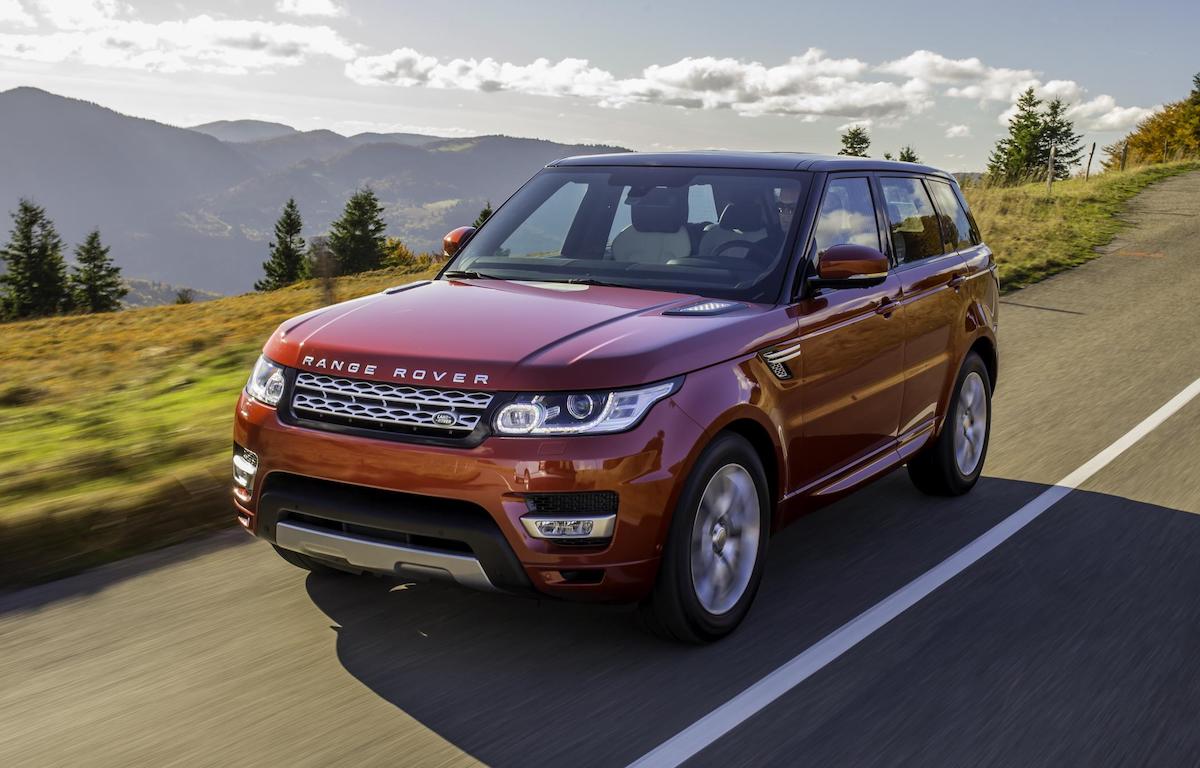
Much of the Range Rover Sport’s enduring appeal can be attributed to our continuing fascination with large SUVs, but that classic heritage and haughty on-road presence are equally responsible for its long-lived desirability – far more so than the BMW X5s, the Audi Q7s, and the Porsche Cayennes of the same era.
The Sport is based on a Land Rover Discovery 3 and has permanent four-wheel drive and electronic terrain response. It is a genuine go-anywhere off-roader, but it’s also refined and pleasant to drive.
This is primarily down to the plush front seats, acres of high-quality fixtures and fittings and, if you can stretch to a post-facelift 2010 car, you’ll be pleasantly surprised by just how much the interior resembles that of the latest second-generation model – and the engines are better, too.

Practicality
Silky steering, excellent sound insulation, and a driving position akin to a Boeing 747, ensure the Sport is one of the most relaxing long-journey cruisers, even by new car standards – as long as you’re occupying one of the thrones up-front.
Further back, legroom is little better than a family hatchback’s and heaving yourself up to the rear seats, then swishing your hips through the gap between B-pillar and the intrusive rear wheel arch, is no mean feat. It’s strictly a five-seater, too, where rivals such as the Audi Q7 and the Volvo XC90 are available with seven seats.
The Sport has an enormous boot, which, along with self-levelling suspension, help to redeem it on the practicality front. Picking up a dozen or so bags of ballast to stabilise that patio will not be a problem.

Driving
It’s not quite as limo-like as its luxury-focussed Range Rover cousin, but the Sport’s standard air suspension is supple and well-controlled, so it rides exceptionally well.
The Sport weighs almost 2.5 tonnes and the most common 2.7-litre TDV6 isn’t really performance isn’t really up to the task. The later 3.0-litre SDV6 models or the rarer 3.6-litre diesel V8 are considerably stronger and more frugal, so they’re far better bets.
If you don’t mind turning a large fortune into a quickly diminishing one, you could try your luck with one of the V8 petrols. They generate far greater performance, especially the supercharged 5.0-litre model. The V8s are notably more refined than the diesel-engined cars, helped by the smooth automatic gearbox. Just remember that they’re extremely expensive to run.
Tech and equipment
HSE was among the most popular trim levels when the Sport was new and includes eight-way electric-powered front seats, deep-pile carpets, leather and wood veneer trim, an electrically adjustable steering column, full climate control, heated front and rear screens, 19-inch alloy wheels, headlamp power wash and a touchscreen infotainment system with voice control, satnav, and a Harman Kardon stereo.
If you’re splashing out, then look for Autobiography Dynamic specification. Along with everything you’ll find in the, HSE you also get larger alloy wheels, upgraded leather, a heated steering wheel, active cruise control, and a reversing camera, and many examples can also be found with rear entertainment TV screens.

Running costs
If you’re concerned about fuel costs, then you probably shouldn’t even be dreaming of a Range Rover Sport. The diesel engines are thirsty enough, and the petrols are downright decadent.
Officially the 3.0-litre diesel should return 32 mpg and is reputed to be capable of achieving this on a steady run. Weirdly, the supercharged 5.0-litre V8 petrol engine’s official figure is only 4 mpg lower than the diesel’s, but if you even think about prodding the right pedal, then fuel consumption will plummet to the mid-teens.
High CO2 levels mean road tax is equally pricey, while insurance groups range from 38 for a base-spec 2.7 diesel to 49 for the top-spec supercharged 5.0-litre cars.
The Sport takes a whole lot of stopping, and it gets through brakes at quite a rate. It’s not a complex job to replace them, but given the car’s weight, it is best left to a competent garage. Don’t expect such chunky tyres to come cheap, either.
To keep your Sport in rude health you’ll need to service it every 15,000 miles or every 12 months, whichever comes first. The car should have had a major service at seven years old, so look for evidence of this in the service book. The diesel engines need a new cambelt every 100,000 miles or every seven years, which is an incredible mileage between swaps, although it’s just as well because it’s a pricey job.
Fresh brake fluid will be required every three years, fresh coolant every 10 years and an aircon re-gas every five years, but these are all relatively cheap jobs. On top of this, there are various drive belts, filters and fluids that need to be replaced, normally with every major service.

Despite its tough, go-anywhere image, the Sport is not exactly a paragon of virtue when it comes to reliability. Early cars, in particular, can be real headaches.
Due to its body-on-chassis construction, it is not unusual to hear tales of whole cabins being removed to address issues. This may sound like a scarily radical process but it’s not quite as bad as it seems, as it consists mainly of removing a dozen or so hefty coach bolts and employing a lift hoist to separate the two entities.
Of all the engines, the early 2.7-litre diesel is known to be the most fragile and, if it needs replacing, a specialist Land Rover garage will remove the body, fit a reconditioned engine and bolt things back together, usually for a four-figure sum. This is just one of the reasons why we recommend going for the newest example you can afford.
Even later cars are known to suffer from fuel pump failures and are prone to air suspension compressor problems – as well as suspension system leaks – as the miles accumulate. The compressor unit isn’t that expensive but replacing all four suspension struts is. You should have the car checked by an expert before embarking on this route, however, as there are myriad other parts in the system that can leak. The self-levelling and anti-roll bar valve blocks can also leak and cause the vehicle to lose equilibrium.
V8 petrol engines are known to suffer from oil leaks, timing chain tensioner wear and water pump issues, so check if these components have been replaced, listen for rattles, and look for any obvious signs of leaks.
There were also a couple of recalls concerning 2009 models due to brake servo problems and potential fuel pump leaks, so it’s worth checking the service history to see if your potential purchase was affected.
Given the mechanical fragility of the Range Rover Sport, an aftermarket warranty could be a shrewd investment.


What owners say
"The Land Rover Range Rover Sport is widely appreciated for its luxurious features, comfortable interior, and strong performance across various model years. Owners frequently praise the vehicle for its sporty engine, advanced technology, and overall road presence. However, some drivers have noted the higher pricing compared to competitors in the luxury SUV market, with a few expressing concern about fuel economy and the need for regular maintenance. Overall, the Range Rover Sport offers a satisfying driving experience with a blend of luxury and capability."
Absolutely love this car and all its features I have had a Range Rover before so I’m very happy with it
17 September 2025Yes the car was good value. It has the added advantage of having a retractable towbar which if we had chosen a different model would have cost us another £3000 to have one fitted. Hence the reason we bought it.
23 January 2025Good value for money. Nice to drive.lots of gadgets.very roomy inside ,ideal for towing and long journey.
14 July 2025What owners say
Absolutely love this car and all its features I have had a Range Rover before so I’m very happy with it
17 September 2025Yes the car was good value. It has the added advantage of having a retractable towbar which if we had chosen a different model would have cost us another £3000 to have one fitted. Hence the reason we bought it.
23 January 2025Good value for money. Nice to drive.lots of gadgets.very roomy inside ,ideal for towing and long journey.
14 July 2025Very good condition car and price is a little high but the car is nice.
19 August 2025Great car ,sleek looks and impressive quality, would recommend that you drive it.
26 August 2025The Range rover Sport is a car I've always wanted. Finally I have one and it's amazing I traded in my Mercedes ML320 that I loved. But the sport is an amazing drive.
30 January 2025As I only like the Range Rover L322 models from about 2006/7 up to 2012 ish. Must be the Automatic must be diesel 3.6 or 4.4 V8. So long as it is mint or near as condition and no smokers, below 100,000 miles with great service history
29 January 2025It does everything it says on the tin and more.Ihave a 09 3.6td HSE and for 4 years motorig repairs not including consumables stand me at £309.74 you cant fault that,Its pure luxury,i smile on every journey.
20 September 2023The car is very well equipped and missing nothing in the way of comfort or equipment. It stands out from others, even stablemates such as the Discovery and I believe other makes strive to achieve its iconic status.
15 January 2022The car was great in all areas and would highly recommend one.
27 January 2021Three things to know
- Early cars were sold predominately with the 2.7-litre 190bhp V6 diesel, which is also found in many Jaguars, and fitted with a six-speed automatic gearbox. But, as we mentioned, it’s not up to the job. If you can find the extra cash for a post-facelift car, you’ll get the far more capable 211bhp 3.0-litre diesel unit. A couple of years before production ended, this engine was strengthened further, gaining a useful boost in power to 258bhp, and it also benefits from a smoother-shifting eight-speed automatic gearbox.
- If you haven’t got the wherewithal for one of these later V6 cars, then the 272bhp 3.6-litre SDV8, built between 2007 and 2010, is the next best thing. Rumoured to be closely related to a Ford truck engine, you should hold fire on any commercial vehicle preconceptions, because it’s punchy and super-smooth.
- Depending on the age of the car, you have the choice of four different V8 petrol engines. You’ll find the 300bhp 4.4-litre and the 4.2-litre supercharged 385bhp engines in cars manufactured up to 2010, while post-facelift cars came with either a fuel-injected 375bhp 5.0-litre or a 510bhp supercharged version of the same engine. If you’re considering the latter, you may as well go the full Monty and have the supercharged car. Running costs are out of the window by that point, and it will hit 0-60mph dash in less than six seconds, which is astounding for such a hefty car.
Which one to buy
- If you want prestige on a relative budget: One of the main attractions of the Range Rover Sport is that its styling still looks so modern. Stick a private plate on one, and most people wouldn’t have a clue that your Sport could be 15 years old. Granted, it’s likely to be either a high-mileage 2.7 diesel or a thirsty 4.4 V8, but who cares. At roughly the same price as a three-year-old Ford Fiesta, this is Savoy Grill dining for greasy spoon money.
- The best all-rounder: If it were our money, we’d rule out everything except the last of the 3.0-litre engines, or the slightly older V8 diesels, and we’d search out a car in HSE Dynamic trim and the updated interior. Look for a relatively low-mileage, possibly even one-owner car, with a full service history.
- The full-fat version: If you don’t do that many miles, then you may as well just go crazy with a 5.0-litre V8 supercharged monster. Providing dragster quarter-mile performance, most of these models come in footballer-spec Autobiography Dynamic trim.


Pricing trends
Starting RRP
£39,858
Current avg. market price
£6,905
Trending down by 8.8% this month
April 2026 - October 2026
More on the Land Rover Range Rover Sport (2005 - 2012)
Compare 2011 Land Rover Range Rover Sport Trims
The 2011 Range Rover Sport offers a blend of luxury and capability, with a choice between value and performance trims at competitive prices.
- Starting at £6,296
- Most Popular: 3.0 Sdv6 Hse 5dr Auto
Trim Overview
Prices updated weekly from CarGurus listings.
| 3.0 Tdv6 Hse 5dr Commandshift | 3.0 Sdv6 Hse 5dr Auto (Most Popular) | |
|---|---|---|
| Starting MSRP | £54,340 | £56,225 |
| Avg. Market Price | £6,296 | £6,912 |
| Positioning | Best value | Trail-ready |
| Standout Features | Leather seats, Navigation system, Heated seats | Climate control, DAB radio, Keyless entry/start system |
| Drivetrain | AWD | AWD |
| Listings Available | 23 | 139 |
Quick Compare Table
Listing prices sourced from CarGurus — updated weekly. OEM specs from manufacturer data.
| 3.0 Tdv6 Hse 5dr Commandshift | 3.0 Sdv6 Hse 5dr Auto | |
|---|---|---|
| AI Summary | Best value option for budget-conscious buyers | Offers more power and features for adventurers |
| Avg. Market Price | £6,296 | £6,912 |
| MSRP | £54,340 | £56,225 |
| Engine | 2993.0cc 245 hp V6 | 2993.0cc 255 hp V6 |
| Drivetrain | AWD | AWD |
| MPG/MPGe (City/Hwy) | 25.2/34.9 | 28.8/34.9 |
| Cruise Control | ✓ | ✓ |
| Leather Seats | ✓ | ✓ |
| Navigation System | ✓ | ✓ |
| Backup Camera | ✓ | ✓ |
| Heated Seats | ✓ | ✓ |
| Air Conditioning | ✓ | — |
| Climate control | ✓ | ✓ |
| Parking Assist | ✓ | ✓ |
| Bluetooth | ✓ | ✓ |
| Parking Sensors | ✓ | — |
| Keyless Entry/Start system | ✓ | ✓ |
| DAB Radio | — | ✓ |
| isofix | — | ✓ |
| Active Listings | 23 | 139 |
Missing data displayed as "—".
Trim Deep Dives
3.0 Tdv6 Hse 5dr Commandshift — "Who It's For"
The 3.0 Tdv6 Hse 5dr Commandshift is the pick for shoppers who want luxury features without the higher price tag of the more powerful trims.
- Avg. market price: £6,296 (updated weekly)
- MPG/MPGe: 25.2 city / 34.9 hwy
- Inventory: 23 listings — lower availability; may limit negotiating room
- View 3.0 Tdv6 Hse 5dr Commandshift listings
3.0 Sdv6 Hse 5dr Auto — "Who It's For"
The 3.0 Sdv6 Hse 5dr Auto is the pick for shoppers who want a more powerful engine and additional features without sacrificing luxury.
- Avg. market price: £6,912 (updated weekly)
- MPG/MPGe: 28.8 city / 34.9 hwy
- Inventory: 139 listings — lower availability; may limit negotiating room
- View 3.0 Sdv6 Hse 5dr Auto listings
Trim Recommendations
Most Popular — 3.0 Sdv6 Hse 5dr Auto
With 139 active listings, the 3.0 Sdv6 Hse 5dr Auto is the clear volume leader in the lineup.
Browse 3.0 Sdv6 Hse 5dr Auto listings
Best Budget Option — 3.0 Tdv6 Hse 5dr Commandshift
At £6,296 avg market price — below the lineup median of £6,604 — it's the most accessible entry point.
Browse 3.0 Tdv6 Hse 5dr Commandshift listings
These recommendations are based on CarGurus' proprietary market data from October 22, 2026, CarGurus experts' opinions, and generative AI.

