Skoda Octavia Review (2004-2012)
Skoda Octavia cars for sale
4.0
Expert review
Pros
Delivers spacious and sensible motoring
vRS versions combine performance and practicality
Good value for money
Cons
Early diesel engines are a little gruff
Not the most glamorous of badges
Stereo systems not the best
The CarGurus verdict
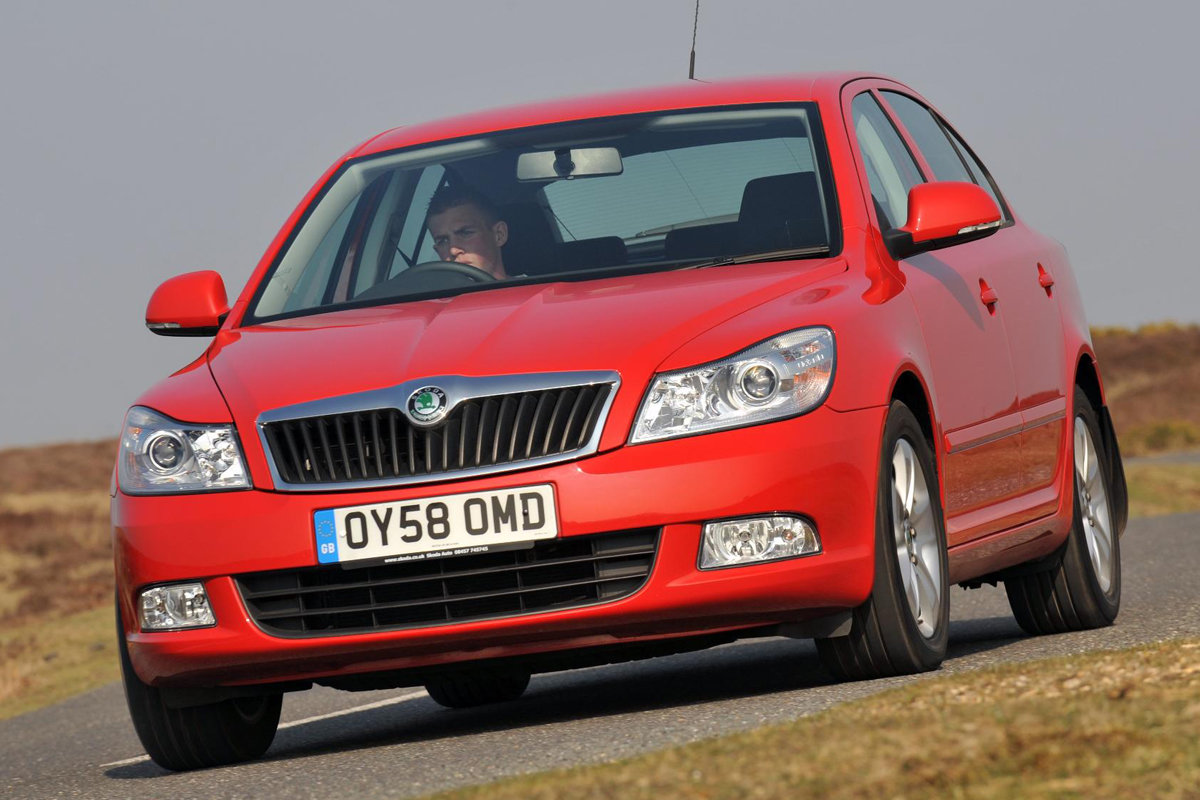
Skoda’s Octavia 2, in hatchback or estate form, is an eminently sensible purchase for those who want a straightforward and capable car. It’s spacious, comfortable, relaxing to drive and the array of options and engines make it easier to find a car that best suits you. The amount of kit and sheer practicality afforded by the Octavia can also make it a preferable choice to cars such as the Volkswagen Golf, Vauxhall Astra and Ford Focus. It can further serve as a less costly alternative to cars such as the Audi A4 or BMW 3 Series, especially when considering options such as the flagship vRS.
Engine issues with later vRS models aside, there’s also not much to worry about on the reliability front. This, coupled with a range of efficient engines, means that running costs won’t prove expensive. Some Octavias are getting quite old now, however, so you’ll need to cast a closer eye over used examples before taking the plunge.

What is the Skoda Octavia?
When Skoda unveiled its Octavia hatchback in 1996, people sat up and took note. The Skoda brand was one that had long been joked about, but the new Octavia, which rivalled cars such as the Ford Mondeo, was no laughing matter. It was well built, neatly styled and comfortable, while also practical, durable and affordable.
The second-generation Skoda Octavia, which arrived in 2004, built upon the strengths of its predecessor. It was a reliable and comparatively inexpensive car, like the first-generation Octavia, but benefitted from more modern looks, improvements in practicality and a range of new technologies.
It quickly proved a popular choice and later additions to the range, such as the high-performance Octavia vRS and more rugged Octavia Scout, served to further bolster the Czech manufacturer’s appeal. That appeal continues to this day, as the third and fourth generations of the Octavia followed in 2012 and 2020.

How practical is it?
Sure, the interior isn’t particularly exciting, but its uninteresting appearance is compensated for by a vast amount of space and excellent practicality.
Hatchback models boast a deeply impressive 560 litres of boot space – more than you’d find in many models from the class above – while the estate is even roomier, with a whopping 605-litre load bay.
And while some cars suffer from cramped rear seats in order to make way for more room in the boot, that’s not the case here; you’ll find a huge amount of legroom in the back of whichever body style you choose, and head and elbow room to spare, too. Front seat occupants won’t feel cramped, either.
In its day, the Octavia was one of the most practical cars of its type, and even today, the Mk2 Octavia is bigger inside that most modern hatchbacks.

What's it like to drive?
Even if you’re looking at a standard Skoda Octavia mk2 hatchback or estate, you won’t feel short of choice, as it was offered with a wide range of petrol and diesel engines, including the popular 1.8 TSI and 2.0-litre TDI diesel, as well as manual and automatic transmissions.
Some versions are also available with four-wheel drive, which could be useful if you regularly drive in poor weather or down more challenging roads.
Whichever model you choose, the Octavia is a pleasant, comfortable and composed car to drive. The steering is accurate, the ride pliant and it handles well. The controls are also precise and easy to use, which further makes the Octavia an easy car to live with.

Technology, equipment & infotainment
There were a lot of updates throughout the second-generation Octavia’s life, which started with the addition of a revamped media and navigation system in late 2007. There was then a major facelift in January 2009, which introduced new interior and exterior styling, new features such as updated media and navigation systems, new engine options and a refreshed range of colours.
If you’re looking at a later Octavia, it might be worth keeping an eye out for the SE Plus models that were introduced in early 2011; these expanded upon the standard kit offered by the SE trim with luxuries such as rear parking sensors, a touchscreen media system and Bluetooth phone connectivity. There were also several special editions, such as the later Octavia vRS Blackline.
Go for one of the higher-specification trims, such as Elegance, and you’ll also benefit from creature comforts such as climate control, parking sensors and cruise control.
Skoda Octavia running costs
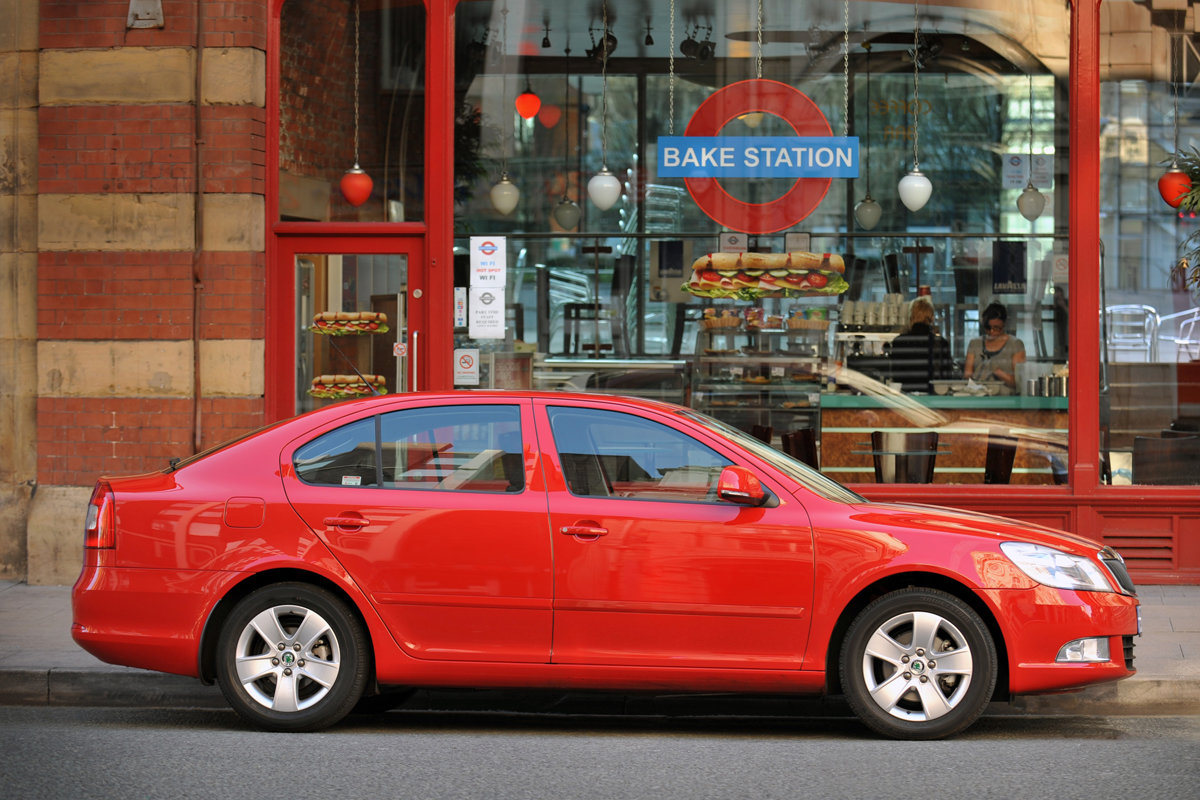
Octavia running costs won’t prove overly expensive, even if you opt for one of the more powerful models. If you go for one of the hyper-efficient Greenline variants, your running costs could end up being very low indeed.
A 1.8-litre TSI petrol model, for example, will generally cost £205 in Vehicle Excise Duty each year and is claimed to average 40mpg. Many owners also report that as being a realistic economy figure, when driven sensibly, which is good going considering the performance on offer.
If you want to keep fuel and VED costs to a minimum, you should go for the Greenline II version of the Octavia. The hatchback version emits just 99g/km of CO2 which, under the tax bands at the time, meant zero annual VED costs. It was also claimed to be capable of averaging 74.3mpg, but it’s more probable that you’ll average around 60mpg in day-to-day use.
Usefully, as the second-generation Octavia has been around for so long and has so much commonality with other cars, finding a garage to diagnose issues and work on your car should prove easy. Parts and aftermarket support is also good, which will further help keep running costs sensible.
One thing worth bearing in mind is that many variants of the Octavia have timing belts instead of timing chains. You’ll need to check the details for the specific model you’re looking at but, generally, petrol models need their belts changing every 60,000 miles or four years, while diesel models typically need a fresh timing set-up upwards of four years and 80,000 miles.
There is some variation, though, so check with a dealer or specialist to find out the specific requirement for the car you’re interested in. It’s worth checking; if it hasn’t been done in recent history, you could be facing a bill of around £500 or more.
Skoda’s high-performance vRS model will cost more to run than the conventional cars but not excessively so. It’s worth checking insurance costs, though, as the vRS sits in a higher group than many of the non-vRS models.

Skoda Octavia reliability
These days, Skoda is a highly regarded brand and known for producing reliable and durable cars. As a result, it often places very high in customer satisfaction and reliability surveys. The second-generation Octavia was among the cars responsible for establishing that reputation, as it proved well-built and dependable, so major gripes should be few and far between. There haven’t been a huge number of recalls, either, but do check any potential purchase against the government recall website to avoid any surprises.
Most faults reported with Octavias of this generation tend to be fairly minor but there are a few common issues that are worth keeping an eye outfor. In diesel versions, listen out for signs of dual-mass flywheel problems in manual models. Also, watch out for signs of injector, turbo or diesel particulate filter-related problems. The later EA888 petrol engine in the vRS version, which uses a timing chain instead of a belt, can also be problematic; issues range from chain tensioner failure through to excessive oil consumption. A warning sign of timing-related issues is a light rattle on start-up. Fortunately, updated tensioners were made available later and overhauling the entire lot, before a failure occurs, can often be done without breaking the bank.
Skoda does have an approved used scheme and occasionally you'll see older cars such as the second-generation Octavia offered through it. They tend to be later cars, however, and warranties will only be offered on cars up to 10 years old and with fewer than 100,000 miles on the clock. If you spot one that meets those criteria, it should come with 12 months’ warranty, 12 months’ roadside assistance, complimentary drive-away insurance and a 30-day, 1000-mile exchange policy.
Otherwise, it’ll probably be the case that you’re buying your Octavia privately or from an independent dealer. Many used Octavias will be getting on a bit, both in terms of age and mileage, so you’ll need to keep an eye out for general wear and tear. Checking the car’s MOT history should help identify any long-standing issues or points needing attention, and remember to inspect the service history to make sure the car in question has been properly maintained.
- The Octavia was offered with several engines, ranging from a naturally aspirated early 1.4-litre petrol to a powerful turbocharged 2.0-litre TFSI engine. The 1.8-litre TSI is generally regarded as the best middle ground, followed by the later 1.4-litre TSI, if you want a petrol model. The best diesel options are the 1.6-litre TDI and later 2.0-litre TDI CR engine. The earlier “PD” diesels aren’t bad choices, but they’re just less refined than the later common-rail versions.
- Skoda’s hot vRS version can be a great choice if you want a practical and comfortable car that also offers up a bit of punch and driving fun. It was introduced towards the end of 2005 and features the same 197bhp 2.0-litre turbocharged petrol engine found in the VW Golf GTI of the day, as well as sports suspension. Both Octavia hatch and Octavia estate versions were offered. Later on a diesel vRS was also available, which was ideal for drivers who wanted to brighten up their long-distance commutes a little. Skoda also offered an estate version of the Octavia called the Scout, which featured all-wheel drive, extra body protection and a raised ride height. It’s a good option if you need to drive down rutted roads or across fields from time to time.
- The Octavia wasn’t the safest option around, earning four stars in crash tests by safety organisation Euro NCAP in 2004. For comparison, the Volkswagen Passat – when tested in 2005 – scored the full five-star rating.
- If you want the best all-rounder: If you’re shopping for a used Octavia then we’d recommend considering the 1.8-litre TSI petrol or 2.0-litre FSI petrol, as these offer a good mix of performance, refinement and economy. Try to find a car in Elegance specification, as these have lots of creature comforts, but aim for SE as a minimum. The only notable downside is that tax costs can be expensive for some variants.
- If you're eco-minded: Skoda offered economical Greenline and Greenline II versions of the Octavia, which are worth making a beeline for if you’re interested in peak efficiency. The later version dipped below 100g/km of CO2 and could average a stellar 74.3mpg. The economy-focused 1.6-litre diesel Skodas aren’t excessively slow, either, and are a great option if you’re covering lots of miles each year.
- If you want maximum practicality: The hatch version of the Octavia is a very practical car, with lots of interior space and 585 litres of boot space. Folding rear seats are available, too, to further increase storage space. If you’re going to be testing the practicality limits of the Skoda, though, go for the Octavia estate. With the rear seats dropped, it offers a vast amount of boot space.
- If you want the best performance: Go for the 2.0 TFSI petrol version of the Skoda Octavia vRS. The high-performance Octavia is quick, yet still efficient when driven sensibly, and can be had in both estate and hatchback forms, and with an automatic gearbox. At its launch, the hot Skoda packed 197bhp and was capable of 0-62mph in a swift 7.3 seconds. There are a lot of performance upgrades available, too, so you can easily upgrade the car if you start to get bored with it.


