Skoda Rapid Review (2012-2019)

Pros and cons
What we like
Roomy and practical cabin
Cheap to buy on the used market
Excellent 1.0 TSI engine
What to consider
Dull to drive
Rapid looks boring next to the Rapid Spaceback
The least powerful petrol version is very slow
The CarGurus verdict
The Skoda Rapid and its better looking sibling, the Rapid Spaceback, are good value. They're reliable and cheap to run, too. Practicality is another strong point. The Rapid in particular has a huge boot, and the Spaceback also beats most rivals for luggage space.
On the other hand, the Rapid is dull to drive without the compensation of a comfortable ride. It's nothing like as much fun as a Ford Focus from the same era. Even going back to its launch in 2012, it felt like an old car rather than a new design.
If you don't care about how a car drives, and place value and practicality above all else, there are reasons to consider the Rapid. But a used Skoda Octavia is even more practical and much better to drive. At a rock-bottom price we can see the appeal, but for most small car buyers there are better options.
out of 5 expert review
What is the Skoda Rapid?
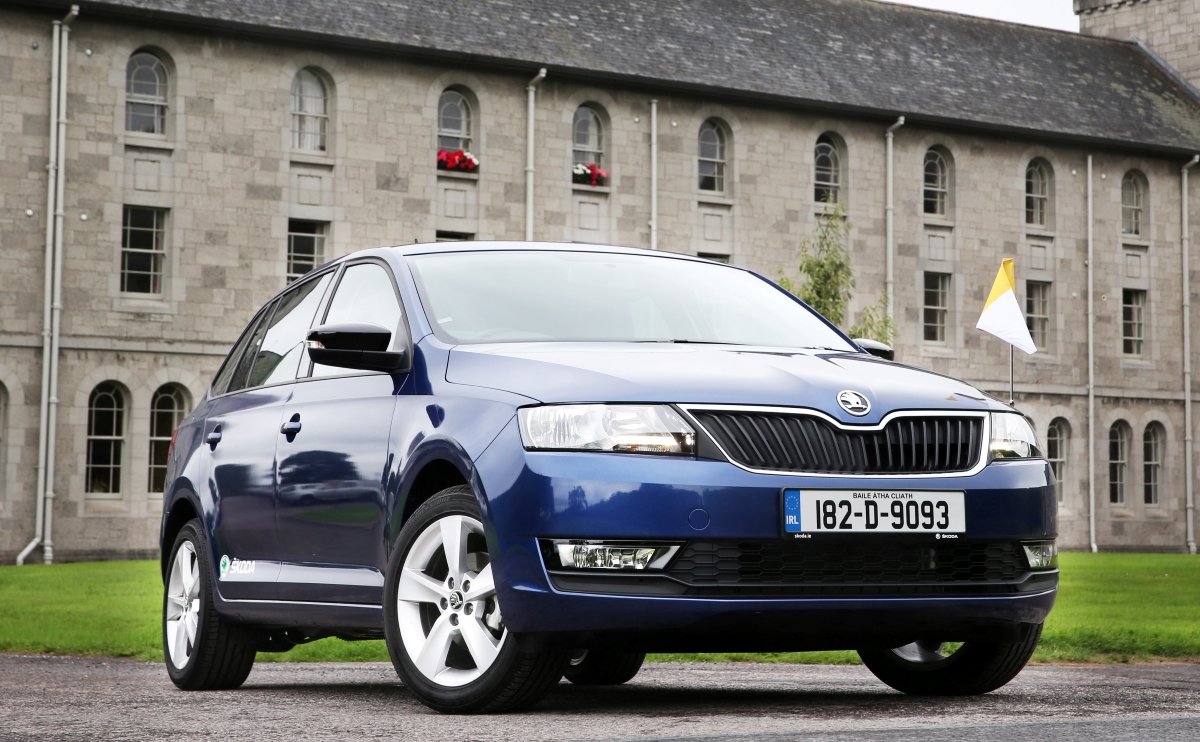
Bigger than a Fabia, but smaller than the Octavia, the Rapid plugged a gap in the Skoda line-up. It also marked a return to the days of selling cars for much less than the price of most of the opposition.
Under the skin, the Rapid shared parts with the Volkswagen Polo, and some of those components were starting to feel their age by the time they washed up in the Rapid. The Skoda was cheap, but not necessarily cheerful, and it ceased production in Europe in 2019 with no direct successor.
Practicality
How practical is it?
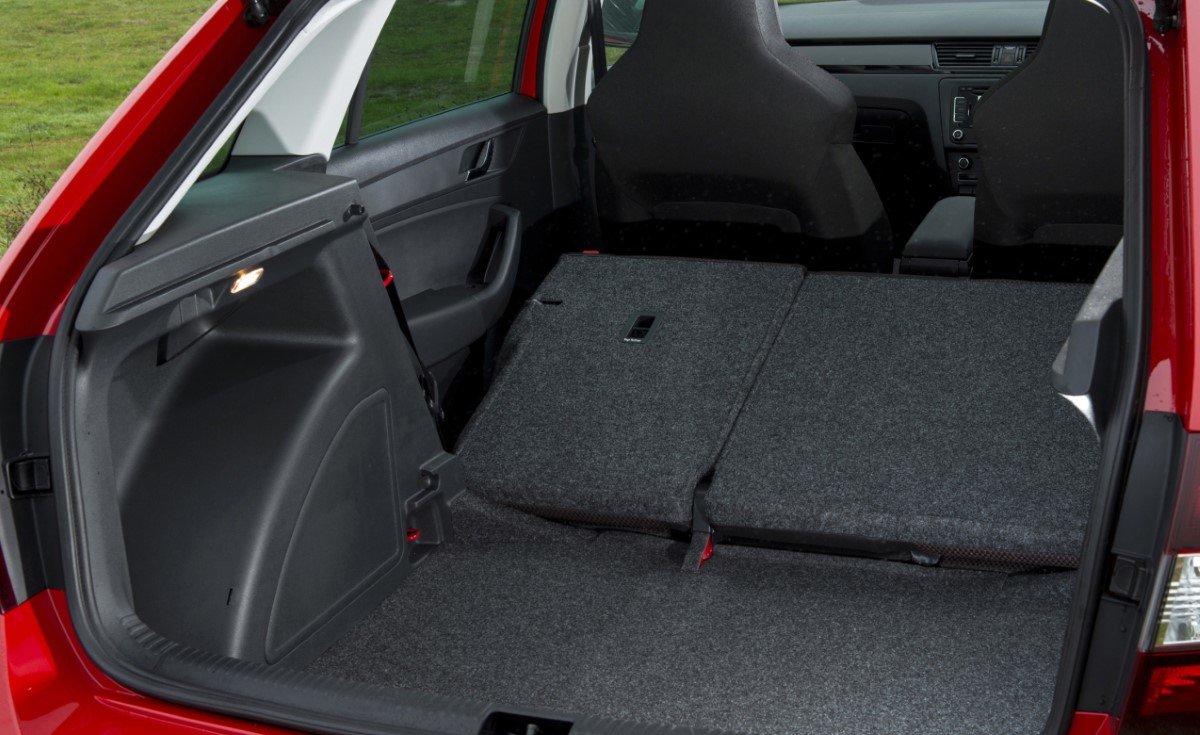
The sensible-but-dull engine line-up was matched to sensible-but-dull looks. The Rapid looks like a four-door saloon, but it's actually a hatchback; the boot isn't hinged at the base of the rear window, but at the top. It makes for a very roomy boot, if slightly ungainly three-box looks. This body style can also be known as a liftback, or a notchback.
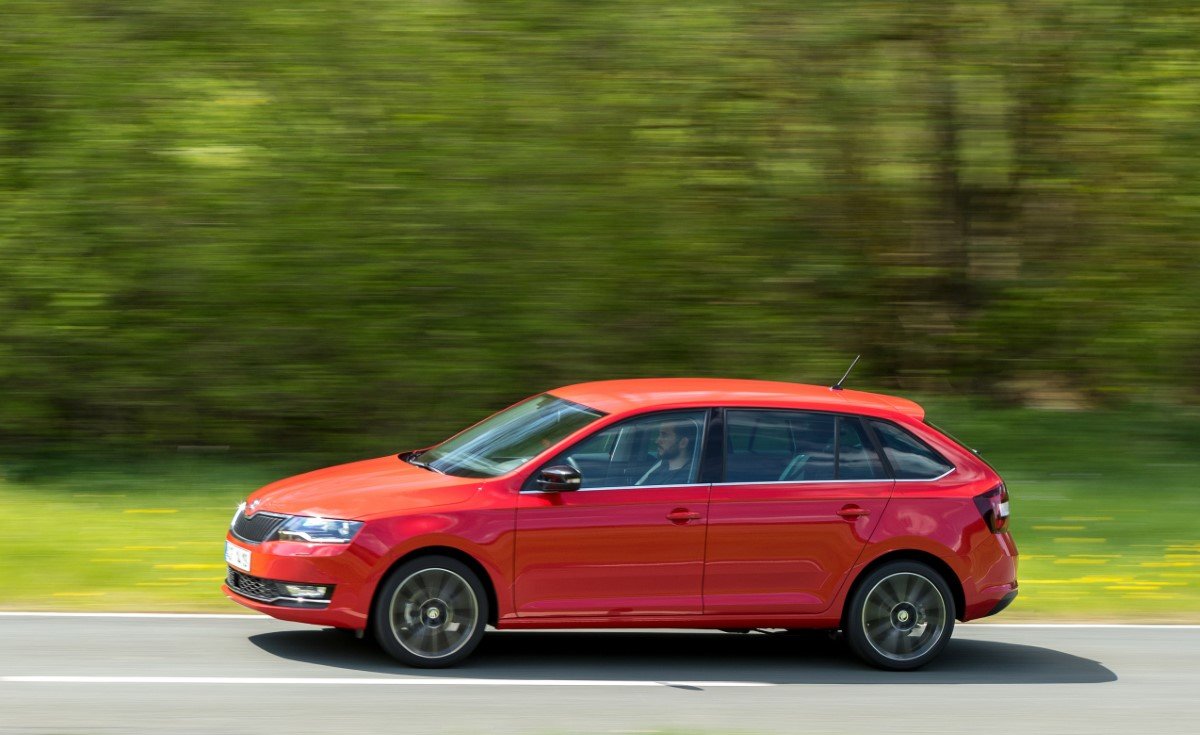
From a styling point of view, the Skoda Rapid Spaceback was a big improvement to most eyes. Arriving a year or so after the regular Rapid, the Spaceback lost the trunk-like rear-end for a more conventional hatchback profile. In fact, from side on the Spaceback almost looks like a small estate car.
While better proportioned than the liftback model, the Spaceback is actually less practical, with boot space shrinking from 550 litres to a still-handy 415 litres.
Either way, the Rapid has lots of room for passengers considering it's a fairly small family car. Those in the front have lots of space, and there's enough head- and legroom for adults in the back. The Rapid is quite a narrow car, though, so it's more comfortable for two rather than three in the rear seats.
Driving
What's it like to drive?
As you can probably guess by looking at their power outputs, the emphasis with the Rapid's engine line up was firmly on low running costs rather than sparkling performance. Expect pretty steady acceleration from any of these engines, especially the least powerful petrol.
From the driver's seat, both the Rapid and Rapid Spaceback are quite forgettable. It's neither engaging to drive nor especially comfortable.
The suspension can feel floaty and short of control at speed, but it thuds and fidgets over poor surfaces. On the other hand, it is a very easy car to drive, with smooth controls and light steering for strain-free parking.
Tech and equipment
Technology, equipment & infotainment
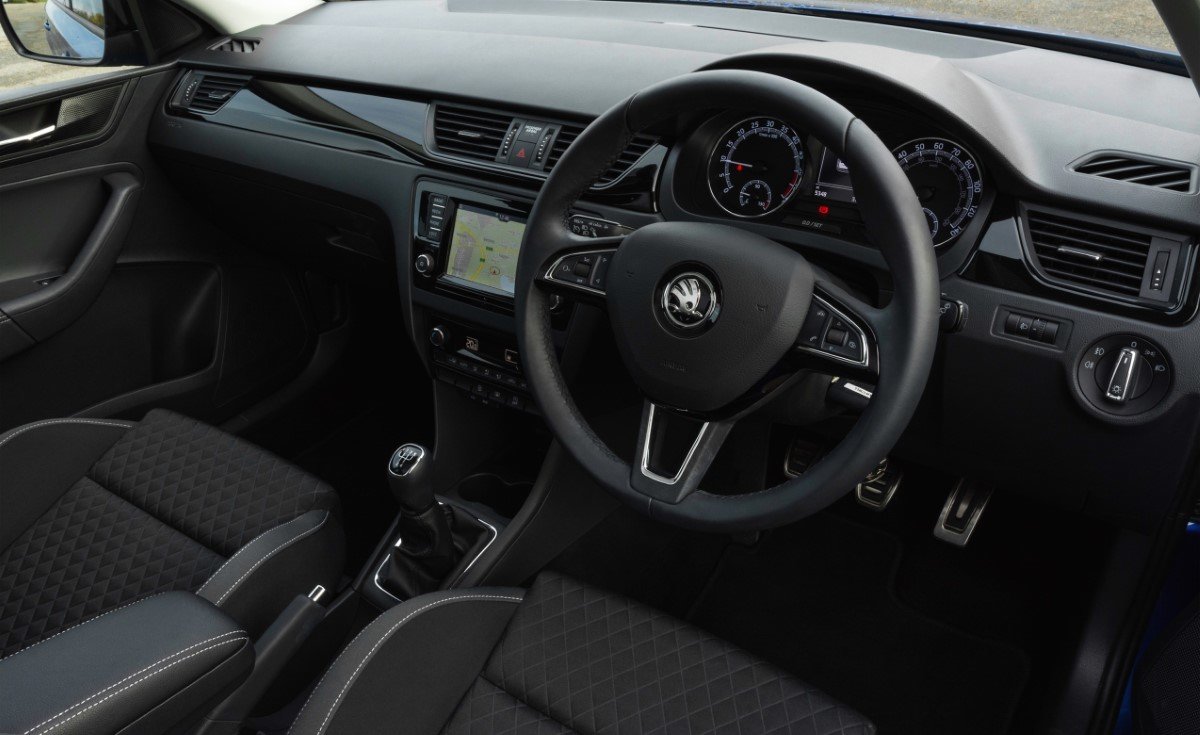
Skoda facelifted the Rapid and Rapid Spaceback in 2017. Bi-xenon headlights and LED rear lights became available, along with LED front running lights. The interior was also given a makeover, although nothing too drastic: think new air vents and door inlays rather than a complete overhaul.
New 1.0-litre petrol engines were introduced with 94bhp or 108bhp to replace earlier 1.2-litre engines. The new three-cylinder TSI engines are livelier than their modest power suggests, with the advantage of using less fuel and emitting less carbon dioxide than the older 1.2-litre engines.
Running costs
Skoda Rapid running costs
No version of the Skoda Rapid is going to cost a lot to run. There are no feisty petrols or big and powerful turbodiesels, so every engine in the range should be reasonably affordable to fuel.
If you cover lots of miles and want low fuel bills, a diesel should be top of the list. The 1.6 TDI Greenline promises over 70mpg according to the official figures, but its economy was tested to the old NEDC standard, which tended to give cars an easy time. Even so, MPG in the 60s isn't out of the question.
You don't need a Greenline for good fuel economy. The regular diesels should be good for better than 50mpg, and close to 60mpg if you drive with a light right foot.
The petrol models will be a little more expensive on fuel, but they're certainly not thirsty. Early cars with one of the early 1.2 TSI engines should return 45-50mpg.
If you want a petrol with really impressive fuel economy, though, it's worth stretching the budget to buy one of the post-facelift cars with the 1.0 TSI engines. These three-cylinder units have a pleasing, thrummy engine note and surprising economy.
The lower-powered version returns 64.2mpg, while the punchier engine achieves 62.8mpg in official tests. The figures are the same for the Rapid and the Rapid Spaceback. Reckon on 50-55mpg in everyday driving.
Insurance should be pretty painless. The early entry-level petrol in basic S specification sits in group 7 of 50, which means it should be cheaper to insure than some small cars. Even a 1.6 TDI Elegance is no higher than group 15.
Regular servicing and maintenance won't be expensive, either, and there are lots of independent VW Group specialists around if you want to keep costs down but expertise high.
Vehicle Excise Duty isn't expensive. If you go for an early Greenline there's nothing to pay at all, as it emits less than 100g/km of carbon dioxide.
Skoda Rapid reliability
There should be no worries on the reliability front. Along with the likes of Toyota, Skoda is one of the most reliable car brands around, and the Rapid and Rapid Spaceback use mechanical components that are well proven in other models. Strong scores for the Rapid in several reliability and owner satisfaction studies underline that the Skoda should deliver years of trouble-free motoring.
Over its time on the road, there have been a handful of recalls to be aware of. For example, cars made between 8 January 2014 and 29 January 2015 with the 1.2 TSI engine can leak oil, due to the screws on the camshaft adjuster coming loose. Another possible issue is a defective towing eye, which can break during use. This applies to cars made between 29 March 2017 and 24 April 2017. The necessary work to fix these faults should have been carried out by now, but it never hurts to check with a Skoda dealer or to enter the car's reg number in Gov.uk's recall checker.
If you are buying from a Skoda franchised dealer, you can expect a workshop inspection with over 100 checks, a history and mileage check, and a minimum of 12 months warranty, and the next MOT will be free so long as it's carried out at the supplying dealer.


What owners say
I already own a skoda rapid, Im that pleased with the rapid or octavia models I wanted to buy a newer model. Nothing wrong with the one Ive got, just wanted to treat myself as a retirement present. Great value for money, and loads of models and spec to choose from.
25 October 2024Three things to know
- From launch, buyers had the choice of five engines, most of which were matched to a manual gearbox. The four petrols were a 74bhp 1.2-litre, an 85bhp 1.2 TSI turbo petrol, a 104bhp 1.2 TSI and a 120bhp 1.4 TSI with a DSG automatic gearbox. The only diesel was a 104bhp 1.6 TDI.
- It's surprising how different the Rapid and Rapid Spaceback look considering they are essentially the same car with a different back end. Although the rather staid looking Rapid had a year's head start over the Spaceback, it's the latter that sold in greater numbers. Neither is on sale as a new car anymore though, having been replaced with the Skoda Scala. This hatchback is a straight rival for the likes of the Ford Focus and Vauxhall Astra, so there's no liftback-style version to directly follow on from the Rapid.
- The Skoda Rapid scored the maximum five-star rating when tested by independent safety organisation Euro NCAP in 2012. That's impressive, although it's worth remembering that the tests have become tougher since so you shouldn't assume the Rapid is as safe as a car with a more recent five-star score. The car scored 94% for adult occupant protection, 80% for child occupant protection, and 69% for pedestrian detection. In the safety assist category, which ranks the car's driver assistance systems, the Rapid scored 71%.
Which one to buy
- If you want an all-rounder: Go for the 108bhp 1.0 TSI. The new petrol engines introduced as part of the 2017 facelift are a worthwhile improvement over what went before. The more powerful of the two strikes an excellent balance between performance and economy, and it's very good value on the used car market.
- If you want the best fuel economy: Look for a 1.6 TDI Greenline. This low-emissions model was offered in both bodystyles, and featured low-rolling resistance tyres and other fuel-saving measures. According to the official combined figures, these cars can achieve up to 74.3mpg and emit just 99g/km of carbon dioxide.
- If you want lots of equipment: Go for the Elegance model. This comes with 16-inch alloy wheels, cornering front fog lamps, cruise control, a height-adjustable passenger seat, rear electric windows, air-conditioning, and a multi-function trip computer. The least powerful engines weren't sold in this spec, but if you are looking at an early Elegance you'll have a choice of the 104bhp 1.2 TSI petrol and the 104bhp 1.6 TDI diesel engine.
- If you mostly drive around town: Choose the 94bhp 1.0-litre TSI. You won't get much benefit from one of the more powerful engines if most of your journeys are short and local. A Rapid or Rapid Spaceback with this engine will make a cheap used buy with affordable fuel bills.


