Suzuki S-Cross Review (2021-present)
Suzuki S-Cross cars for sale
4.0
Expert review
Pros
Very keenly priced
Loaded with luxury and safety kit
Excellent 1.4-litre petrol engine
Cons
Big jump in price between Motion and Ultra spec
Some rivals have longer warranties
Only adequate ride and handling
The CarGurus verdict
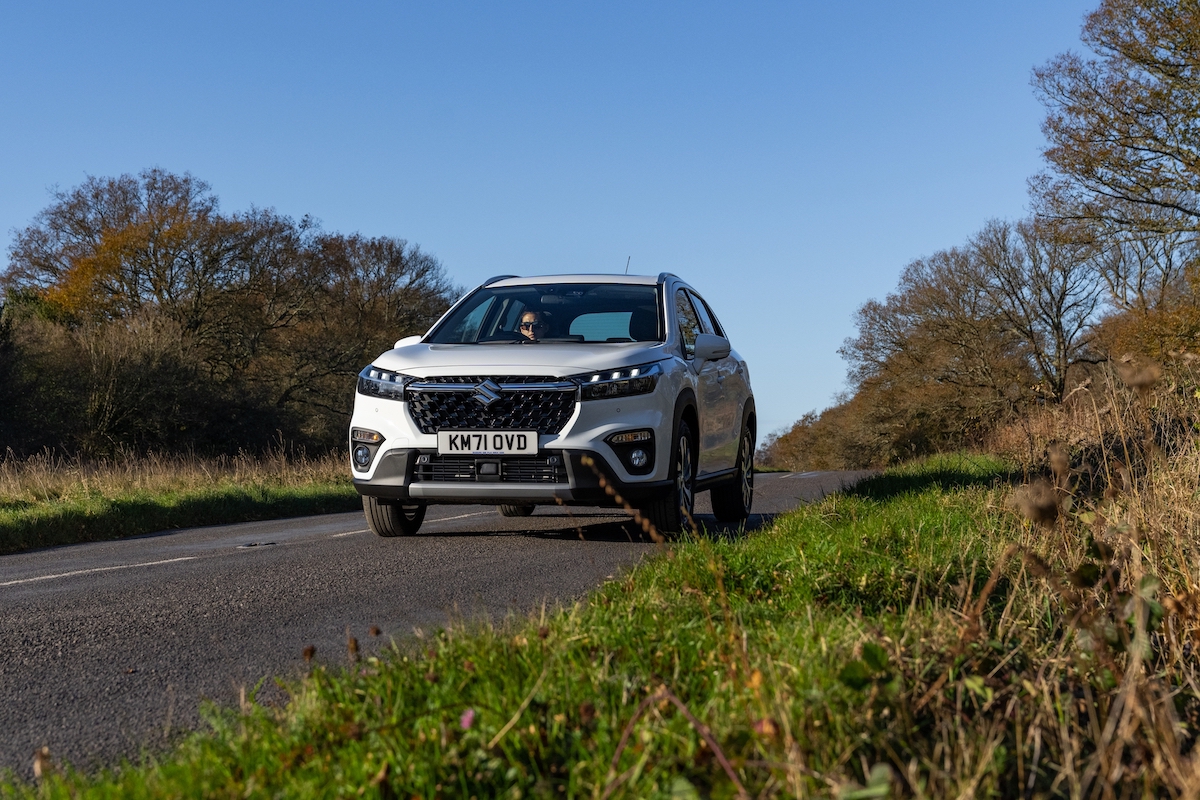
Traditionally, the Suzuki S-Cross has been a bit of an also-ran in the mid-size SUV class. So-so practicality, awkward looks and a cheap-feeling interior dented its appeal, as did a driving experience that was neither comfortable enough nor quiet enough for many family car buyers. The latest incarnation, new for 2022, address many of the last car’s shortcomings, with a smarter appearance, decent space, a posher cabin and more civilised road manners.
It also comes well and truly stuffed with luxury and safety kit, and – best of all – its aggressive pricing means it’s a good chunk more affordable to buy than many of its rivals, even though most of these have nowhere near as much standard equipment. Is it the best car in its class? No. There are far too many excellent offerings in the mid-size family SUV sector for that to be the case. However, the S-Cross is now a far more compelling alternative than it was before, and we reckon its appealing blend of abilities – not to mention the cracking value for money it represents – will find favour with enough buyers to make the car a success.
What is the Suzuki S-Cross?
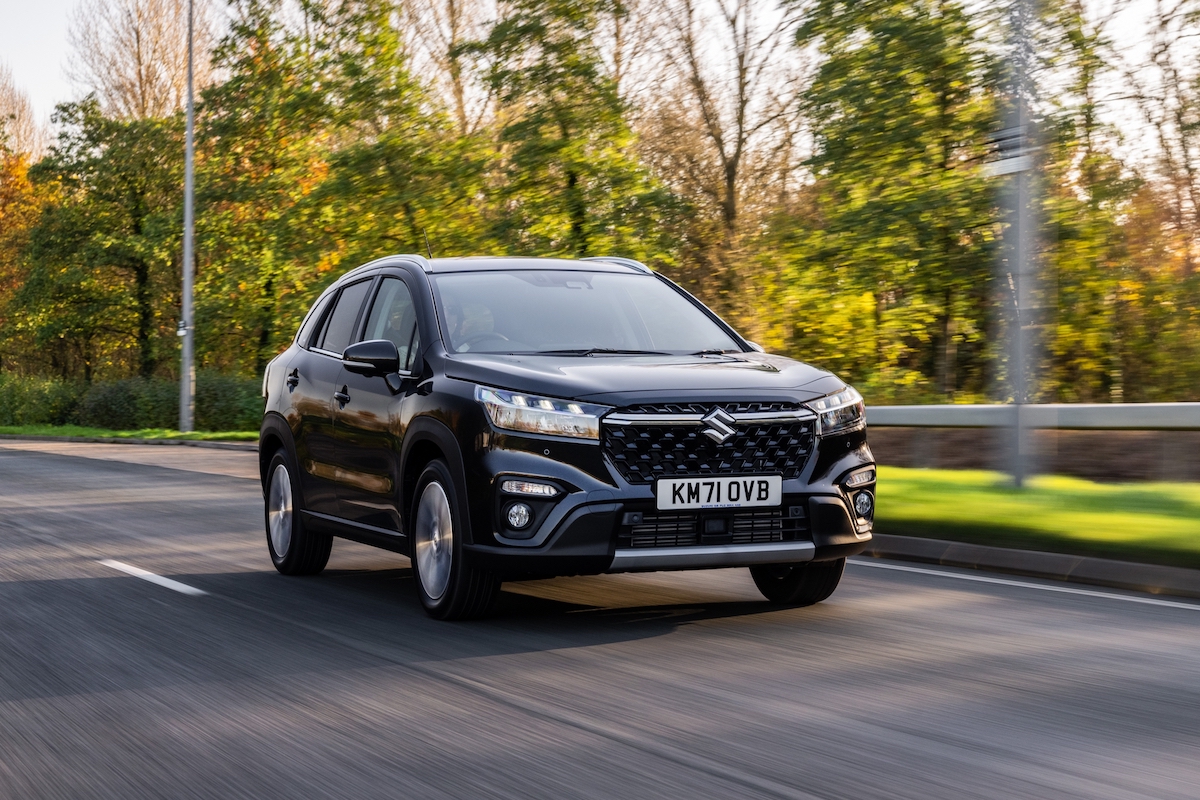
This version of the S-Cross is a comprehensively reworked take on Suzuki’s midsize family SUV, and a car with just about the most difficult task anywhere in motoring. You see, the midsize SUV class is packed with cars that are not only hugely popular, but also very, very talented. Think Hyundai Tucson, Kia Sportage, Nissan Qashqai, Renault Kadjar, Seat Ateca, Skoda Karoq, Toyota Rav4, Peugeot 3008, Mazda CX-5, Volkswagen Tiguan... that’s some extremely tough crossover competition, and the S-Cross is tasked with trying to wrestle sales away from these family car favourites. Good luck with that.
In order to give it a fighting chance, Suzuki has thoroughly reworked the S-Cross for 2022 to boost its appeal. It has a completely new look, enhanced interior quality, lots of kit and many of the latest safety features. It’s also priced pretty aggressively, providing useful savings compared with many of its rivals, and thus, impressive value for money.
How practical is it?
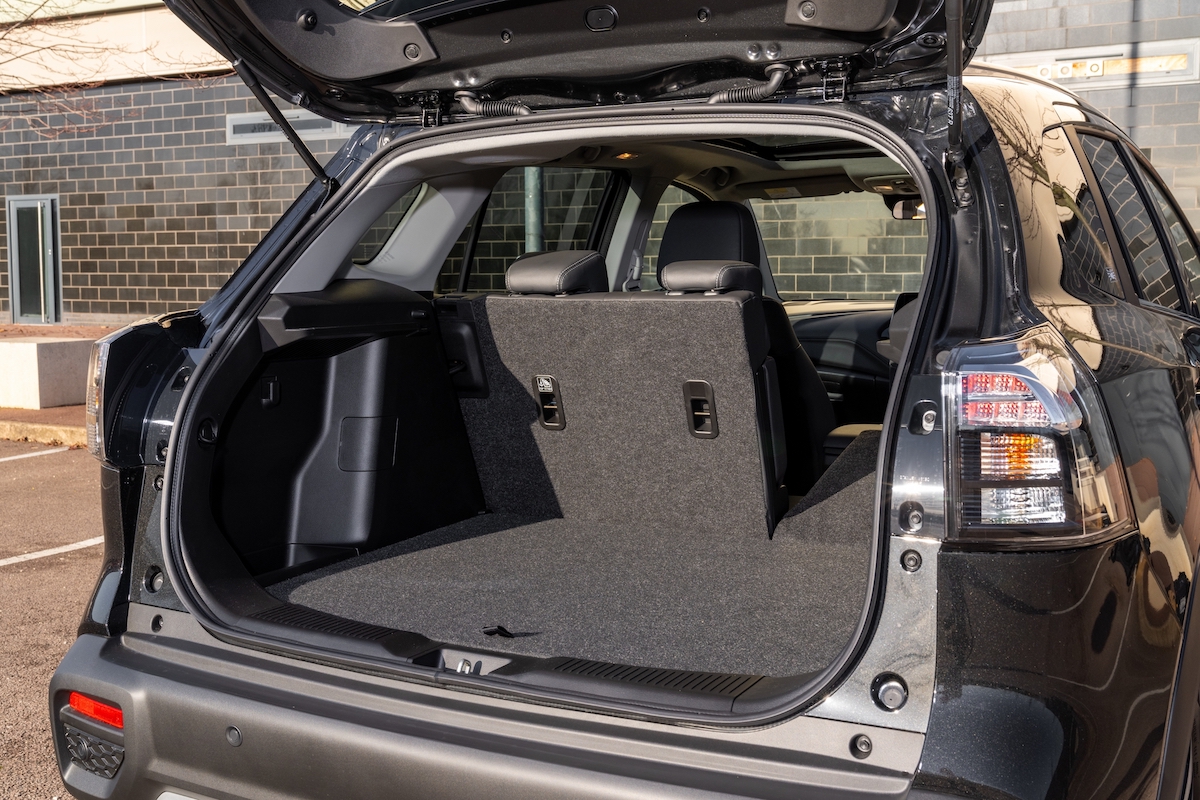
At 430 litres, the boot isn’t exactly huge by small SUV standards, but it looks and feels bigger than the number suggests, so it should be big enough for most families’ needs without you having to leave the pushchair at home. There’s also a false floor in the boot that you can use to either maximise space, or level off both the lip underneath the opening and the step in the boot floor when the rear seats are folded down, which they do in a conventional 60/40 split.
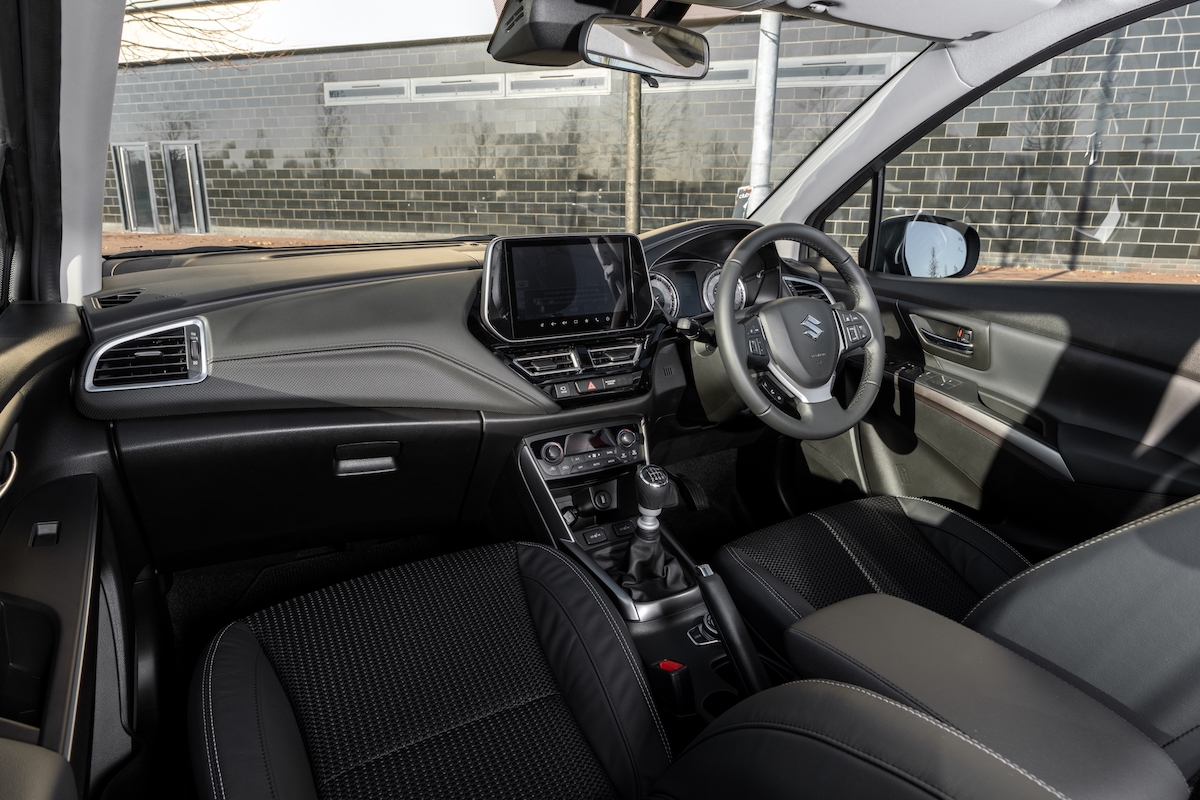
Those up front are treated to plenty of space, while the driving position has plenty of adjustment and you get a clear view out in all directions. This helps make parking easier, but front- and rear parking sensors, plus a reversing camera, are provided across the range if you need more help. The dashboard layout is conventional and logical with an infotainment touchscreen at the top of the dashboard, and physical buttons below to control the ventilation system. It’s all fairly intuitive to use, even if the touchscreen system isn’t the slickest-looking unit you’ll ever come across. Quality-wise, everything feels solid and substantial, if not as plush as the poshest cars in the class.
From what we’ve observed, things aren’t quite so roomy in the back seats. They’re set higher than those in the front, and the top-spec cars we tried come with a panoramic sunroof as standard, and the combination of these two factors means that headroom is quite limited. Most folk will feel quite hemmed in, while taller adults will find their scalp scraping the ceiling. Having not yet encountered an entry-level car, though, we can’t yet tell you if the issue is the same on cars without the sunroof.
Happily, legroom is far more generous than headroom, so provided you’re willing to scooch down in your seat, most people will still be able to travel in reasonable comfort.
What's it like to drive?
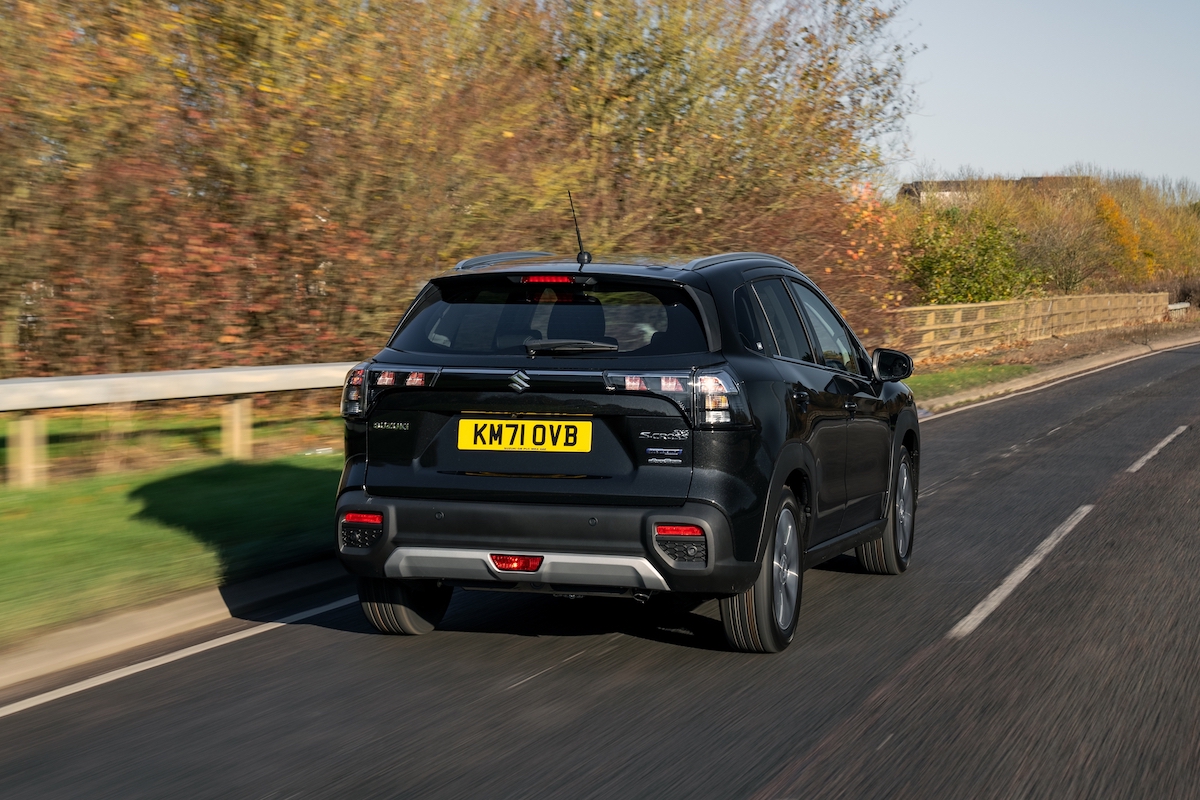
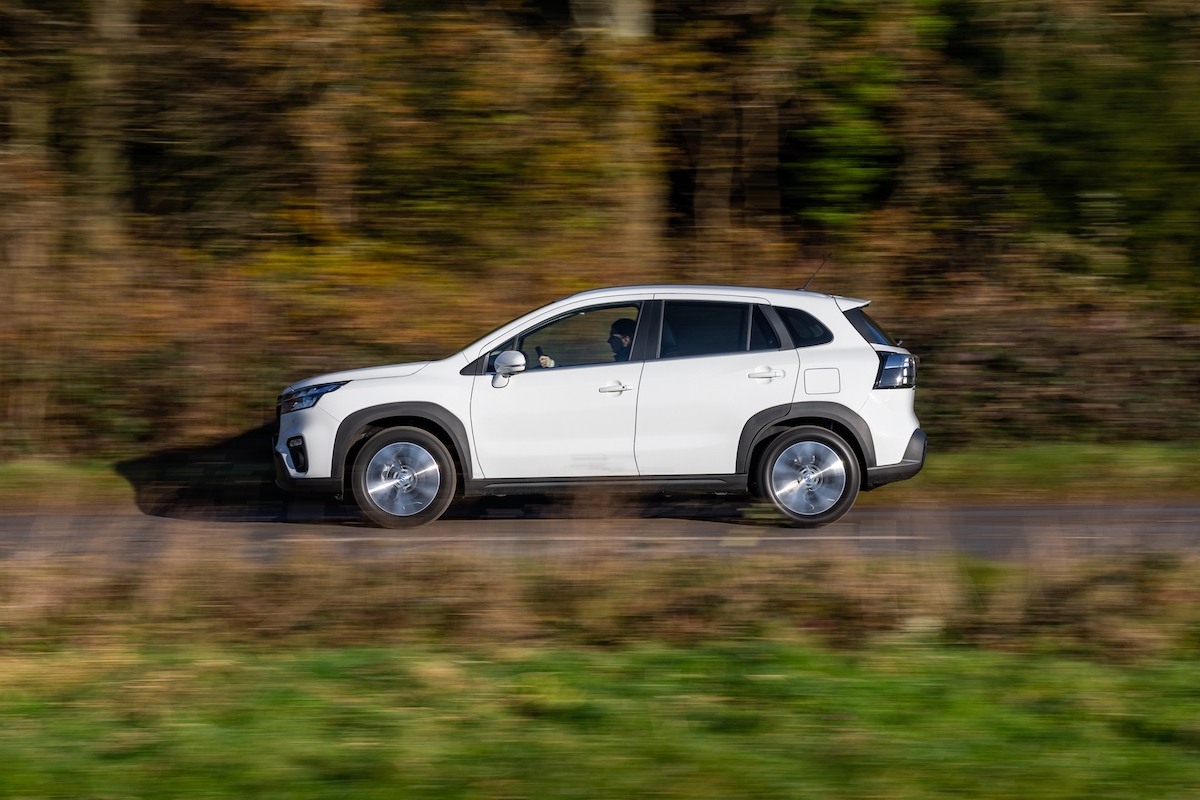
The S-Cross is one of those cars that doesn’t do anything particularly badly on the road, but it doesn’t do anything particularly well, either. The ride comfort – arguably the most important dynamic aspect in a family car – is adequate. There’s often a slightly firm edge to the suspension, so there’s some patter to be felt, especially at low speeds, but although it’s not as settled as some cars in the class, it’s not uncomfortable, either.
The handling is similarly adequate, with plenty of grip and traction, especially in the four-wheel-drive model we tested, and the body doesn’t lean over unduly in corners. However, the steering is overly light, rather slow to react and completely devoid of feel, so there still isn’t much fun to be had.
The four-wheel drive means the S-Cross also has some ability in the sticky stuff, too. Don’t expect to be scrabbling up the north face of the Eiger or anything, but it should be able to handle a muddy field okay.
The highlight of the piece is definitely the 1.4-litre Boosterjet turbo engine under the bonnet. It’s not overendowed with power at just 127bhp, but nevertheless it pulls bullishly from anywhere on the rev range, it doesn’t object to being worked hard and it stays smooth and quiet, even if you do. The six-speed manual gearbox is hampered by a slightly notchy shift action, while the optional six-speed automatic is a tiny bit slow in its responses, but swaps cogs smoothly enough.
Technology, equipment & infotainment
The S-Cross comes in two trim levels know as Motion and Ultra. Even the entry-level Motion is well stocked with standard equipment, getting 17-inch alloy wheels, automatic LED headlights, rain-sensing wipers, dual-zone climate control, adaptive cruise control, heated front seats, keyless entry and start, a reversing camera, parking sensors at both ends, and a seven-inch touchscreen with Apple Carplay and Android Auto.
The upgrade to Ultra trim costs a pretty hefty amount, but it earns you four-wheel drive, along with an enhanced specification that includes a bigger nine-inch touchscreen with navigation, leather upholstery, a 360-degree camera and the panoramic roof.
Suzuki S-Cross running costs
As we’ve already said, The S-Cross is priced pretty aggressively compared with most other cars of this type and size, especially when you factor in the vast amount of luxury and safety kit you’re getting for your money. Traditionally, the S-Cross hasn’t held onto its value as well as many of those rivals, so owners lose more cash to depreciation over the long-term, but Suzuki will be hoping that this new and improved S-Cross will perform better on residual values. Time will tell.
The mild hybrid powertrain won’t return the astronomical official mpg figures that a plug-in hybrid will (to be fair, neither will a plug-in hybrid in the real world!), but it has the edge over many of its conventionally powered rivals. The most frugal version, the entry-level car with the manual gearbox, has an official fuel economy figure of around 53mpg, while adding the automatic gearbox drops that to just below 50mpg. The Ultra car’s four-wheel-drive system reduces your return to around 48mpg for the manual and 46mpg for the automatic.
Suzuki S-Cross reliability
Being so new, there’s very little data to work with when trying to assess the reliability of the latest S-Cross. However, as brand, Suzuki has a very solid reputation indeed. The Japanese firm placed 5th out of 24 car manufacturers in the most recent JD Power UK Vehicle Dependability Study, and also placed joint third out of 30 carmakers in 2021 What Car? Reliability Survey. That said, the Suzuki SX4 S-Cross (what the S-Cross was called originally) built between 2013 and 2021 placed a relatively lowly 13th out of 20 cars in its class. The latest car is built on the same basic platform as that car, but many of the other mechanical bits – including the engine – are not carried over.
Suzuki provides a very run-of-the-mill warranty on all its new cars, that being a three-year/60,000-mile arrangement. You can’t really get more average than that.
- The safety specification of the S-Cross is just as impressive, and even better, both models come with the same generous amount of safety kit. This includes seven airbags, automatic emergency braking, blind spot monitoring, lane departure warning, traffic sign recognition and rear cross traffic alert. The car hasn’t yet been crash tested by Euro NCAP, but although no Suzuki model has scooped the full five-star rating since the Ignis in 2016, Suzuki will be hoping that changes with the S-Cross.
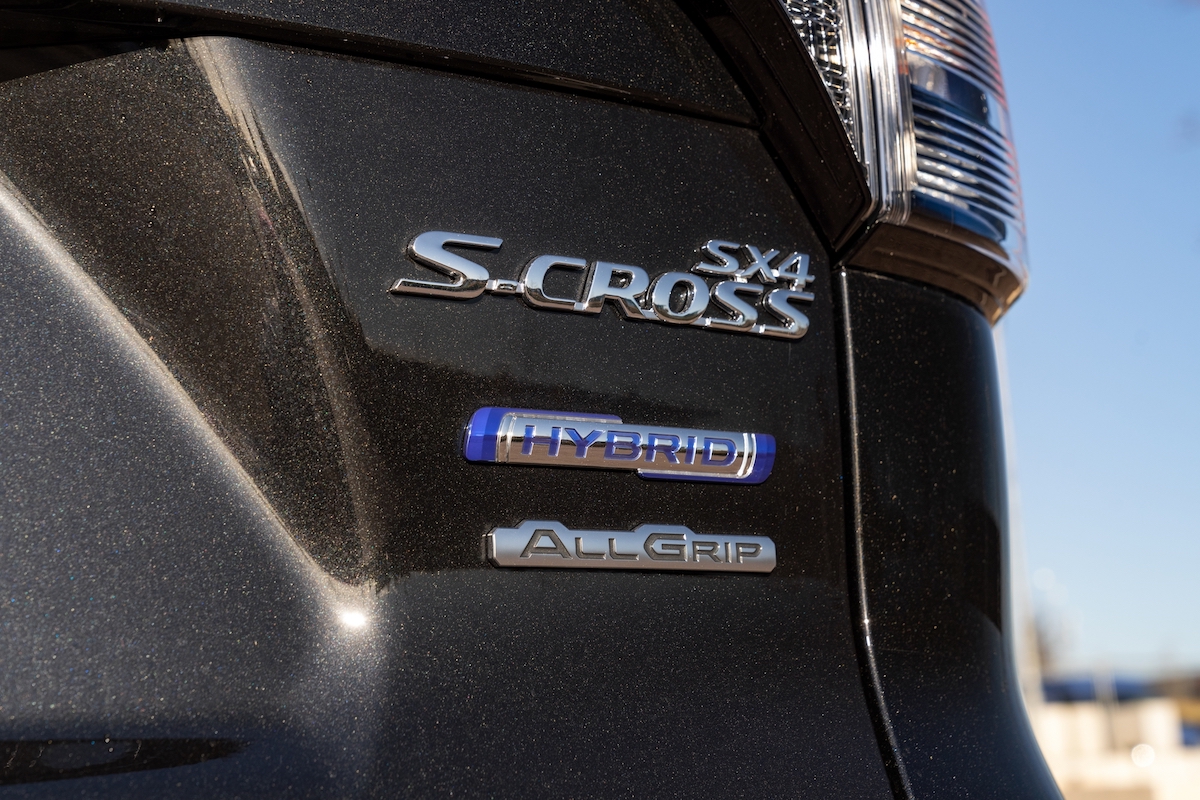
- Like all modern-day Suzuki passenger cars, the S-Cross is technically a hybrid, although you’ll do well to notice: You never have to plug it in and it can’t be propelled by electricity alone. Instead, it uses an integrated starter motor, hooked up to a lithium-ion battery, to provide a little extra shove when moving off, taking some of the strain off the petrol engine to improve efficiency. It also uses a 48v-12v converter to power some of the ancillary systems, such as the lights, air-conditioning and stereo. The battery is topped up automatically by recovering energy that would otherwise be lost through braking and deceleration.
- Ultra-trimmed cars come with AllGrip four-wheel drive as standard, and the system has four driver-selectable modes. Select Auto – the default setting – and the car runs in two-wheel drive format for most of the time to save fuel, and only starts powering the other two wheels when slippage is detected. Choose one of the other three modes – Sport, Snow and Lock – and four driven wheels become the norm, while amendments to things like the throttle response and power delivery help promote stronger traction on more demanding surfaces.
- If you’re after the best value: The cheapest version of the S-Cross, the Motion with the manual gearbox, looks like really good value for money. Not only is it considerably cheaper than its Ultra-trimmed stablemate, but it also undercuts many of its rivals from other manufacturers on price, most of which come with less standard equipment. It can also be had with an automatic gearbox if you so wish. The only real reason to look past it is if you need or want the reassurance of four-wheel drive.
- If you want all the toys: The Ultra does provide that all-wheel-drive assurance, along with other niceties including leather seats, 360-degree camera, panoramic roof and a bigger touchscreen with built-in satnav. It costs a fair wedge more than the entry-level car, mind.
- If you can’t be bothered to change gears for yourself: An automatic gearbox option can be added to both trim levels. It’ll cost buyers of a brand new S-Cross about £1,400, which is about par for the course. It works pretty smoothly despite some fairly lazy responses but, given the choice, we’d probably recommend sticking with the manual unless having an auto’ is absolutely necessary for you.

