Toyota RAV4 Review (2013-2019)
Toyota RAV4 cars for sale
4.0
Expert review
Pros
Very spacious cabin
Extremely reliable
Fuel-efficient 141bhp diesel
Cons
Tardy performance from 2.0-litre petrol
Not as capable off road as the Land Rover Freelander
Unexciting to drive
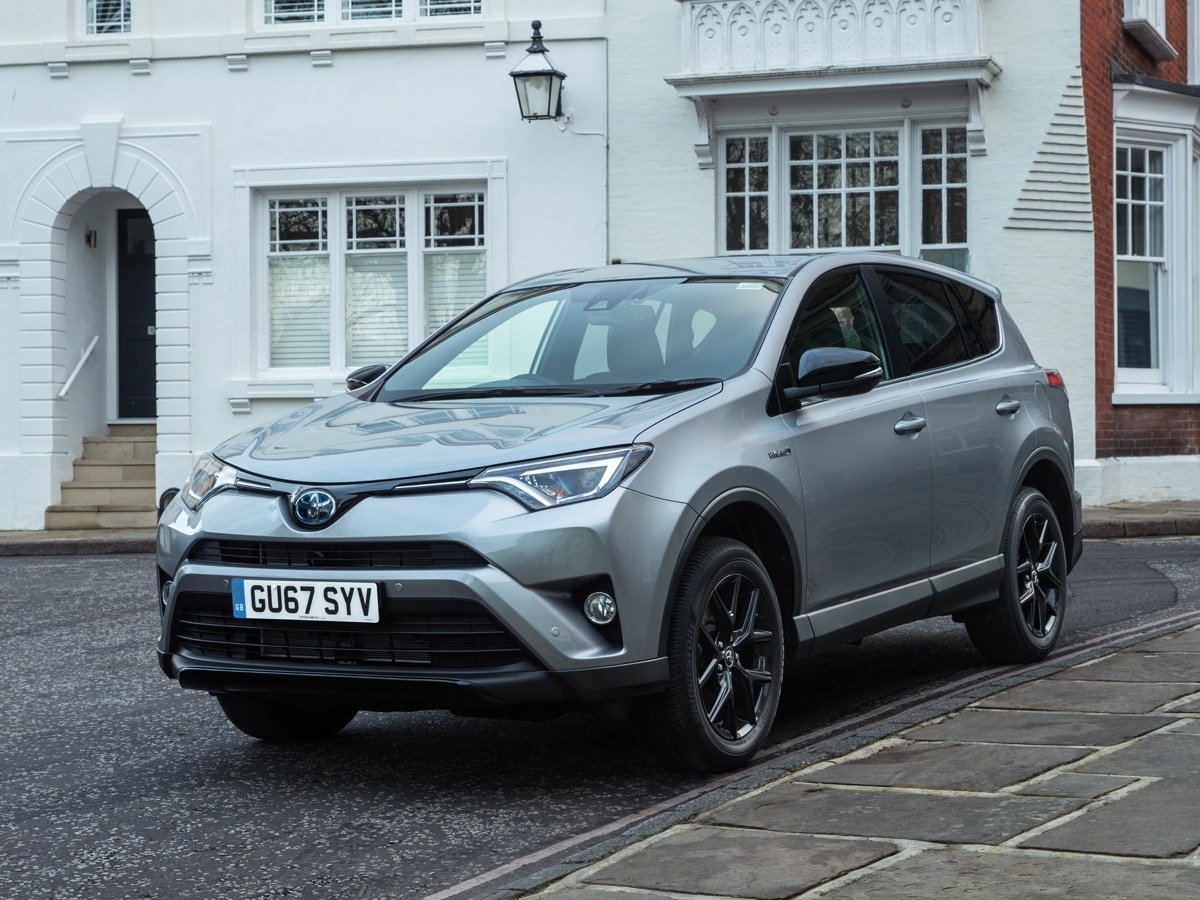
The CarGurus verdict
The RAV4 isn’t a used car that will spark many people’s imaginations, but it is a reliable, spacious and well put together machine, available in fairly large numbers and for a very reasonable price. For a lot of people, that’s more than enough. There are cars that are more fun to drive (Mazda CX-5, Seat Ateca), better looking (Range Rover Evoque, Peugeot 3008) or that have a nicer interior (Audi Q3, Volkswagen Tiguan). But if those aren’t priorities then the RAV4 is worth a look, especially in diesel form or, if you do mostly short around-town journeys, as a hybrid. Just make sure you consider some of those rivals as well.

What is the Toyota RAV4?
There’s a legitimate argument that Toyota’s RAV4 was the car that created the current trend for road-focused SUVs. The original RAV4, released back in 1994, made the utilitarian 4x4 suddenly appeal to the common people.
It was spacious, comfortable and at least gave the impression that you could leave the tarmac and head into the wilderness if you wanted to. Even if most people didn’t. Toyota sold millions of them, and continues to do with the fifth-generation model, introduced in 2019.
How practical is it?
Fast forward to 2012, and the fourth generation of the RAV4 was unveiled, going on sale in the UK early in 2013. The new RAV4 was longer and wider than the model it replaced, but lower to give more purposeful, sporty styling.
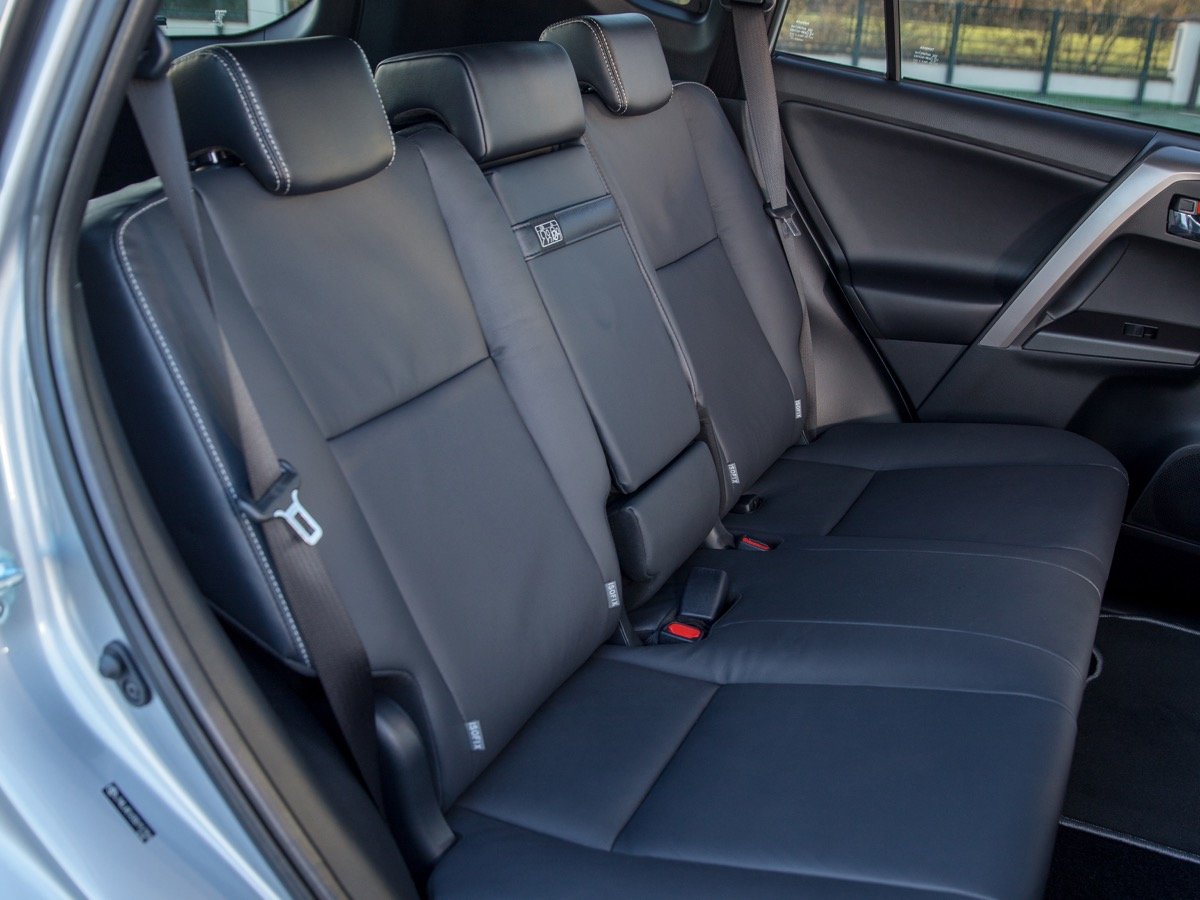
Nevertheless, it had more space and practicality, an upgraded quality of interior materials and more efficient petrol and diesel engine options. Some would suggest that the interior perhaps isn’t as plush as some of the rivals, but it’s still pretty decent.
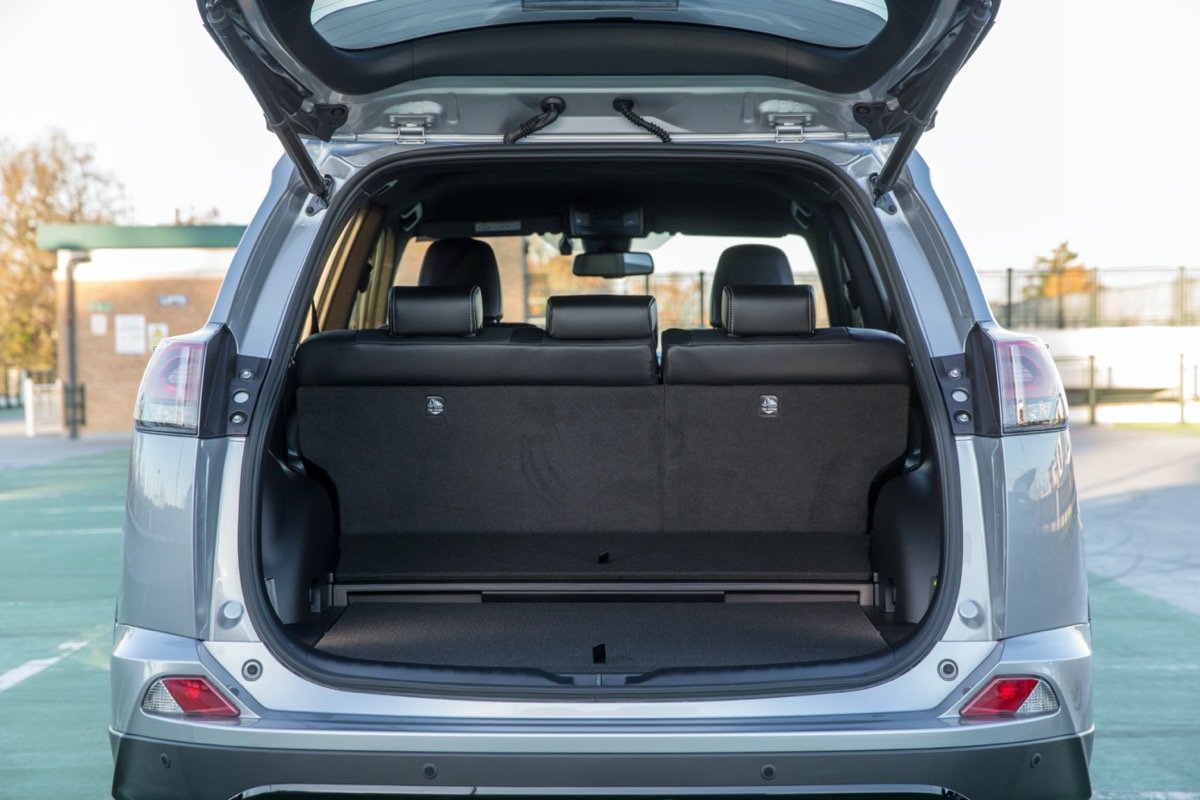
And you’ll get a lot of stuff inside, with plenty of head- and legroom for passengers both front and back, lots of boot space – 547 litres in conventional models and 501 litres in the hybrid – and even more cargo capacity if you fold the rear seats down (1,735 litres or 1,633 in the hybrid).
What's it like to drive?
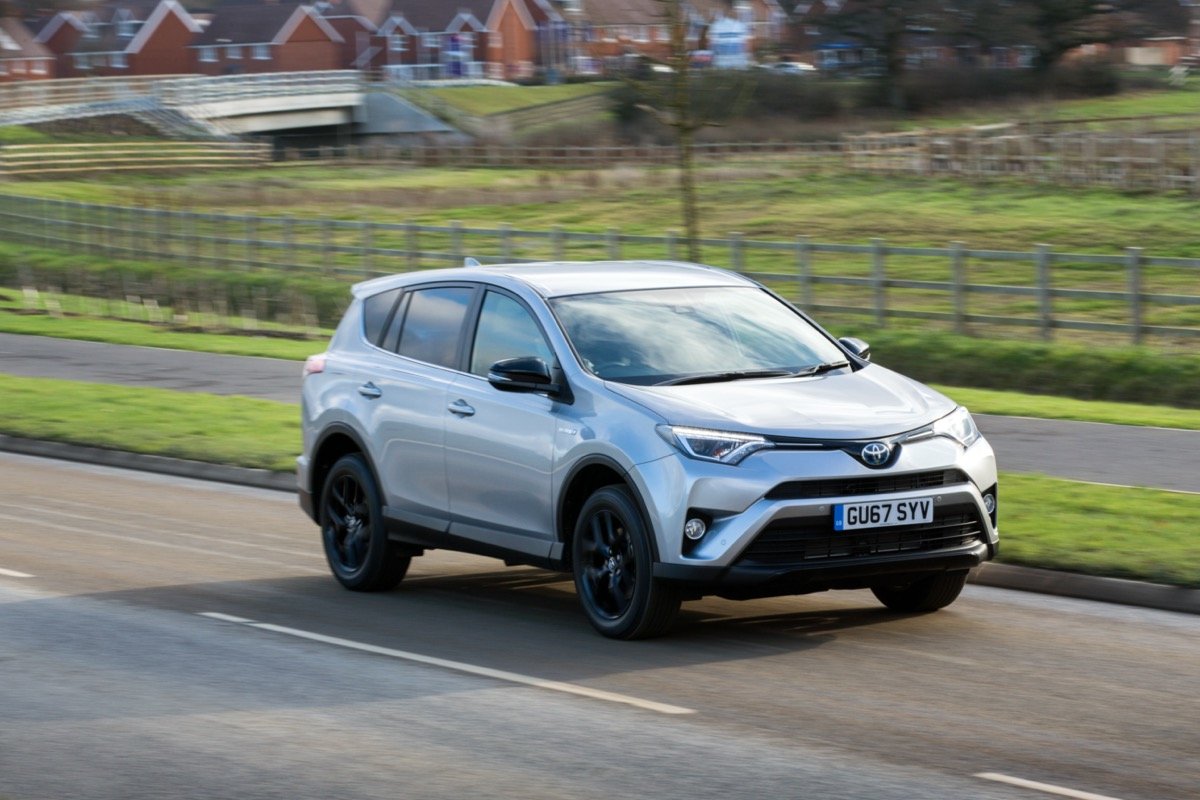
On the road, things are… fine. We’d be stretching the point if we said it was good to drive, because there are rivals that are both more comfortable and more engaging behind the wheel, but if such things don’t particularly bother you then you shouldn’t be offended by what the RAV4 has to offer.
The ride is on the firm side, the steering’s a bit vague and, if you have one of the CVT automatic transmissions, it’s quite noisy under acceleration. But when you’re cruising on an A-road or motorway, it’s much more refined and well-behaved. It’s a good long-distance car.
The choice of RAV4 on the used market is rather varied, not least because the trim levels kept changing. Early cars in 2013 were available in three trims, with a choice of two diesel engines and a petrol model, all with front-wheel drive only.
Technology, equipment & infotainment
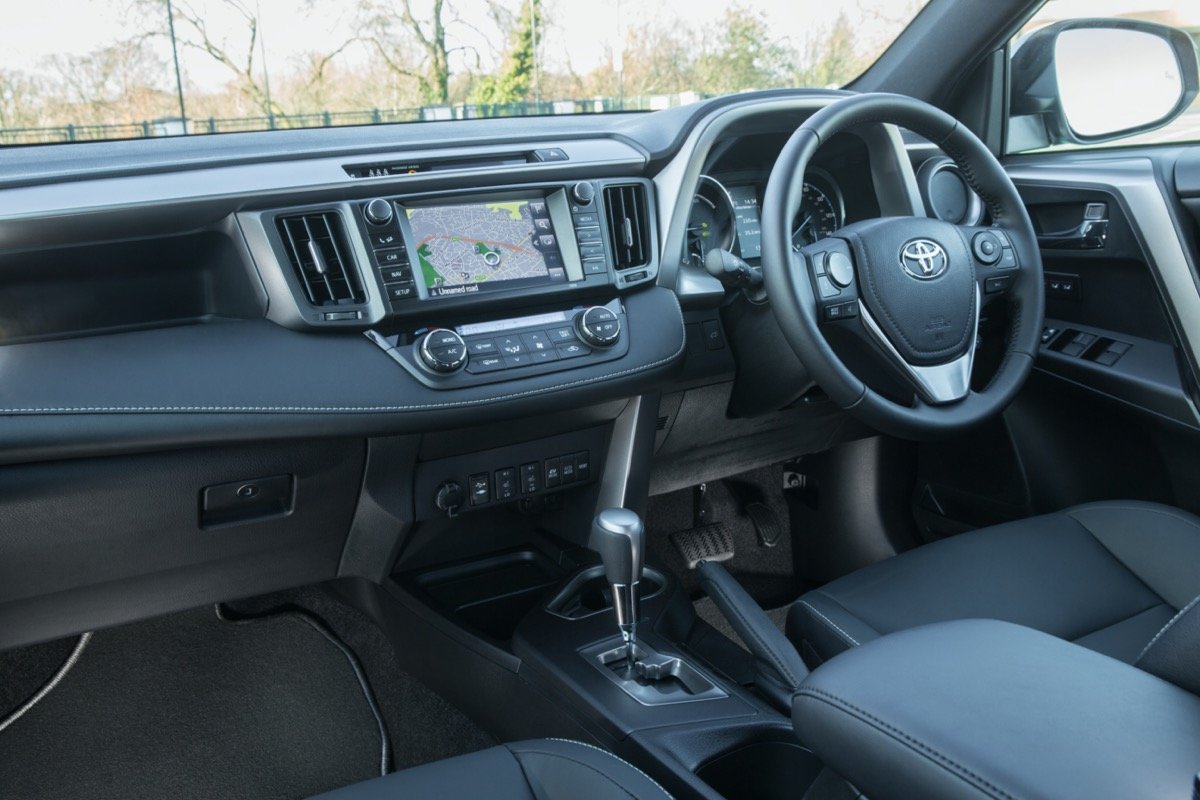
The Icon trim features standard equipment that included 18-inch wheels and a touchscreen infotainment system with Bluetooth, rear-view camera and DAB radio (in the Active, you had to make do with just Bluetooth or a USB slot if you wanted your own music). The Icon also got upgraded aircon, cruise control and an electric boot lid. The top-spec model was the Invincible, which had heated, leather-covered front seats, keyless entry and start and rear parking sensors.
A new Design trim was introduced. It featured 18-inch black alloys, LED headlights, leather and Alcantara upholstery and heated front seats with electric adjustment. Now the structure went Icon, Icon Tech (you guessed it, an Icon with satnav), Design and Excel. The first two were front-wheel drive only, while the Design and Excel were both available with all-wheel drive.
Available engines include a 2.0-litre VVT-i petrol with 149bhp that, unless you’re set on petrol power, we’d avoid as it’s got less grunt than the hybrid or diesel models, and worse fuel economy. The 2.0-litre diesel engine on early cars has 122bhp, while a new version was introduced in 2015 with 141bhp. The Rav4 hybrid was introduced at the same time, mixing a 2.5-litre petrol engine with an electric motor, producing a combined 195bhp, initially just with four-wheel drive, but later with front-wheel drive, too. Popular as it is, it’s actually the worst to drive because it’s considerably heavier than the other versions, thanks to all that electric gubbins inside.
Toyota RAV4 running costs
If you want the best fuel economy, go for the newer diesel engine, which has an official fuel economy of 60.1mpg, compared to the earlier, less powerful diesel with only 53.5mpg. The hybrid model will return 57.6mpg in front-wheel drive form, 55.4mpg with all-wheel drive, while the petrol model manages 42.5mpg.
When it comes to vehicle excise duty (VED), your annual costs will depend on when your car was registered. If it was after 1 April 2017, you’ll pay a flat rate of £150 or £140 for the hybrid. Earlier models, though, are taxed based on CO2 emissions, and will cost £125 or £150 a year for the diesel models, £205 a year for the petrol or just £20 a year for the hybrids.
Parts and servicing costs are very reasonable, even at main dealers. Toyota offers fixed-price servicing deals for its models, which means you could get it looked after by a dealer for £190 for an intermediate service or £340 for a full service. If the car you buy is older than five years, you can join the Toyota 5- Club, which gives you 20% off servicing and MOTs. However, it may be worth looking at independent or specialist mechanics that will likely be considerably cheaper. Services are due every year or 10,000 miles.
Toyota RAV4 reliability
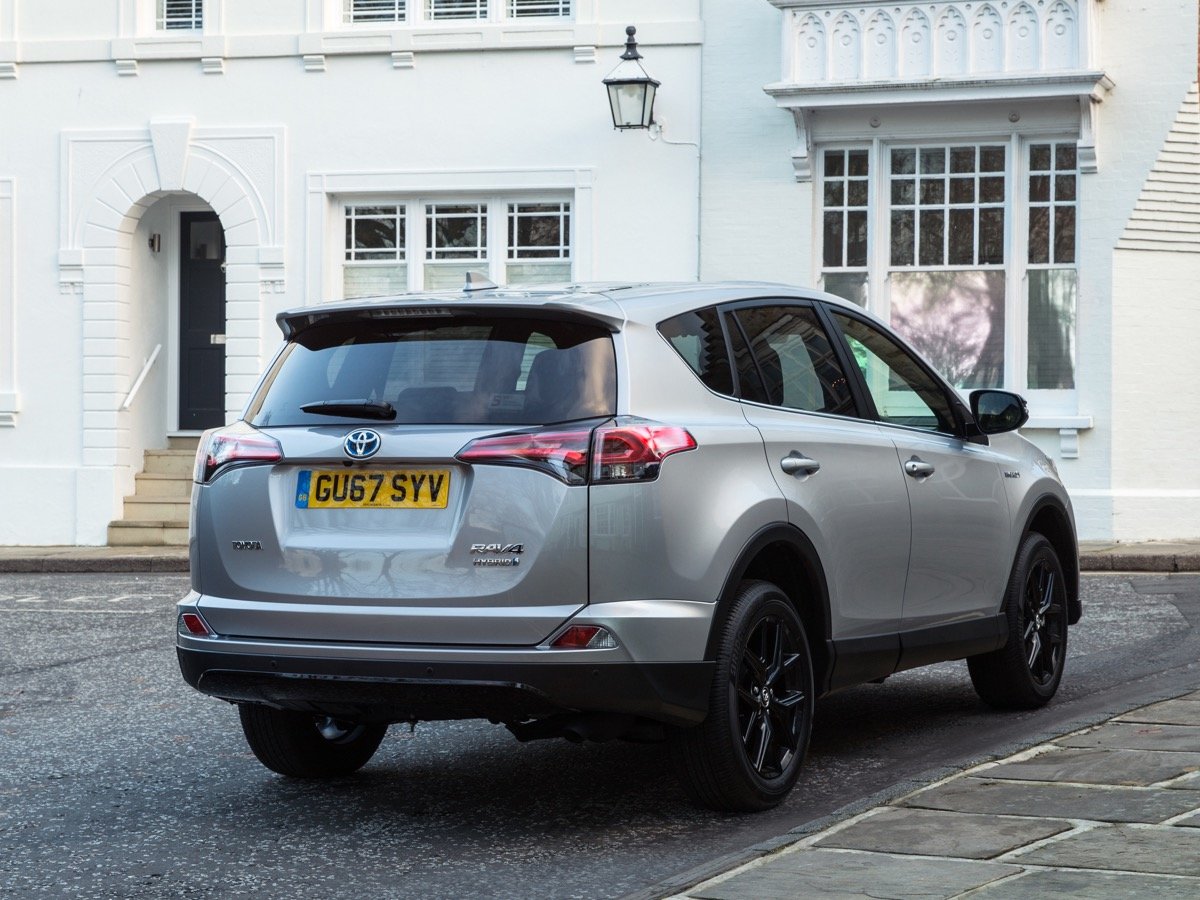
Toyota has an excellent reputation for reliability, scoring very well in most independent reliability and ownership surveys. Most used Toyota RAV4s should give you very few problems; we’ve struggled to find many reports of serious issues.
It’s worth keeping an eye out for bodywork damage on all-wheel drive models in case they’ve been driven off-road, so make sure you have a look underneath as well as the bodywork.
There have been a few recalls on the RAV4, and you’ll need to check with a Toyota dealer that remedial work has been carried out if the car you’re looking at was affected. Issues that needed addressing included incorrectly tightened injectors in the engine and the same issue on turbocharger bolts, as well as a risk of fuel leaks.
- If you want a later model of RAV4, you’re most likely to find hybrid versions on the used market. Although it wasn’t introduced until midway through the RAV4’s life, it almost instantly became the most popular version, and two thirds of all of the cars sold by 2018 were hybrids. That should mean plenty of choice, so hold out for a good one. Although the RAV4 has its roots in proper old-school off-roaders, it’s not really designed for tackling the rough stuff away from the Tarmac.
- If you need something that can do that kind of work, look towards something like a Land Rover Freelander. That said, all-wheel drive models proved popular among those that had to tackle muddy paths or farm tracks. Make sure you check under the car you’re looking at in case it’s been scraped on anything while venturing off-road.
- If you’re after a 2.0-litre diesel model, make sure you know which one you want, as there are two different engines of the same size. Earlier models had less power, and we’d suggest you avoid those in favour of the later 141bhp versions, which were introduced in 2015. Not only do they have more power, they’ll give you better fuel economy, too.
- If you want the best fuel economy: It may surprise you to know that the hybrid version isn’t actually the most efficient; it’s what Toyota calls a ‘self charging’ hybrid, which means most of the power still comes from the petrol engine, albeit you can redistribute it to run on electric-only mode for a few miles. A plug-in hybrid version would perform far better but such as system was never made available on this version of the RAV4. All of which means your best bet is the more recent diesel engine, which has an official MPG figure of 60.1.
- If you need to tow something: The hybrid all-wheel drive model has the best towing capacity thanks to the extra grunt provided by the electric motor. It’ll haul up to 1,650kg, but make sure it’s got AWD, as the front-wheel drive hybrid can only pull 800kg. The next best performer is the petrol model, which will tow 1,500kg.
- If you want all the toys: The most recent top-spec model was the Excel, and if you’re after as much tech and as many features as possible, that’s the one to go for. Highlights include 18-inch wheels, (black, beige or grey) leather upholstery and extra features on the infotainment system, including voice recognition and 3D maps. You’ll get a couple of extra safety features, too.
- If you want the best all-rounder: If you’re only really driving around town then the hybrid is worth a look, but for most people the newer diesel engine will be the best performer and keep fuel costs down. Avoid the Active trim as it was relatively sparsely equipped, but the Icon model has most of the toys you need without driving costs up too far. Icon Tech isn’t really worth the extra money; just use a satnav app on your smartphone.

