Toyota RAV4 Review (2019-present)
Toyota RAV4 cars for sale
4.0
Expert review
Pros
Comfortable and easy to drive
Hybrid power makes the RAV4 efficient and economical
Reliable, and comes with a long warranty
Cons
Pricier than many petrol and diesel alternatives
Only available with five seats when some rivals have seven
Wind and road noise at speed
The CarGurus verdict
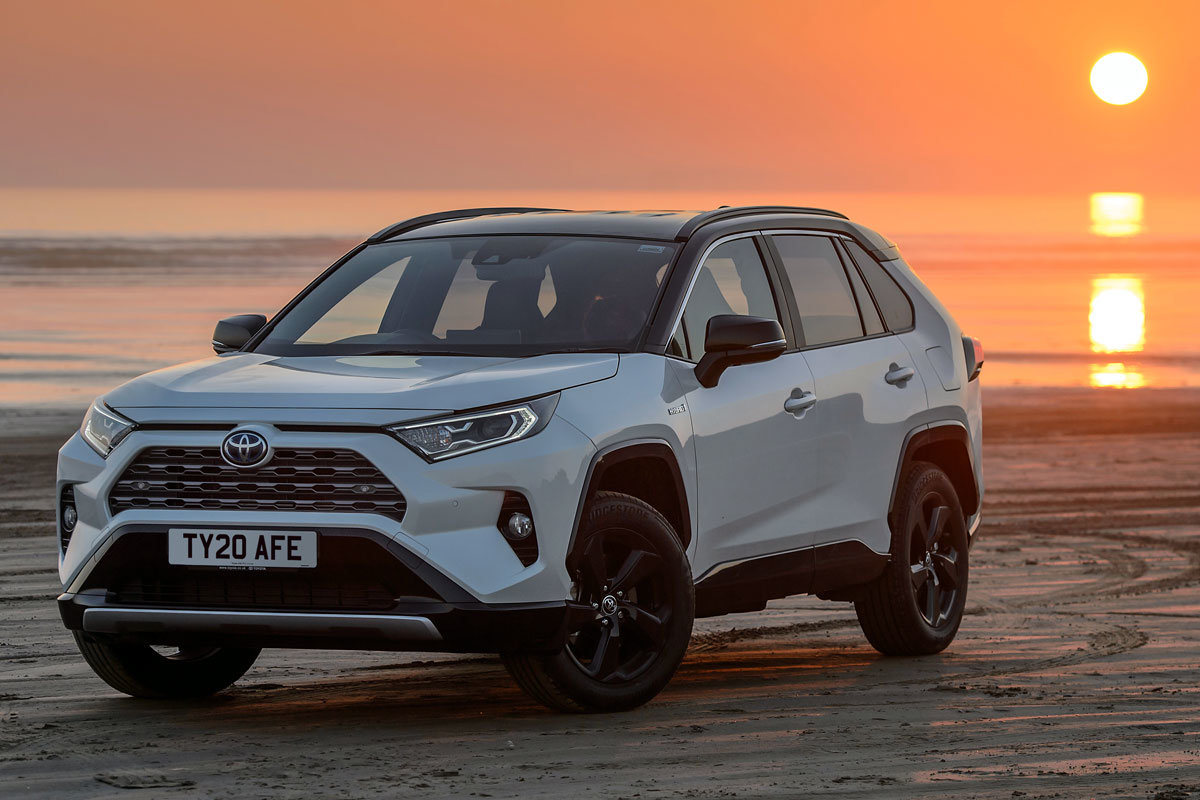
The Toyota RAV4 is an ideal choice if you’re looking for a hybrid SUV with low running costs, excellent equipment levels and a comfortable cabin. Its space and practicality make it a good option for those in the market for a family SUV, too, while its long warranty and Toyota’s reputation for reliability should keep issues to a minimum.
There are some alternatives worth considering, however. If having a hybrid isn’t essential, you could save some money by going for a conventional petrol or diesel alternative such as the Skoda Karoq or Kia Sportage. The Kia also comes with a seven-year warranty, bettering the Toyota’s impressive standard offering.
Larger families may also want to consider options such as the seven-seat versions of the Honda CR-V and Skoda Kodiaq, which could prove more practical. Otherwise, if five seats are enough and a hybrid powertrain is essential, the Toyota RAV4 is a commendable and dependable option.
What is the Toyota RAV4?
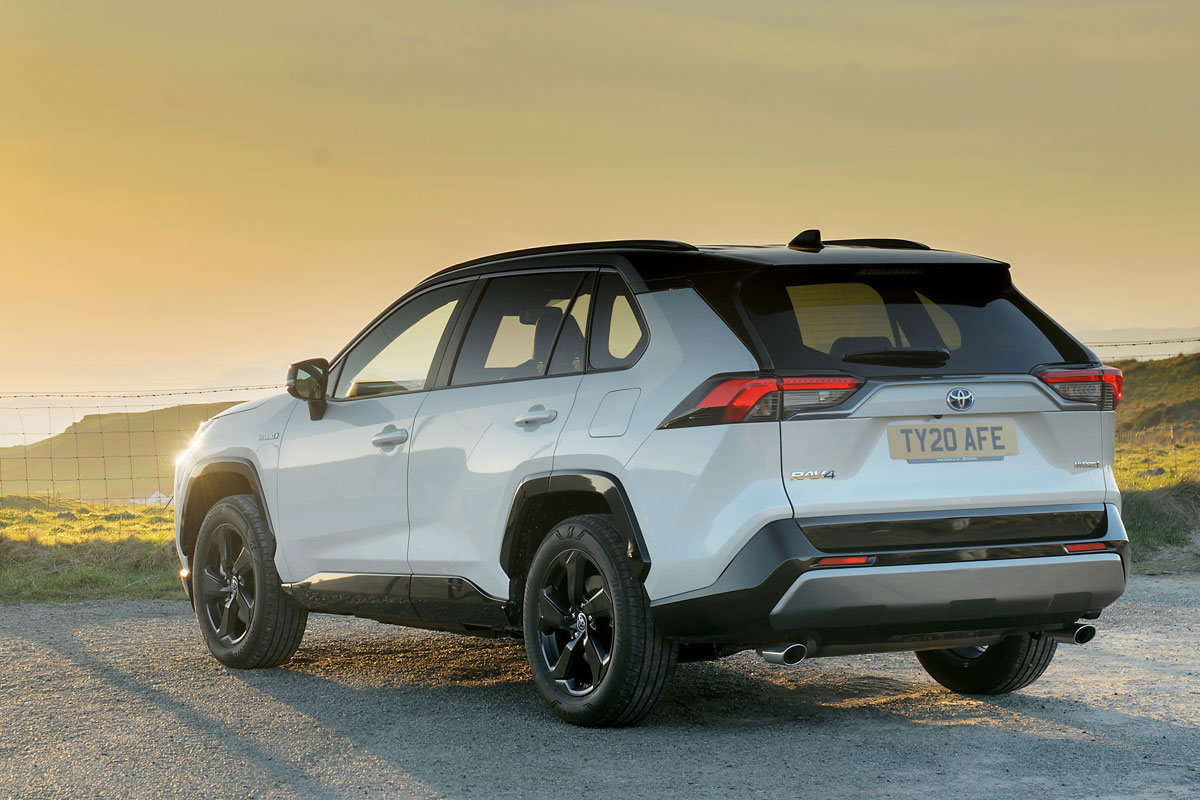
The Toyota RAV4 hybrid is a practical and efficient SUV, highly regarded for its reliability and low running costs, and it competes with a long list of cars including the Nissan Qashqai, Honda CR-V and Volkswagen Tiguan.
This fifth-generation RAV4, which is internally referred to as the XA50, wasn’t just a mild update of the previous model, it's based on a whole new engineering platform and is only available as a petrol-electric hybrid, whereas the fourth-generation model was offered with diesel, petrol and hybrid powertrain options.
An extensive array of other benefits are offered by the new Toyota RAV4, including better handling, an improved interior, more space and a wide range of modern safety and convenience features.
How practical is it?
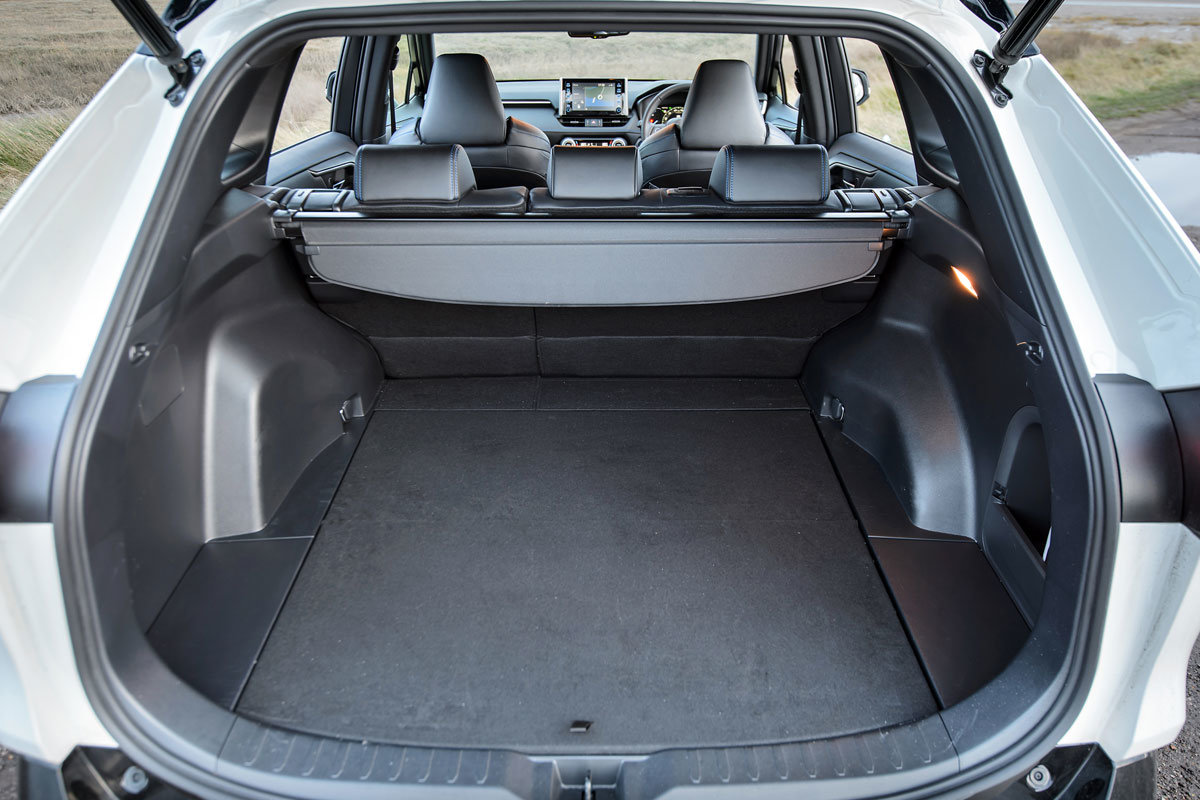
The interior of the RAV4 is impressive and feels of a high quality, with slick and straightforward controls, an excellent seating position and space for five adults. It’s a reasonably practical choice as well, offering a decent 580 litres of boot space up to the parcel shelf, or up to 1,690 litres with the rear seats down and loaded to the roof.
That being said, there are a couple of downsides. Firstly, you will lose 90 litres of boot space if you pick the plug-in hybrid model. Secondly, there is no seven-seat option available: if you need more seats then a Skoda Kodiaq or Peugeot 5008 might be a better bet.

What’s it like to drive?
Performance is good, with the entry-level 215bhp front-wheel-drive model accelerating from 0-62mph in 8.4 seconds. The AWD version is slightly quicker but, even though it’s heavier, its claimed average is still almost 50mpg. The hybrid transmission does occasionally result in the engine speed feeling disconnected from the road speed, resulting in a slight elastic-band feel as you accelerate, but driven normally it is smooth, quick enough and relaxed. To be specific, it has a continuously variable transmission (CVT) rather than a regular automatic gearbox.
The RAV4 is also a comfortable and easy car to drive, with safe and secure handling. The only downside is that it can occasionally be noisy; rough surfaces can result in notable noise, there's some wind noise at higher speeds, and the petrol engine can cause a bit of a din when you’re accelerating hard.
Technology, equipment and infotainment
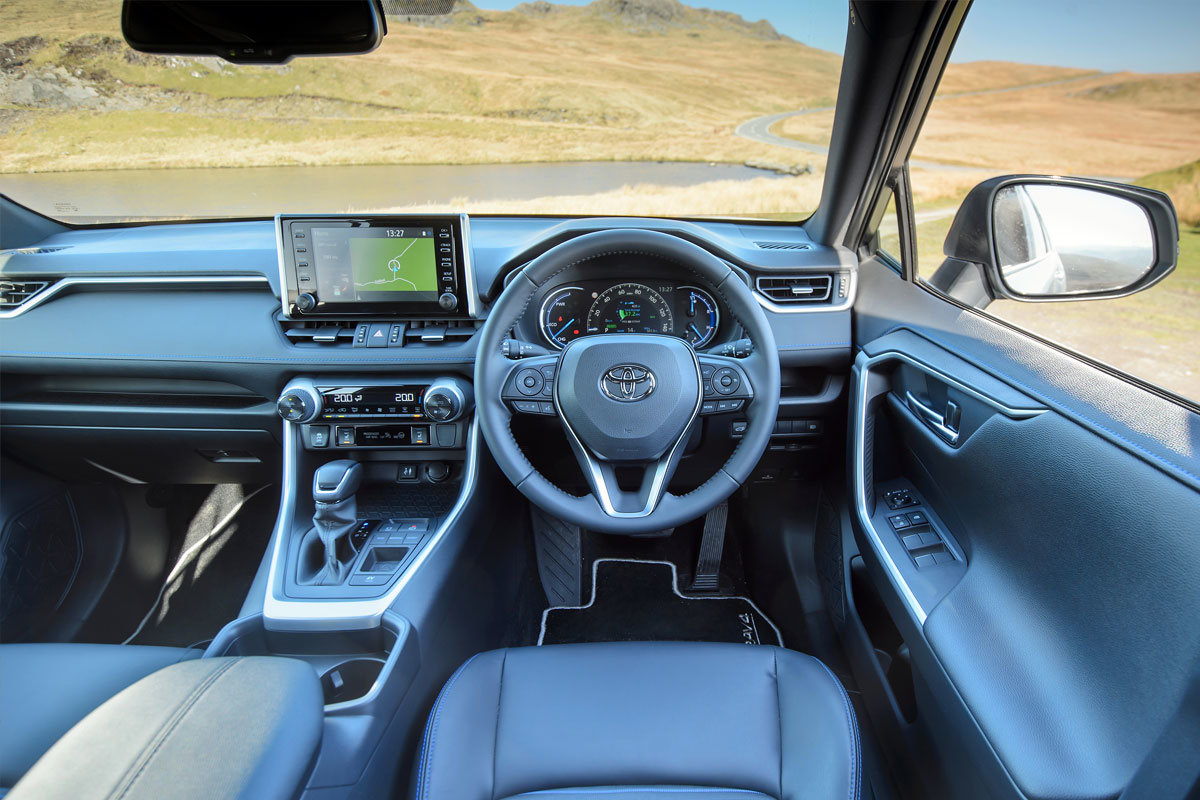
Buying a new RAV4 is also pleasingly straightforward, as the range is uncomplicated. There are just four trim levels – Icon, Design, Excel and the range-topping Dynamic – to pick from, as well as a smattering of upgrades and option packs. Even the basic Icon model is extremely well equipped, however, and includes LED headlights, adaptive cruise control, rear parking sensors and a rear-view camera, dual-zone climate control and an 8.0-inch touchscreen media system.
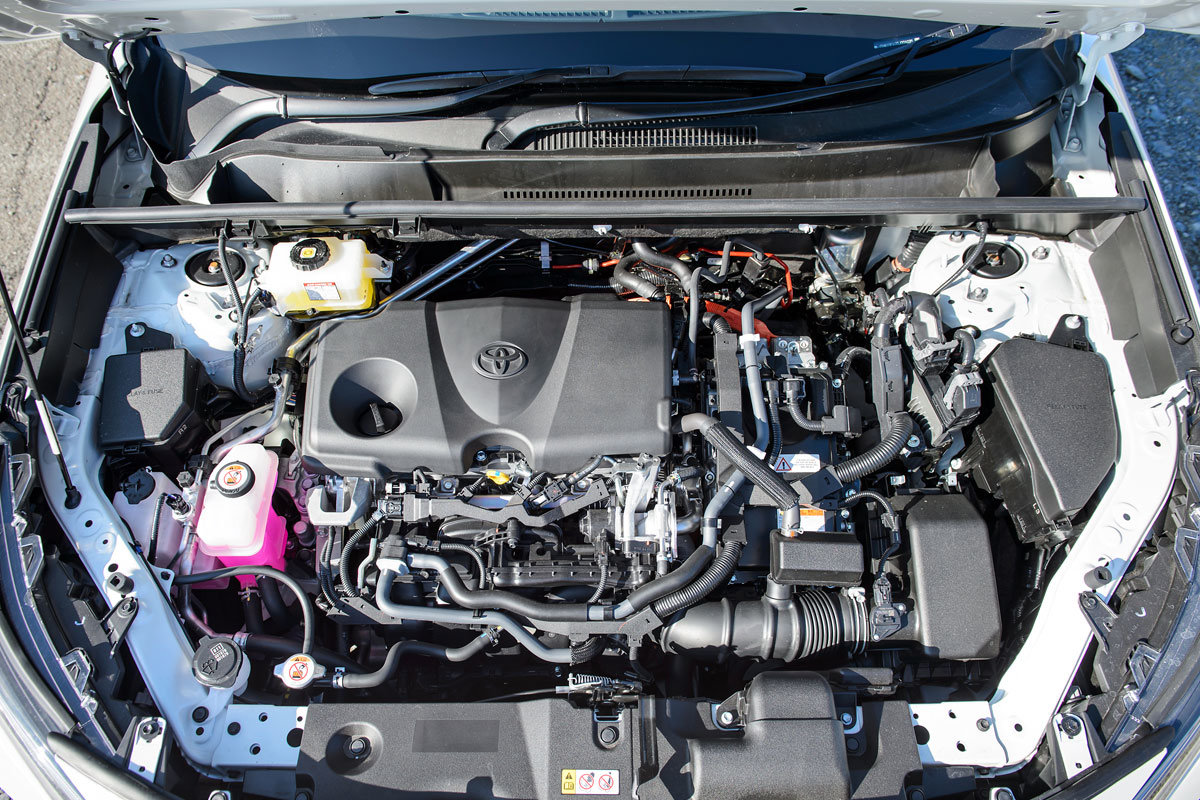
There is only one powertrain option – a 2.5-litre petrol engine coupled to a hybrid system – which is offered in conjunction with front-wheel drive or all-wheel drive (AWD), with the latter being provided by an additional electric motor at the back.
One equipment consideration, if you’re looking at used RAV4s, is that Apple CarPlay and Android Auto – which let you connect up your smartphone to the car's screen – were only integrated into the infotainment system at the start of 2020. Toyota can update some older versions with the new functions, but you’ll need to speak to a dealer to check the car you’re interested in is supported.
While the RAV4 doesn’t have the premium appeal of some alternatives and its styling can be divisive, it certainly feels like a high-quality product. If you want a reliable and practical hybrid SUV, and one that offers good real-world fuel economy, it should definitely be near the top of your shortlist.
Toyota RAV4 running costs
One of the major advantages of the RAV4 is that its running costs are impressively low, thanks in part to its hybrid powertrain. On the more realistic WLTP test cycle, Toyota claims that the two-wheel-drive RAV4 can average up to an impressive diesel-like 50.4mpg, while the heavier all-wheel-drive model will average up to 48.7mpg.
Many owners report averaging well over 45mpg, too, so your RAV4 should prove capable of getting close to its claimed figures in the real world once you’ve got used to its hybrid system. Because it has a 55-litre fuel tank, you should subsequently be able to travel over 500 miles on a single tank of fuel.
There’s more to it than just good mpg figures, though; the Toyota’s CO2 emissions top out at 133g/km, which is far lower than many rival offerings. The range’s initial first-year VED – Vehicle Excise Duty – costs vary from £165 to £205, depending on specification, and its lower Benefit-in-Kind (BIK) ratings will make it a desirable option for business users.
Servicing is yearly or every 10,000 miles and prices should prove more than tolerable, with Toyota quoting £190 for an intermediate service and £340 for a full service. Additional coverage is offered alongside the fixed-price servicing, such as 24/7 roadside assistance from £7 per month. Toyota will carry out free hybrid checks on your RAV4 as well, in order to make sure that everything is working as it should and that no problems are developing.
Getting your RAV4 serviced by a dealer may also not prove more expensive than using an independent. If you find a specialist within a 10-mile radius of a Toyota dealer, and the specialist is quoting a lower service price using genuine parts, the official dealership will match any provided written or emailed quotation.
Toyota RAV4 reliability
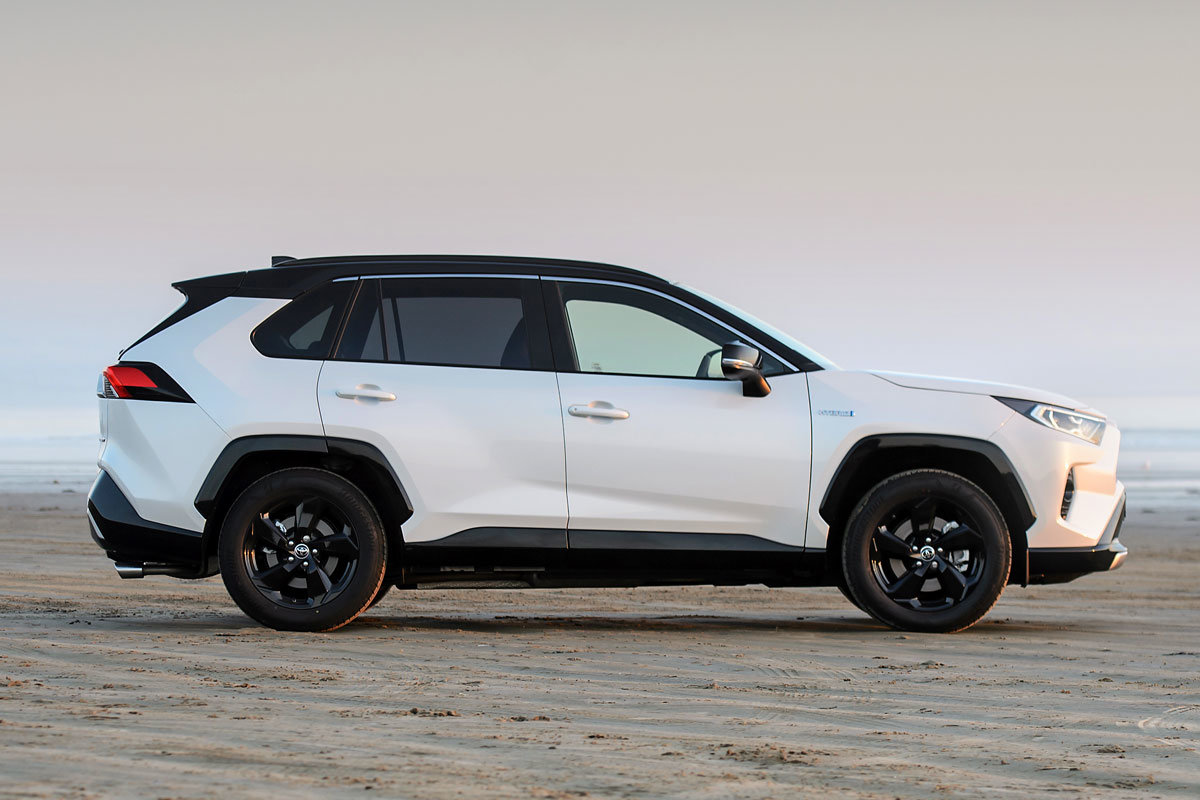
There’s little to fear when it comes to RAV4 reliability, as Toyota has an excellent reputation on that front. It regularly tops the charts of both reliability and customer satisfaction surveys, coming in ahead of brands such as Honda and Nissan, and the company itself has a long-standing reputation for building tremendously reliable and durable cars.
Bolstering the RAV4’s credentials further is the fact that all Toyotas come with a three-year mile warranty, which can be topped up to 10 years and 100,000 miles provided you service the car every year at an official dealership. By any measure, that's a fantastic warranty offering.
One thing to note: if you opt for the Skyview Panoramic roof, the spare wheel will be replaced with a tyre repair kit. Hopefully, you’ll never have to call upon either, but should you get a puncture, a physical spare will always work. A tyre repair kit, on the other hand, often can’t fix the damage the tyre has sustained and will leave you stranded.
- Toyota offers a four-wheel-drive version of the RAV4 called the AWD-i, which uses an electric motor to drive the back wheels. If you’re regularly going to tackle rough roads, or drive in poor weather conditions, you may well want to consider opting for it. Because the system is electric, instead of mechanical, there are also few penalties; while the AWD RAV4 is heavier, its emissions and fuel consumption are effectively the same. It’s also quicker, dispatching the 0-62mph sprint in 8.1 seconds compared to the 8.4 of the 2WD model. In either case, bear in mind that appropriate tyres will make the biggest difference in most situations.
- Safety organisation EuroNCAP awarded the RAV4 the maximum five-star rating when it was tested in 2019. It scored an impressive 93% for adult occupant protection and 87% for child occupant protection. For comparison, the Skoda Karoq scored five stars, 93% and 79% respectively. The Toyota comes with a terrific amount of safety equipment as standard, too, including full-range adaptive cruise control, lane tracing assist, a pre-collision system, cyclist and pedestrian detection, a reversing camera and the eCall emergency call system.
- A range of options are available for the RAV4, including the JBL Pack and the Premium Pack. The JBL Pack adds a nine-speaker JBL premium sound system and a Panoramic View Monitor that shows a 360-degree view of the car’s surroundings, which makes parking far easier. The Premium Pack adds the JBL sound system and the electrically operated Toyota Skyview Panoramic roof, which brightens up the interior considerably. Other upgrades include side steps, boot liners, protection packs and fixed or detachable 7-pin and 13-pin towing solutions.
- If you want the best all-rounder: The RAV4, in base two-wheel-drive Icon grade, will be a great choice for many. It comes with lots of kit and offers a good overall package for a sensible price tag, whereas versions such as the Excel and Dynamic get very costly very quickly. Don’t opt for the more expensive AWD-i option unless you really need it, but consider getting some winter tyres if snow and ice are of a concern.
- If you'll be towing: The all-wheel-drive version of the RAV4 has the highest braked towing rating so, if you’re planning on pulling a heavier trailer, it’s the one to go for. The FWD version has an unbraked towing capacity of 750kg and a braked towing rating of 800kg; the AWD-i model has a 750kg unbraked capacity but a braked towing weight of 1,650kg. You might want to opt for the JBL Pack or Premium Pack, as they add the Panoramic View Monitor that’ll make reversing and parking manoeuvres easier.
- If you'll be doing some light off-roading: We’d go for the all-wheel-drive version of the RAV4 in Design specification. It’s the least expensive trim on which AWD is available and has fewer costly exterior components to damage, such as mirror puddle lights under the door mirrors and headlight cleaners. Winter or off-road tyres will make a world of difference to the Toyota’s capabilities and you may also want to consider picking up a set of smaller aftermarket alloy wheels, or the 17-inch models from the Icon model. These will be less easily damaged than the standard 18-inch wheels on the Design model and the additional tyre sidewall will help soak up some of the bumps.

