Vauxhall Crossland Review (2021-2024)
Vauxhall Crossland cars for sale
3.0
Expert review
Pros
Plenty of space inside
More striking to look at than its predecessor
Reasonably well equipped
Cons
No electric or hybrid version
Rivals like Seat Arona or Ford Puma are much better to drive
Automatic emergency braking not available on entry-level model
The CarGurus verdict
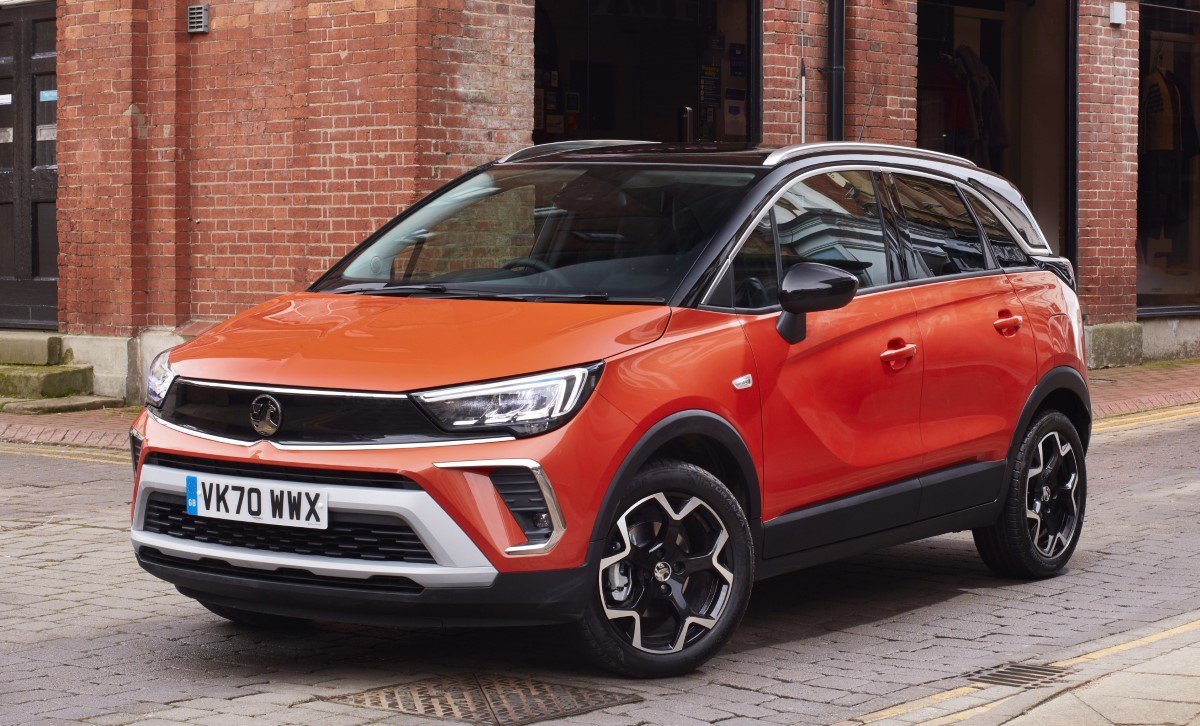
The Vauxhall Crossland is definitely an improvement on the Crossland X that preceded it and, on its own merits, it’s not a bad car. It drives reasonably well, has a choice of some punchy engines, and it’s well equipped. On top of that, the restyled front end means it stands out from the crowd far more than its predecessor.
The problem is that it’s competing in a sea of very talented rivals, and it’s hard to recommend the Vauxhall over several other cars. While the Crossland isn’t bad at anything, there are other cars that are better in just about every area. We can’t imagine you’ll be unhappy with it, but we’d recommend you check out the opposition first.

What is the Vauxhall Crossland?
The Vauxhall Crossland X was launched in 2017 in a packed small SUV market that already contained a stablemate, the Vauxhall Mokka X. The Crossland X represented a more practical, more sober, and more affordable family car than the Mokka, but both are similar sizes.
The Crossland X was… fine. But fine doesn’t really cut it in one of the most contested areas of the market. Pretty much every major manufacturer makes a small SUV, they sell like hot cakes, and some of them are really good.
So, in 2021, Vauxhall decided the Crossland X needed some more appeal. In came a heavy facelift with a new and distinctive front end. Out went the X suffix and, under the skin, numerous changes were made in the name of improving the driving experience and appealing to customers who would otherwise be lured by cars such as the stylish Renault Captur, the zippy Ford Puma and Seat Arona, or the excellent all-rounder that is the Skoda Kamiq. That’s not to mention numerous other rivals, from the Nissan Juke and Volkswagen’s pairing of the T-Roc and T-Cross, the Citroen C3 Aircross and the Peugeot 2008, through to leftfield, affordable options such as the SsangYong Tivoli or the Suzuki Ignis.
The result is at least partially successful. The Crossland is a better car than the Crossland X and, if you have a choice between the two, we’d recommend the newer model.
The Crossland ceased production in 2024, when it was replaced by the Frontera.
How practical is it?
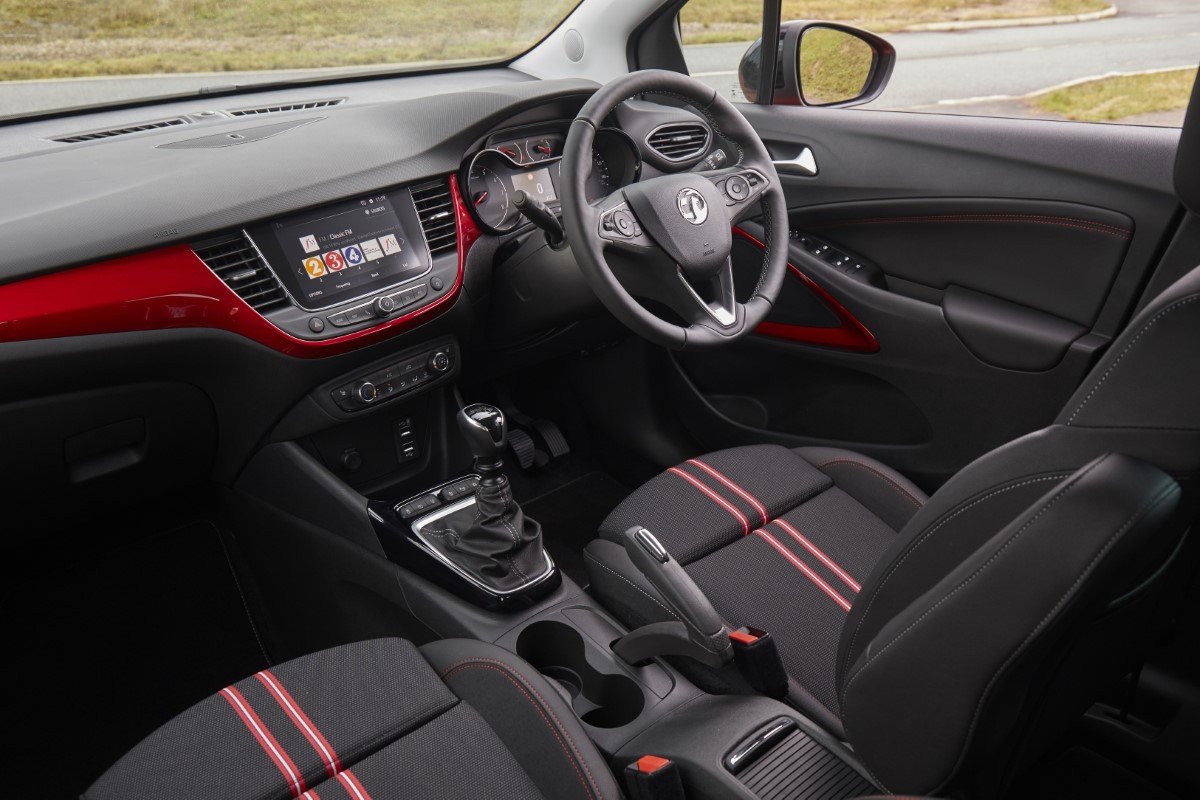
Inside, the design isn’t quite as eye-catching as some rivals, but you can jazz things up by specifying some very bright trim colours. Everything feels like it’s been bolted together well, and although there is no shortage of hard, brittle-feeling plastics, the key touch point areas are fine; every model has a leather-covered steering wheel, for example. Some may find the driving position tricky to finesse, not helped by pedals that are slightly offset to the right, but the wheel adjusts for both rake and reach and the seat can move up and down, so most people shouldn’t have too many issues.
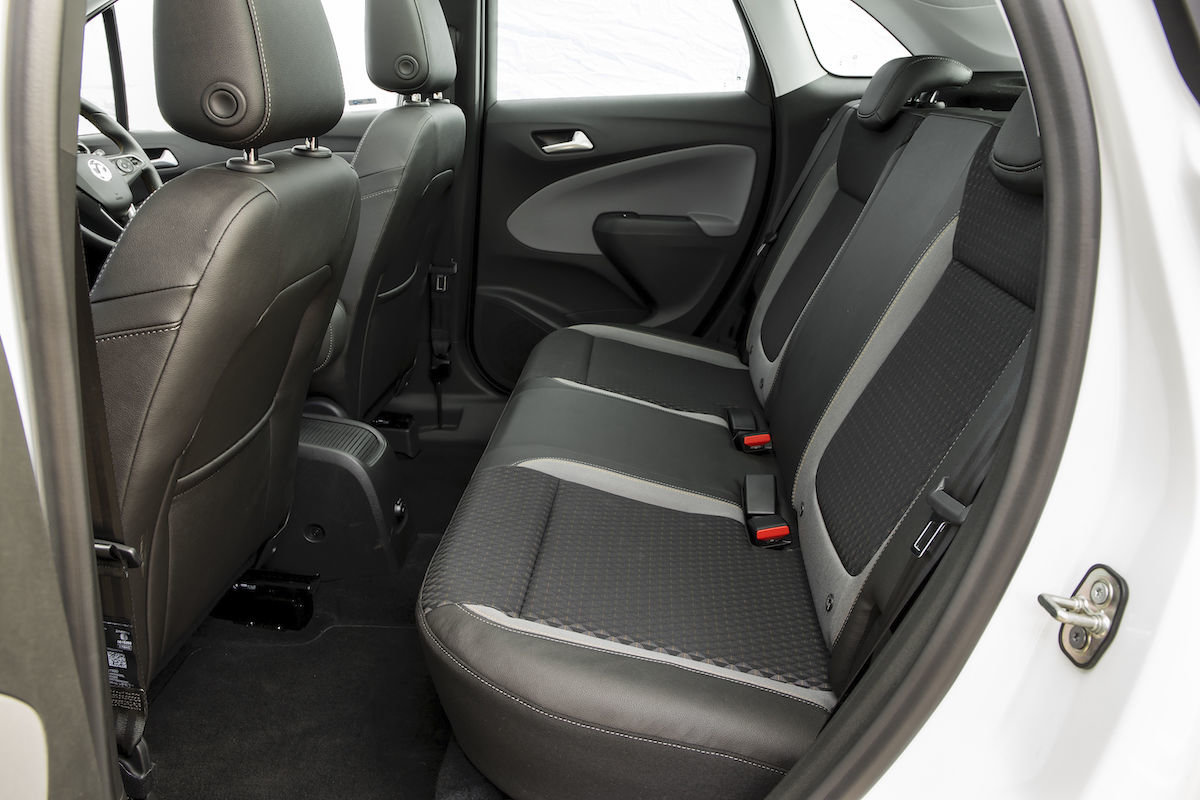
There’s a good amount of interior space, with plenty of headroom front and back. Legroom could be tight for rear-seat adult passengers, especially when compared with the very spacious Skoda Kamiq, but you can slide the rear bench backwards on higher-spec models, which creates more space for limbs at the expense of boot volume.
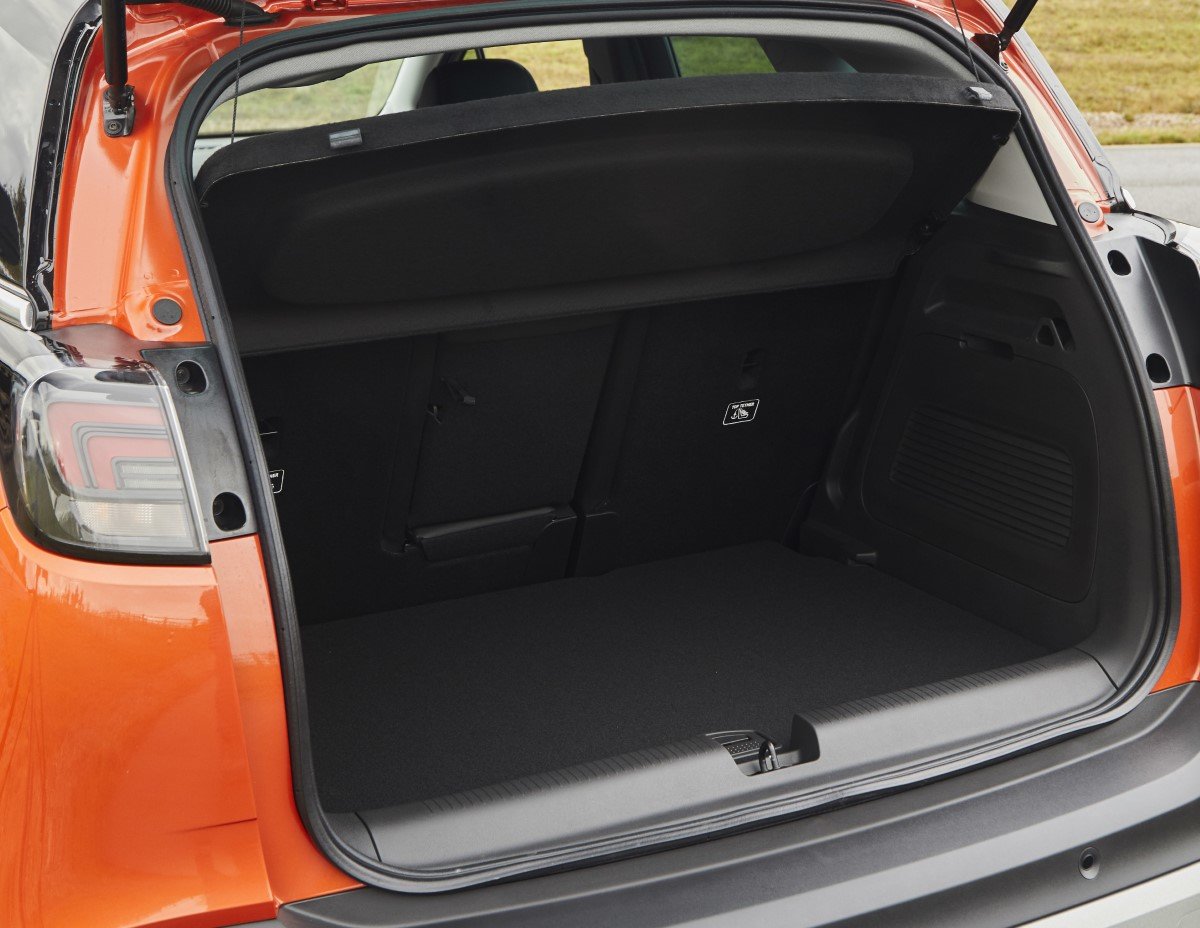
The boot, by the way, is a decent size for this type of car. If you’ve got the rear seats forward on so-equipped models, you’ll have 520 litres of space to play with, which is big compared to rivals. Without the funky seats, you’re looking at 410 litres, which still isn’t bad. Higher-end models also get an adjustable boot floor that flattens the step between the boot floor and the back of the rear seats when they’re folded down and makes it easier to load larger items.

What's it like to drive?
The Crossland also improves on the Crossland X on the move. Changes have been made to the suspension so it’s more dynamically capable but doesn’t compromise comfort. The Vauxhall is still no driver’s car when compared to the Ford Puma or the Seat Arona, but it does a decent job around, and the light steering makes manoeuvring a cinch. Up the speed on twisty roads, and you’ll find that the suspension allows the car lean over a bit through bends, but it’s confident enough. The ride is a trifle firm over rough surfaces in town, but that’s the pay-off for better handling on B-roads. Overall, it’s an unremarkable driving experience, but certainly not bad. The issue is that rivals such as Volkswagen’s T-Roc and the Skoda Kamiq are more comfortable, and the Puma and the Arona are more agile and entertaining.
Engines start with a non-turbocharged 1.2-litre petrol with 82bhp, which we reckon is best avoided. Despite being the least powerful, it’s also not the most fuel-efficient, so check out the 108bhp, turbocharged 1.2 instead, which is badged the 110. This should be fine for urban drivers who do the occasional motorway trip, but if you’re at higher speeds more regularly, you might want to consider the more powerful and even more efficient 1.2 130, which has 128bhp. This feels nice and sprightly and should cope with pretty much anything you throw at it. It’s also the only petrol you can have with an automatic gearbox.
Motorway regulars may also be interested in the diesel engines, which cost more to buy but offer better fuel economy. There are two, both 1.5 litres, with 108 or 118 horsepower. The former has a manual gearbox, the latter an automatic.
Technology, equipment & infotainment
All models get a touchscreen infotainment system with a DAB digital radio, Bluetooth and Apple CarPlay and Android Auto for smartphone connectivity. The screen size starts at 7.0 inches on the SE and Elite models, while higher-spec models get an 8.0-inch version with satnav and an extra USB slot for charging devices on the move.
There are four trim levels on the Crossland, although some have spin-offs with extra tech. SE is the most basic, but comes with aircon, cruise control, automatic LED headlights, and 16-inch alloy wheels.
Upgrading to SE Nav Premium adds the larger infotainment system with satnav and a rear parking camera. SRi Nav has those as standard, rides on 17-inch wheels, and gives you the aforementioned sliding rear seats and a contrasting exterior roof paint colour.
Elite loses the fancy infotainment system but gets a Winter Pack with a heated steering wheel and heated front seats, as well as a rear-view camera. But Elite Nav adds the bigger screen back in. At the top of the range is the Ultimate Nav model, which comes with basically everything.
Vauxhall Crossland running costs
New prices for the Crossland are pretty similar to rivals such as the Renault Captur and the Skoda Kamiq, and with even the entry-level trims fairly well-equipped, they’re reasonable value. However, historically, Vauxhalls haven’t kept their value well, which is bad news if you’re looking at buying one as a new car. It’s much better news if you’re looking at used Crosslands, though; if someone else has taken the financial hit then you could conceivably save a good chunk of cash on a small SUV, and bag one for less than you could the competition.
You’ll get the best MPG figures from the diesels. The official combined fuel economy for the manual diesel is up to 61.5mpg, depending on model, while the automatic promises 57.7mpg.
The popular 1.2-litre 110 has an official figure of 48.7mpg, which is slightly better than the less powerful 82bhp 1.2, at 47.9mpg. Impressively, the 1.2 130 has an even better official fuel economy, at 49.5mpg, but will obviously cost more to buy, too. The caveat to all of the above is that they’re lab test figures, so expect a little less in the real world.
All Crosslands cost less than £40,000 to buy new, so don’t attract the extra charge for vehicle excise duty (also known as road tax). Under the latest tax rules, you’ll pay your first year charges as part of the on-the-road price of a new Crossland, and then an annual charge.
You’ll need to service your Crossland every 12 months or 16,000 miles, or 20,000 miles for diesel models. At the time of writing, costs at a Vauxhall dealer ranged from £205 for an interim service for a petrol or diesel model to £435 for a major service of a four-cylinder petrol engine. You can also buy a Vauxhall service plan, with different options available for cars of different ages.
Insurance won’t be too pricey; groups start at eight and rise to 19 of 50, depending on the model.
Vauxhall Crossland reliability
Vauxhall has a mixed reputation for reliability. What’s Car?’s 2021 reliability survey put Vauxhall 22nd of 30 manufacturers, joint with Mercedes and Peugeot, while the Crossland X (not quite the Crossland, but close enough) came 14th out of 20 cars in the small SUV category of the same survey.
We haven’t seen too many reports of major issues with the Crossland’s predecessor, the Crossland X, which is largely identical when it comes to the mechanical bits.
Vauxhall offers a three-year, 60,000-mile warranty on the Crossland from new, along with a year’s roadside assistance. That’s pretty much the bare minimum, and several rivals have much longer, higher-mileage warranties. Kia will give you seven years and 100,000 miles on the Stonic, for example. That said, several other manufacturers also offer the same guarantee as Vauxhall.
There were a few recalls on the Crossland X since its launch in 2017. These included issues with a leaky fuel pump connection, problems with the lambda oxygen/fuel control, and a few cars where a rear impact limiter wasn’t fitted during production. Some diesel cars emitted a higher particulate rate than was allowed, and other models had issues with bits of the rear axle breaking or working loose.
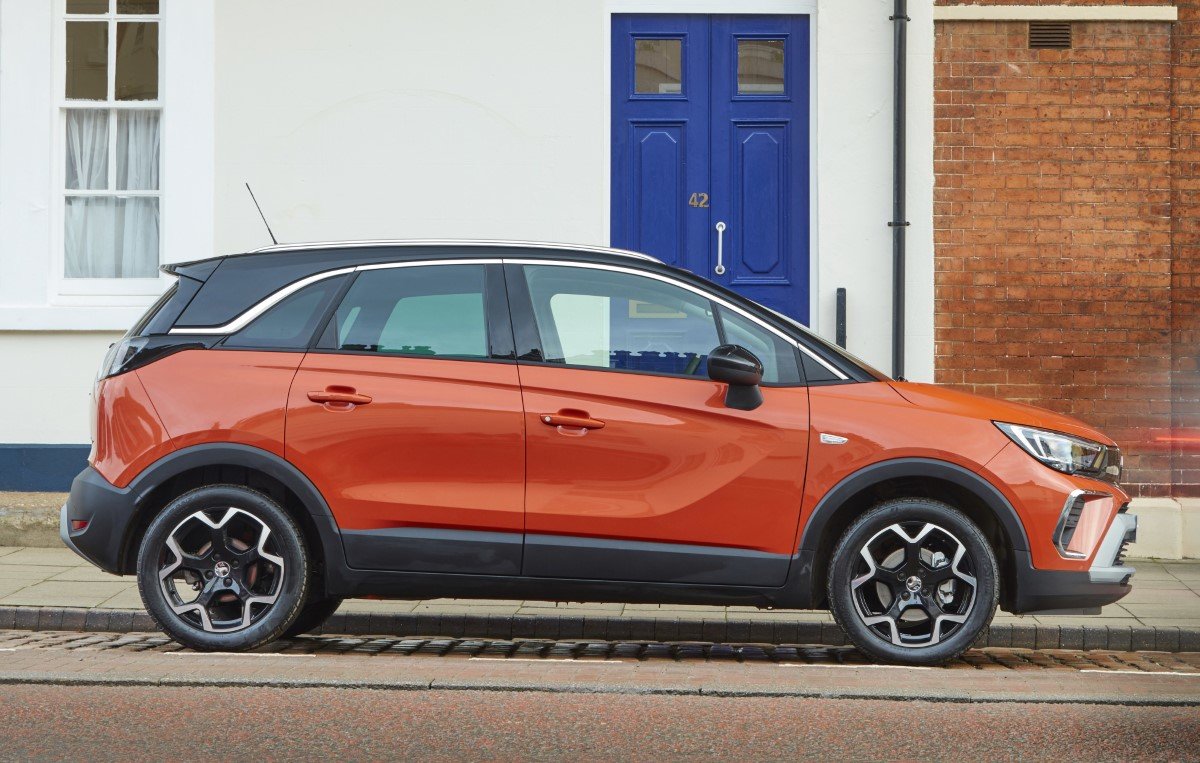
- Looks are always subjective, but the revised face of the Crossland certainly pops more than the car it replaces, with an unusual slotless grille that’s often more the preserve of pure electric cars. There are new lights at the back, too.
- The Crossland’s safety score, courtesy of independent testing organisation Euro NCAP, carries over from the 2017 Crossland X. It achieved the maximum five stars, but other cars have scored better on individual areas (there’s an overall star rating, then four individual categories).
- Disappointingly, some modern features that rivals boast as standard are only optional on the Crossland, most notably automatic emergency braking, and it’s not available at all on the entry-level SE model. Still, you do get a lane departure warning system on every Crossland, as well as six airbags and Isofix child seat mounting points on the outer rear seats.
- If you’re on a budget: The entry-level Crossland is the 82bhp 1.2-litre petrol SE, and it’s not badly equipped for the cheapest model. However, we’d do some number crunching before settling on that engine, because you’ll get better fuel economy from the 1.2-litre turbo 110, and better performance.
- If you want the best all-rounder: We think the 108bhp 1.2 Turbo is the sweet spot of the engine range, and SRi Nav gives you everything you’ll want in terms of equipment. The bigger infotainment screen is easier to use, and those sliding rear seats could be really handy if you alternate hauling passengers and a full boot.
- If you want an automatic: You only have two engine choices if you want gears that shift themselves. For petrol, look at the most powerful 128bhp 1.2-litre engine, or the 1.5-litre 118bhp diesel. Bear in mind that the six-speed automatic gearbox drives up the cost of the car and lowers fuel economy.
- If you want all the toys: The Ultimate Nav model is loaded with equipment, but it’s also considerably more expensive than the rest of the range. It’s the kind of model that could appeal as a used car and the price differential is smaller, but it’s hard to justify when new.


