Volvo XC40 Review (2018-present)
Volvo XC40 cars for sale
4.0
Expert review
Pros
Stylish, chunky looks
Excellent safety kit
Comfortable as well as good to drive
Cons
Rear seats not the most comfortable
Electric version is expensive
Infotainment system on earlier models a bit fiddly
The CarGurus verdict
You could be forgiven for buying an XC40 purely on its desirability factor, but there’s a good deal more to admire about this small SUV than just its cool, Scandi image.
As well as being an extremely pleasant car to drive or be driven in, due to its elegantly appointed interior and comfortable road manners, it’s also a very easy car to live with, thanks to generous passenger space and family-friendly practicality. As well as the added reassurances of Volvo’s obsession with crash avoidance and mitigation, there are promising signs to suggest the XC40 should be a hardy and reliable companion.
What is the Volvo XC40?
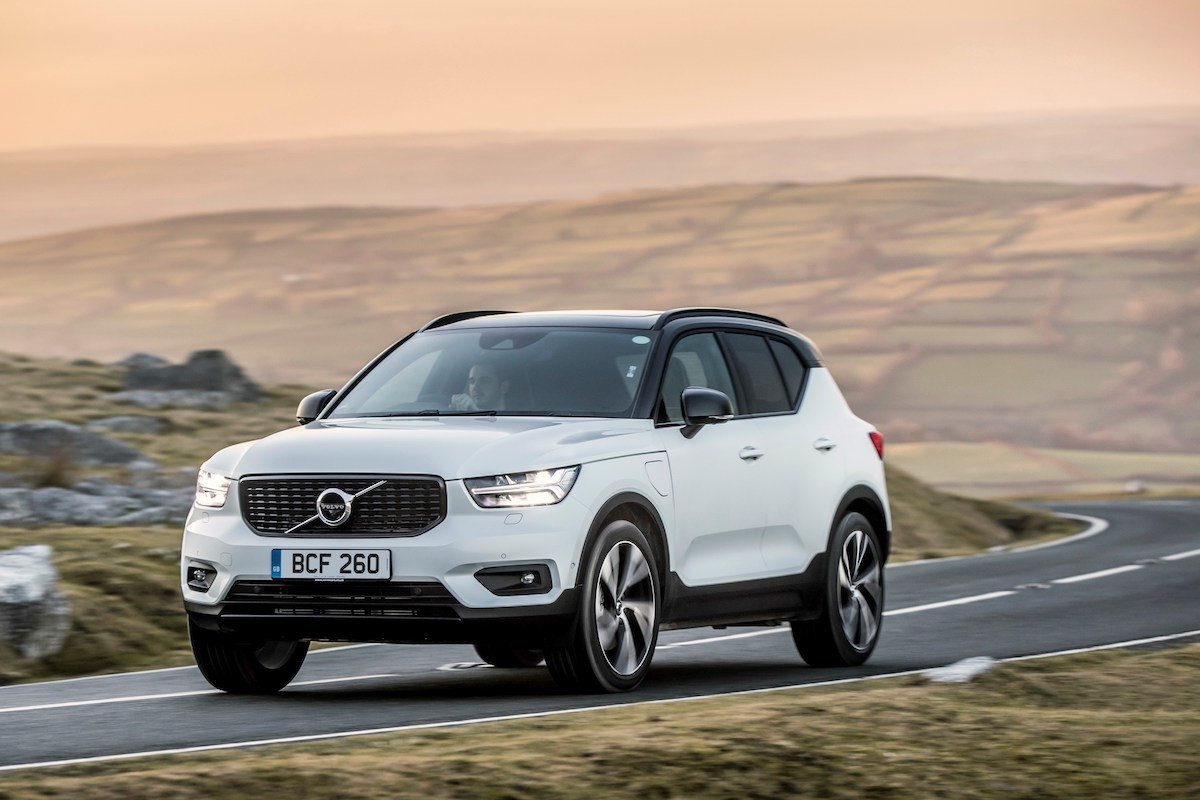
The Volvo XC40 is the car that really put Volvo back on the map. A winner of countless awards, it’s clear from the sharp exterior design and the stylish, airy interior that the Swedish firm spent every possible penny of its Chinese investor’s money when developing this highly desirable compact SUV.
The XC40 was released in 2018, and an all-electric version joined the range in 2021. In 2024, however, the all-electric version was rebranded as the EX40 (see our separate Volvo EX40 review for more details on that car) - this coincided wit the arrival of other electric SUVs from the brand in the shape of the EX30 and EX90 - while the XC40 name was retained for cars with mild-hybrid petrol powertrains.

How practical is it?
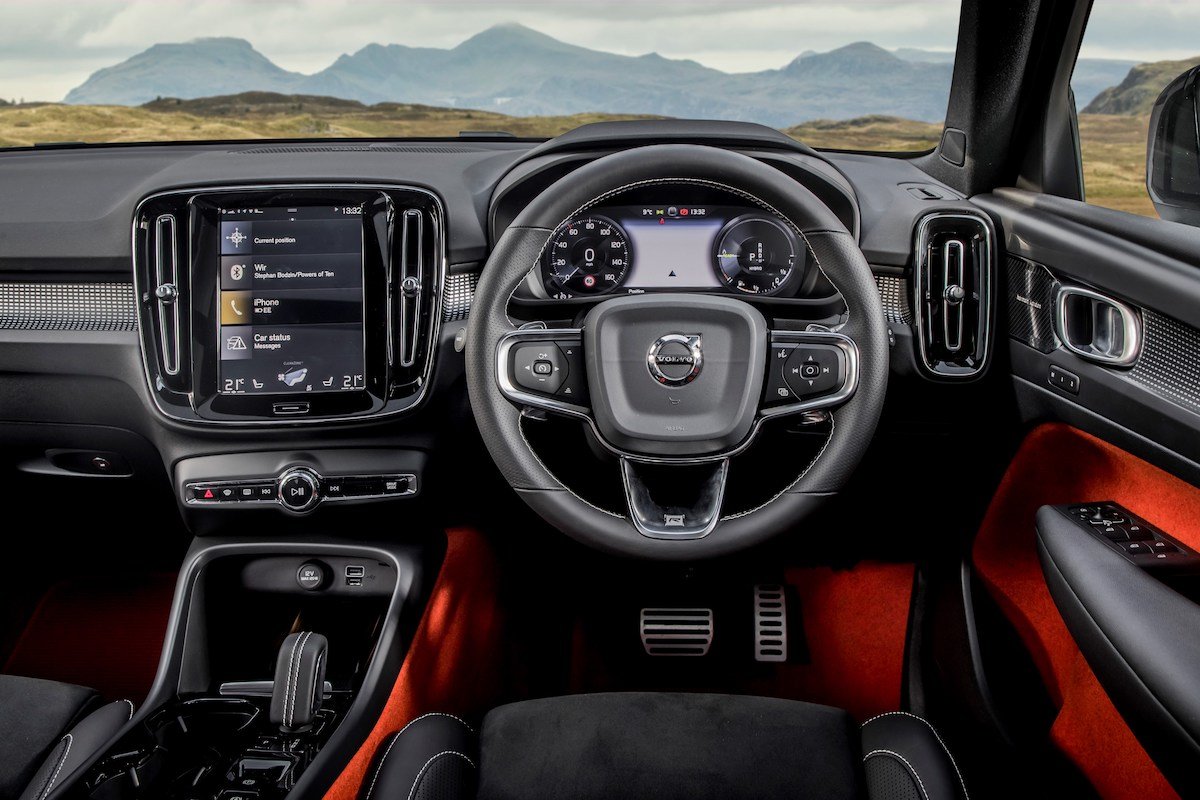
You’ll go a long way to find a more tasteful interior design. The combination of glossy veneers set against warm, responsibly sourced panels, punctuated by sparkling satin chrome air-vents, derringer-sized gear shifter and a neatly proportioned steering wheel, deliver a high-end level of sophistication.
Seat comfort has always been a Volvo USP and the front seats in the XC40 certainly don’t disappoint. As well as looking very smart, they also provide superb comfort and excellent lateral support.
Although there are three rear seat belts, adults will not be happy if asked to perch in the middle seat for too long, as it is rather narrow and flat, so it’s best to think of the XC40 as a four/occasional five-seater.
The XC40’s boot isn’t the biggest but it is a usable shape and there’s no load lip to overcome, which helps when it comes to loading heavier items. Just take care when opening the rear hatchback when returning from the supermarket, otherwise any items that have escaped from your shopping bags might end up on your driveway.

What's it like to drive?
Volvo has a rather unique take on how cars should drive, and more often than not, it favours comfort over dynamics. Given the XC40’s family-friendly brief, that’s no bad thing.
Yes, things can feel a wee bit floaty with a bit too much side-to-side shimmy, but bump isolation is generally pretty good, so impacts are dealt with successfully enough. That said, because there is a bit of audible suspension noise, abrupt cracks and crevices sound worse than they feel. Grip and traction levels are reassuringly high, however, helping to minimise any anxiety when driving down unlit country roads or when circumnavigating rain-sodden roundabouts. It is just a shame that this isn’t better communicated. The steering is super-light, which is a huge positive when confronting rush-hour traffic or nipping into that last available parking spot, but it doesn’t supply much feeling.
Technology, equipment & infotainment
The centre of the dashboard is dominated by a large infotainment system screen. Like all touchscreens, it’s prone to looking a trifle shabby when covered in finger marks, while its pinch and swipe functionality is not all that easy to operate on the go. To its credit, though, it does feature large fonts and icons.
It was updated later in the car's life to feature software developed by Google, and the interface became much better.
Most XC40s are front-wheel drive but there are also all-wheel drive versions available for those who want the added winter weather traction benefits. Earlier cars were predominately diesel-powered but changing times saw a significant shift towards petrol and mild-hybrid powertrains, while plug-in hybrid and four-wheel-drive fully-electric versions were also available. In 2024, the electric versions were rebranded as the EX40, leaving only mild hybrid cars carrying the XC40 name.
During most of its time on sale, the three best-selling trim levels in the line-up are Momentum, R-Design and Inscription (more detail on those in the 'Which One to Buy' section). The trim names were later changed to Core, Plus and Ultra, but equipment provision didn't change a whole lot.
Volvo XC40 running costs
The undeniable desirability of the XC40 means it remains in high demand, so don’t expect to waltz into your nearest Volvo dealer with the idea of playing discount hardball. That desirability will pay dividends at the opposite end of the ownership process, however, with strong residual values ensuring you recoup a large percentage of your initial outlay. If you’re a company car driver then those same RVs will help to minimise your monthly lease payments, making the XC40 every bit as affordable, and in some cases more affordable, than rivals including the Audi Q3, BMW X1 and Mercedes GLA and Jaguar E-Pace
In terms of fuel economy, the latest mild-hybrid petrol engines should deliver mid-forties mpg while the older diesel models should get within touching distance of 50mpg. If you want to minimise your fuel and taxation expenditure, then you might want to consider one of the now-defunct plug-in hybrids, which uses a combination of a small capacity petrol engine and large battery pack. Theoretically, they are capable of 134mpg, providing you plug them in religiously and drive them in a considered manner. The fully electric Recharge model is tailpipe emissions-free, and filling it with electricity should be considerably cheaper than putting fossil fuel in one of the other XC40s.
If you have any doubts over when to service your XC40 you can use Volvo’s website to access that information. Generally speaking, though, service intervals should be carried out annually or every 18,000 miles, whichever comes first. You can also take out a service plan and spread the cost via monthly payments.
Volvo XC40 reliability
The XC40’s three-year 60,000-mile warranty is no better or worse than the industry standard, as is its three-year paintwork warranty and 12-year rust resistance guarantee. The batteries in the Recharge plug-in models are covered by an eight-year/100,000 mile warranty.
Of course, the XC40 is a relatively new car so any comprehensive reliability data won’t be available for a few years yet. That said, Volvo owners obviously love their cars and that adulation is recognised in the 2019 JD Power survey where over 11,000 drivers gave the brand the highest satisfaction rating of any premium brand. Volvo’s achievements are also recognised by other surveys including the What Car? Reliability Survey, which placed the XC40 in second place in the family SUV category.
Overall the brand climbed to 11th place out of 31 brands in the same survey. Owners were also quick to recognise Volvos’ behind-the-scenes work, with over half the cars presented to dealers with faults put back on the road the same day. The most common faults reported were generally remedied with software upgrades, so if you are buying used, make sure these amendments have been carried out. These might include the link between the forward collision sensor and the emergency alert connectivity module, which sends information to the emergency services.
- Historically, Volvo is probably best known as a manufacturer of large, practical estate cars, and some versions were pretty darn spicy. So much so, Volvo even raced a super-hot version of its 850 estate car in the British Touring Car Championship against rival manufacturer’s saloons. However, set against a backdrop of a world increasingly besotted with large SUVs, this became an increasingly unsustainable business model. Undeterred, Volvo used its estate car experience to great effect, producing the eminently practical seven-seat XC90 SUV, which stayed in production for almost 12-years. Several investors came and went before Volvo finally tied up a deal with the Chinese based Geely Company, which released the necessary funds to develop the all-new XC40.
- Volvo then became one of the first manufactures in the world to stop producing large capacity multi-cylinder fossil fuel engines; preferring to concentrate its efforts on smaller turbocharged three and four-cylinder engines, many of which, were supplemented by mild-hybrid technology. Additionally, Volvo was one of the first manufacturers to ditch diesel-powered engines entirely from its range.
- Volvo is probably best known for its commitment to safety. It actually invented the three-point seat belt, which is thought to have saved over a million people since it was adopted across the industry. Ultimately Volvo’s goal is to prevent anyone from dying in one of its cars. To this end, increasingly sophisticated autonomous driving features are at the heart of its research and development programmes, and even early XC40s feature plenty of safety kit. These include pedestrian detecting automatic emergency braking, oncoming lane mitigation, which warns and steers you back into your lane if you start to drift towards oncoming traffic. Needless to say, the XC40 gained a top five-star rating in the EuroNCAP crash test.
- The three best-selling trim levels in the line-up are Momentum, R-Design and Inscription. Entry model cars are immediately recognisable by their horizontal grille slats, and inside the seats are trimmed with cloth, rather than leather. They also come with climate control, alloy wheels, a digital main instrument panel and a portrait-orientated infotainment screen. Cruise control is also included as are LED headlights, rain-sensing wipers and rear park assist. R-Design - with vertical grille slats, black roof, twin tailpipes and glossy external highlights - adds sports suspension, plusher seats and leather trim highlights. The top-end Inscription models gain a powered tailgate, front parking sensors, a powered driver’s seat, interior wood inserts and exterior chrome detailing.
- The R-Design cars make the most sense, given their flashy looks, comprehensive equipment and the fact its ‘sports suspension’ is more than capable of cope with scrappy UK road surfaces. We find it hard to justify the premium Inscription cars incur over the well-equipped Momentum models.
- If you’re on a budget and you do a fair few miles - we're talking 15,000 annually - you may want to consider one of the earlier diesel models. The D3 and D4 badged cars come with either a 148bhp or a 187bhp and we’d recommend the more powerful of the two as performance, especially when fully loaded can feel a bit laboured in the lower-powered model. Consequently, you’ll need to swap gears a fair bit and neither the automatic gearbox nor the manual gearboxes provide the sweetest gearshifts. Although the petrol engines are a lot smoother at lower revs, they too, can sound and feel quite thrashy when extended.


