Since the ‘Dieselgate’ scandal broke in 2015, the reputation of diesel as a fuel has eroded bit-by-bit. New diesel sales have fallen off a cliff, and on the second-hand market, diesels are now far more affordable to buy than their petrol equivalents.
Could the latest fuel price rises be the nail in diesel’s coffin? They’ve certainly opened up a yawning chasm between the prices of petrol and diesel fuel. At the time of writing, diesel costs around 30p per litre more than petrol, making it 20 per cent costlier to fill a tank with diesel than with petrol.
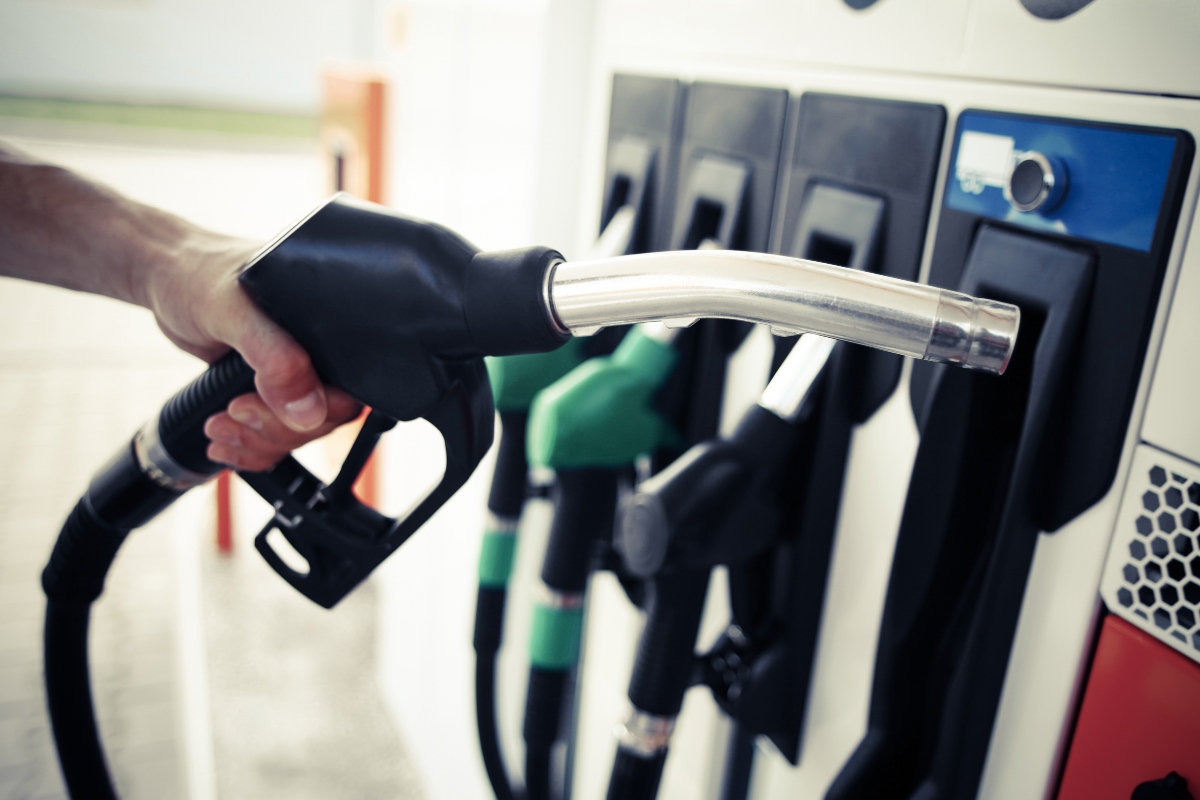
Of course, the argument for diesel always used to be that the extra cost was mitigated by diesels’ vastly better fuel economy. That still holds true if you’re buying at the lower end of the used car market, but is it still that simple?
Well, we’re going to find out by dusting off the CarGurus calculator and doing some maths. (Yes, I know, but stick with me, because the results might surprise you.)
We’ll take as our benchmark the Kia Sorento. A big SUV makes for a good case study here; cars like this still sell well in diesel form, mainly because the petrol alternative usually means such colossal fuel bills that people are more willing to put aside their reservations.
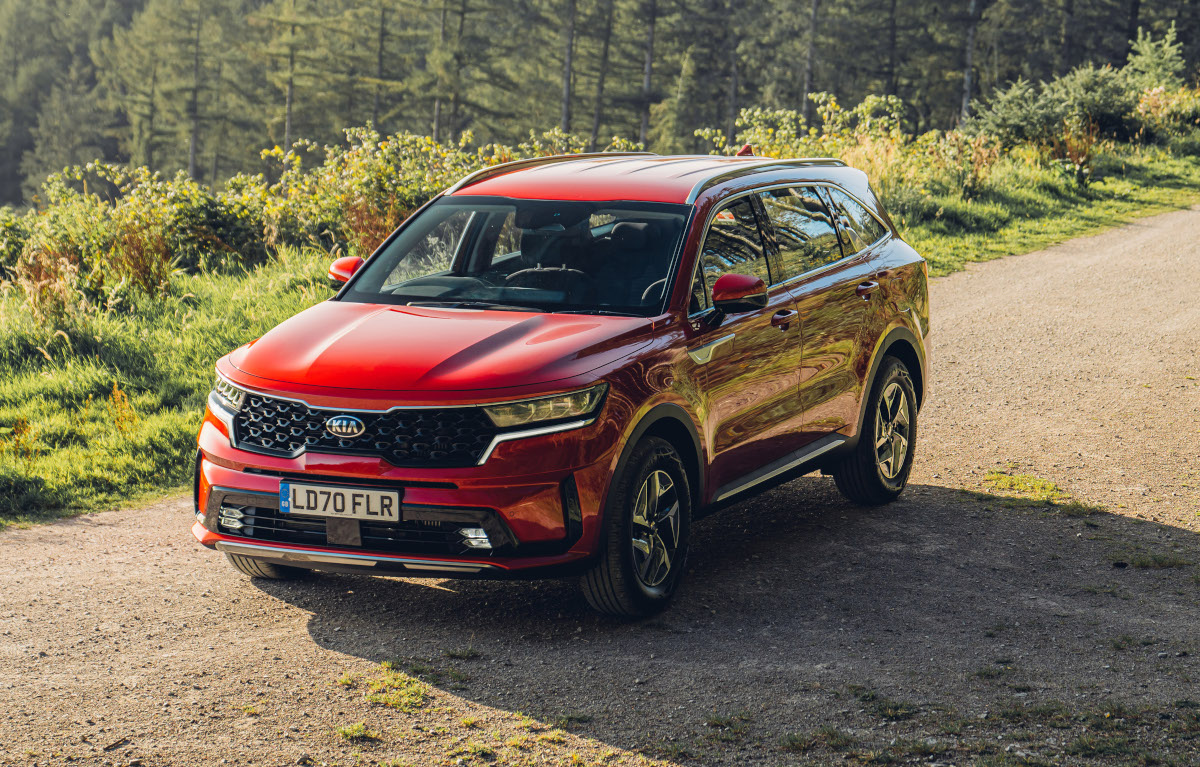
What’s more, the Sorento comes with a choice of diesel or petrol hybrid engines, so it’s easy to compare. We’ll assume an annual mileage of 9,000 - or 750 a month - because it’s close to the average, and because it’s a nice easy figure to work with.
The 2.2-litre diesel Sorento delivers an official average fuel consumption figure of 42.2mpg. Under the above circumstances, and at today’s average diesel price of £1.91 a litre, that would give you a monthly fuel bill of £154.
The 1.6-litre petrol hybrid model, by contrast, averages 40.9mpg, which means that at £1.58 per litre – the cost of standard unleaded fuel at the time of writing – it’d manage the same monthly mileage at a cost of £131.
Case closed, then. Or is it? Because we haven’t really talked about the purchase price. As we mentioned earlier, diesels are cheap to buy these days. And having scoured the classifieds for the diesel Sorento on which we based those calculations, we found a 2021 ‘3’ with 48,000 miles, which had a CarGurus Instant Market Value (IMV) - in other words, what CarGurus’ data says the car is actually worth - of £28,277.
By contrast, the hybrid version we found had an IMV that was £1,395 higher, at £29,672. Granted, this was a higher-specification ‘4’ with 5,000 fewer miles on the clock, but that only accounts partially for the difference in price.
Even assuming just £600 of that gap is down to the fuel type, it’s going to take you just over two years for those hybrid fuel savings to justify the extra cost, and that assumes that diesel will stay at its current high price.
Even so, it’s probably close enough to justify choosing the hybrid instead of the diesel, particularly given that you’ll get some of that extra outlay back when the time comes to sell the car on.
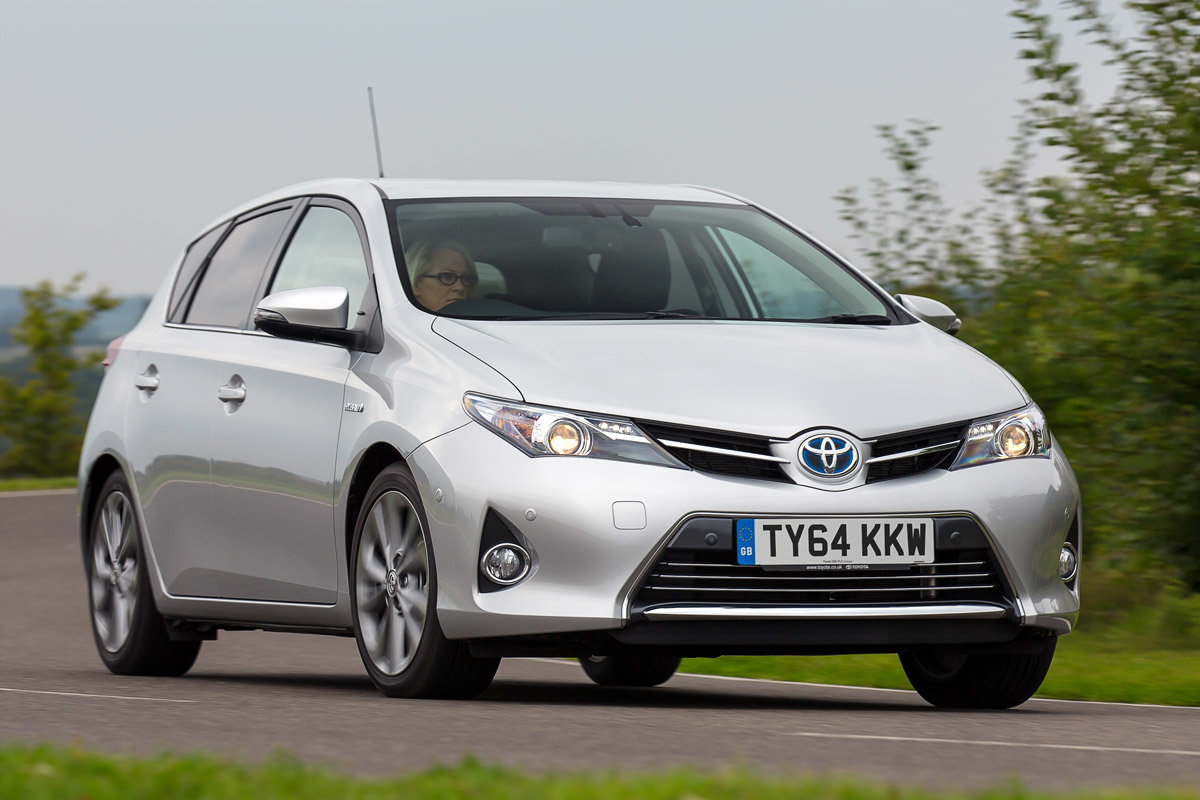
But does the same apply with cheaper cars? Swap the Sorento out for a Toyota Auris in our calculations, and there’s suddenly a huge gap between the IMVs of a 2015 petrol hybrid with 91,000 miles (£8,719) and a 2016 diesel with 105,000 on the clock (£5,620).
Even though the petrol hybrid actually delivers a better MPG figure than the diesel in this case, it’d still take you at least six years – maybe more, depending on how the fuel prices shift – to recoup the difference in cost between the two cars.
So while the high cost of diesel would suggest it’s a no-brainer to choose a petrol hybrid instead, it’s not as clear-cut as that.
If the prices of the two equivalent models are fairly close, as they are with the Sorento, and you’re keeping the car long-term, it may well make sense to pay the additional cost for the hybrid model.
But in cases where a diesel model costs a sizeable chunk less than the equivalent hybrid, it’ll take so long to mitigate that extra cost that you probably won’t really be saving any money, even if the whacking your wallet will take at the pumps makes you wince.
And don’t forget that our calculations are based on fuel prices as they stand; were the gap to shrink in the coming months, the advantages of buying the hybrid instead of the diesel diminish further still.
The moral of the story is that it pays to sit down and work out whether a hybrid really will save you money before taking the plunge. With prices the way they are, it’s all too easy to end up actually spending more money as a result of trying to save. As I always say, it pays to do the maths first: that way, you’re always going into any deal on a new or second-hand car with your eyes open.
Related Topics:


