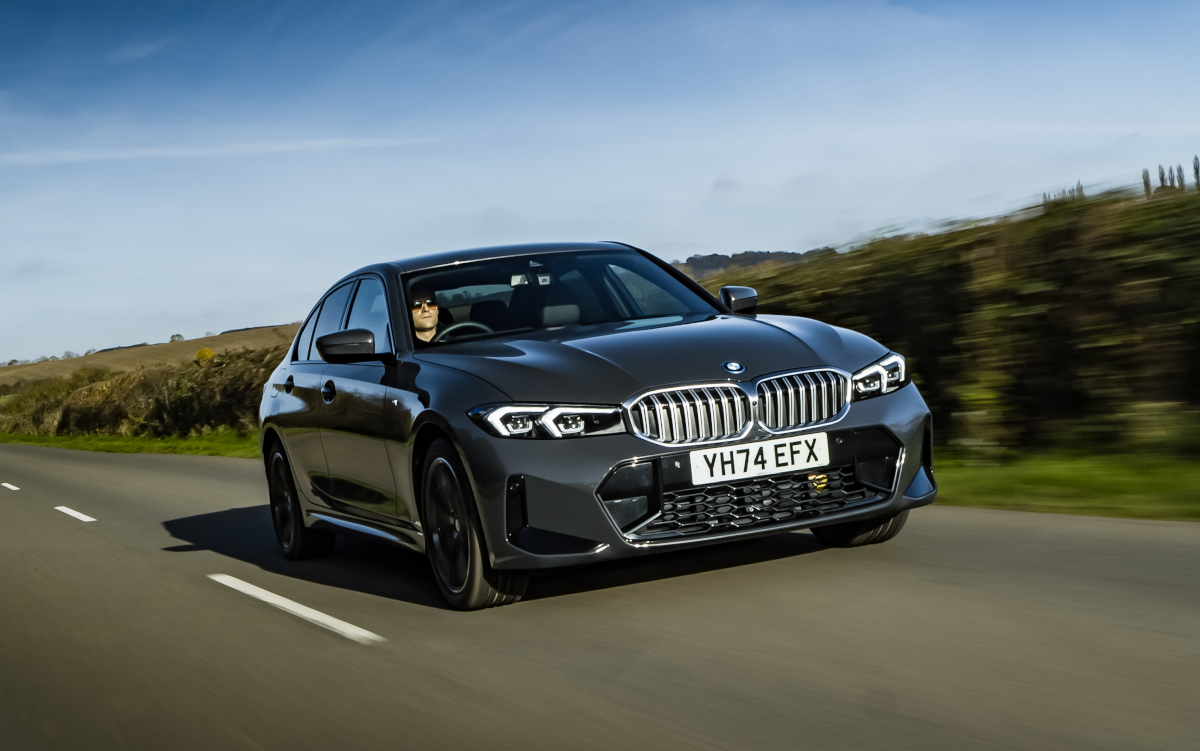
If you're trying to decide between the BMW 1 Series and the BMW 3 Series, you are looking at two of the most popular premium cars on the market. While they both wear the famous blue and white propeller badge, they cater to slightly different needs, offering their own distinct takes on the traditional BMW formula.
The 1 Series is BMW’s most affordable model, designed to offer an engaging drive in a compact hatchback package. The 3 Series, on the other hand, is the longstanding benchmark for the compact executive class, available as a saloon or an estate, and renowned for its blend of sharp handling and upmarket appeal. So, which of these Bavarian siblings is the right choice for you?
BMW 1 Series vs BMW 3 Series
Practicality
BMW 1 Series practicality score: 2/5
BMW 3 Series practicality score: 4/5
When it comes to interior space, the larger 3 Series naturally takes the lead. It offers enough room in the rear for a pair of tall adults to sit comfortably on longer journeys, and its 480-litre boot (which drops to 375 litres in the plug-in hybrid) is well-sized for most families. If you need more versatility, the Touring estate version bumps that up to 500 litres. The cabin materials are plush, making it feel suitably premium.
The 1 Series, being a compact hatchback, is a bit tighter inside. Space in the front is fine, but rear passengers will find legroom limited, and the middle seat is compromised by a large floor hump. The boot measures 380 litres, which is competitive for the class, though mild-hybrid versions lose some under-floor storage, dropping the capacity to 300 litres. It's also worth noting that a split-folding rear seat is an optional extra on the 1 Series, which is a bit disappointing.
Driving Impressions
BMW 1 Series driving score: 5/5
BMW 3 Series driving score: 5/5
BMW has a reputation for building cars that are fun to drive, and both of these models deliver on that promise. The 1 Series is an agile and pointy hatchback with strong body control and plenty of grip. The entry-level 120 petrol engine is perky and works smoothly with the standard automatic gearbox, while the range-topping M135 is genuinely rapid. The ride is on the firm side, but it remains comfortable on most roads.
The 3 Series is the traditional benchmark for a sporty saloon. It offers crisp, precise steering and stiff suspension that keeps it flat through corners. Whether you choose a rear-wheel-drive or all-wheel-drive model, traction is excellent. Like the 1 Series, the standard suspension can feel a bit brittle over rough surfaces, so seeking out a model with adaptive suspension is a smart move. Engine choices are broad, ranging from punchy petrols and diesels to the popular 330e plug-in hybrid.
Technology and Equipment
BMW 1 Series technology and equipment score: 3/5
BMW 3 Series technology and equipment score: 4/5
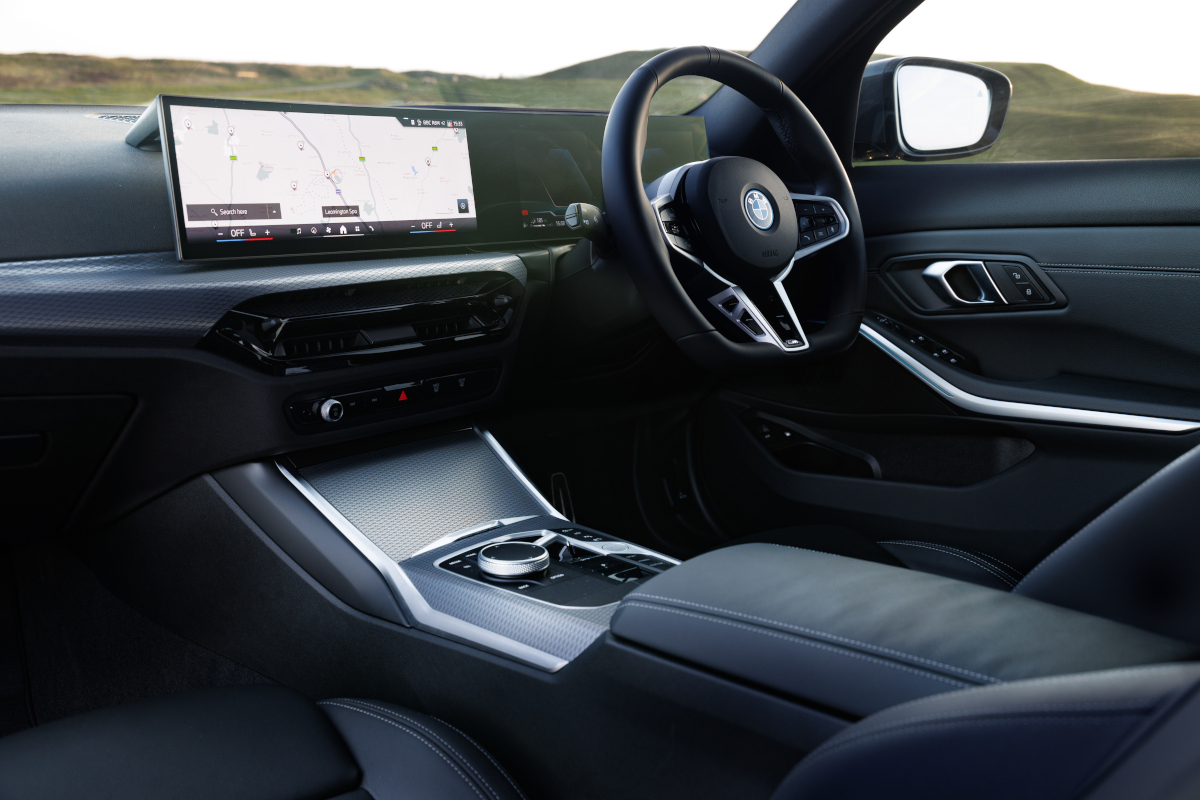
Both cars feature BMW's striking curved display, which combines a digital instrument cluster with a large central touchscreen. In the 1 Series, you get a 10.7-inch main screen and a 10.25-inch driver display. The graphics are sharp and the system supports Apple CarPlay and Android Auto. However, BMW has removed the physical iDrive rotary controller and the climate control buttons, meaning you have to use the touchscreen for almost everything, which can be distracting on the move.
The 3 Series takes the win here. Its curved display is larger, featuring a 14.9-inch touchscreen and a 12.3-inch driver display. Crucially, while it also moved the climate controls to the screen, BMW kept the physical iDrive rotary dial in the centre console. This makes navigating the menus much easier and safer while driving. Both cars are well-equipped in popular M Sport trim, though you may need to dip into the options list for features like adaptive cruise control on the 1 Series.
Running Costs
BMW 1 Series running costs score: 4/5
BMW 3 Series running costs score: 4/5
The 1 Series is the more affordable route into BMW ownership, with lower starting prices than the 3 Series. The mild-hybrid 120 and 123 petrol engines return respectable fuel economy, officially rated at 53.2mpg and 47.9mpg respectively. Just be careful with optional extras, as pushing the list price over £40,000 will trigger the government's luxury car tax surcharge.
The 3 Series costs more to buy, but it offers some impressive efficiency options. The 330e plug-in hybrid is a standout, particularly newer models with a larger battery that can cover up to 63 miles on electric power alone. If you charge it regularly, your fuel bills will be minimal. If you are buying used, the 318d and 320d diesels are capable of returning around 55mpg in the real world. Servicing costs for both cars are generally on par with rivals like Audi.
CarGurus Buyer Insights
|
BMW 1 Series |
BMW 3 Series |
| CarGurus expert rating |
4 out of 5 |
5 out of 5 |
| CarGurus user rating |
4.4 out of 5 |
4.4 out of 5 |
| Percentage of good/great deals available on CarGurus* |
39.3% |
33.7% |
| Overall CarGurus rating |
4.3 out of 5 |
4.5 out of 5 |
The Verdict
BMW 1 Series Overall CarGurus rating: 4.3/5
BMW 3 Series Overall CarGurus rating: 4.5/5
Both the BMW 1 Series and the BMW 3 Series are excellent cars that deliver the engaging driving dynamics you expect from the brand. The 1 Series is a great choice if you want a premium badge, a high-quality interior, and nimble handling in a compact, city-friendly footprint.
However, based on our CarGurus Buyer Insights, the BMW 3 Series takes the win. It earns a flawless score from our experts and boasts a higher overall rating. The 3 Series simply offers a more complete package. It provides the extra passenger and boot space that families need, a broader choice of efficient engines (including an impressive plug-in hybrid), and a better infotainment setup thanks to the retention of the physical iDrive controller. If your budget can stretch to it, the 3 Series remains the benchmark for a reason.
BMW 1 Series Pros and Cons
| Pros |
Cons |
| Great to drive |
Practicality could be better |
| Plushly trimmed interior |
Key equipment items cost extra |
| Undercuts rivals on price |
Ergonomically inferior to its predecessor |
BMW 3 Series Pros and Cons
| Pros |
Cons |
| Sharp steering and agile handling |
Sporty suspension makes for a firm ride |
| Fuel-sipping diesels and plug-in hybrid |
Not as roomy as some cheaper mainstream rivals |
| Beautifully finished cabin |
Restricted engine choice if you want a manual gearbox |
*The Overall CarGurus rating: that informs these recommendations is based on CarGurus' proprietary market data from June 2026, CarGurus expert reviews, and CarGurus user reviews.
Read Our Full Reviews: