It looks like Seat might not be long for this world, then. In September 2026, it was announced that the brand’s future was ‘under assessment’. An official statement concluded: “Depending on how regulation, customer demand and market conditions evolve, this could include a gradual phase-out of the Seat brand. No final decision has been taken.”
It’s all part of a major restructuring at the Volkswagen Group, which owns Seat. Over the next few years, that process will include up to 100,000 redundancies and reducing the number of models produced across all its brands (currently Audi, Bentley, Cupra, Lamborghini, Porsche, Seat, Skoda and Volkswagen) by half. It’s all rather sad, although the decision to potentially ‘sunset’ Seat isn’t a surprise; as far back as 2023, Thomas Schäfer – VW CEO and Volkswagen Group board member – said: “the future of Seat is Cupra.”
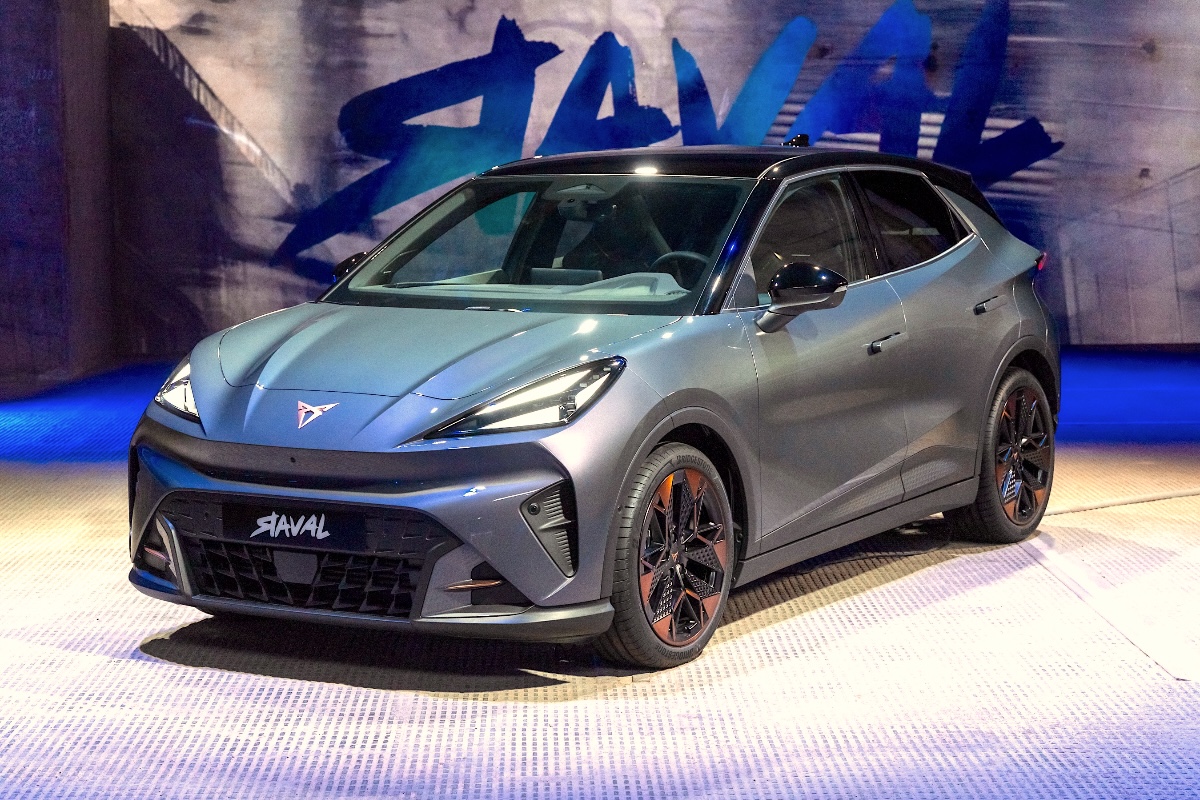
Ah yes, Cupra. Initially a label for Seat’s sportiest models (a bit like Ford’s ST or VW’s GTI), Cupra became a brand in its own right in 2018. Since then it has launched standalone models such as the Born (pictured, below), Formentor, Raval, Tavascan and Terramar. Cupra has embraced electrification wholeheartedly, developed all-new products and seen sales rise each year. Seat… hasn't.
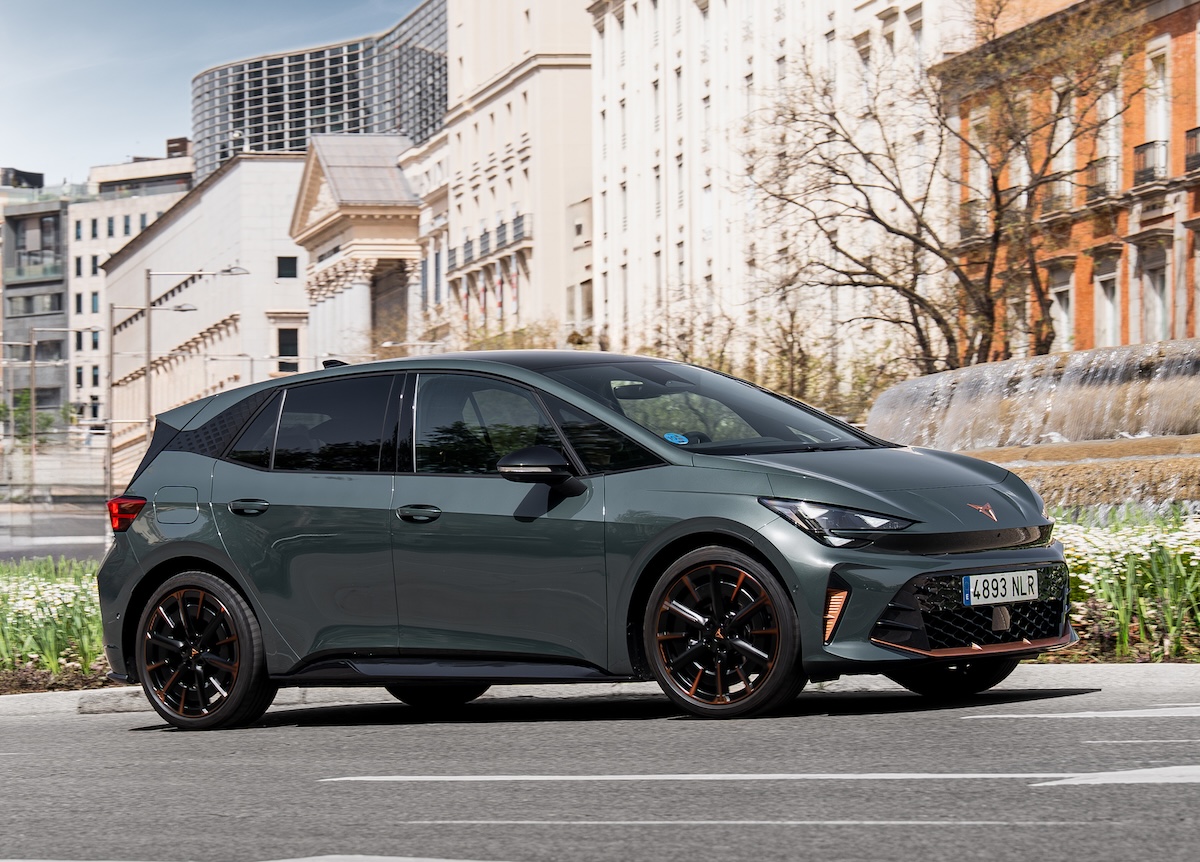
The truth is, Seat has been neglected over recent years. Long-running models haven’t been significantly updated and its last all-new model (the Leon) went on sale in 2020. It’s simple economics, of course – Cupra models have a more premium image, sell for more, and generate more profit. Fair enough, I suppose, but I think it’s a shame that the Seat brand has got the raw end of the deal since it’s produced some great cars over the years (more on that in a bit) and you can’t help but wonder what it could have achieved with the right investment.
It hasn't helped that it has sometimes been hard to work out what Seat stands for. In its early days, the brand was known simply for value. In the early noughties, it was marketed as the sporty (but still great-value) option among VW Group brands. Then it seemed to lose its way a bit. Affordable hatchbacks remained at its core, but the model range also included a big, distinctly un-sporty MPV in the shape of the Alhambra. The less said about the Exeo (pictured, below) – a rebadged version of the previous-era Audi A4 – the better.
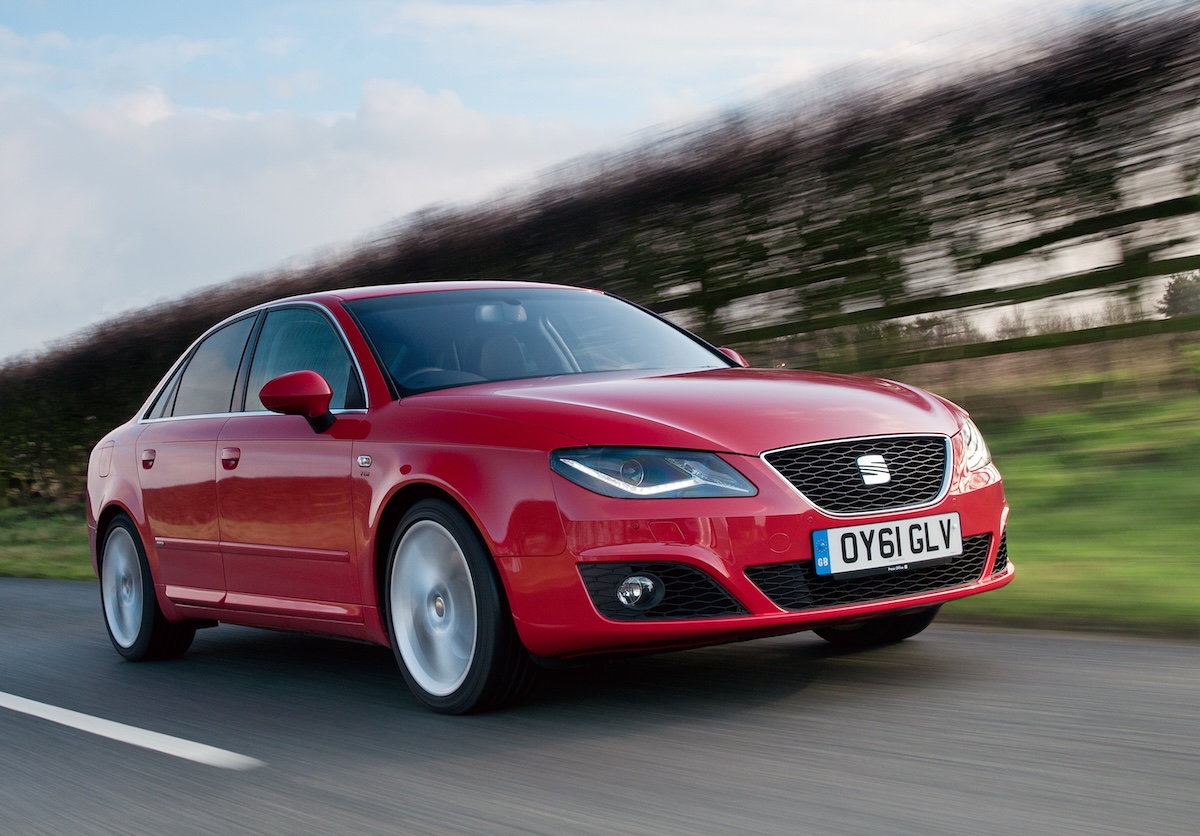
Despite its supposed sportiness, Seat has never built a true coupe or a convertible under VW ownership. It arrived fairly late to the SUV party, too, although when the Arona, Ateca and Tarraco did surface they turned out to be very good. But the past few years have seen the focus turned on Cupra, and Seat models have been allowed to wither on the vine.
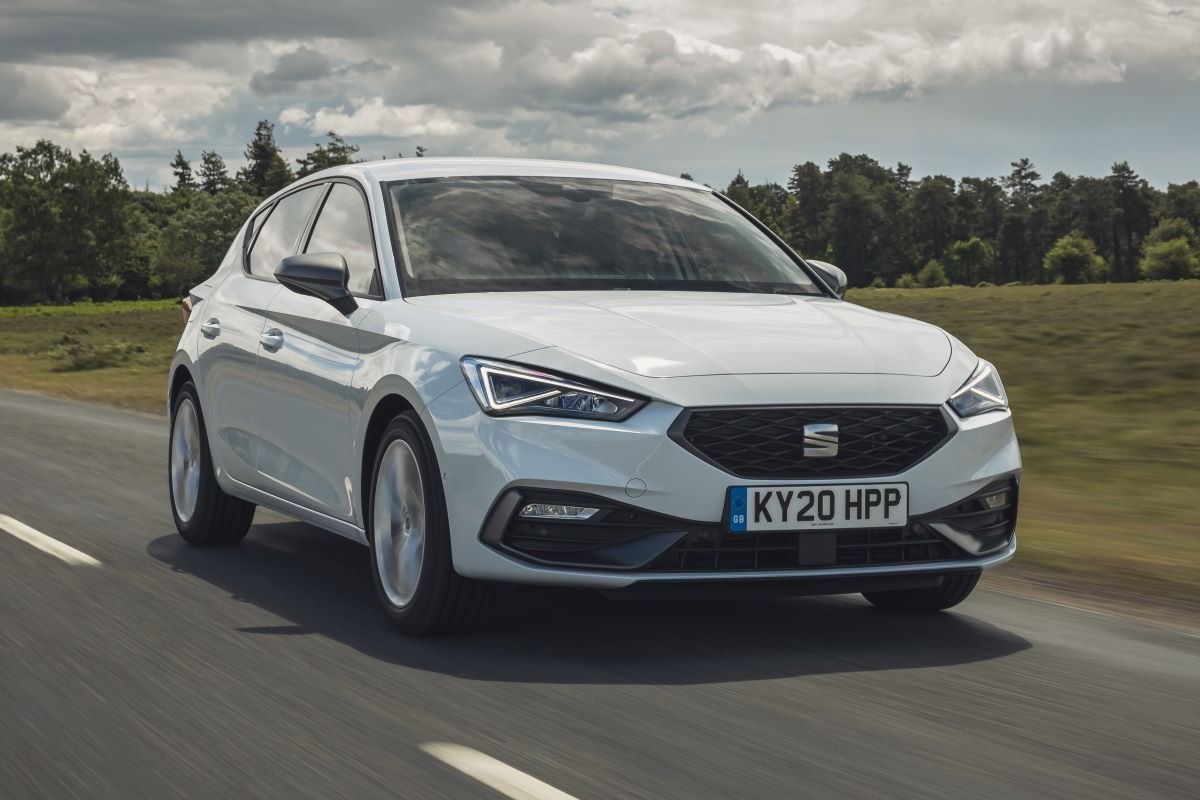
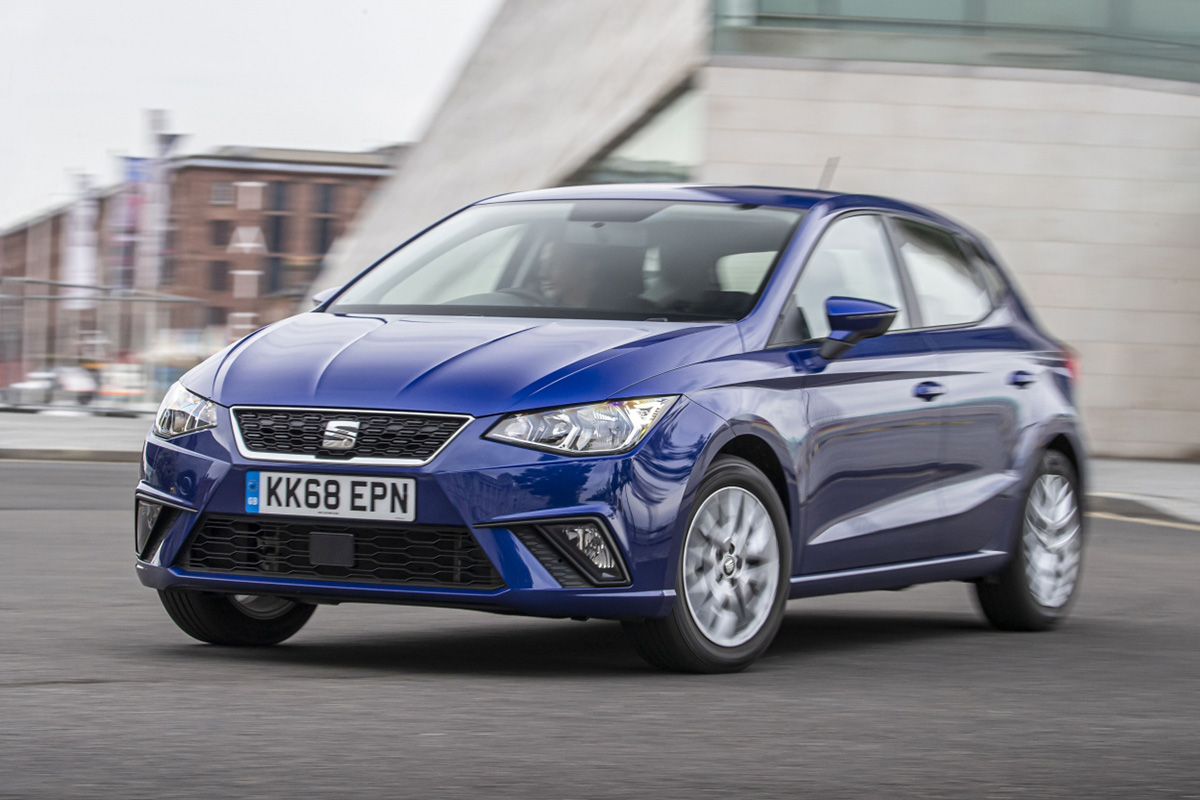
As of September 2026, there are now just four Seat models you can buy new in the UK: the Ibiza, Arona, Leon and Leon Estate. These are due to soldier on for the next few years. The Ibiza and Arona had a very mild facelift in early 2026, but have changed little since their introduction in 2017. The Leon is likely to remain on sale until 2030 or so.
By that time, Cupra is expected to launch even more new models and will have a range that spans compact city cars to large SUVs. In the same way that, just a few years ago, Seat’s did. Playing devil’s advocate, you could reasonably ask whether these new Cupras couldn’t have simply been Seat models. It’s not a huge stretch of the imagination since the two brands use essentially the same production and sales networks. Such are the mysteries of marketing, I suppose.
So it seems that the long goodbye for a brand that’s been around for more than 70 years (and in the UK market since 1985) has begun. I, for one, would be sad to see Seat go. Not because I happen to own one (an Ateca) and am worried about where to get it serviced in a few years. No, I simply think that Seat has produced some great cars over the years and has the potential to do so in the future.
Ultimately, though, the big bosses at the VW Group seem to have decided that Cupra, not Seat, is best-placed to succeed in the long term. And there’s one potential upside, of course; with the brand’s future in question it’s possible that used Seat prices will weaken, making its cars better value than ever.
Our Top 5 Seat Cars
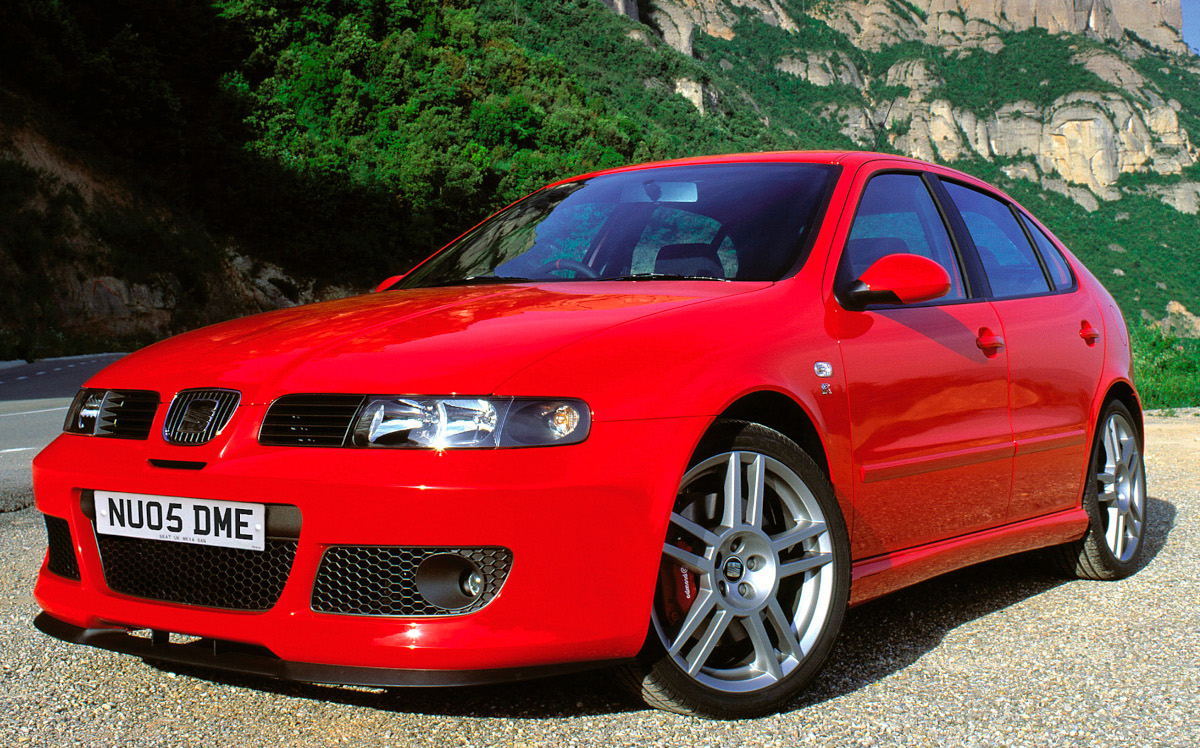
Seat Leon Cupra Mk1 (2000-2006)
The first-generation Leon Cupra shared its basic platform with the VW Golf GTI of the time, but it was, by just about any measure, a much more desirable car. Not only was it much more fun to drive – it was also more stylish on the outside and arguably nicer on the inside, thanks to a dashboard shared with the concurrent Audi A3. A classic hot hatch well worth seeking out, we’d say, especially the most powerful Cupra R version (pictured).

Seat Ibiza Mk3 (2002-2008)
Seat’s early noughties purple patch continued with the third-generation Ibiza. Styled by Walter de Silva, the designer behind the delectable Alfa Romeo 156, the Ibiza looked sportier than most other superminis and gave a driving experience to match. It was outstanding value, too, while the thrummy three-cylinder petrol engine available gave perky performance and excellent fuel economy.
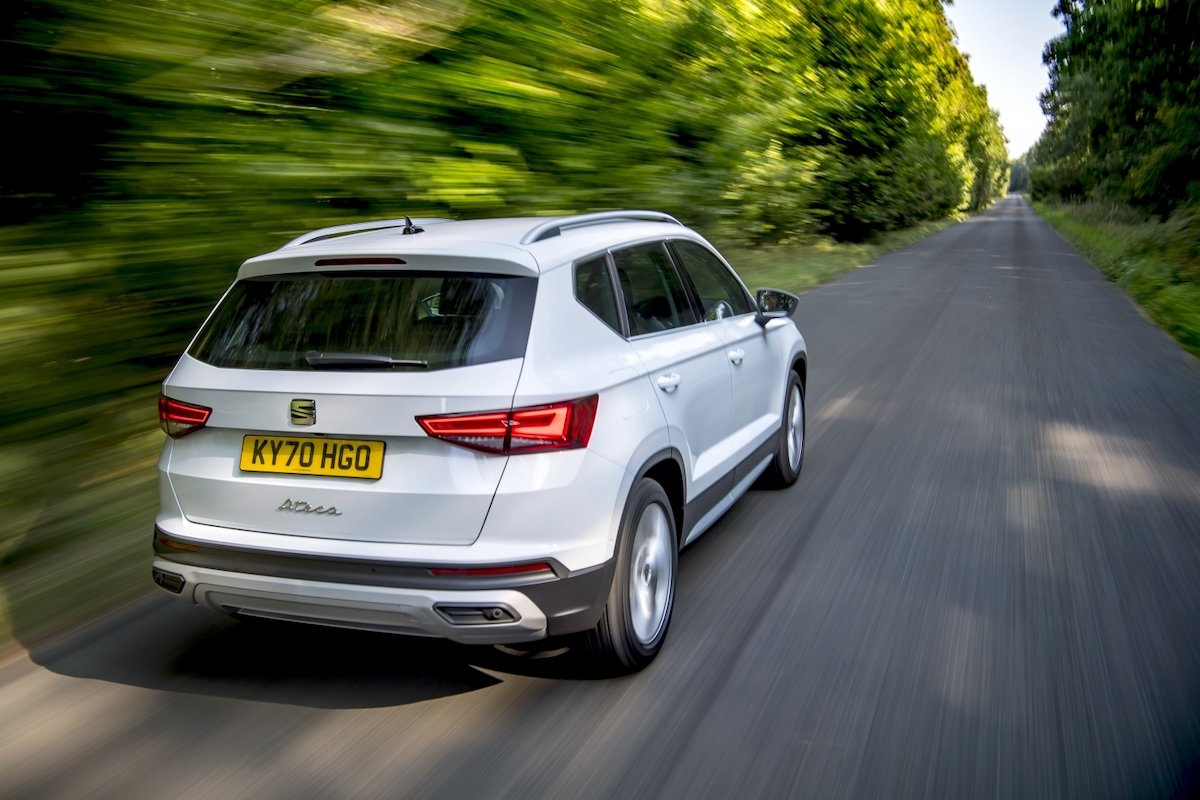
Seat Ateca (2016-2026)
Seat’s first SUV hit the spot. The Ateca is closely related to the Skoda Karoq and VW Tiguan, which came out at about the same time, but to most eyes it’s the best-looking of the bunch. It’s also more enjoyable to drive than just about any other car in the class, if rather firm-riding. Spacious and well-equipped, it’s a great used buy.
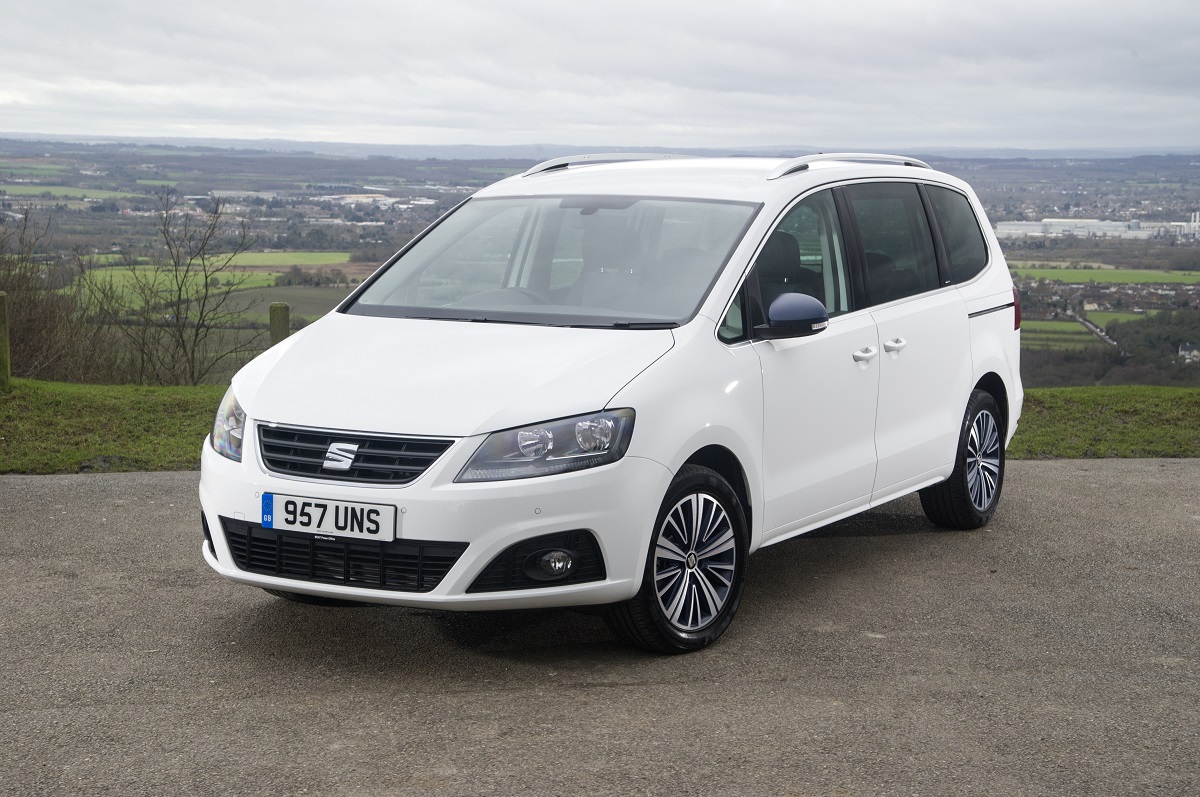
Seat Alhambra Mk2 (2010-2020)
Okay, so we may have derided it earlier for not really meeting the ‘Spanish flair’ brief. But if you’re looking for a car that can seat seven adults in comfort and is surprisingly good to drive, the Alhambra is a standout choice. There are car park-friendly sliding side doors, too, and prices undercut the almost-identical VW Sharan.
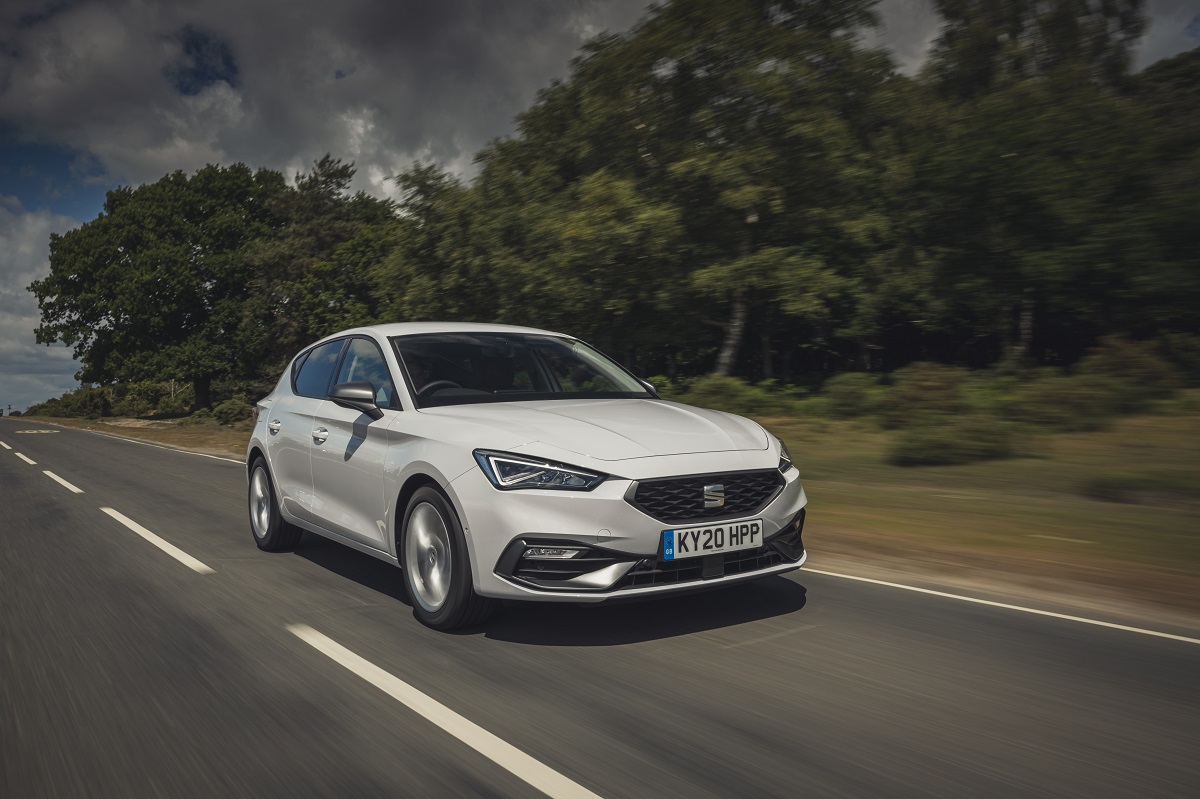
Seat Leon Mk4 (2020-)
The latest Seat Leon is a slightly larger, less youthful proposition than Leons of old, but it remains a great option if you’re looking for a mid-size car with a bit of verve and very reasonable pricing. Hatchback models have impressive rear-seat space and a decent boot, while the estate version is even more practical.
Related Topics: