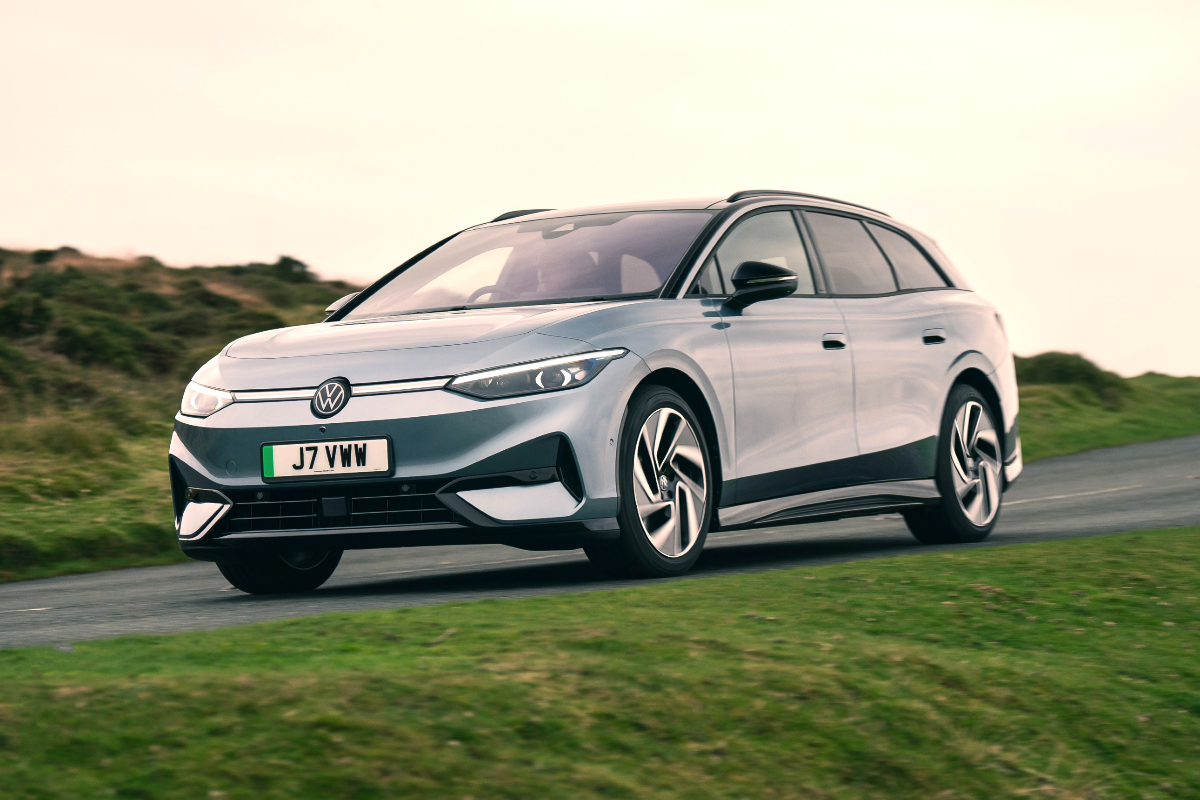
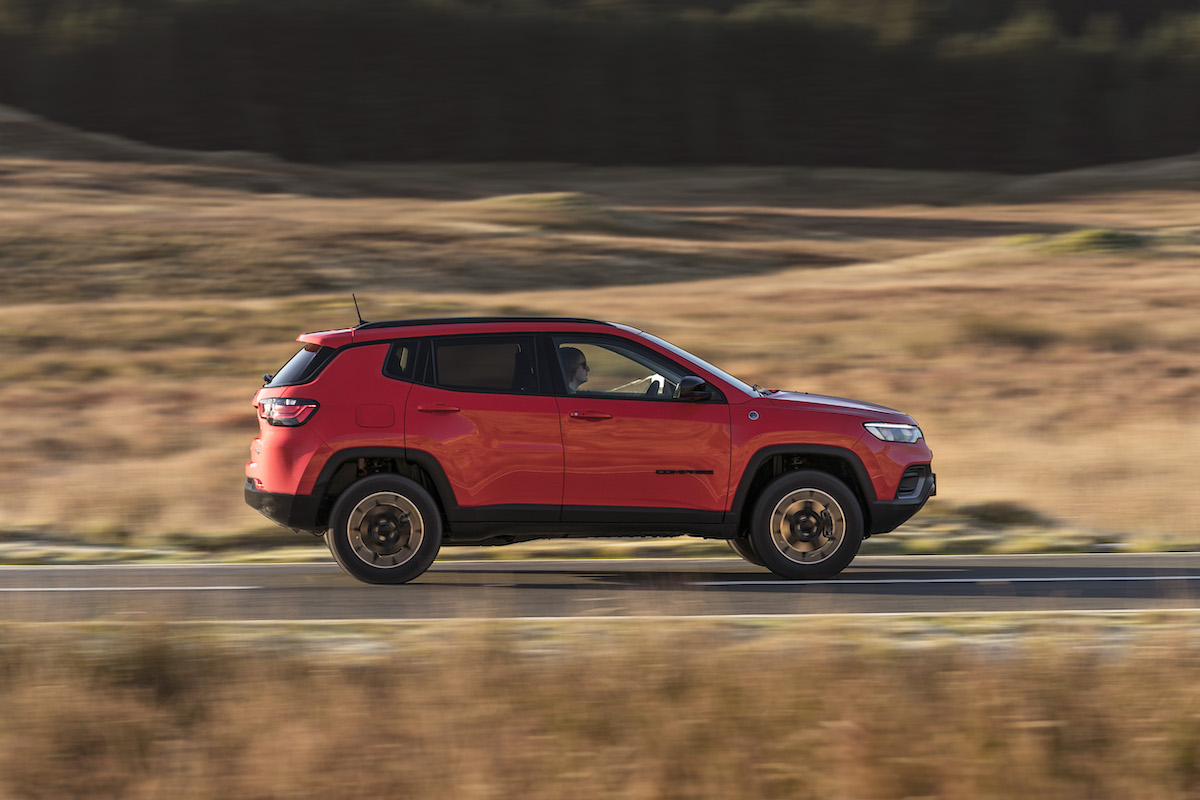
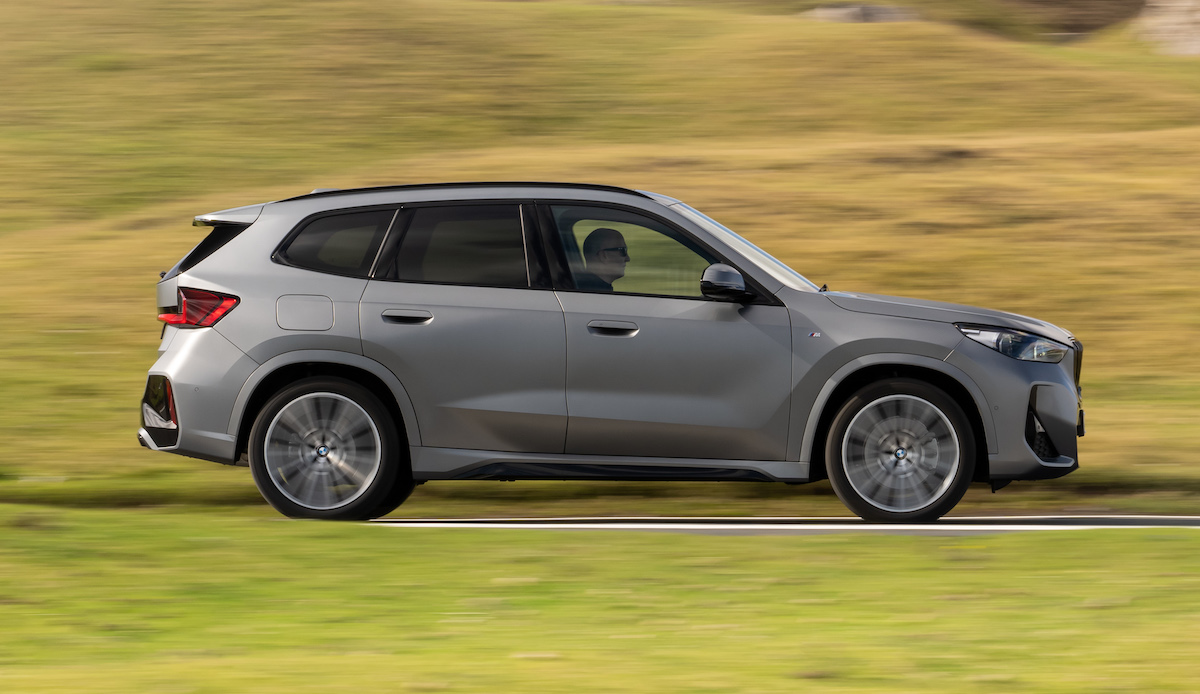
Listen to some people and SUVs are the work of the devil: heavy, polluting beasts that are fouling up our atmosphere, battering our roads and clogging up our car parks. But the shift towards these pumped-up family cars has defined the automotive market over the past twenty years, and it doesn't look like things are about to change any time soon.
So let's look at the facts. Compared with an equivalent hatchback or saloon, SUVs generally do weigh more. And that extra bulk has consequences. Heavier cars cause more damage to roads, and create more tyre- and brake-based particulate emissions. They tend to inflict more damage to smaller cars (and their occupants) in a collision, use more fuel, and emit more CO2.
For all of these reasons, there's a view that there should be incentives for buyers to choose lighter cars — which effectively means penalties for heavier ones. It's a concept that's been kicking around for a while but has recently gained momentum.
Non-heavy metal: The case for lightweight SUVs
The battle against bulk
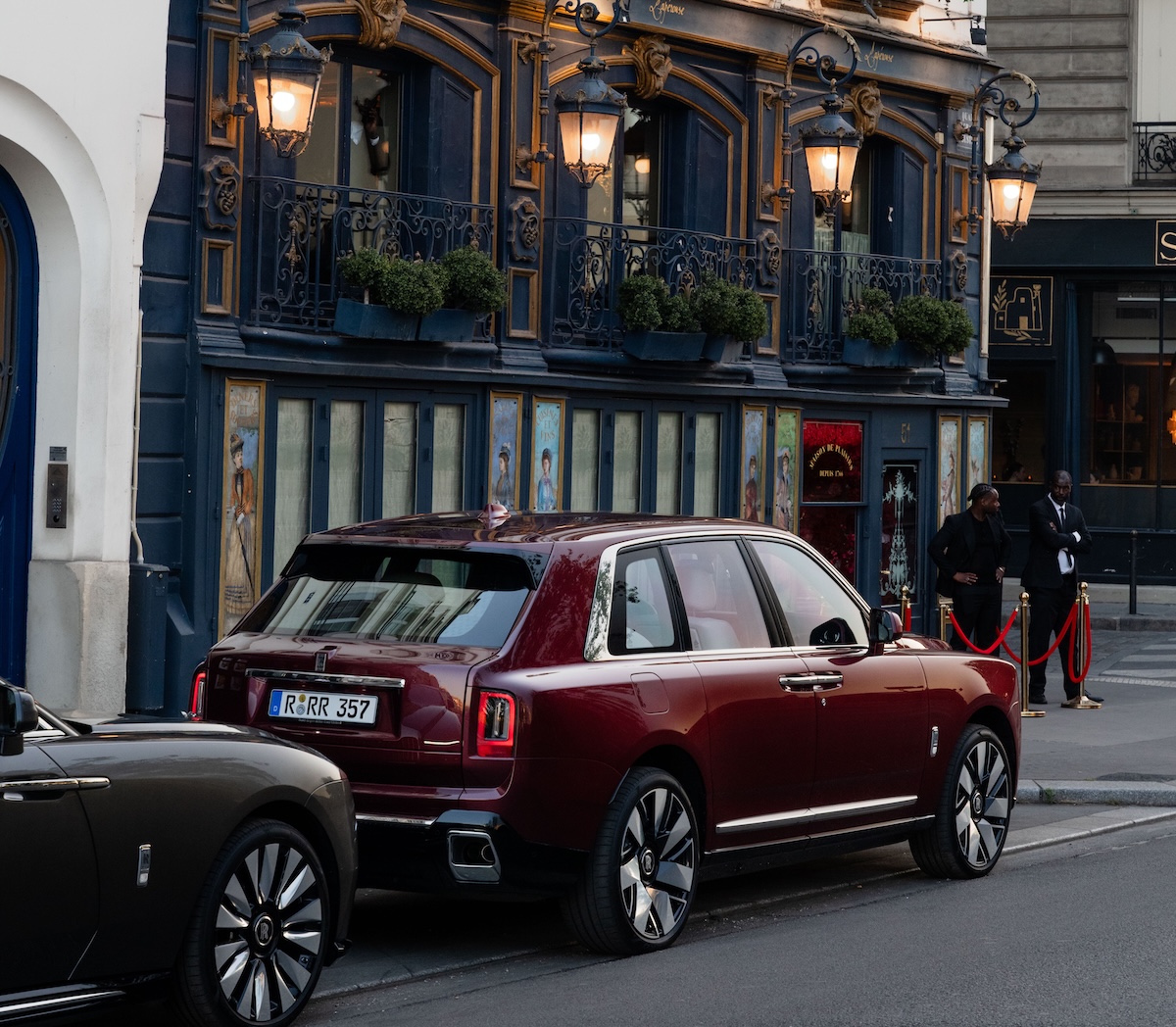
In Norway, a weight-based element has been part of the new-car registration tax calculation for many years. France introduced a similar system in 2022. The poster child for the anti-weight brigade, though, is the parking scheme rolled out in Paris in late 2024. Voted for by residents, it introduced higher rates for petrol, hybrid or diesel cars that weigh 1,600kg or more.
For reference, the average weight of a petrol-powered mid-size hatchback such as a Ford Focus is about 1,400kg, while a large SUV such as a BMW X5 weighs around 2,400kg. The charges apply to non-residents, with the cost for the heaviest cars hiked to €18 per hour – three times the rate for a ‘standard’ car. ‘Trop cher’? Not if you really want to effect a change in buying and driving habits.
The battle against bulk is already underway in the UK. Cardiff Council has approved higher resident parking permit rates for heavier vehicles (albeit with a generous 2,400kg minimum), while other cities across the UK and Europe are considering ways to tackle ‘autobesity’ through localised charges.
More widescale changes could be on the horizon, with independent think tanks The Resolution Foundation and Transport & Environment (T&E) both putting forward weight-based tax proposals.
Nick Molden, CEO of global automotive testing and data company Emissions Analytics, is another influential voice in the debate. He says: “Taxing a car on a combination of its weight and mileage offers a simple, potentially universal approach to pricing-in the environmental impact of cars, while at the same time overcoming the objections to the current mish-mash of incentives and penalties.”
We know that tax changes are coming in the UK anyway. A pay-per-mile system for electric cars is due to be introduced in 2028, and a wholesale rethink of VED – perhaps adding a weight-based element – seems inevitable at some point.
But… not all SUVs are heavy
An increased focus on vehicle weight isn’t likely to dampen our enthusiasm for SUVs in the short term, but here’s the thing: not all SUVs are actually that heavy. Depending on spec, some weigh little more — or even less — than an equivalent hatchback.
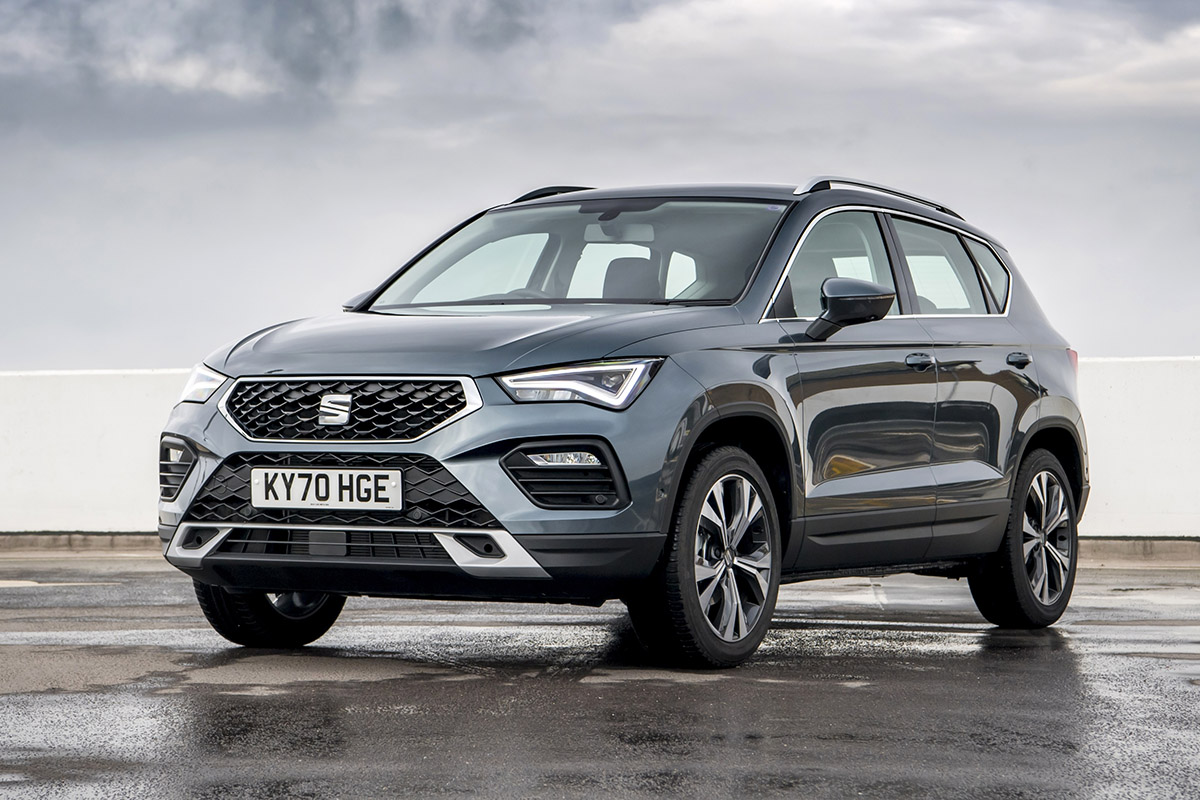
As an example, a new entry-level Seat Ateca — a mid-size family SUV, remember — weighs 1,345kg with its 1.0 TSI petrol engine. The lightest version of the Kia K4 – a mid-size family hatchback, again with a 1.0-litre petrol engine – weighs 1,440kg.
Another case in point: in entry-level trim, the Dacia Duster (another family-friendly SUV) weighs 1,370kg. The most basic Honda Civic hatchback? 1,446kg. And the Civic is more than 20cm longer. So it's clear that labelling all SUVs as monsters is, at the least, misleading.
And how about this for a comparison: in entry-level seven-seat form, the Citroen C3 Aircross weighs just 1,298kg. That's 9kg less than the cheapest petrol-powered Volkswagen Golf (1,307kg). Yep, a seven-seat SUV that’s lighter than a five-seat hatchback.
Okay, so we're cherry-picking here, but you can see that the argument that SUVs are always the heavyweight option is flawed.
Do EVs have a weight problem?
And so to the elephant in the room: electric cars. They're heavy. Some actually do weigh as much as a full-grown elephant. On average, they’re about 400kg heavier than an equivalent petrol or diesel-powered car due to their hefty battery packs. We don’t have space here to debate the ‘well-to-wheel’ emissions of combustion-engined vs battery-powered cars. Or whether, as some experts claim, an EV’s lack of exhaust fumes is countered by higher brake- and tyre-based particulate emissions. There’s clearly a balance to be struck and, as it stands, the extra mass of an EV has been factored into the weight-based tax and parking schemes we’ve mentioned, usually in the form of an extra 400kg allowance.
Is a 2,000kg electric SUV better for the environment than a 1,600kg petrol one? There’s a lot to unpack there, and the answer could partly depend on where the electricity for the EV is coming from.
The lighter way to enjoy SUVs
Most of us probably don’t give much consideration to weight when we’re choosing our next car. But maybe we should. Lighter cars are inherently more efficient, whether they’re powered by a combustion engine, electricity or a mix of the two. And the good news is that there are lighter options out there, even if you want an SUV.
Our top 5 lightweight SUVs
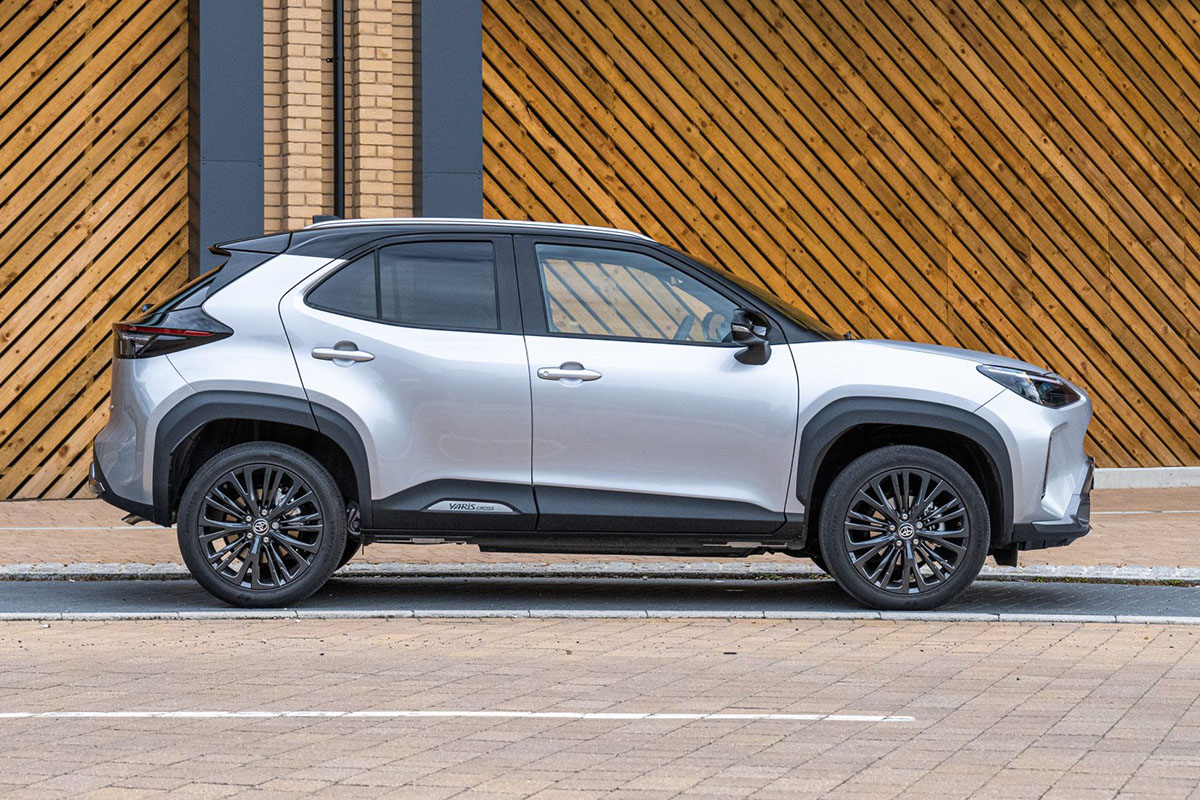 Toyota Yaris Cross
Kerb weight: from 1,190kg
If you want a car that gives you the look and feel of a proper SUV but with minimal weight and environmental impact, the Toyota Yaris Cross could be just what you’re looking for. Incredibly, the lightest version weighs 145kg less than an entry-level MINI Cooper. On top of that, the Yaris Cross is a self-charging hybrid that gives high-50s real-world mpg and can travel short distances on electric power alone.
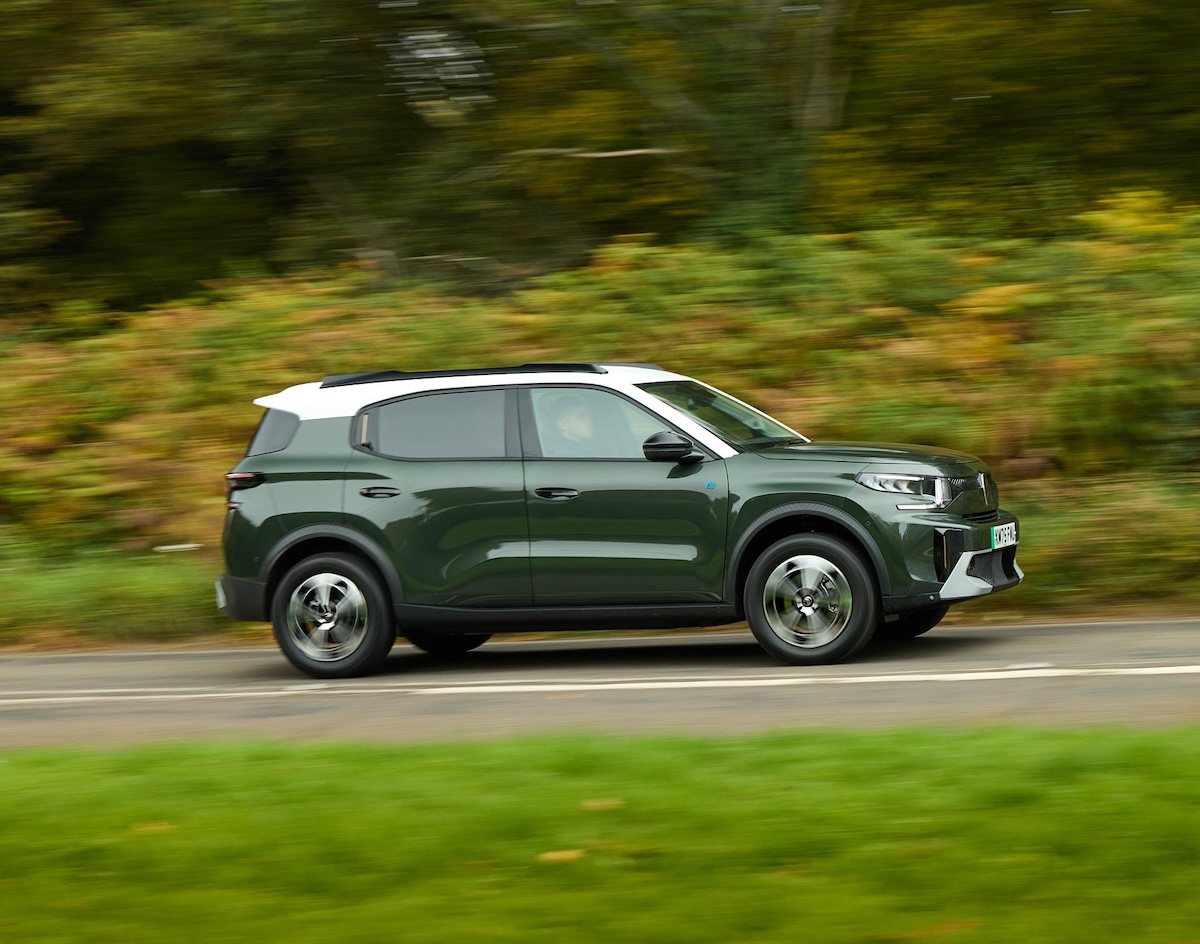 Citroen C3 Aircross
Kerb weight: from 1,228kg (5-seat)/1,298kg (7-seat)
The second-generation Citroen C3 Aircross, introduced in 2024, is remarkable not just for its low weight, but also for its low prices. It’s incredible value as a five-seater and even more so as a seven-seater, but bear in mind that space in the third row is extremely limited. Stick with five seats and you can also choose the E-C3 Aircross – one of the lightest electric SUVs around.
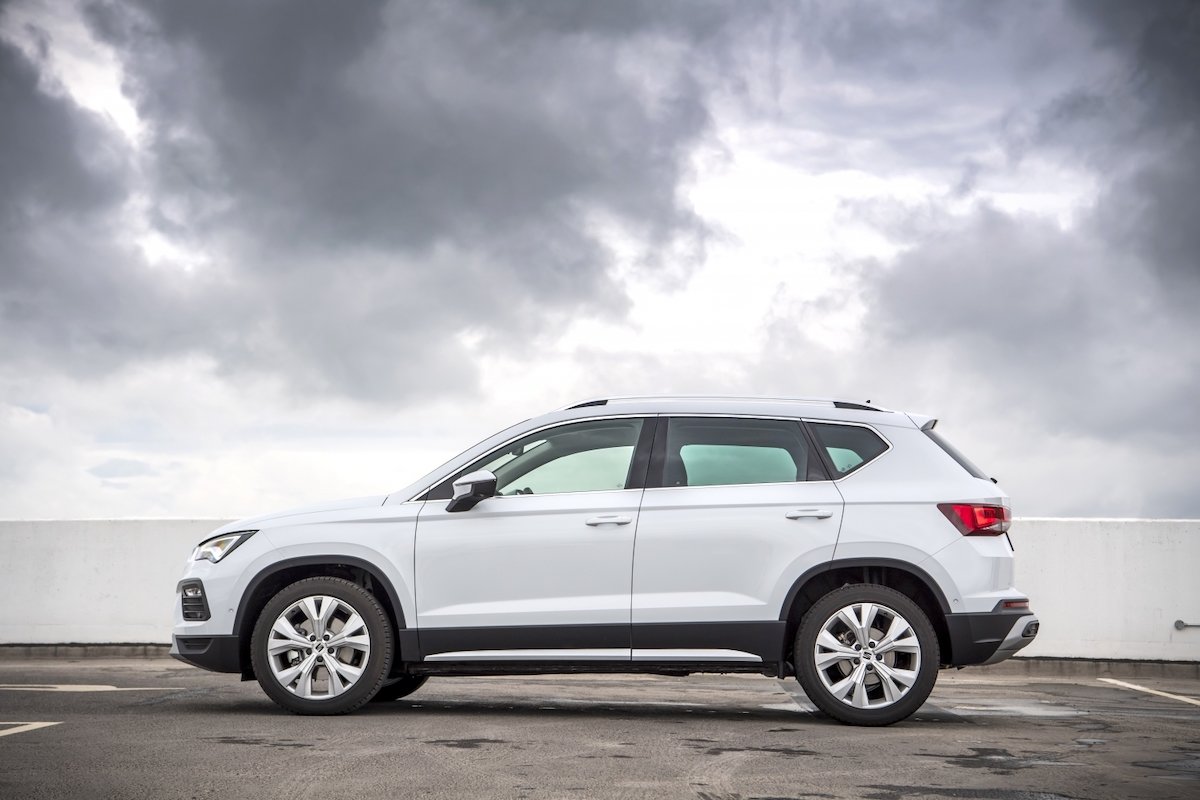 Seat Ateca
Kerb weight: from 1,345kg
It was introduced way back in 2016, but the Seat Ateca remains one of the lightest new mid-size SUVs you can buy. For minimum mass you need the base-spec 1.0-litre petrol model, but that’s no hardship since it’s well-equipped and usefully nippy. The closely related Skoda Karoq weighs just 25kg more in base trim; it’s very similar to the Ateca overall, but has a more cushy ride, classier interior and slightly higher price.
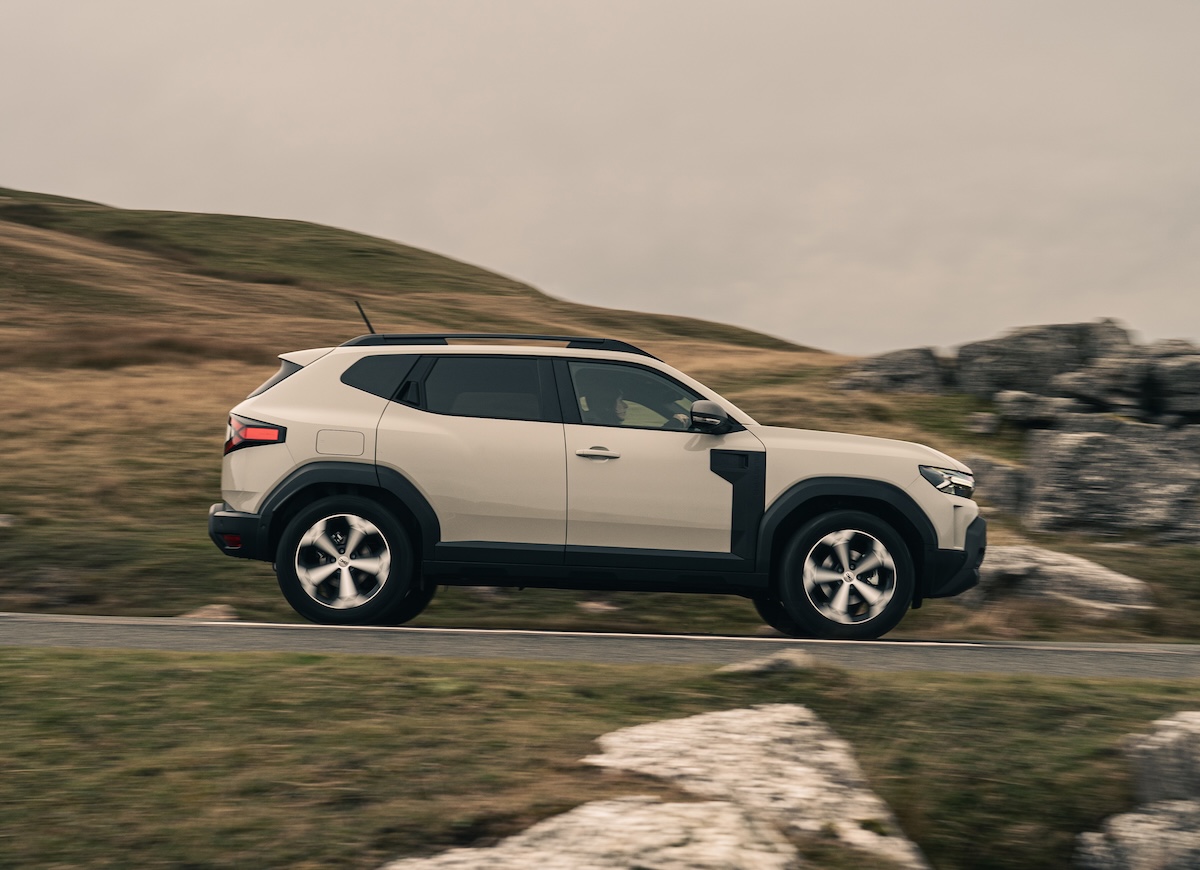 Dacia Duster
Kerb weight: from 1,370kg
As you might expect of a car famed for its back-to-basics approach, the Dacia Duster weighs less than most rival cars yet it’s a rugged and practical option. Opting for four-wheel drive only adds 60kg, too, while upgrading to hybrid power adds 77kg. Either way, the Duster remains a comparative featherweight.
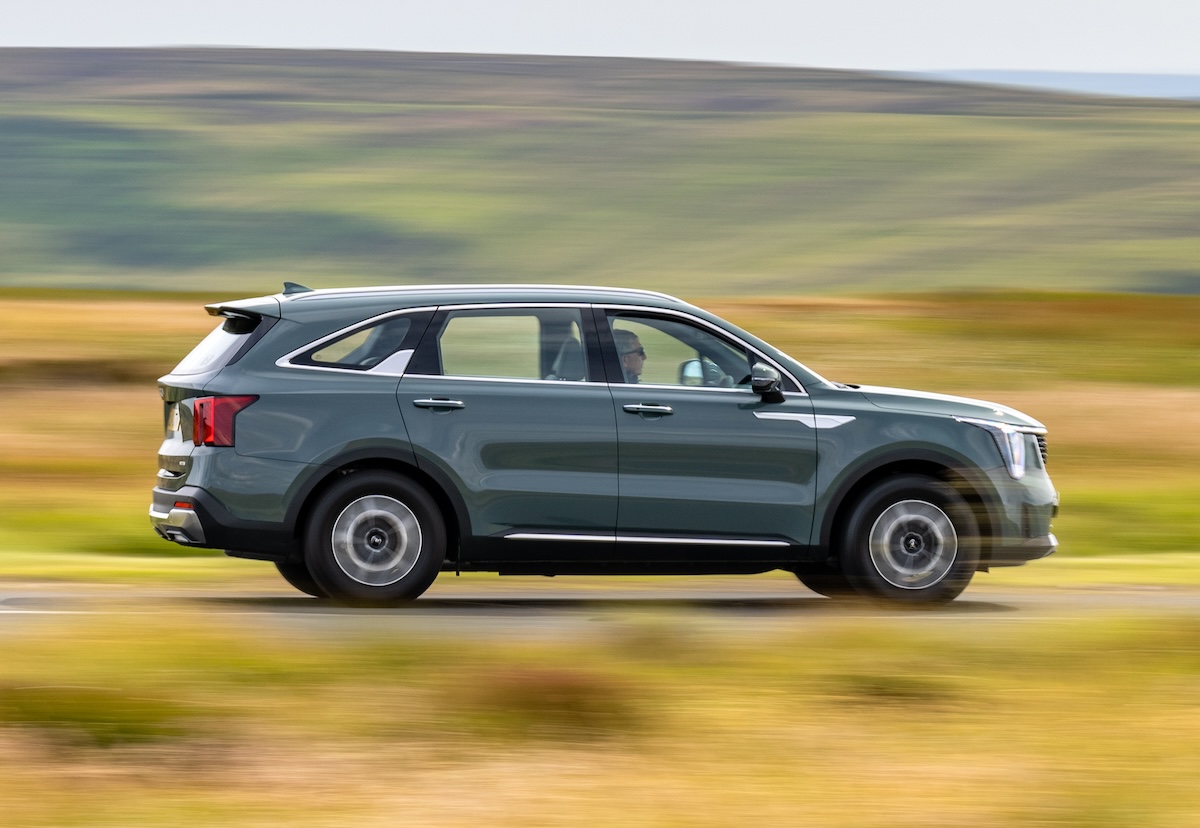 Kia Sorento
Kerb weight: from 1,929kg
Okay, so at nearly two tonnes the Sorento is hardly light on its wheels. The least-heavy version weighs 151kg less than the lightest Volvo XC90, however, and it's a big, classy family car that can transport seven people in comfort. So you could argue that it’s environmentally friendly in the sense that you might only need one car for a day trip to the seaside instead of two.
Related Topics: