Dacia Duster 2026 review | The value-first family SUV
Dacia Duster cars for sale
4.0
Expert review
Pros
Great value compared to similarly sized rivals
Thoughtful practicality with generous boot space
Efficient hybrid powertrain option
Cons
Refinement still falls short of mainstream competitors
Interior materials remain utilitarian
Engine noise intrusive with hybrid powertrain

The CarGurus verdict
The 2025 Dacia Duster has grown up without completely losing its original identity or charm. Sure, this generation of Duster isn’t as cheap as the original, and for some owners that will certainly sting. But to a certain extent, it does maintain the value proposition that made the original so popular, and delivers this in a much more sophisticated package. While still not matching mainstream rivals for refinement or luxury, the gap has narrowed, while the price advantage remains substantial.
For pragmatic buyers who are prepared to overlook an interior that is functional rather than plush, and who don’t mind the sometimes basic technology setup, the Duster makes a compelling case for itself. It's no longer just about being the cheapest option – it's a genuinely good car with an appealing, rugged character. And it also happens to represent excellent value.
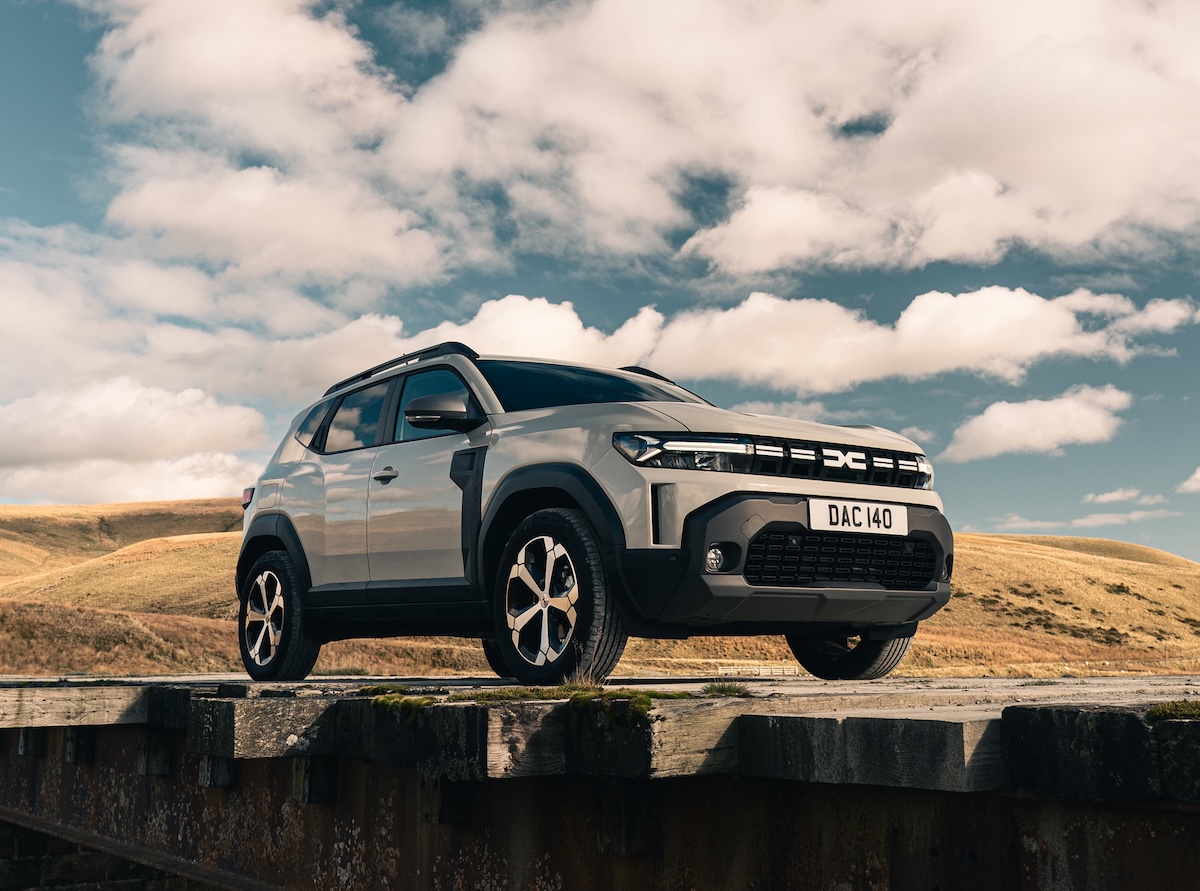
The Dacia Duster is positioned as the Romanian, Renault-owned brand's rugged, affordable SUV offering. At 4.3 metres long, it sits in the ultra-competitive small SUV segment, offering a blend of practicality and value that has become Dacia's hallmark.
The Duster competes with the likes of the Ford Puma, Nissan Juke, Renault Captur and Skoda Kamiq, but typically undercuts them all on price. Starting from just under £22,000, it's no longer as unbelievably cheap as it once was (the original Duster started from just £9,995 in 2013, which is still remarkable even after you adjust for inflation), but it delivers considerably more refinement and equipment.
The powertrain line-up was adjusted slightly at the end of 2025. There’s a 1.2-litre, three-cylinder mild hybrid petrol with 138bhp, or you can go for the range-topping 1.6-litre, four-cylinder full hybrid with 153bhp. There’s also a slightly older 128bhp 1.2-litre three-cylinder mild hybrid engine, which is offered with all-wheel-drive.

How practical is it?
You’d want to look at the larger Dacia Bigster for outright space (as the name suggests, it’s the largest Dacia on sale), but the Duster delivers impressive practicality given its compact dimensions.
Boot capacity varies by powertrain. Both the 153bhp and 138bhp cars have 594 litres of boot space with the rear seats up and 1,696 litres with them folded down. The 128bhp AWD car’s boot is slightly smaller, measuring 558 litres or 1,648 litres with the seats laid flat.
The Dacia Duster is a strict five-seater (go for a Dacia Jogger if you need seven seats), and rear passenger space is adequate rather than generous. Six-foot adults can fit comfortably with sufficient headroom, though legroom is more limited. Under-seat foot space is plentiful, though, and the car’s wide-opening doors aid access. Three adults can squeeze across the rear bench, although it would start to feel tight on longer journeys.
The cabin features thoughtful touches like USB-C charging ports for rear passengers on higher trim levels. Visibility is good looking forward over the distinctive ridged bonnet, but thick windscreen pillars and limited over-the-shoulder visibility make the standard reversing camera and optional blind-spot monitoring particularly valuable additions.
Compared to rival compact SUVs such as the Nissan Juke, the Duster offers more boot space and similar accommodation for passengers, although it lacks some of the more premium interior finishes found in pricier competitors.
There are a few options available that further enhance the Duster’s practicality. These include engine underbody protection for a reasonable £149, for example, or the £569 Touring Pack that adds roof bars and a 390-litre roof box. Similarly, a roof-mounted bicycle rack costs £462.
For ultimate practicality, you could opt for one of a number of options available from the Dacia ‘InNature’ range. There’s a Camping Pack, which adds a tailgate tent and interior blackout blinds. Or the Sleep Pack essentially turns the car into a miniature camper – it’s yours for £1,740.

What's it like to drive?
The Duster driving experience represents a significant improvement over previous generations. While early Dusters were known for their somewhat vague handling and bouncy ride, the new model feels much more tied down and secure on the road.
The engine line-up is different now compared to when this generation of Duster was launched in 2023. The 1.0-litre three-cylinder engine that could run on regular petrol or LPG (liquefied petroleum gas) has gone from the UK range. And the previous ‘Hybrid 140’ has been replaced with the Hybrid 155 (the numbers represent metric horsepower, which is slightly different to the brake horsepower figure we use). Also the mild hybrid 130 has been joined by the mild hybrid 140, which is a new generation of three-cylinder engine.
Starting with the top spec Hybrid 155, this combines a four-cylinder, 1.6-litre engine with two electric motors (a 48bhp motor and a high-voltage starter generator), a 1.4kWh battery and an automatic electric gearbox. There are four gears for the engine and two for the electric motors, as there’s no regular clutch. The car is front-wheel drive.
The combined system delivers adequate performance. With 153bhp in total, 0-62mph takes 9.4 seconds and the top speed is 112mph, improvements on both counts compared to the old Duster full hybrid. The car always sets off on electric power, contributing to an impressive fuel economy figure of 61.4mpg: an eight per cent improvement over the outgoing car.
The Duster 140 has 138bhp, courtesy of its 1.2-litre three-cylinder engine and 48V mild-hybrid system, which is paired with a six-speed manual gearbox. Delivering 52.3mpg, 0-62mph is also dispatched in 9.4 seconds. The Duster 130 meanwhile, with its older 1.2-litre engine, achieves a fuel economy figure of 46.3mpg, with the 0-62mph sprint over in 11 seconds. It comes with a manual gearbox and all-wheel drive.
Ride quality is generally good enough by class standards (and a revelation compared with older Dusters), albeit slightly fidgety at lower speeds. Handling is safe and secure rather than engaging, with the Duster turning into corners predictably. Road and wind noise become quite noticeable at higher speeds, no doubt highlighting where some compromises have been made to achieve the price point.
The four-wheel-drive Duster with the older powertrain does deserve special mention for its genuine off-road capability. With 200mm of ground clearance, competitive approach and departure angles, and a low kerb weight of 1,436kg, it has much more off-road ability than most competitors in this class.

Technology, equipment & infotainment
There are three models to choose from: Expression, Journey and Extreme. A 10.1-inch touchscreen infotainment system is standard across the range, and while it looks somewhat basic and can be slow to respond, it does include Apple CarPlay and Android Auto smartphone connectivity. The reversing camera suffers from a low resolution, although again its presence is appreciated, particularly given the Duster’s limited rear visibility. Physical controls for the heating and ventilation are another nicely practical touch.
Earlier versions of the Duster were available in Essential trim, which swapped the touchscreen for a Bluetooth streaming unit and mobile phone holder, but this model has been dropped from the UK range. It also had analogue dials rather than the 7.0-inch digital instrument display all models now feature.
The Expression model comes with 17-inch alloys, the central touchscreen (without in-built navigation) and rear parking sensors. Jump up to the Journey version and you’ll get sat-nav, 18-inch wheels, electric folding mirrors, front and rear parking sensors, a multi-view camera and automatic air conditioning. At the top end, the Duster Extreme features heated front seats, a heated steering wheel and standard roof bars.
Another neat touch is that the Duster benefits from Renault's ‘My Safety Perso’ system, allowing drivers to save their preferred safety settings with a single button-press. It’s a thoughtful feature that prevents potentially annoying safety warnings from activating when they're not wanted.
Lane-keep assist, traffic sign recognition, forward collision warning, tiredness alert, cruise control and hill-start assist are all standard across the Duster range. Be aware, however, that should you want any colour other than Glacier White you’ll need to stump up and extra £640, which feels a bit mean-spirited.
Material quality throughout the cabin is utilitarian rather than premium, with hard plastics dominant. Yet this fits with the Duster's positioning as a practical, no-nonsense vehicle. The build quality is certainly more substantial than in Dacias of old, with nothing feeling particularly cheap or flimsy.
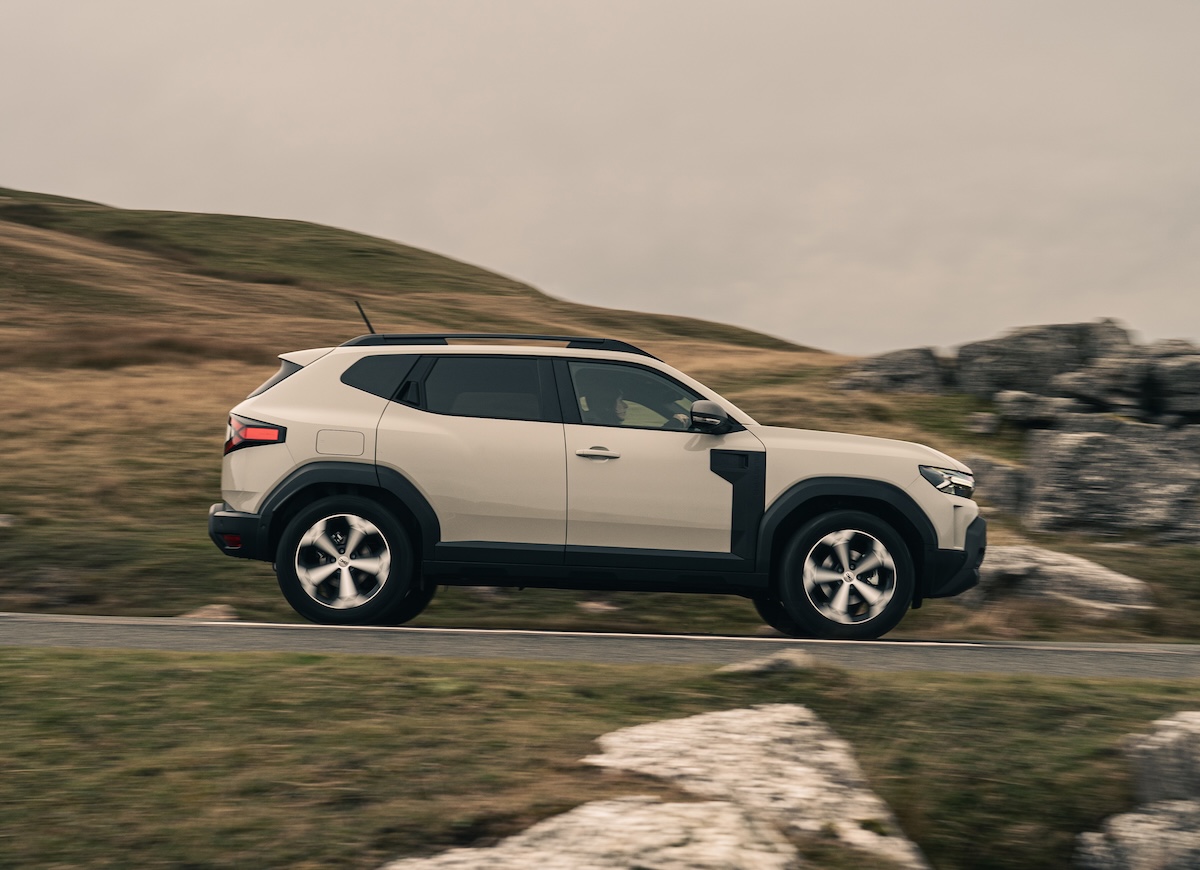
Dacia Duster running costs
While the Duster’s purchase price has increased substantially over the years, it still undercuts mainstream SUV rivals by thousands of pounds, making the overall ownership proposition very attractive. This is reflected in low monthly finance costs, too.
Not only that, the Duster excels in keeping running costs low. The new full-hybrid model achieves 61.4mpg in the official test, making it very economical for a vehicle of this size. Both of the mild hybrids aren’t too far behind, either, although the older 128bhp version is the least advanced of the bunch.
The Duster's straightforward nature and relatively modest performance should also help to keep insurance costs modest.

Dacia Duster reliability
While specific reliability data for the newest Duster isn't available yet, Dacia as a brand has performed well in reliability surveys, ranking joint 11th alongside Peugeot in the most recent What Car? Reliability Survey. Admittedly, this is a drop from sixth in 2024, but is ahead of its parent company Renault in 20th. Rivals such as the MG ZS, Ford Puma and Nissan Juke fared considerably worse: in 31st, 32nd and 38th places out of 38 cars in the small SUV category, respectively.
The standard new-car warranty on the Duster runs for three years or 60,000 miles, whichever comes first. But in April 2024, Dacia introduced its ‘Dacia Zen’ extended warranty programme, which means that each time you have your car serviced at one of its dealers it’ll add another 12 months or 18,000 miles worth of warranty cover. You can keep doing this up until the car is seven years old or has covered 75,000 miles. With that kind of reliability record and generous warranty cover, owning a Duster shouldn’t give you too much cause for concern.
- The Duster features an innovative exterior cladding called ‘Starkle’ that contains up to 20 per cent recycled materials. It's dyed rather than painted, theoretically making scratches less visible, although we still noticed some marking.
- The Duster is no longer Dacia’s largest SUV. The newer Bigster has taken over that role, offering a similarly value-led approach but with even more passenger and luggage space.
- One area where Dacia has historically lagged behind rivals is safety, and the latest Duster is no different. It scored three out of five stars in Euro NCAP’s industry-standard crash tests, where most of its rivals earn four or five stars. No one particular area let the Dacia down; it simply scored below its competitors across most categories.
- If you want the cheapest: That’ll be the Expression trim with 138bhp, 1.2-litre mild-hybrid powertrain, which is priced from £21,845 at the time of writing. It’s unlikely you’d feel like you were missing out on much by going for the Expression rather than the fancier Journey or Extreme models. Indeed, the model range is fairly flat in terms of what equipment is offered between trim levels.
- For the best performance and economy: The best of the bunch here is the 153bhp, 1.6-litre full hybrid. It’s quick enough and is the most economical car in the whole range. You’ll just have to pay at least £25,095 for the privilege.
- If you want to go off-road: There’s only one option really – the mild-hybrid 128bhp model for £24,095. With all-wheel drive and a six-speed gearbox, it reminds us in some ways of the old Skoda Yeti. Its simple, all-wheel drive, can-do character has become a rarity in small, supposedly go-anywhere family cars.
- If you want all the toys: Because you’re not limited in your combination of engine to trim levels, you can pick any engine you want and go for a fully loaded Extreme model. As we’ve said, it’s not a huge step up from the Duster Journey or entry-level Expression, but it does have the most equipment of the lot.


