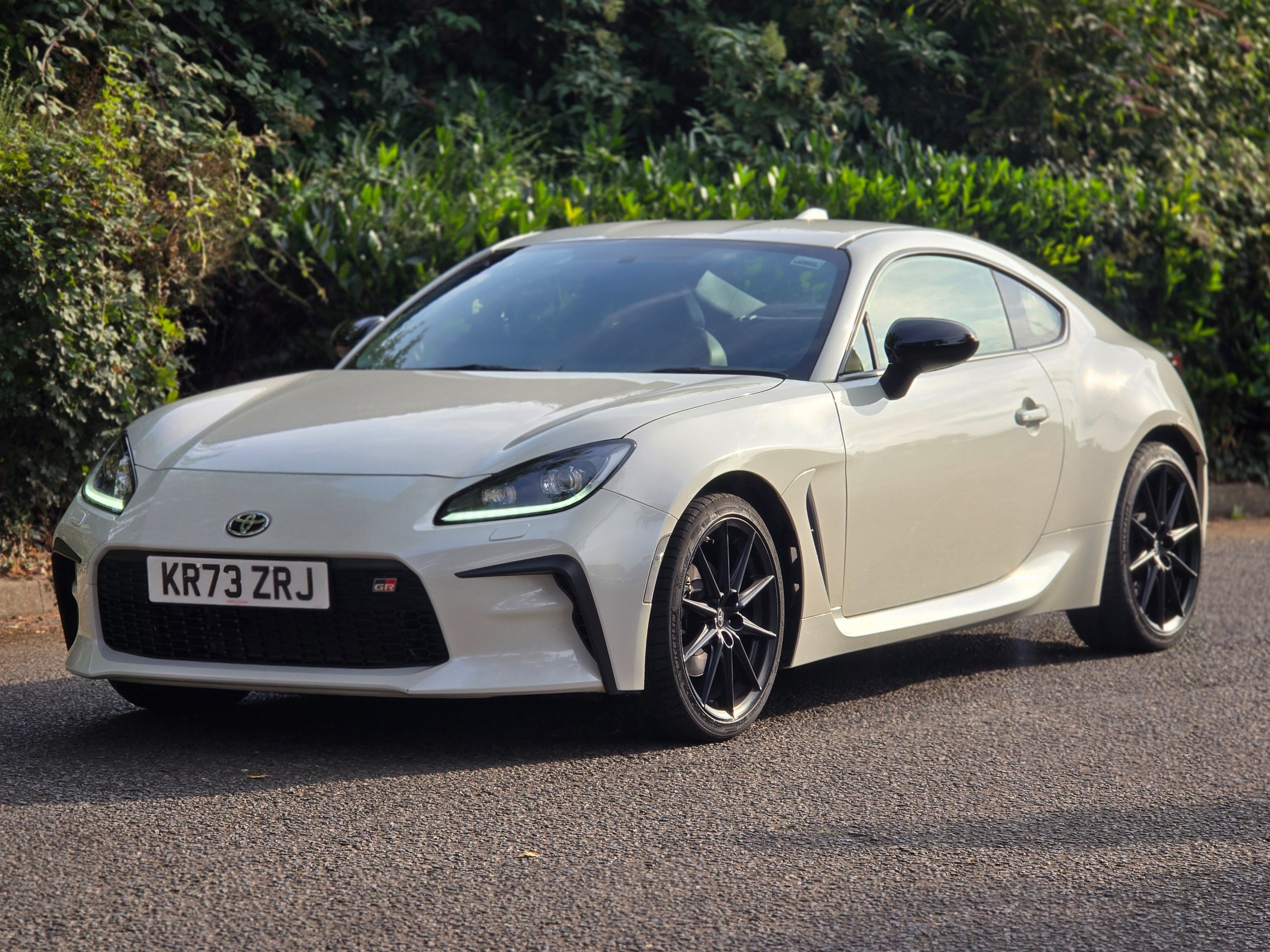
When it was launched back in 2012, the Toyota GT86 perhaps didn't have quite the impact of the Mazda MX-5's launch back in the 1980s. However, this back-to-basics boxer-engined sports coupe was certainly a similar breath of fresh air in a motoring landscape full of hyped-up hot hatches.
And yet the idea of a pretty coupe with a focus on accessibility rather than having the highest engine power outputs wasn't a new idea... General Motors had tried something remarkably similar back in the 1960s with the Opel GT...
Toyota GT86 and Opel GT: Automotive Reincarnations
- Toyota GT86: Usable and Fun
- Toyota GT86: A Concept With Many Predecessors
- 1968: The Opel GT Arrives
- Toyota GT86 and Opel GT - Both Built With Outside Help
- Toyota GT86 vs Opel GT: Affordability
- Toyota GT86: Classic or Modern
- Toyota GR86: More Modern Still
Toyota GT86: Usable and Fun
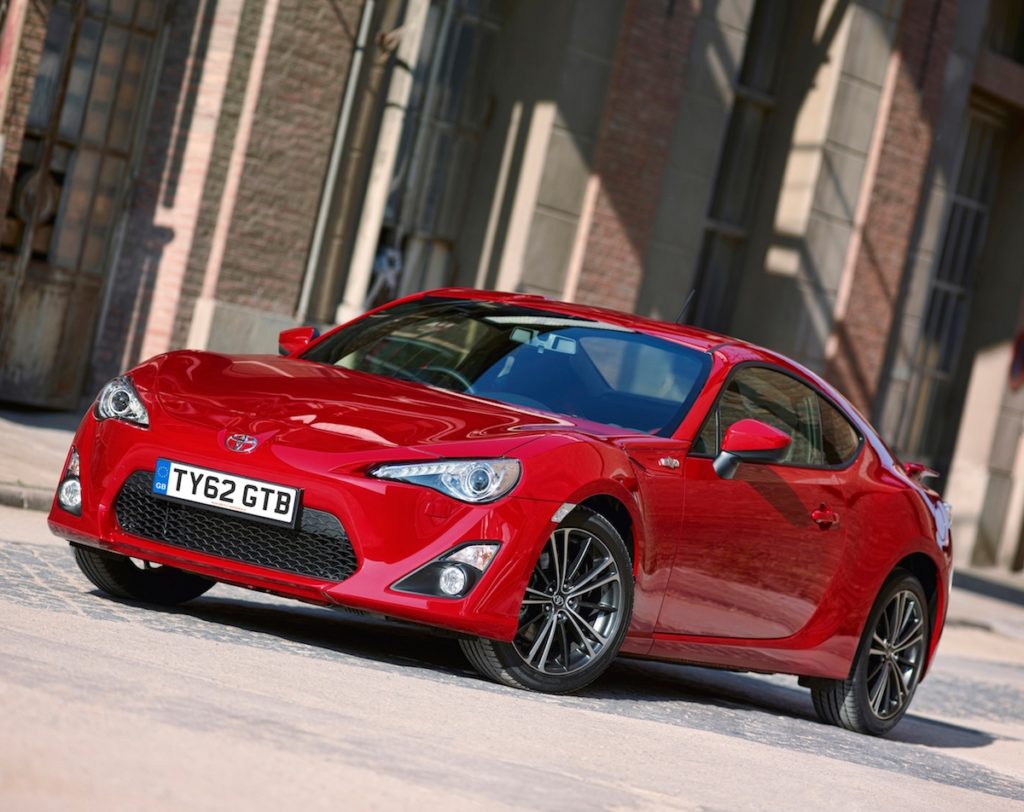
The Toyota GT86 has long been the go-to choice for those seeking a fun, affordable and reliable fixed-roof sports car. It has all the key features that many driving enthusiasts seek, after all: namely a manual gearbox, a naturally aspirated engine, rear-wheel drive, slick steering and a low kerb weight.
It’s also a comparatively small car, making it easier to manoeuvre and less imposing on those tighter, more challenging routes. Furthermore, it’s not excessively powerful; its 2.0-litre boxer engine puts out 197bhp, all of which can be easily enjoyed without fear of immediately obliterating your licence or putting the Toyota through the nearest fence.
Not that the Toyota GT86 is particularly slow, given that the sub-1,300kg coupe can dispatch the benchmark sprint in a suitably swift 7.6sec. Additionally, when the speed limit drops and you ease off, the Toyota will sip fuel at a bank account-friendly rate. Its impressive economy, in conjunction with low running costs, means you can again enjoy it to its fullest – and on a more regular basis – with few concerns.
Toyota GT86: A Concept With Many Predecessors
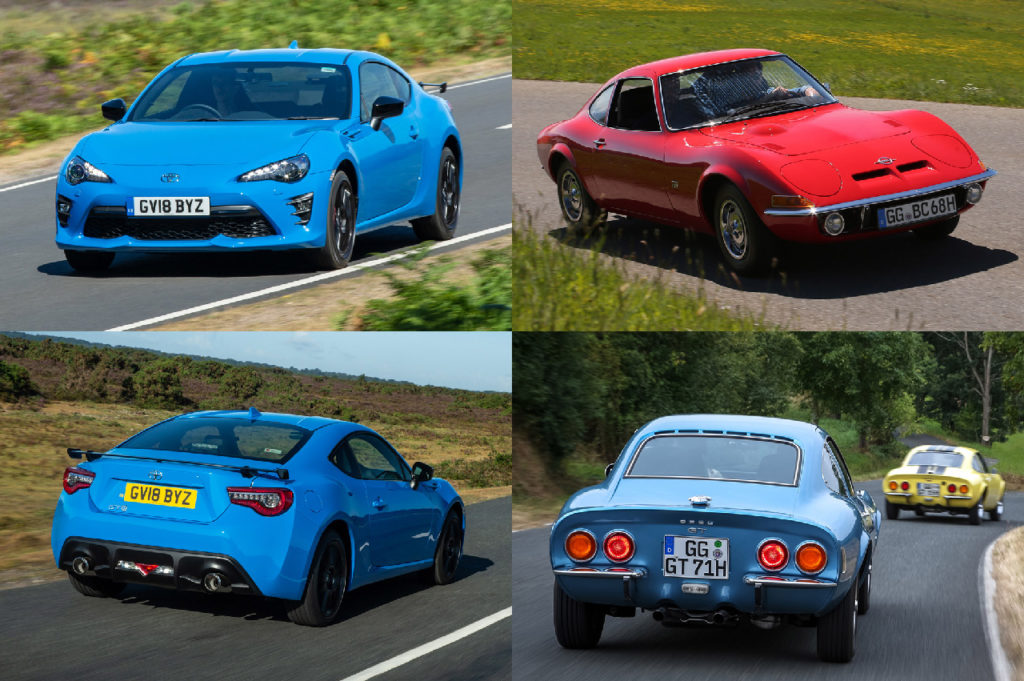
The concept of sensibly priced and fun sports cars is far from a new one. For decades, companies both small and large have been producing accessible and entertaining machines that are designed to offer big grins to those not on vast budgets.
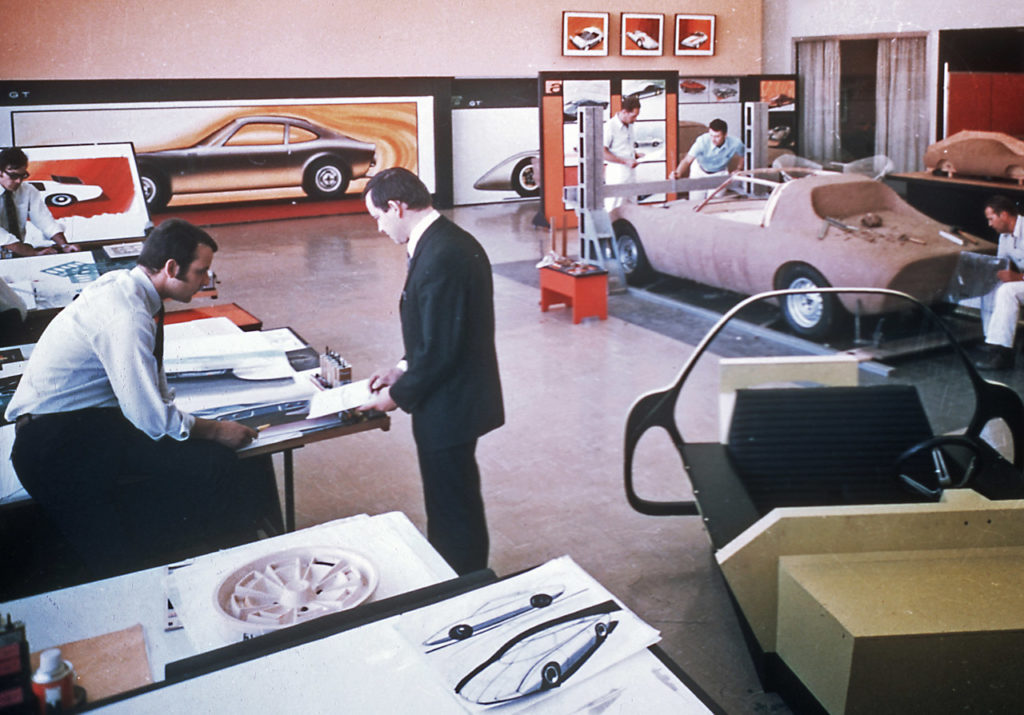
Back in 1964, for example, Opel had just opened what was claimed to be the first ‘true, modern design studio’ in Europe. Just one year later, at the Frankfurt Motor Show, it unveiled its first concept, a svelte coupe called the Experimental GT.
1968: The Opel GT Arrives
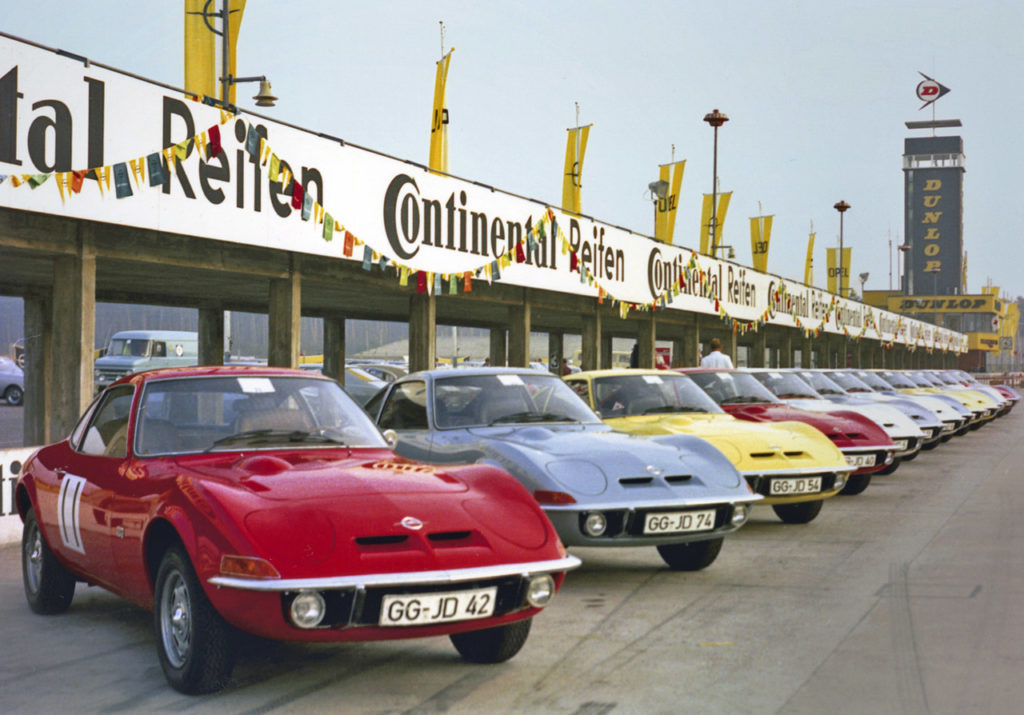
The two-seat concept was just a styling experiment but, following a tremendous reception from Opel’s management and the public alike, a production version was given the green light. To help keep costs and complexity down, the new coupe would be based primarily on Opel’s Kadett B compact car; it would also be offered with straightforward four-cylinder engines, again from Opel’s existing line-up, which would drive the rear wheels via a manual or automatic transmission.
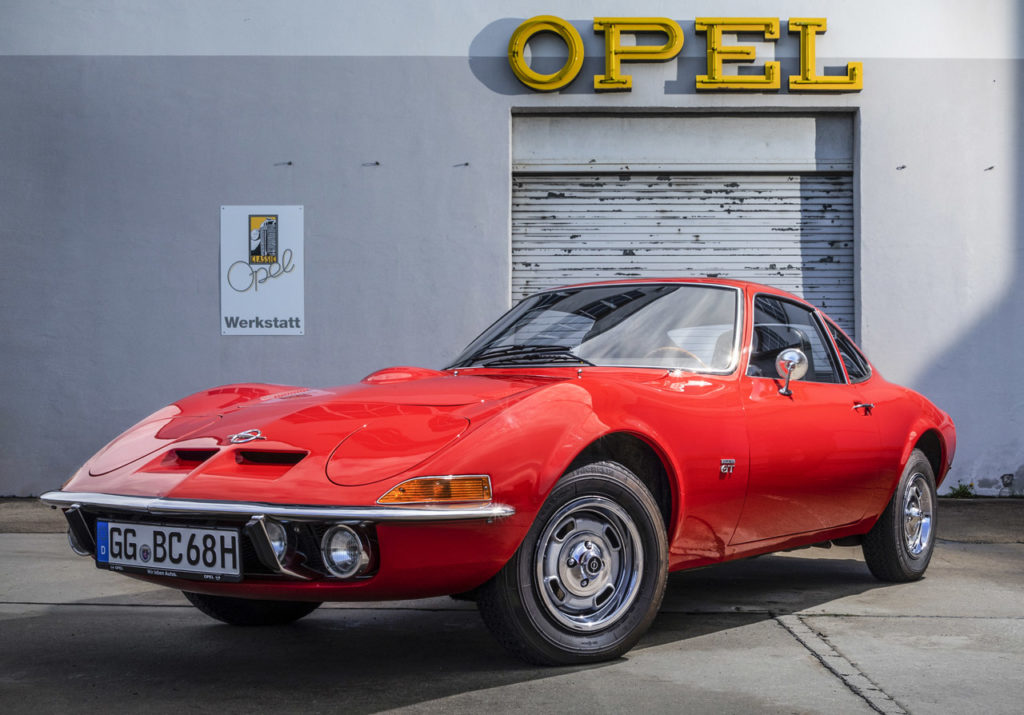
Remarkably, the stylish exterior of the production car – dubbed simply the ‘GT’ – would remain close to that of the concept. Bucket seats and plenty of instrumentation upped the excitement inside, while features such as three-point safety belts made the compact Opel safer and more pleasant to live with.
Buyers of the left-hand-drive GT could initially opt for a 1.1-litre four-cylinder petrol engine that produced 59bhp, or a 1.9-litre four-cylinder engine that produced a more substantial 89bhp. It was the latter that would prove most popular, unsurprisingly; so equipped, the GT weighed 960kg and was capable of 0-62mph in 11.5sec.
Toyota GT86 and Opel GT - Both Built With Outside Help
Although not jointly developed, as was the case with the Toyota GT86 – which was the product of a collaboration with Subaru – a lot of outside help was called upon to put the GT together. The French coachbuilders Chausson and Brissoneau & Lotz were responsible for a substantial chunk of the Opel’s production; Chausson would stamp and assemble the body, then Brissoneau & Lotz would paint, finish and trim the GT’s shell. Afterwards, Opel would complete the final mechanical assembly at its plant in Germany.
In the US, where the car was a sales hit, the Opel cost almost 30 per cent less than a Corvette. In the UK, the entry-level version of the GT would cost around £2,000 in 1970, which was admittedly more than alternatives from Triumph or MG, but far less than some cars from Lotus or Jaguar.
Toyota GT86 vs Opel GT: Affordability
Although the Opel GT was only in production from 1968 to 1973, a grand total of 103,463 rolled off the production lines in that relatively short timeframe. Such figures were testament to how attractive the Opel’s blend of price, performance and styling had proven; for comparison, MG sold a total of 68,738 of its GT coupes in the same five-year period.
Thanks in part to the fact that so many were built, good Opel GTs remain a comparatively affordable used buy. At the time of writing, projects are often available for under £10,000, while smart GTs can be picked up at auctions for around £20,000 – which is about the same price band as the Toyota GT86 sits in.
That being said, not many Opel GTs made it to the UK, so going for a Toyota GT86 will give you far more choice.
Toyota GT86: Classic or Modern?
You don’t have to spend a tremendous amount if you’re smitten with the idea of buying one of the neat little classic Opel coupes. It might not have a lot of power, but an immaculate Opel GT would no doubt be a more rewarding and enjoyable alternative to a similarly priced coupe of a similar vintage, which would likely be more powerful, but also far tattier.
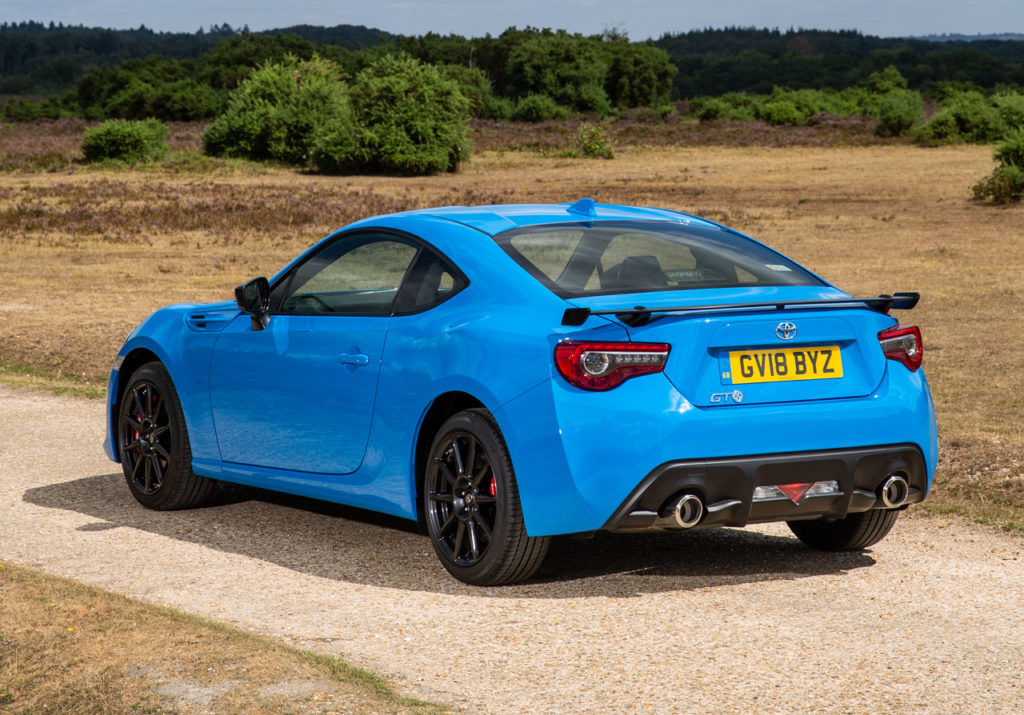
If you’re just looking for turn-key fun, however, then a modern sports car such as the Toyota GT86 is a better choice. It might be a little bigger and noticeably heavier, but it’ll offer similarly pure and easily enjoyed motoring, with none of the drawbacks of a classic car.