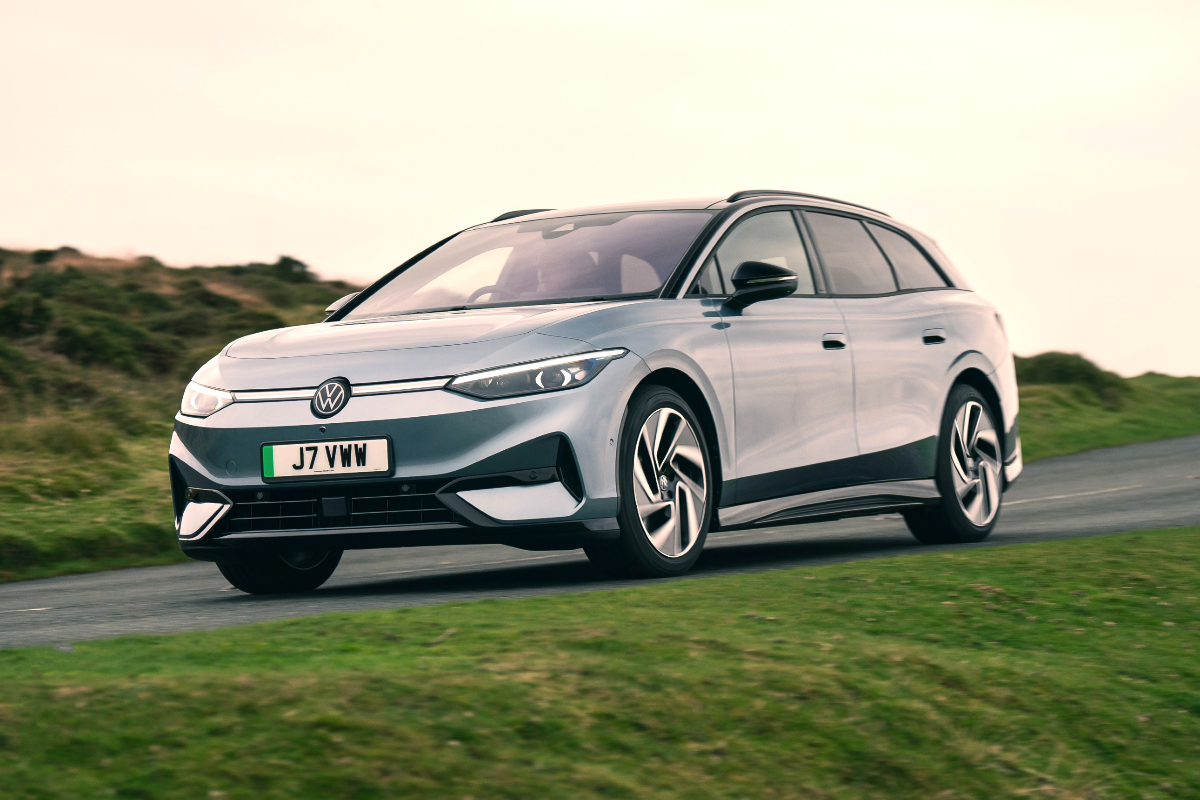
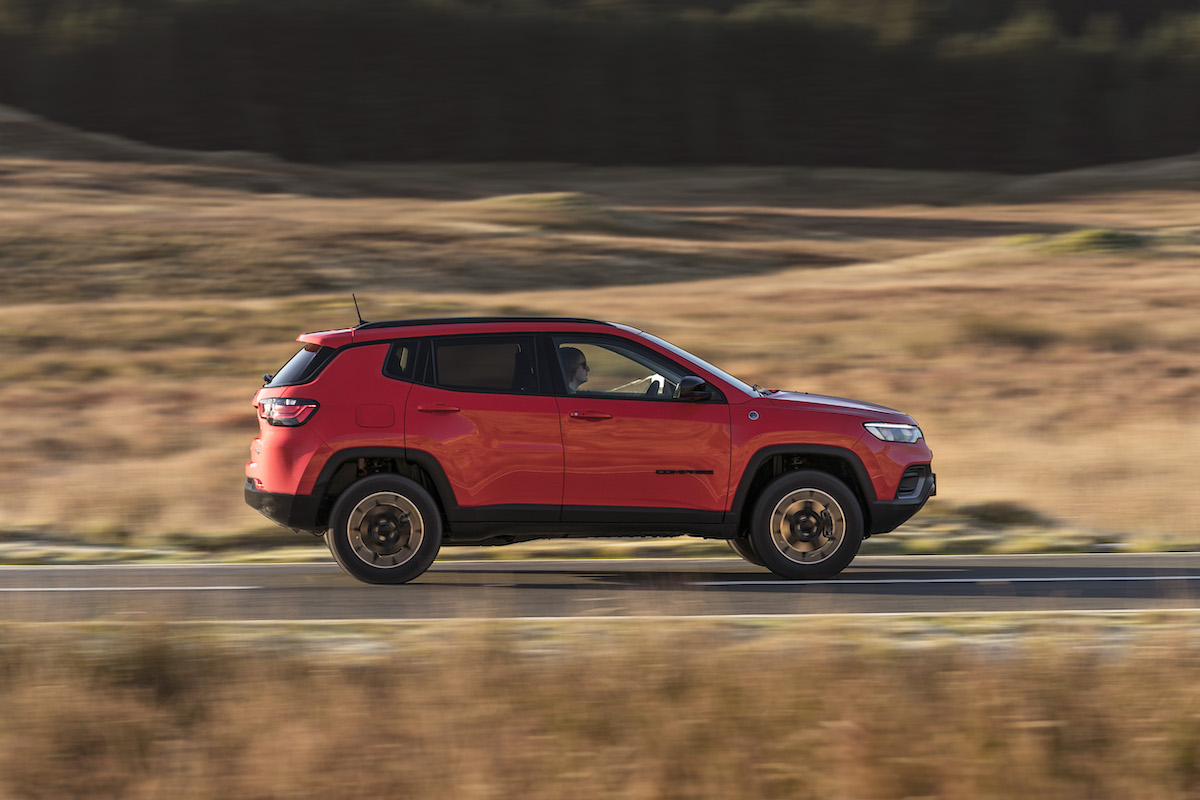
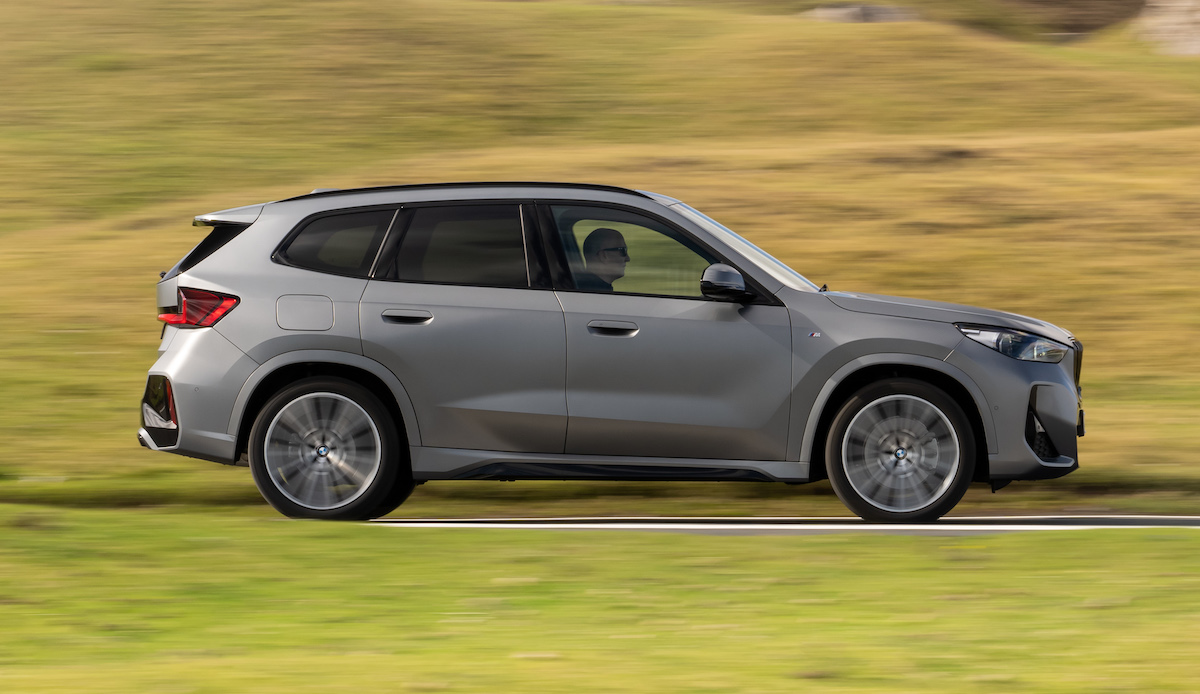
Thinking of getting a new company car? For years, that meant a default choice of a diesel saloon or estate, perfect for munching through motorway miles. But the times, they are a-changin'. The company car park is getting a serious electric shock, and for very good reason. With rock-bottom tax rates and ever-improving range and performance, making the switch to an electric vehicle (EV) has never made more sense for your wallet.
It's not just about the numbers, though. Today's electric cars are a world away from the quirky, compromised models of a decade ago. They're stylish, packed with the latest tech, and genuinely great to drive. Whether you need a practical family SUV with a huge boot, a sleek executive cruiser to impress clients, or a funky supermini for zipping around town, there's an electric car that fits the bill. The question is no longer if you should get an EV, but which one you should choose.
About this guide
The cars in this guide have been selected to represent the best options currently available. Our recommendations are the result of a unique three-part scoring system that takes into account real-world tests from our team of expert reviewers, ratings from real-life owners who live with these cars every day, and an analysis of market data from CarGurus UK to identify which models offer the highest percentage of good and great deals. This combined approach ensures our list highlights cars that are not only great to own but also good value to buy. For more information, scroll to the bottom of this page.
Best Electric Company Cars in 2026
- 2026 BMW i4
- Tesla Model 3
- 2026 Mercedes-Benz CLA
- 2026 Kia Niro EV
- 2026 Hyundai Kona
- 2026 Ford Puma
- 2026 Skoda Enyaq
- 2026 Renault 5
- 2026 Volkswagen ID. Buzz
- 2026 Audi A6 e-tron
CarGurus expert rating: 5 out of 5
CarGurus user rating: 5.0 out of 5
Percentage of good/great deals available on CarGurus: 37.8%
Overall CarGurus rating: 4.4 out of 5
| Pros |
Cons |
| Rewarding and comfortable to drive |
Not as well equipped as some rivals |
| High-quality interior |
Rear-seat space could be better |
| M60 offers explosive performance |
Expensive to buy |
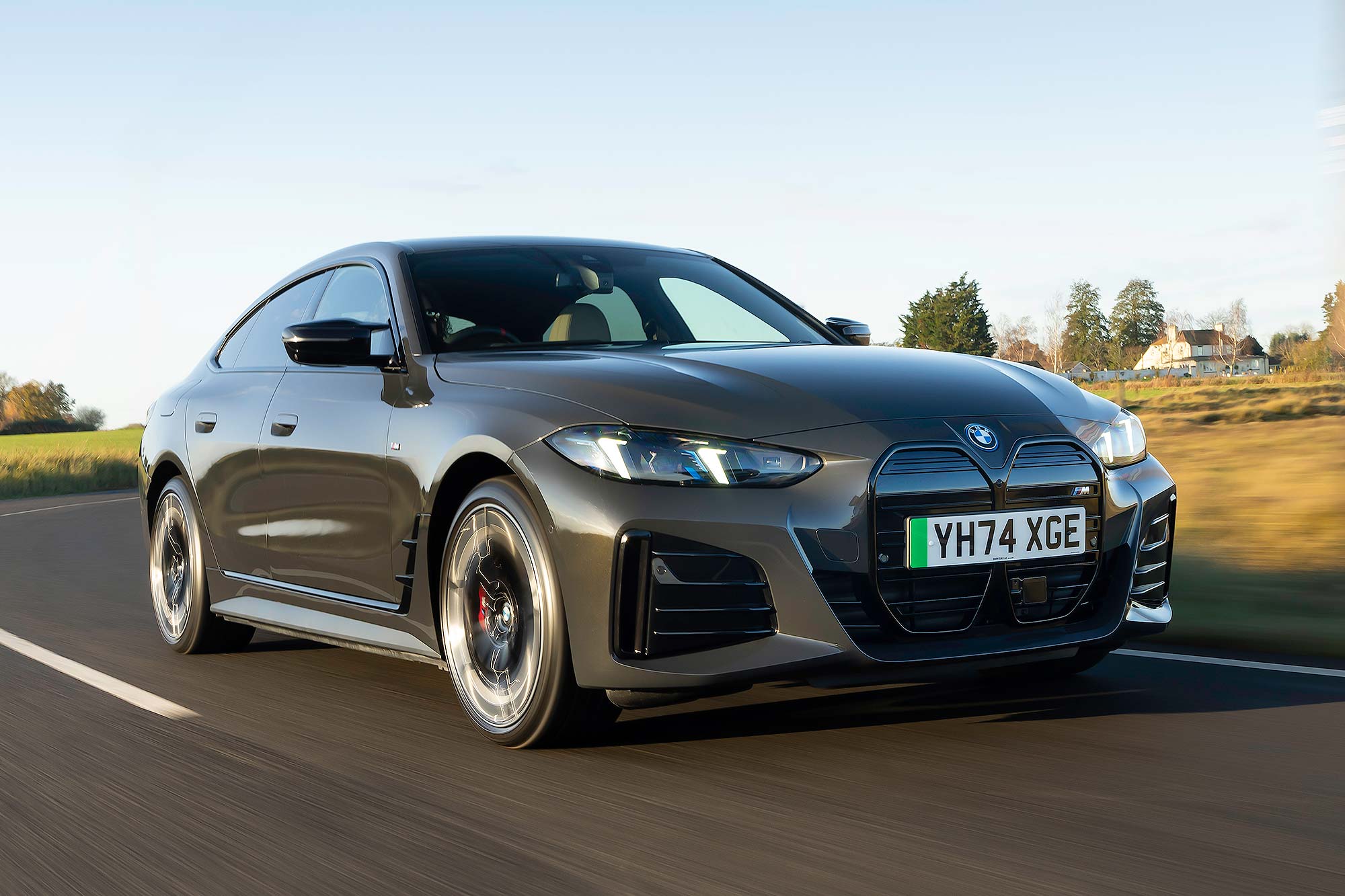
The BMW i4 is a compelling choice for company car drivers, blending the brand's premium appeal with the low running costs of an EV. The line-up offers strong options, but it's the eDrive40 that really hits the sweet spot for business use, thanks to its official 371-mile range. This makes long-distance motorway trips a breeze without constant charging anxiety. While the initial price is higher than some rivals, significant savings can be made on running costs, especially for those able to charge at home on a cheaper overnight tariff. It's worth noting that since April 2025, the i4 has been subject to VED, including the expensive car supplement, but the Benefit-in-Kind (BIK) tax advantages for electric cars remain a huge draw.
Unlike some EVs that feel a bit generic, the i4 drives like a proper BMW. It's engaging and precise on a B-road but also transforms into a hushed and comfortable cruiser for motorway slogs, making it an excellent all-rounder for the varied life of a company car. Practicality is also well-catered for; the 470-litre boot features a large hatchback opening, making it easy to load bulky items or luggage for a business trip. While rear passenger space isn't as generous as in SUV alternatives, the high-quality cabin and superb driving position create a fantastic environment for the driver, which is often what matters most on a long commute.
The CarGurus Verdict: "The BMW i4 is genuinely great to drive. Whether you want something with a bit of enthusiasm or a car that's calm, confident and comfortable over long distances, it does both very well." - CarGurus Editorial Team
Read our full BMW i4 review
CarGurus expert rating: 5 out of 5
CarGurus user rating: 4.2 out of 5
Percentage of good/great deals available on CarGurus: 34.0%
Overall CarGurus rating: 4.4 out of 5
| Pros |
Cons |
| Affordable to buy for a premium electric car |
A little cramped in the back and boot |
| Brilliant Tesla Supercharger network |
No head-up display |
| Even better to drive since 2024 update |
Latest version lacks physical stalks for major driving controls |
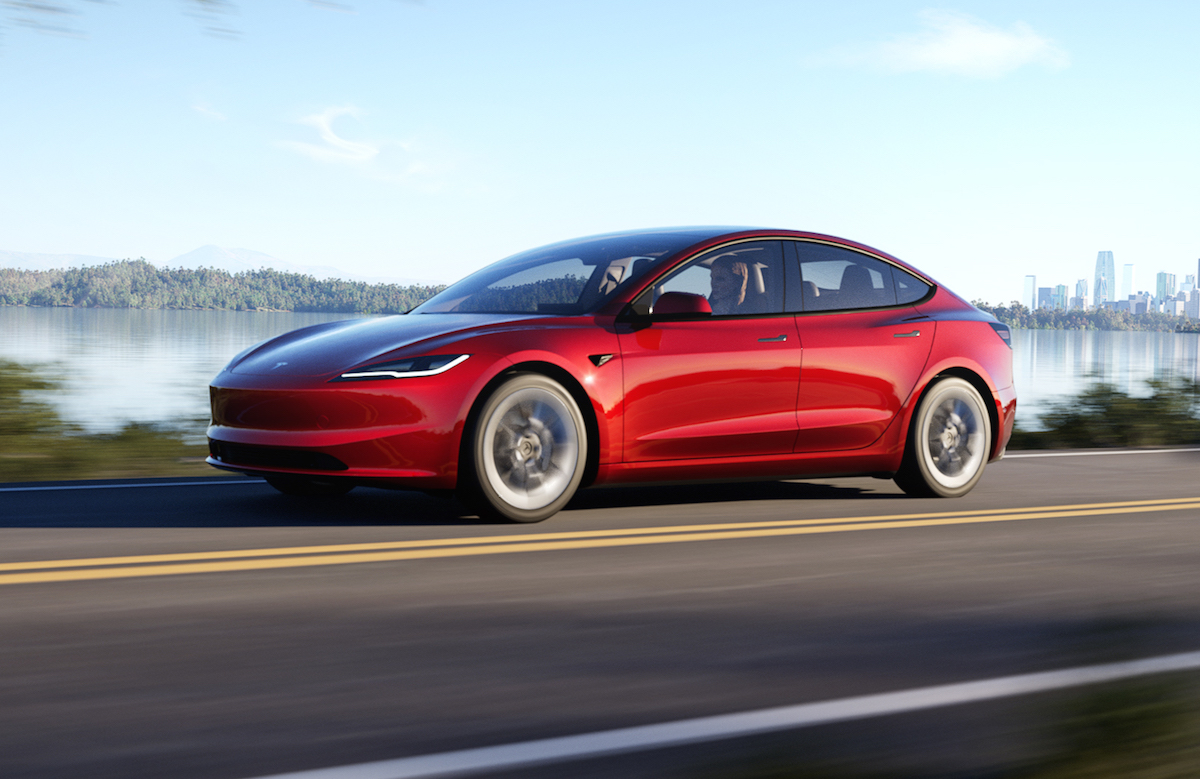
The Tesla Model 3 makes a compelling case as a company car, primarily thanks to its low running costs. It's one of the most affordable executive EVs to buy or finance, and its zero emissions mean rock-bottom Benefit-in-Kind (BIK) tax rates for business users. Day-to-day running is cheap, especially when charging at home on an overnight tariff. For longer journeys, drivers get access to Tesla's brilliant and reliable Supercharger network, which offers ultra-fast top-ups and takes much of the stress out of public charging, a huge plus for high-mileage users.
Beyond the balance sheet, the Model 3 delivers an impressive real-world range, with post-2024 versions capable of between 270 and 466 miles depending on the model. The cabin is defined by its minimalist design, dominated by a huge 15-inch touchscreen that controls almost every function, from the satnav to the windscreen wipers. While this won't be to everyone's taste, the system is slick and benefits from regular over-the-air updates. Practicality is adequate, but it's worth noting that rear passenger space is a little tight and the boot is smaller than you'd find in petrol-powered rivals like the BMW 3 Series.
The CarGurus Verdict: "On balance of price, driving range and ownership experience, the Tesla Model 3 is one of the very best premium electric cars out there at the moment." - Vicky Parrott, contributing editor
Read our full Tesla Model 3 review
CarGurus expert rating: 4 out of 5
CarGurus user rating: 5.0 out of 5
Percentage of good/great deals available on CarGurus: 33.8%
Overall CarGurus rating: 4.4 out of 5
| Pros |
Cons |
| Long range on EV |
Interior is a bit plasticky |
| Great to drive |
Tight rear passenger access |
| Comparably well priced |
Others have a bigger boot |
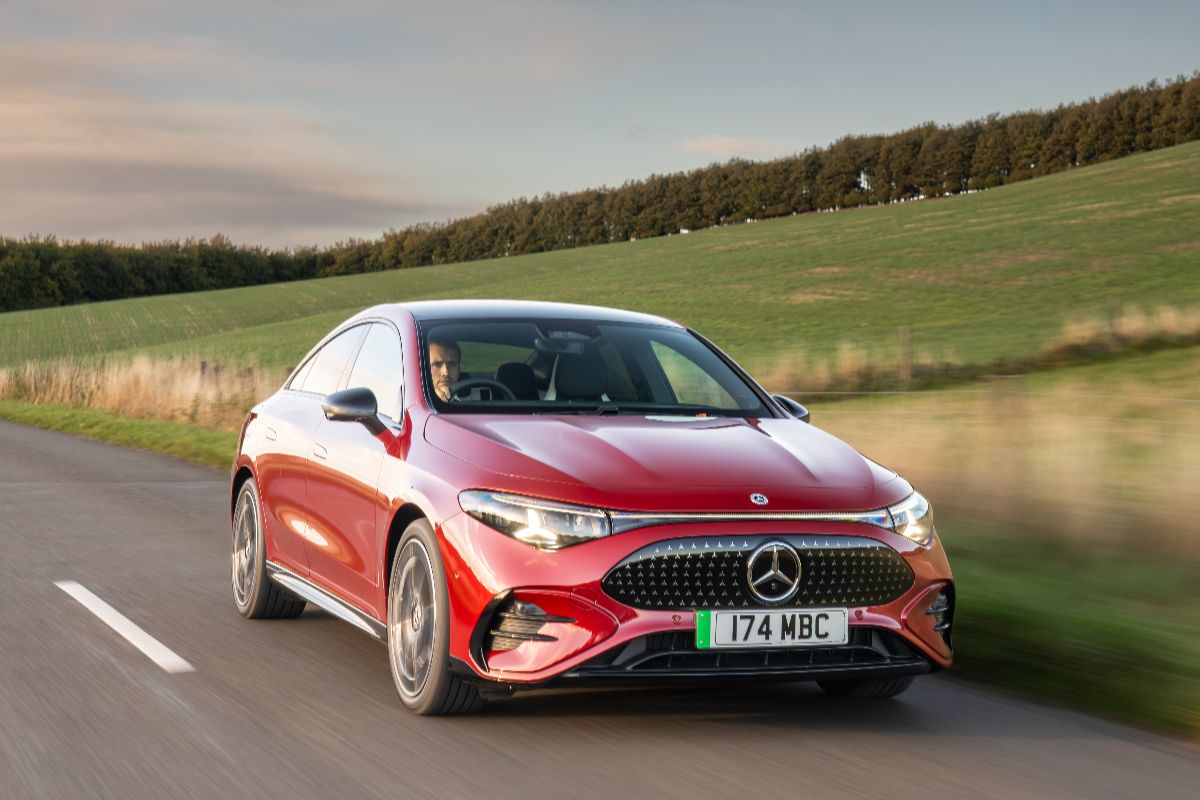
The Mercedes-Benz CLA is a game-changer for company car drivers who cover serious mileage. With a claimed range of up to 483 miles from its 85kWh battery, range anxiety becomes a thing of the past. It's not just about the big battery, though; the CLA is incredibly efficient, achieving 5.7 miles per kWh. When you do need to top up, its 320kW rapid charging capability means you can get back on the road in record time, minimising downtime on a busy schedule. The 268bhp rear-wheel-drive model provides smooth, effortless performance that's perfect for long motorway stints.
Inside, the CLA impresses with its futuristic MBUX Superscreen, which dominates the dashboard and gives the cabin a high-tech feel that's sure to impress clients. Generous standard equipment, including a panoramic roof and heated seats, adds to the premium experience. While the 405-litre boot is decent, those needing more practicality for work equipment or family duties should hold out for the upcoming Shooting Brake estate version. The CLA is also great to drive, offering a sophisticated balance of comfort and agility that makes it a pleasure on any road, from the M25 to a winding B-road.
The CarGurus Verdict: "The new Mercedes-Benz CLA is a landmark electric car. It brings together genuine long-distance range, sophisticated design, and cutting-edge interior tech in a compact, desirable package." - Vicky Parrott, contributing editor
Read our full Mercedes-Benz CLA review
Search for Mercedes-Benz CLA
See all
CarGurus expert rating: 3 out of 5
CarGurus user rating: 5.0 out of 5
Percentage of good/great deals available on CarGurus: 35.0%
Overall CarGurus rating: 4.3 out of 5
| Pros |
Cons |
| Impressive efficiency and decent electric range |
Reasonable value for money, but not the bargain Kias once were |
| A practical family car despite compact dimensions |
Bold styling might not be to all tastes |
| Long warranty |
Only one choice of power output |
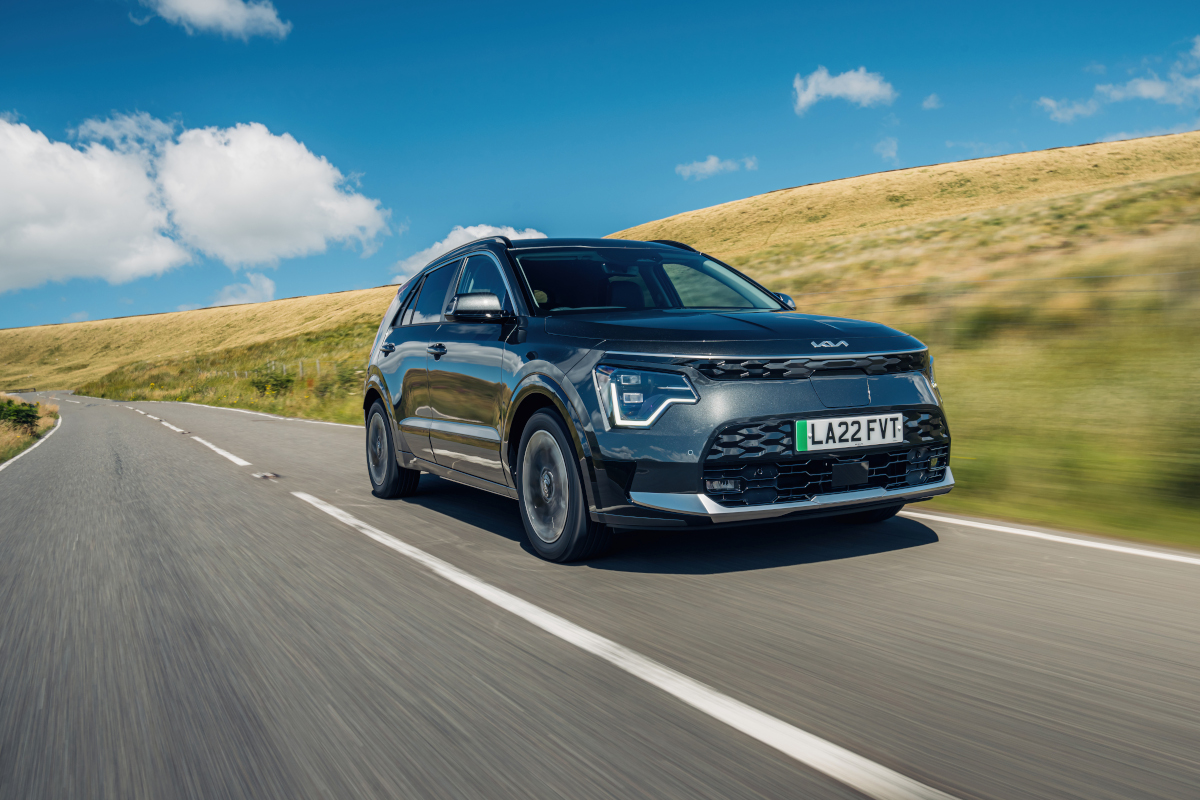
For company car drivers, the numbers on the Kia Niro EV really stack up. With an official range of 285 miles from its 64.8kWh battery, range anxiety is unlikely to be an issue on most business trips. It's efficient, too, averaging around 3.5 miles per kWh, which helps keep charging costs down whether you're plugging in at home or using the public network. This efficiency, combined with zero tailpipe emissions, places it in the lowest Benefit-in-Kind (BiK) tax bracket, making it an extremely cost-effective choice for any employee.
Beyond the low running costs, the Niro EV is a practical and well-equipped daily driver. The 475-litre boot is generous for a car of this size, and it's supplemented by a handy 20-litre 'frunk' for stashing charging cables. Inside, the cabin feels modern and is packed with useful tech, especially on the popular '3' trim, which gets twin 10.25-inch screens, a wireless phone charger, and heated front seats. With 201bhp on tap, it's also sprightly enough for confident motorway overtakes, making long journeys less of a chore.
The CarGurus Verdict: "The Kia Niro EV is a great family car; roomier than most family hatches yet compact enough to feel wieldy in town, fast yet efficient, and brimming with tech and convenience. It's also one of the best when you consider it in isolation within the electric car classes, offering a long driving range and sophisticated regenerative braking." - Vicky Parrott, contributing editor
Read our full Kia Niro EV review
CarGurus expert rating: 3 out of 5
CarGurus user rating: 4.8 out of 5
Percentage of good/great deals available on CarGurus: 32.8%
Overall CarGurus rating: 4.3 out of 5
| Pros |
Cons |
| Roomy, practical cabin |
Merely so-so to drive |
| Great infotainment system |
Cabin could feel posher |
| Generous standard equipment |
Should be more comfortable |
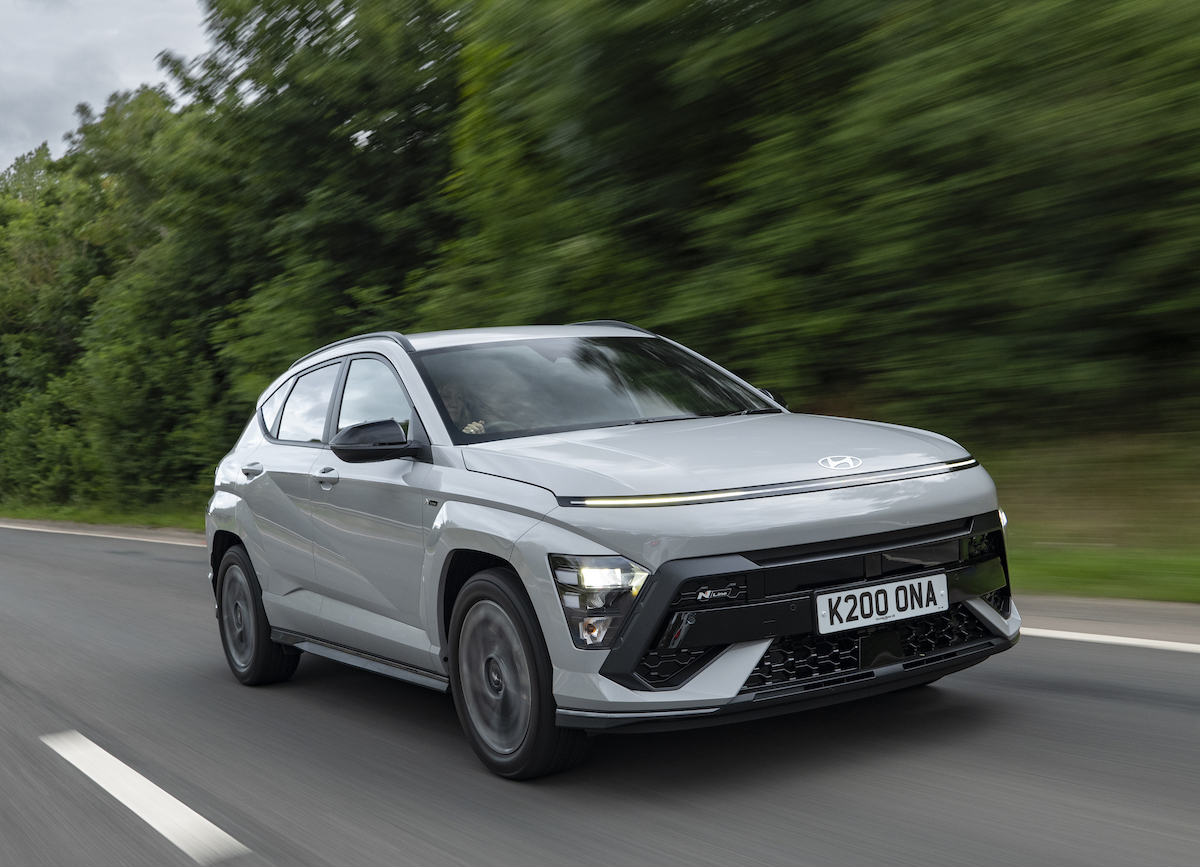
The latest Kona has grown up, and that's great news for practicality. It now boasts a 466-litre boot, which is a decent size for a compact SUV and a big improvement on the old car. Inside, the futuristic cabin is dominated by a slick twin-screen setup for the driver's display and infotainment, which is easy to use and packed with features like Apple CarPlay and Android Auto. All versions are generously equipped, so even the entry-level models feel far from basic.
For company car drivers, the choice is simple: go for the Kona Electric. While petrol and hybrid versions are available, the electric model is the star of the show for business users. Its rock-bottom 2% Benefit-in-Kind (BIK) tax rate means you'll save an absolute fortune compared to the petrol versions, which attract tax rates of over 30%. It's not just about the savings, either; the Kona Electric is a more impressive car all-round, offering a smoother, quieter drive and a higher four-star expert rating.
The CarGurus Verdict: "A special mention here goes to the Kona Electric, too, which is good enough to earn a four-star overall rating." - Ivan Aistrop, senior editor
Read our full Hyundai Kona review
CarGurus expert rating: 5 out of 5
CarGurus user rating: 4.6 out of 5
Percentage of good/great deals available on CarGurus: 29.3%
Overall CarGurus rating: 4.1 out of 5
| Pros |
Cons |
| Very practical, especially the big boot |
Rear headroom could be more generous |
| Generous standard equipment |
Short new-car warranty |
| Choice of petrol and electric versions |
Some electric rivals offer longer ranges |
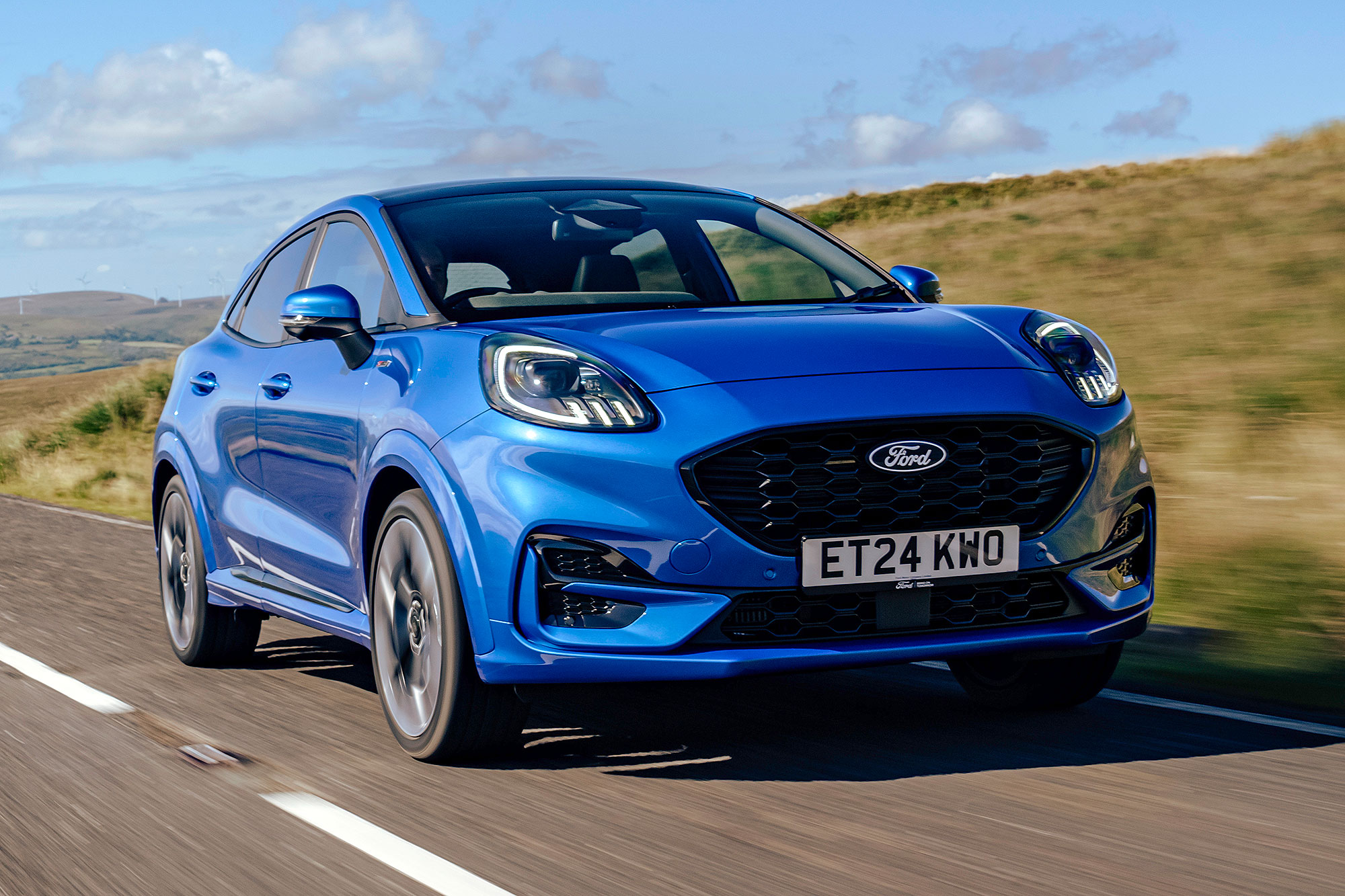
For company car drivers, the arrival of the all-electric Puma Gen-E is big news. It immediately makes the Puma one of the most appealing choices in its class thanks to the huge savings on Benefit-in-Kind (BiK) tax that fully electric vehicles offer. But the Gen-E isn't just a box-ticking exercise; it's also hugely practical. While the petrol Puma is already impressive, the electric version is even better, serving up a massive 523 litres of boot space. That's more than you'll find in many larger, more expensive SUVs and makes it a brilliant choice for business users who need to carry equipment or accommodate family life at the weekend.
Beyond the tax benefits, Ford is making the switch to electric incredibly tempting with its 'Power Promise'. This includes five years of free servicing, 10,000 miles of charging, and a free home charger, significantly cutting down running costs. The Gen-E is no slouch, either, with its 166bhp electric motor providing brisk and quiet acceleration. Even the entry-level Gen-E Select model is well-equipped, featuring a large 12.0-inch touchscreen with wireless Apple CarPlay and Android Auto, a reversing camera, and a full suite of safety assists, making it a fantastic all-round package for the money.
The CarGurus Verdict: "In a segment full of worthy but rather unimaginative small SUVs, the Puma stands out as a real highlight. The arrival of the all-electric Gen-E makes it one of the strongest all-rounders in a competitive class." - Dan Prosser, content editor
Read our full Ford Puma review
CarGurus expert rating: 5 out of 5
CarGurus user rating: Insufficient user reviews
Percentage of good/great deals available on CarGurus: 35.9%
Overall CarGurus rating: 4.0 out of 5
| Pros |
Cons |
| Strong value compared with rival electric SUVs |
Pre-2025 cars have less generous standard equipment |
| Excellent passenger space and a large boot |
Touchscreen can be slow to respond on earlier models |
| Comfortable ride and well-judged handling |
Sporty vRS version prioritises pace over enjoyment |
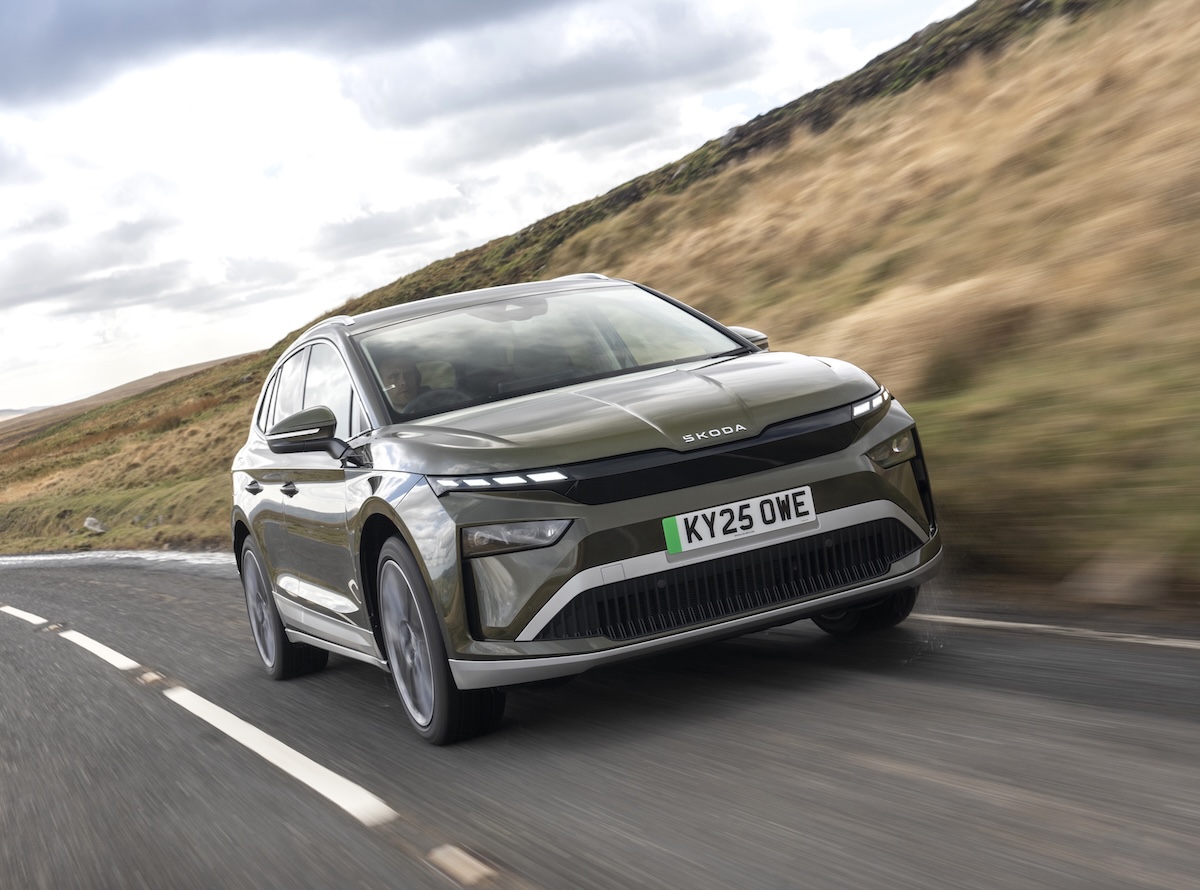
The Skoda Enyaq makes a ridiculously compelling case for itself as a company car. For starters, the Benefit-in-Kind (BiK) tax rate is incredibly low, meaning you could be paying as little as £20 a month in tax for the privilege of running one. It's not just about the tax savings, either. The long-range Enyaq 85 model boasts an official range of up to 365 miles, and with rapid charging speeds of up to 175kW, a 10-80% top-up can take less than 30 minutes. That means less time tethered to a charging post and more time getting on with business.
Beyond the balance sheet, the Enyaq is just a supremely easy car to live with day-to-day. It serves brilliantly as a mobile office, with a quiet, refined cabin that's perfect for taking calls on the move. The ride quality is excellent, soaking up motorway miles with ease, and standard kit on all models includes a huge 13.0-inch touchscreen and adaptive cruise control. When the working day is done, it transforms into a brilliant family wagon, with a massive 585-litre boot and enough rear-seat space for even the lankiest of teenagers to stretch out.
The CarGurus Verdict: "The Skoda Enyaq is a fantastic family SUV that stands comparison with anything else of a similar size, regardless of power source. It's spacious, comfortable, quiet, feels classy and is excellent to drive." - Chris Knapman, editorial director
Read our full Skoda Enyaq review
CarGurus expert rating: 5 out of 5
CarGurus user rating: Insufficient user reviews
Percentage of good/great deals available on CarGurus: 0.0%
Overall CarGurus rating: 3.9 out of 5
| Pros |
Cons |
| Attractive styling and general sense of fun |
Real-world range a little disappointing |
| Impressive levels of standard equipment at a competitive price |
Some slightly flimsy-feeling switchgear |
| Plenty of interior space for a small car |
Rear doors could open wider |
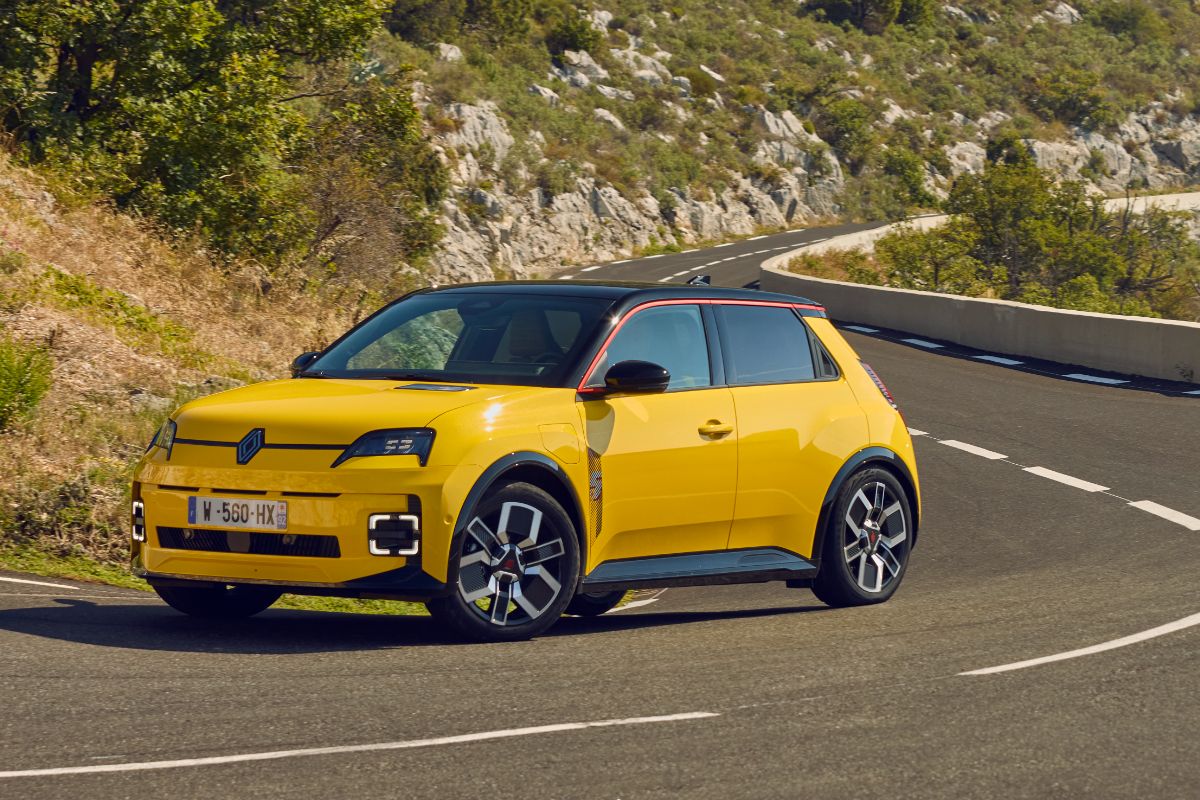
The Renault 5 is shaping up to be a game-changer for company car drivers seeking a stylish and affordable EV. With an expected starting price well under £25,000 and a choice of two batteries, it hits a sweet spot for value. The 52kWh 'Comfort Range' model, with its official 255-mile range, is the one to go for if your work involves more than just city driving. And because it's a pure electric car, it qualifies for a rock-bottom Benefit-in-Kind (BIK) tax rate, making it incredibly cheap to run on a monthly basis. For a supermini, it's also surprisingly practical, with five doors and a 326-litre boot that's bigger than what you'll find in most rivals.
Beyond the low running costs, the Renault 5 is a car you'll actually enjoy driving on the daily commute. The 148bhp motor provides nippy performance, while the suspension strikes a great balance, making it comfortable on the motorway without feeling dull on a B-road. Inside, the standard 10-inch touchscreen with built-in Google Maps and wireless smartphone mirroring makes navigation a breeze, while the inclusion of a heat pump as standard is a huge plus for preserving range during cold British winters. It's this combination of desirable design, useful tech, and compelling financial sense that makes the Renault 5 a top contender.
The CarGurus Verdict: "The Renault 5 is a brilliant little electric car. It's got the functionality, value and common-sense stuff sorted, yet it's also good to drive and so brilliant to look at that it's got real 'want one' appeal." - Vicky Parrott, contributing editor
Read our full Renault 5 review
CarGurus expert rating: 4 out of 5
CarGurus user rating: Insufficient user reviews
Percentage of good/great deals available on CarGurus: 0.0%
Overall CarGurus rating: 3.8 out of 5
| Pros |
Cons |
| Good to drive |
Hugely expensive |
| Beautifully finished interior |
Charging cables cost extra |
| Fantastic retro styling |
There's still no official camper version |
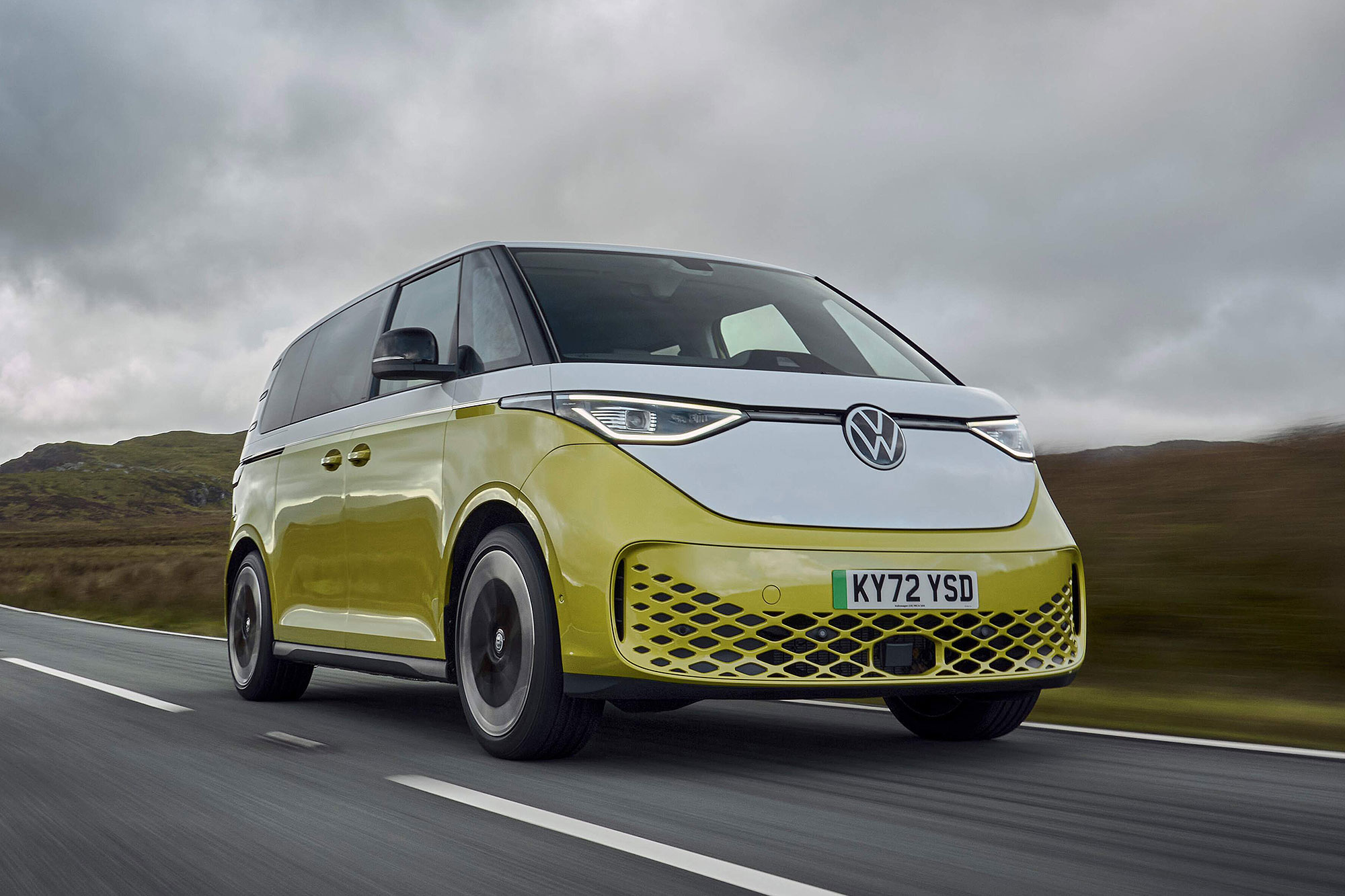
The Volkswagen ID. Buzz is a head-turner, and that unique retro style makes it a seriously cool alternative to the sea of anonymous electric SUVs. For company car drivers, the appeal is more than skin deep; choosing this EV brings substantial savings on Benefit-in-Kind tax. While the initial purchase price is steep, starting north of £60,000, the low running costs and tax advantages help to offset the premium. It's a statement car that also makes a lot of financial sense on the company books.
Beyond the looks and tax breaks, the ID. Buzz is an incredibly practical daily driver. The standard wheelbase model offers a van-like 1,121 litres of boot space, which is more than enough for any work equipment or family gear. The 282bhp rear-motor setup provides brisk enough performance for everyday driving, and with a range of up to 283 miles, it's well-suited for business trips. A comfortable ride, quiet cabin, and a high-set driving position make long motorway stints feel effortless, while standard kit like a heated steering wheel and adaptive cruise control add to the premium feel.
The CarGurus Verdict: "The Volkswagen ID. Buzz is a brilliant EV that makes a convincing case with its unmatched space, versatility, and style kudos." - CarGurus Editorial Team, CarGurus UK
Read our full Volkswagen ID. Buzz review
Search for Volkswagen ID.Buzz
See all
CarGurus expert rating: 4 out of 5
CarGurus user rating: Insufficient user reviews
Percentage of good/great deals available on CarGurus: 0.0%
Overall CarGurus rating: 3.8 out of 5
| Pros |
Cons |
| Good to drive |
Not cheap |
| Impressive range figures |
Interior isn't as sumptuous as you might expect |
| Lots of tech |
Rivals are more practical |
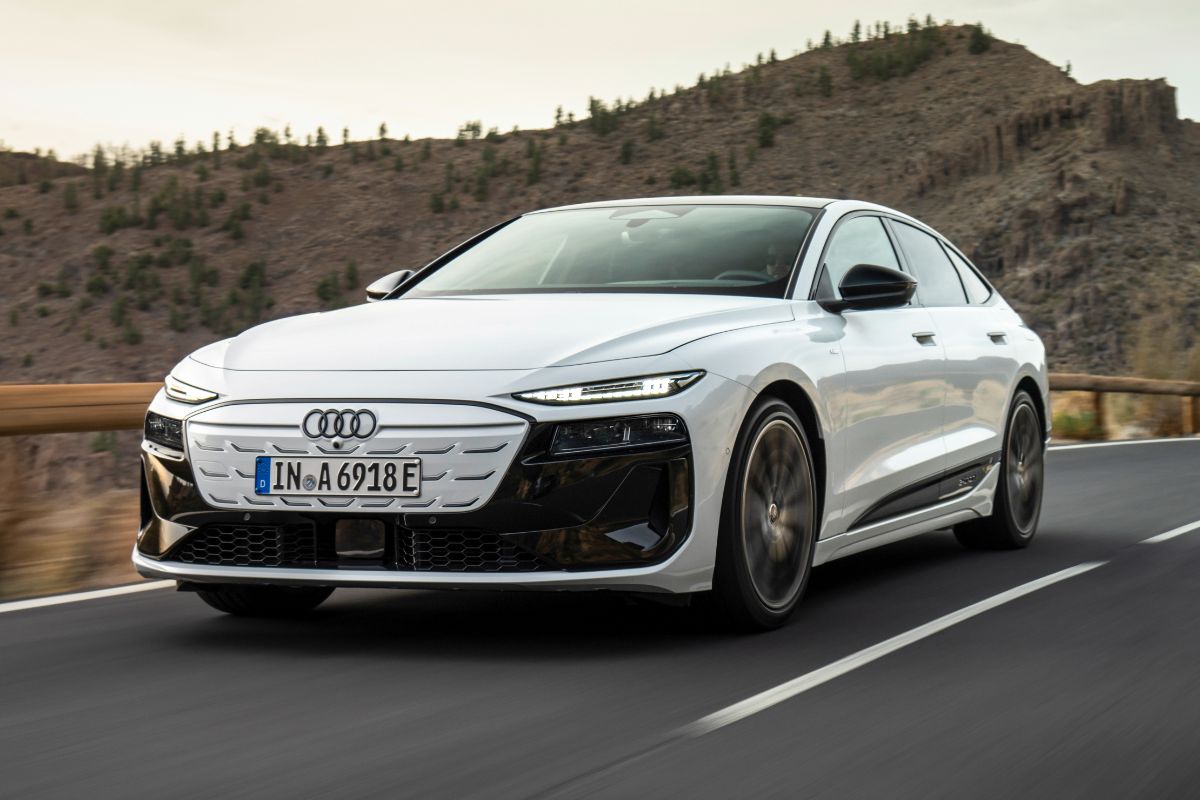
The Audi A6 e-tron arrives as a flag-bearer for the brand's electric technology, built on a new platform that supports ultra-rapid 800V charging – a massive plus for company car drivers covering high mileage. The key attraction for business users is the huge 94.9kWh long-range battery, which delivers a WLTP range of up to 470 miles. This minimises charging stops and range anxiety on long journeys. While it carries a premium price tag, its impressive range and fast-charging capabilities make it a compelling proposition for those needing to travel the length and breadth of the country efficiently.
Inside, the A6 e-tron feels every bit the modern executive express, with a huge curved digital driver's display and a 14.5-inch touchscreen dominating the dashboard. It's a tech-forward environment that's sure to impress clients. The driving experience is exactly what you'd want from a premium cruiser: refined, quiet, and effortlessly comfortable on the motorway. Although the 502-litre boot isn't the biggest in its class, it's more than adequate for business trips, and there's a handy frunk for stowing charging cables. Even the entry-level 322bhp model provides brisk, smooth performance for stress-free driving.
The CarGurus Verdict: "The Audi A6 e-tron is a thoroughly slick executive offering that's lovely to drive and a pleasure to sit in. The driving range it offers is one of the best out there at the price in the premium electric car classes." - Vicky Parrott, contributing editor
Read our full Audi A6 e-tron review
FAQ
Why are electric cars so cheap for company car tax?
The UK government wants to encourage drivers to switch to zero-emission vehicles, so it offers huge tax incentives. Pure electric cars fall into the lowest Benefit-in-Kind (BIK) tax bracket, which is currently just 2%. For comparison, a typical petrol or diesel car can have a BIK rate of over 30%, meaning you pay significantly less tax each month by choosing an EV.
What is Benefit-in-Kind (BIK) tax?
Benefit-in-Kind, or BIK, is a tax paid by employees who receive perks on top of their salary, with a company car being the most common example. The amount of tax you pay is calculated based on the car's list price (P11D value), its official CO2 emissions, and your personal income tax rate (e.g., 20% or 40%).
Will electric company car tax stay low?
Yes, for the foreseeable future. The government has confirmed that the BIK rate for electric cars will remain at 2% until April 2025. After that, it will increase by 1% each year, reaching 5% in the 2027/28 tax year. While this is an increase, it will still be vastly lower than the rates for petrol, diesel, and even hybrid cars, ensuring EVs remain the most tax-efficient choice.
What should I consider when choosing an electric company car?
The key factors are real-world driving range and charging. Think about your typical daily and weekly mileage to ensure the car's range is sufficient. Also, consider your charging options – can you install a charger at home? Does your office have charging points? For long-distance drivers, looking at a car's maximum charging speed is also important to minimise downtime at public rapid chargers. And, of course, check the car's P11D value, as this will directly affect how much BIK tax you pay.
Is range anxiety a problem for company car drivers?
It's a common concern, but it's becoming less of an issue. Many new EVs offer a real-world range of over 250 miles, which is more than enough for several days of typical UK commuting. For those who cover long distances, the public rapid charging network is growing quickly, and cars are now charging faster than ever. Planning ahead with apps like Zap-Map or the car's built-in navigation makes long-distance EV driving stress-free.
How does charging an electric company car work?
Most drivers will do the bulk of their charging at home using a dedicated wallbox charger, which is the cheapest and most convenient method. Many employers will even help with the cost of installation. You can also charge at your workplace if facilities are available, or use the public network of chargers found at supermarkets, service stations, and in town centres. Payment is usually made via a smartphone app or a dedicated RFID card.
What Makes CarGurus Best Cars Guides Different?
Most car buying websites publish lists of the best cars across a variety of categories, with recommendations generally driven by editorial expertise. Here's what makes our best cars guides different: we combine the insights and verdicts of our team of car-testing experts with other factors that we know matter to buyers - real owner experiences and current market value.
To that end, our expert reviewers come from some of the UK's most trusted automotive publications including What Car?, The Telegraph, Auto Trader, Electrifying.com, and Carbuyer. They put each car through real-world testing, and create detailed reviews noting performance in a range of categories, from practicality and driving manners, to running costs and reliability.
But we don't stop there when it comes to creating our best cars guides; we also analyse hundreds of thousands of used car listings on CarGurus UK to track which models consistently offer the highest percentage of best deals relative to how many are listed for sale. Then we factor in user reviews and ratings gathered on CarGurus to get feedback from people who actually live with these cars every day. Our best cars algorithm then creates a final Overall CarGurus rating that combines expert ratings, user reviews, and the percentage of listings on CarGurus UK rated as good or great deals. This three-way approach reveals not just which cars excel on paper, but which ones deliver satisfaction and value when you're ready to buy.
The CarGurus UK market data in this guide was last updated in September 2026. Values were accurate at the time of publication and should be used as a guide only.
Related Topics: