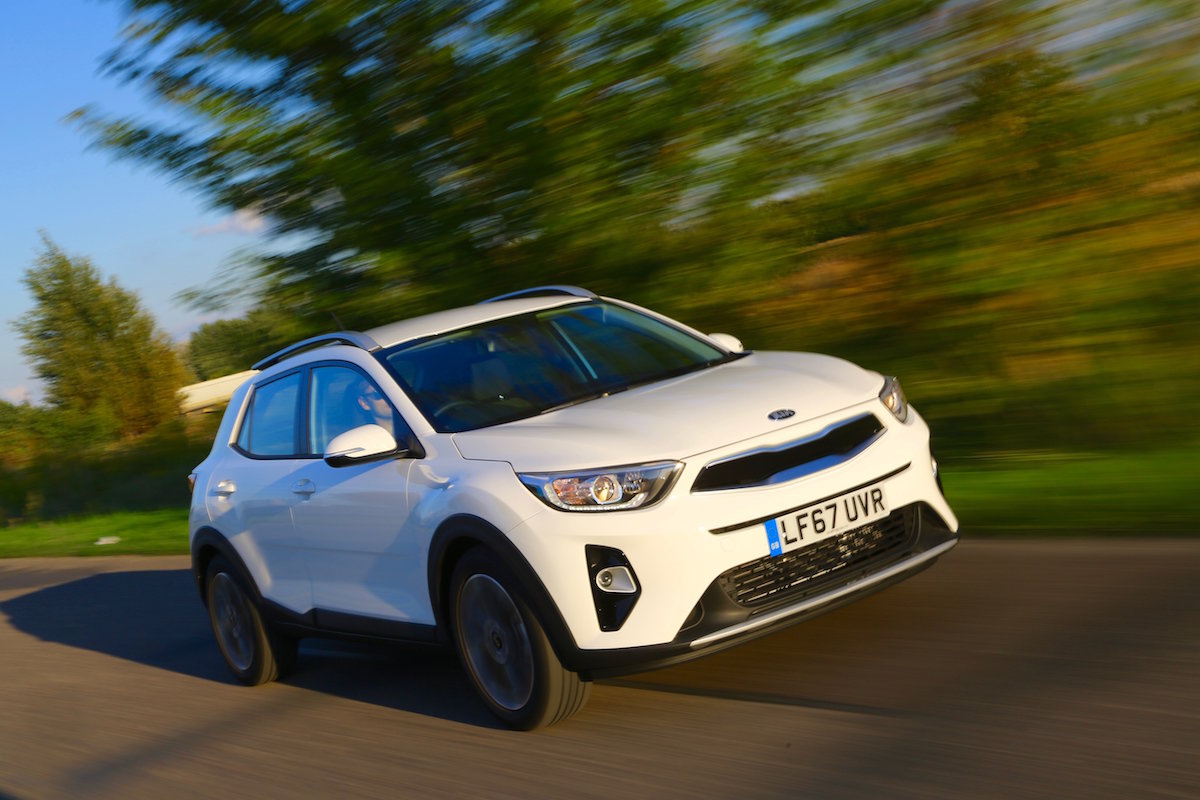
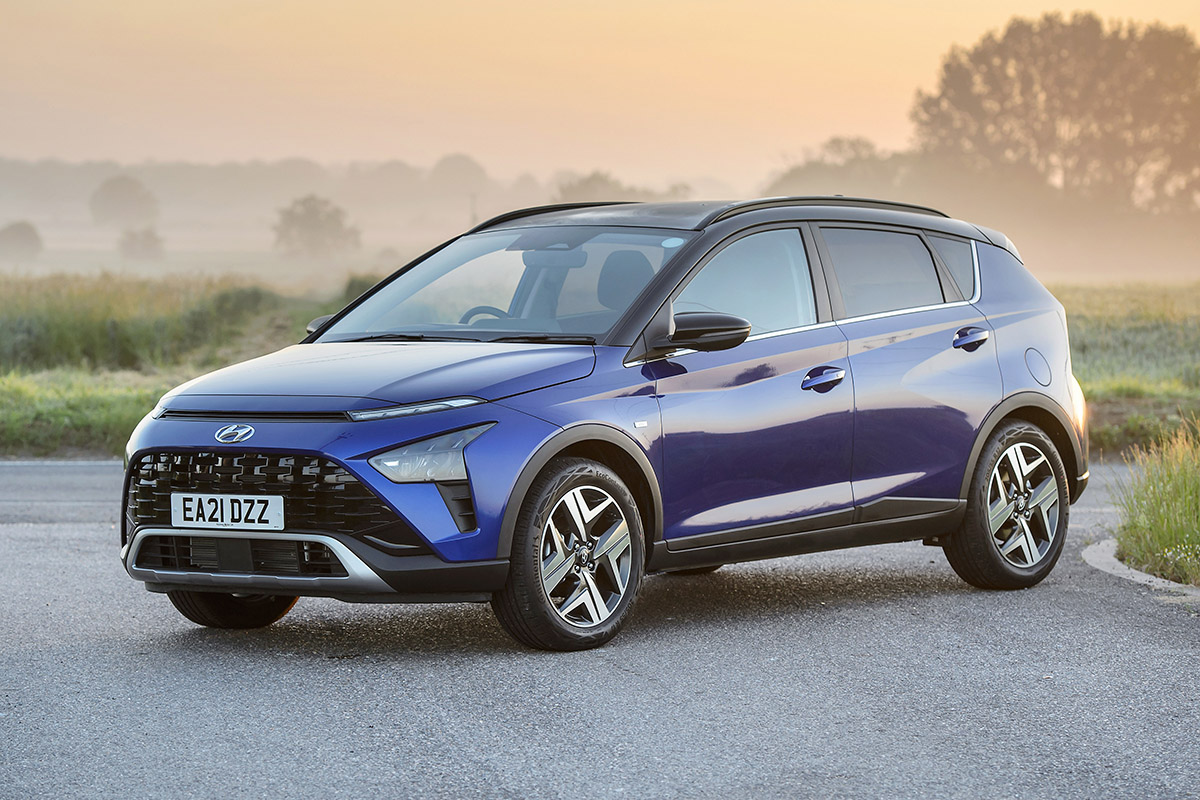
If you're looking for a compact SUV, the choice can be overwhelming. The formula is simple and popular: take a supermini, give it a higher driving position and some rugged styling, and you've got a winner. Two of the strongest contenders in this crowded market come from Korea: the Kia Stonic and the Hyundai Bayon.
The Stonic, based on the Kia Rio, offers sharp looks and an engaging drive. The Bayon, which shares its parts with the Hyundai i20, counters with distinctive styling and a focus on comfort and practicality. Both are powered by efficient petrol engines, but which one is the better buy?
Kia Stonic vs Hyundai Bayon
Practicality
Kia Stonic practicality score: 3/5
Hyundai Bayon practicality score: 4/5
For small cars, both the Stonic and Bayon offer a decent amount of space. The Bayon gets an early lead with its 411-litre boot, which is generous for the class. It's worth noting, however, that mild-hybrid versions see that space shrink to a less impressive 334 litres. The Stonic's boot is a fixed 352 litres, which is reasonable but smaller than key rivals.
In the cabin, passenger space is broadly similar. Both cars can accommodate adults in the back, though headroom might be a bit snug for those over six feet tall. Neither offers the clever sliding rear seats you'll find in a Renault Captur, but for a small family, they are perfectly adequate. The Bayon's slightly larger boot (in non-hybrid form) gives it the edge in this category.
Driving Impressions
Kia Stonic driving score: 4/5
Hyundai Bayon driving score: 4/5
Both cars are based on superminis, and that pays dividends on the road. The Stonic feels agile and responsive, with well-controlled body roll that makes it quite fun to drive on a twisty road. The trade-off for this taut handling is a ride that can feel a little firm, especially compared to rivals like the Skoda Kamiq. The 1.0-litre turbocharged petrol engine is the one to go for, offering a good blend of performance and efficiency.
The Bayon is also surprisingly entertaining. It has plenty of grip and light, responsive steering that makes it feel nimble around town. Crucially, it manages this without the Stonic's firm edge, offering a more comfortable and forgiving ride. Engine choice is simple: it's a 1.0-litre turbo petrol, with or without mild-hybrid tech. While neither car is a true hot hatch, the Bayon's better balance of comfort and fun gives it a slight advantage for day-to-day driving.
Technology and Equipment
Kia Stonic technology and equipment score: 4/5
Hyundai Bayon technology and equipment score: 3/5
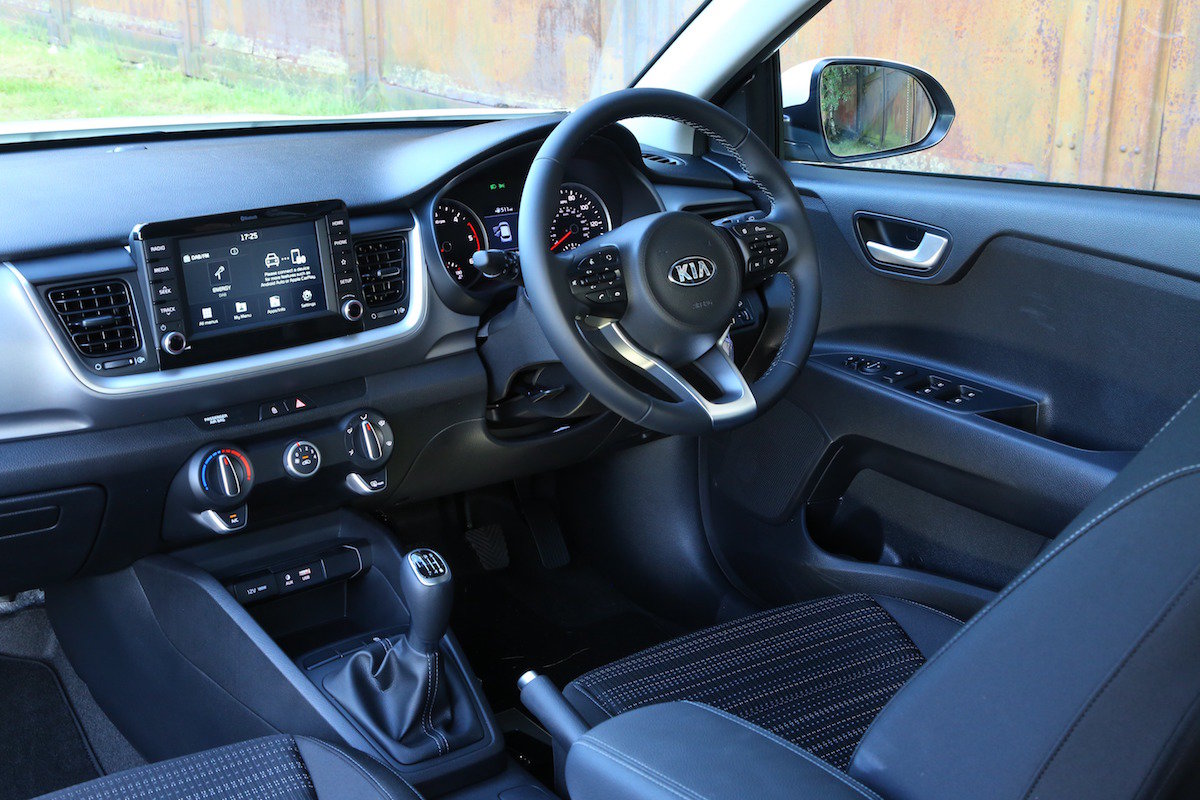
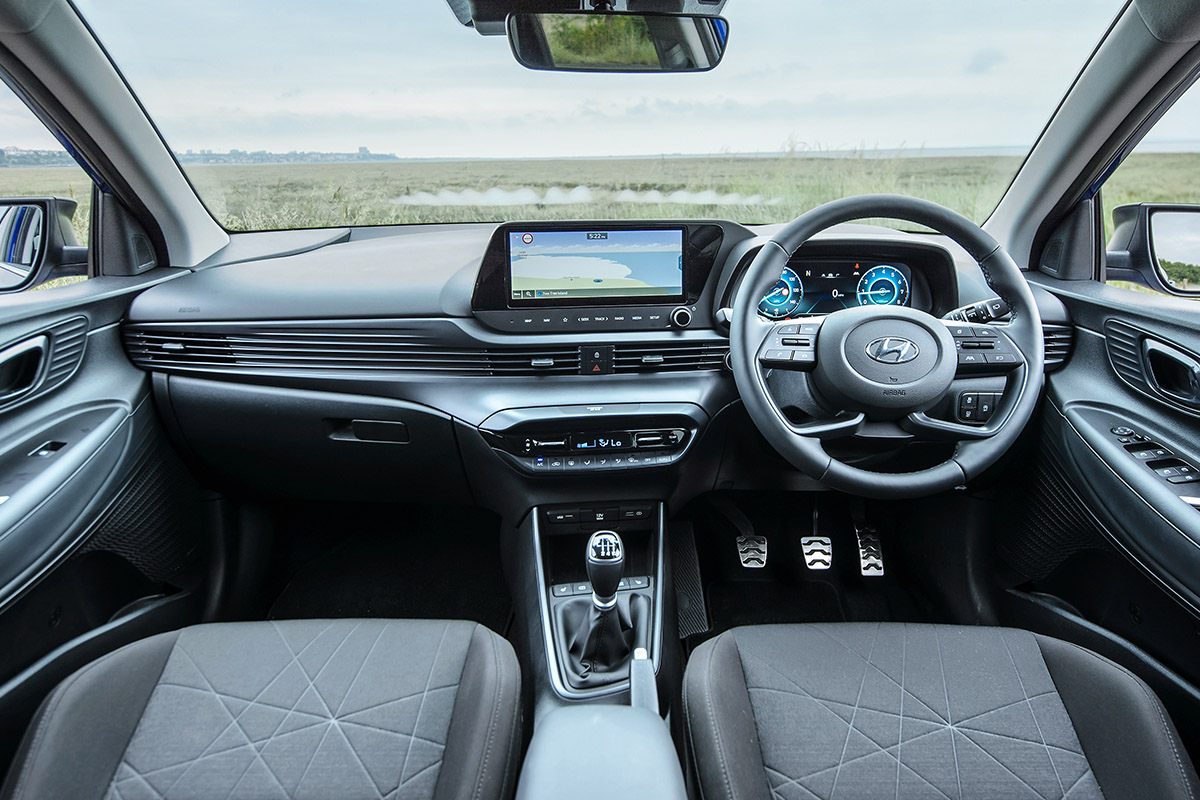
Kia and Hyundai are known for offering plenty of standard kit, and these two are no exception. The Stonic's equipment has improved over time; early models were well-specified, but post-2020 cars in GT-Line or Connect trim are particularly good. They feature an 8-inch touchscreen with Apple CarPlay and Android Auto, a reversing camera, and LED headlights.
The Bayon keeps things simpler with three trim levels. Even the entry-level SE Connect gets a decent touchscreen and rear parking sensors. Higher-spec Premium and Ultimate models add desirable features like a larger 10.25-inch screen, heated seats, and a premium Bose sound system. While both are well-equipped, the Stonic's cabin materials feel a little more upmarket than the shiny plastics you'll find in the Bayon, giving it the win in the tech and equipment stakes.
Running Costs
Kia Stonic running costs score: 4/5
Hyundai Bayon running costs score: 3/5
As you'd expect from small cars with 1.0-litre engines, both the Stonic and Bayon are affordable to run. You can expect to see real-world fuel economy of around 50mpg from the most popular engines in either car, which is competitive for the class. Servicing costs are also reasonable for both.
The biggest difference here comes down to the warranty. Hyundai's five-year, unlimited-mileage warranty is good, but it can't compete with Kia's industry-leading seven-year, 100,000-mile cover. For used car buyers in particular, those extra two years of peace of mind are a significant advantage and a major factor in the Stonic's higher score for running costs.
CarGurus Buyer Insights
|
Kia Stonic |
Hyundai Bayon |
| CarGurus expert rating |
4 out of 5 |
3 out of 5 |
| CarGurus user rating |
5.0 out of 5 |
5.0 out of 5 |
| Percentage of good/great deals available on CarGurus* |
33.9% |
32.6% |
| Overall CarGurus rating |
4.4 out of 5 |
4.2 out of 5 |
The Verdict
Kia Stonic Overall CarGurus rating: 4.4/5
Hyundai Bayon Overall CarGurus rating: 4.2/5
Both the Kia Stonic and Hyundai Bayon are strong contenders in the compact SUV class, offering style, efficiency, and practicality in a small package. They are closely matched in many areas, but there can only be one winner.
Based on our comprehensive CarGurus Buyer Insights, the Kia Stonic takes the victory. It scores higher with our experts and has excellent user ratings. This, combined with its higher-quality interior feel and that unbeatable seven-year warranty, makes it the stronger overall package.
This isn't to say the Bayon should be overlooked. If a comfortable ride and maximum boot space are your top priorities, it's a great choice with standout styling. However, as an all-rounder, the Kia Stonic's superior quality, generous equipment, and long-term peace of mind give it the win in this head-to-head.
Kia Stonic Pros and Cons
| Pros |
Cons |
| Industry-leading seven-year warranty |
Ride can be firm on rough roads |
| Engaging and agile handling |
Boot is smaller than some rivals |
| Good quality interior and equipment |
Rear headroom is tight for tall adults |
Hyundai Bayon Pros and Cons
| Pros |
Cons |
| Comfortable and well-judged ride |
Interior plastics feel a bit cheap |
| Generous boot space (non-hybrid) |
Shorter warranty than the Kia |
| Distinctive and modern styling |
Mild-hybrid system reduces boot space |
*The Overall CarGurus rating that informs these recommendations is based on CarGurus' proprietary market data from May 2026, CarGurus expert reviews, and CarGurus user reviews.
Read Our Full Reviews: