
If you’re looking for a stylish and efficient hatchback, the French have always known how to deliver. Two of the most appealing options right now are the Peugeot 308 and the Renault Clio. While they compete in different size classes – the 308 is a family hatchback and the Clio is a supermini – they both offer sharp design, modern technology, and low running costs.
The Peugeot 308 brings a genuinely premium feel to the family car segment, with a bold, lion-inspired design and a sophisticated, high-tech interior. The Renault Clio, fresh from a recent update, counters with its own chic styling, a surprisingly spacious cabin for its size, and an excellent hybrid powertrain. So, which of these fashionable French cars is the smarter buy?
Peugeot 308 vs Renault Clio
- Practicality
- Driving Impressions
- Technology and Equipment
- Running Costs
- CarGurus Buyer Insights
- Verdict

Practicality
Peugeot 308 practicality score: 3/5
Renault Clio practicality score: 3/5
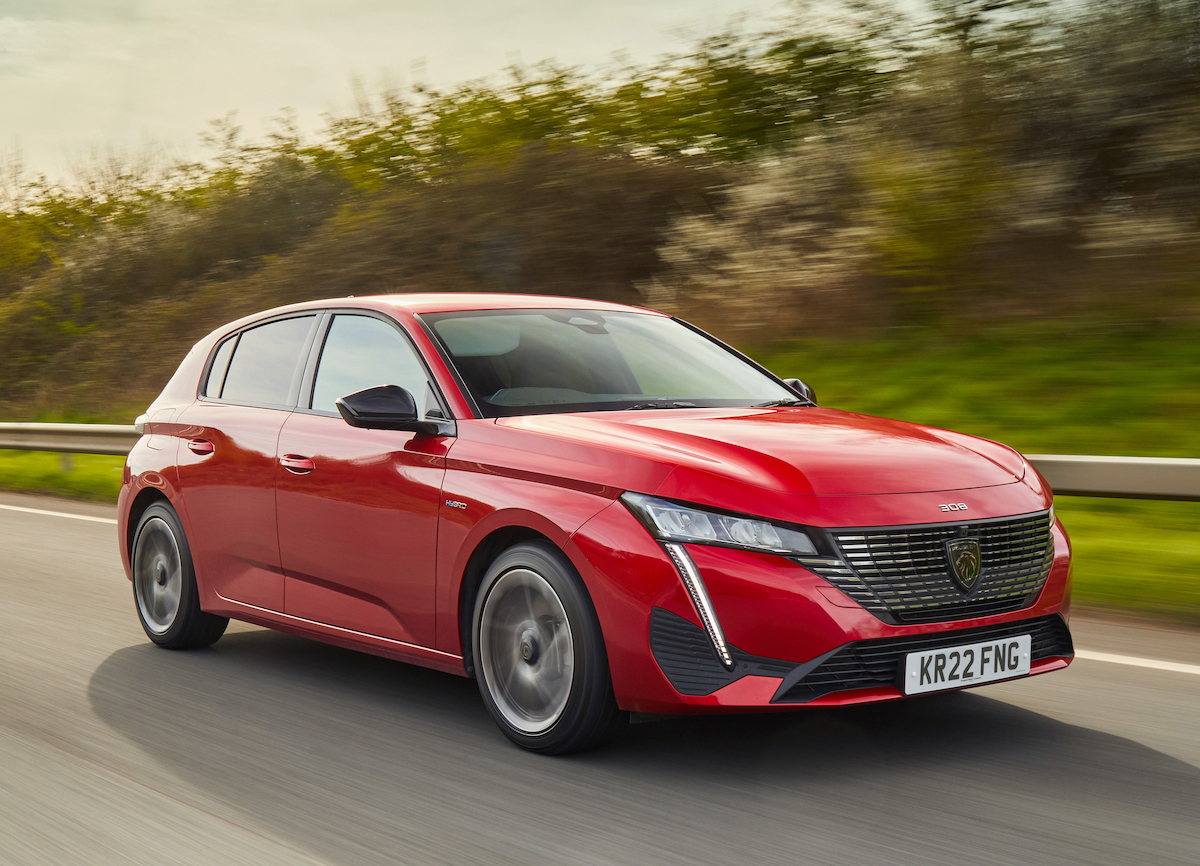
On paper, the larger Peugeot 308 should be the more practical car, but the Clio puts up a surprisingly strong fight. The 308 offers a decent 412-litre boot, which is competitive for the family hatchback class, and there’s enough room in the back for a couple of adults on shorter journeys. However, some rivals like the Skoda Octavia offer more outright space.
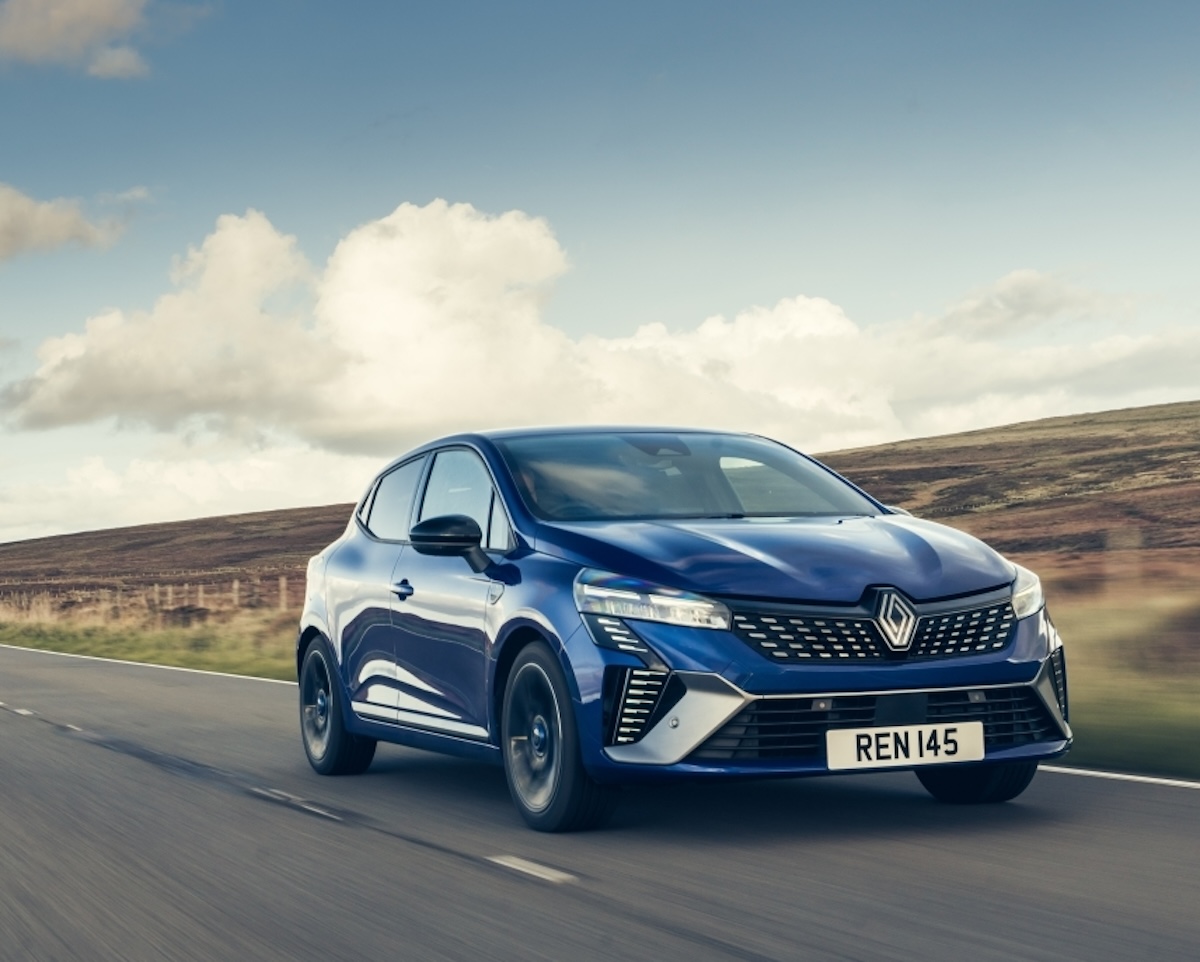
The Clio, despite being a smaller supermini, boasts a 391-litre boot. That’s huge for its class and not far off the 308’s capacity. Rear-seat space is tighter, as you’d expect, and better suited to children or occasional adult passengers. Ultimately, the 308 is the more accommodating family car, but the Clio’s clever packaging makes it one of the most practical superminis you can buy, earning it the same score.
Driving Impressions
Peugeot 308 driving score: 3/5
Renault Clio driving score: 4/5
Peugeot has tuned the 308 for comfort, and it delivers a relaxed and quiet driving experience. It feels composed on the motorway and soaks up bumps well, making it a good long-distance cruiser. The driving experience is defined by Peugeot’s i-Cockpit, which combines a small steering wheel with dials you view over the top. It’s a feature that divides opinion; some love its go-kart feel, while others find it awkward.
The Renault Clio offers a more engaging and well-rounded driving experience. It feels light and agile in town, but also impressively stable and refined at higher speeds, giving it a ‘big car’ feel. The steering is precise and the handling is neat, making it more fun than the 308 on a twisty road. The E-Tech hybrid model is particularly smooth and responsive, adding to the Clio’s polished feel from behind the wheel.
Technology and Equipment
Peugeot 308 technology and equipment score: 3/5
Renault Clio technology and equipment score: 3/5
Both cars showcase modern French design inside, with plenty of digital screens. The 308’s cabin looks and feels upmarket, featuring a 10-inch central touchscreen and a configurable digital driver’s display. Higher-spec models add clever customisable ‘i-Toggles’ below the main screen for shortcuts, which is a nice touch.
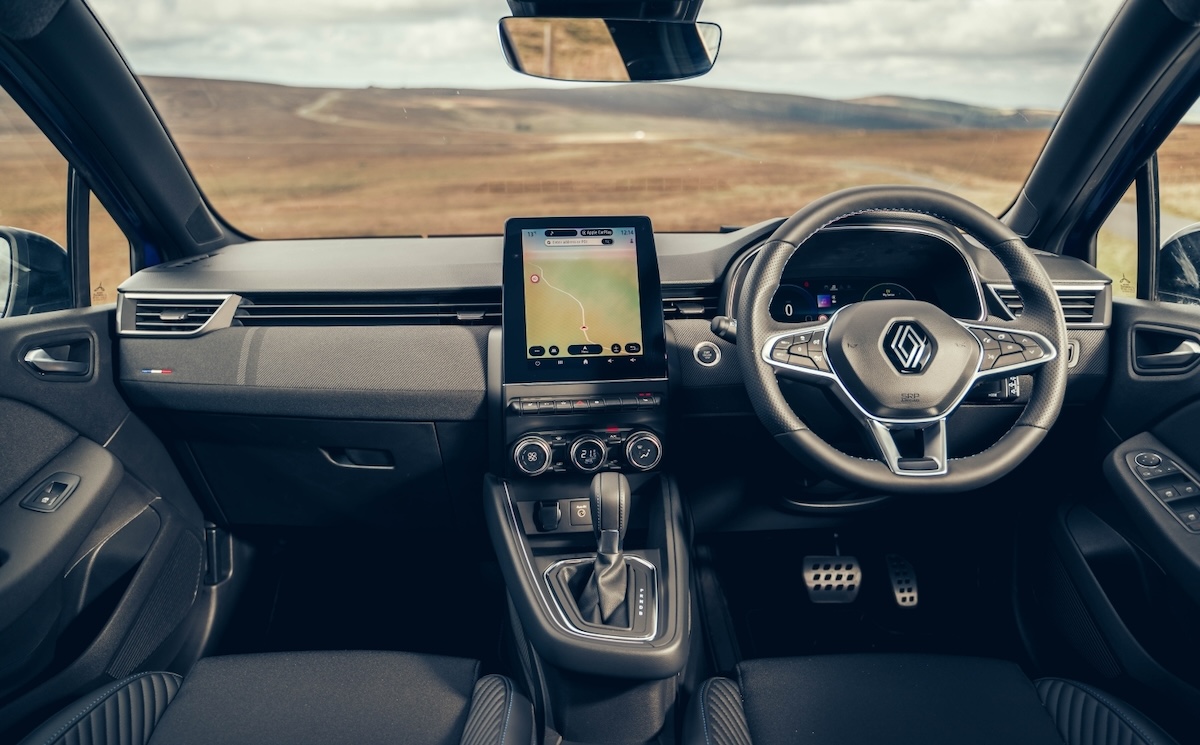
The recently facelifted Clio features a smart, vertically-oriented 9.3-inch touchscreen on most models, which is easy to use and comes with Apple CarPlay and Android Auto. It’s paired with a digital instrument cluster that’s clear and easy to read. While both cars are well-equipped and feel contemporary, their infotainment systems aren’t the fastest or most intuitive on the market, which is why they don't score higher.
Running Costs
Peugeot 308 running costs score: 4/5
Renault Clio running costs score: 4/5
This is a real strong suit for both cars. The Peugeot 308 is available with an efficient 1.2-litre PureTech petrol engine, but the star of the show is the plug-in hybrid (PHEV). It offers up to 40 miles of electric-only range, which could mean tiny fuel bills if you have a short commute and can charge at home.
The Renault Clio is similarly frugal. Its headline act is the E-Tech full hybrid system, a ‘self-charging’ setup that is impressively efficient, especially around town, and capable of more than 60mpg. Even the entry-level TCe 90 petrol engine is economical. With both cars offering low tax and insurance costs, you can’t go wrong with either if you’re looking to keep running costs down.
CarGurus Buyer Insights
| Peugeot 308 | Renault Clio | |
|---|---|---|
| CarGurus expert rating | 3 out of 5 | 3 out of 5 |
| CarGurus user rating | 4.3 out of 5 | 4.3 out of 5 |
| Percentage of good/great deals available on CarGurus* | 32.4% | 32.1% |
| Overall CarGurus rating | 4.1 out of 5 | 4.3 out of 5 |
The Verdict
Peugeot 308 Overall CarGurus rating: 4.1/5
Renault Clio Overall CarGurus rating: 4.3/5
This is a close-run contest between two very desirable French hatchbacks. The Peugeot 308 impresses with its striking design, premium-feeling cabin, and the potential for ultra-low running costs from its plug-in hybrid model. It’s a comfortable and stylish family car.
However, it’s the Renault Clio that takes the win here. According to our CarGurus Buyer Insights, it scores a higher overall rating. It’s more enjoyable and engaging to drive, its E-Tech hybrid system is a masterpiece of efficiency and smoothness, and it offers practicality that punches well above its supermini weight. While it may not have the outright space of the 308, the Clio’s blend of style, driving fun, and low running costs make it a more compelling all-round package and our winner in this test.
Peugeot 308 Pros and Cons
| Pros | Cons |
|---|---|
| Striking exterior design | i-Cockpit layout isn’t for everyone |
| High-quality cabin feel | Less engaging to drive than rivals |
| Efficient PHEV option | Rear space could be better for the class |
Renault Clio Pros and Cons
| Pros | Cons |
|---|---|
| Fun and comfortable to drive | Interior quality not as premium as the 308 |
| E-Tech hybrid is excellent | Infotainment can be a bit slow |
| Surprisingly practical for a supermini | Not as much outright space as a family hatchback |
*The Overall CarGurus rating: that informs these recommendations is based on CarGurus' proprietary market data from January 2026, CarGurus expert reviews, and CarGurus user reviews.