Renault Clio 2026 review | Stylish, spacious and efficient supermini
Pros and cons
What we like
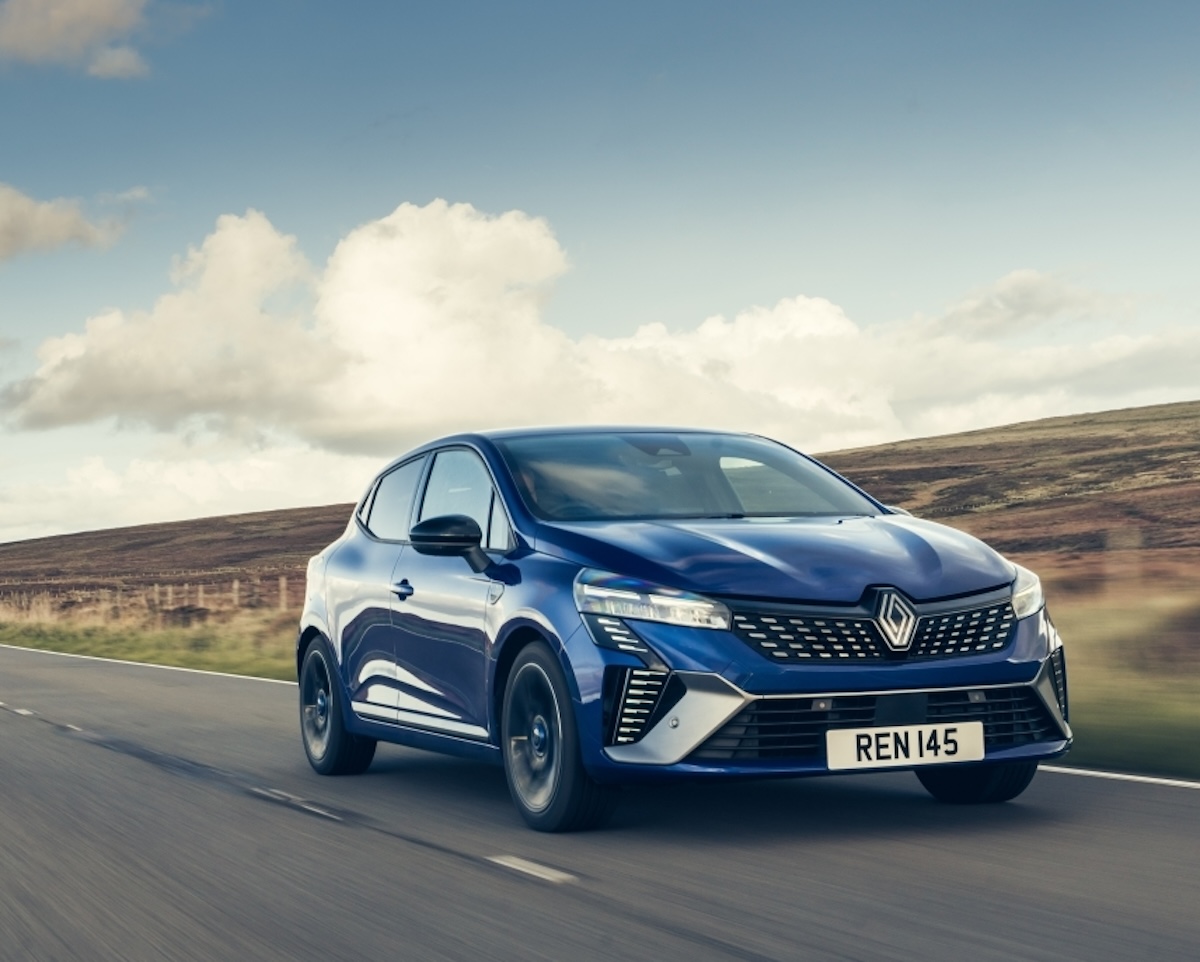
Stylish looks and chic image
Comfortable and easy to drive
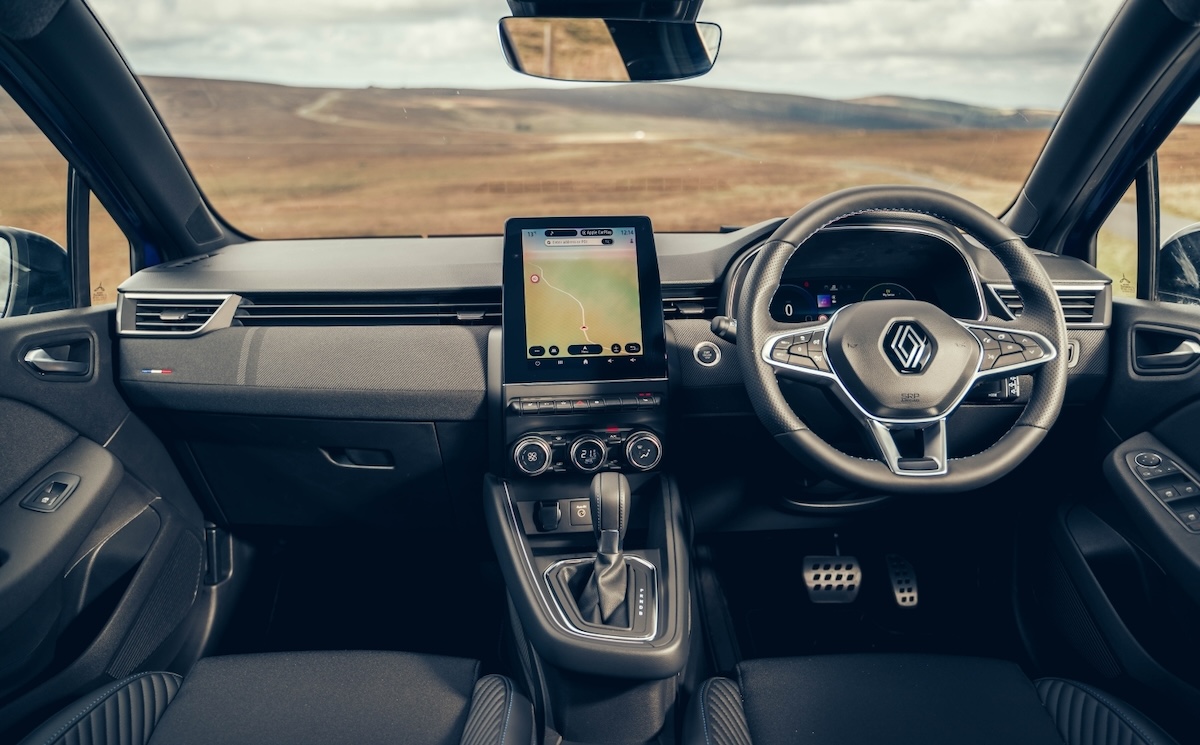
Plenty of tech available
What to consider
Rear seat space rather tight
Infotainment could be better
Entry-level trim misses some kit
The CarGurus verdict
The Renault Clio has always been a solid, sensible and stylish choice in the competitive supermini sector, and that doesn’t change with this latest iteration. It provides a grown-up driving experience and some economical engine choices, while the smartly-trimmed cabin is dominated by digital screens and plenty of tech.
It isn’t the most practical car of its type, and nor is it the cheapest or the most exciting, but it does well enough in all those areas to convince. The hybrid powertrain will no doubt prove compelling to some buyers, too.
out of 5 expert review
What is the Renault Clio?
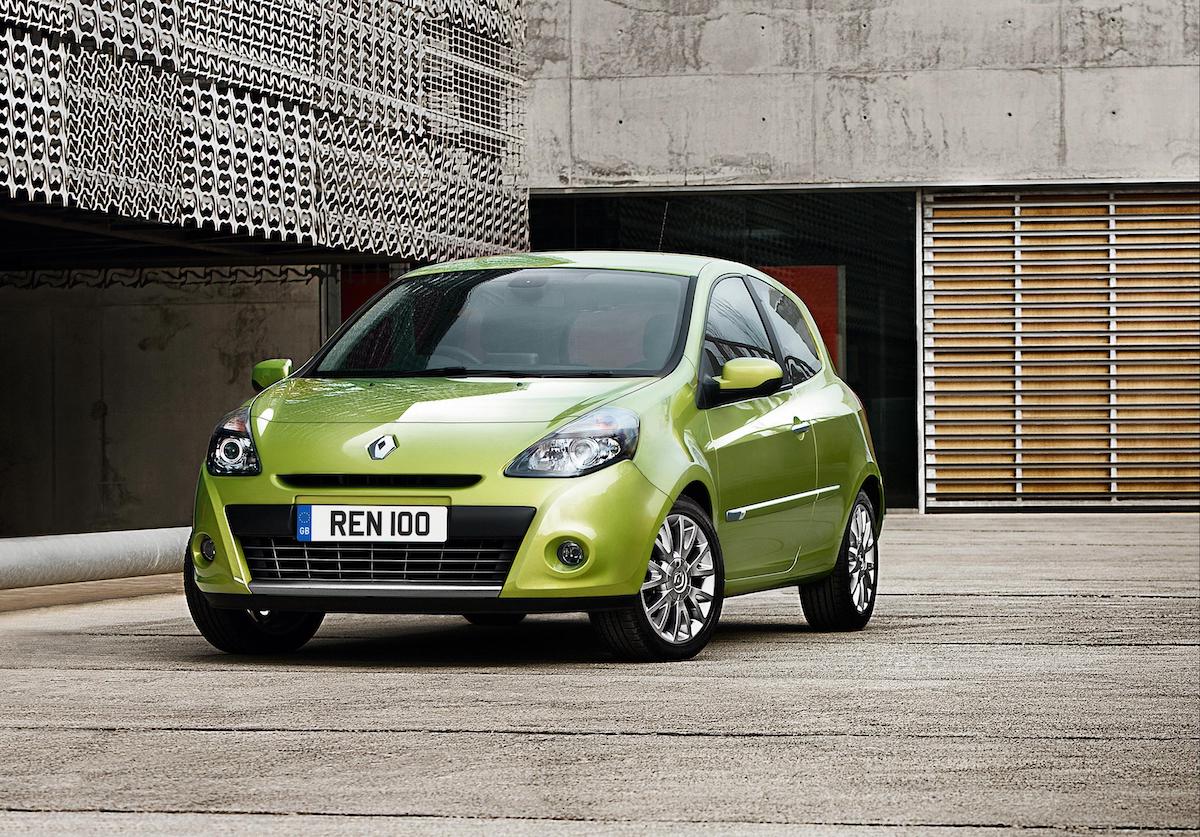
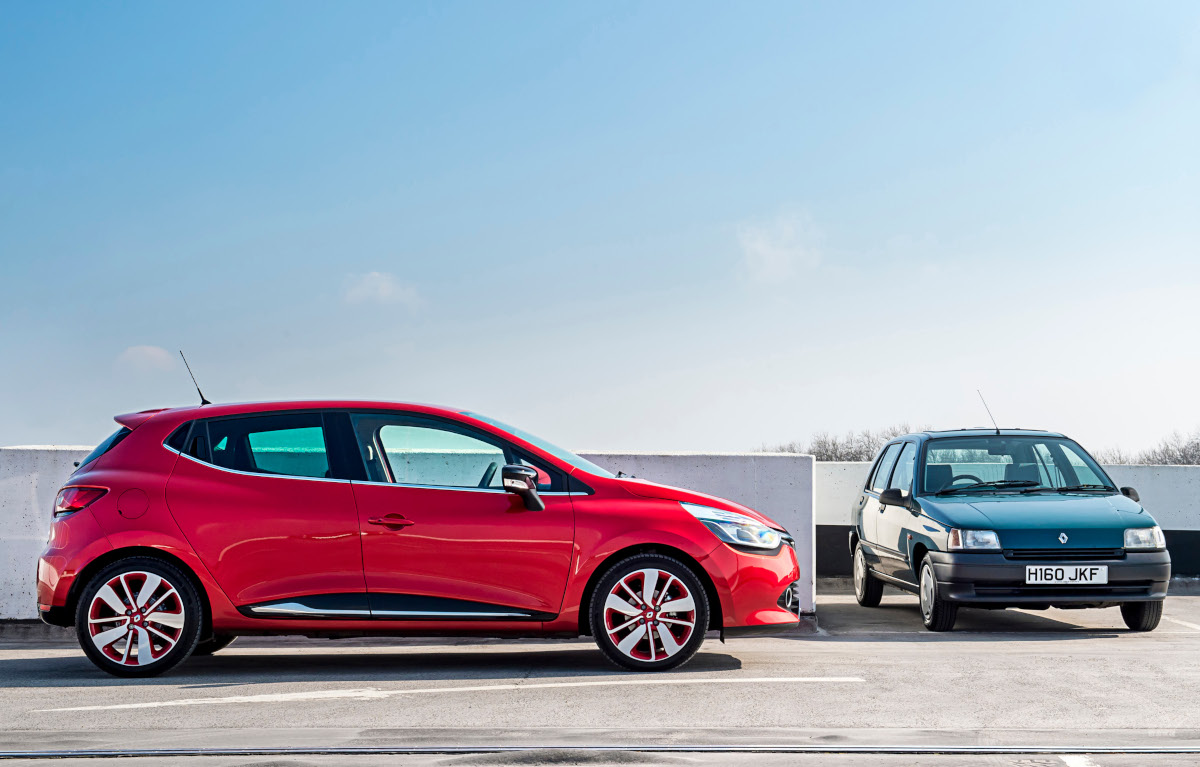
The Renault Clio is a long-running French supermini that has been a familiar sight on British roads since the original arrived in 1990. More than one million examples have been sold in Britain, contributing to global sales of over 16 million, making it one of Renault’s most successful vehicles ever.
The current Clio is an extensively updated version of the fifth-generation car, which was first introduced in 2019. A major facelift in 2023 ushered in refreshed styling inspired by newer Renault models such as the Austral and Megane E-Tech, along with changes to the trim structure, technology and engine lineup. Several familiar variants were dropped, including all diesel engines, leaving a simplified range that is focused on efficiency and electrification.
The current Clio competes with popular superminis such as the Volkswagen Polo, Peugeot 208, Skoda Fabia, Citroen C3 and Toyota Yaris. A new-generation Clio is expected to launch in the UK in 2027, but this model will remain on sale until it arrives.

Practicality
How practical is it?
The facelifted Clio is just as practical as before. That is to say, there’s plenty of space in the front seats and plenty of adjustment for your driving position. Visibility could be better at the front quarters of the car due to the thick pillars that flank the windscreen, but it’s far from catastrophic and your rearward view is clearer than most.
The rear seats have an acceptable amount of room compared with other superminis, but no better than that. Both headroom and legroom are on the tight side, so tall passengers will feel hemmed in. The rear bench is quite wide, though, making it marginally more comfortable than most superminis when carrying three in the back, yet it’ll still be a squeeze. There’s a hump in the floor in front of the middle passenger, although it won’t get in the way of their feet too much.
On paper, the Clio’s boot space looks huge at 391 litres: that's not only bigger than most superminis, but even than some cars from the class above, including the Volkswagen Golf. There’s a fairly tall load lip to negotiate when loading heavy items in, and a step up to the 60:40 split rear seats when you fold them down. Fortunately, both can be levelled out using the moveable boot floor if you don’t require maximum capacity. It’s also worth noting that the hybrid’s boot is much smaller, at 301 litres. That’s still more than some rivals, but plenty of others have it beaten.

Driving
What’s it like to drive?
The Clio is a very grown-up-feeling car, especially on the motorway, with a pliant, comfortable ride, calm refinement and light controls. Overall, it’s a very easy car to drive. It’s fair to say that you’ll be more satisfied than excited – a Ford Fiesta is far more entertaining and engaging in the corners due to its superior grip, sharper responses and weightier, more involving steering – but there’s very little that flusters the Clio. Your driving life should be drama-free.
Two engines are currently available. The first is a 1.0-litre, three-cylinder TCe turbocharged petrol producing 90bhp, which offers acceleration that feels eager and smooth, if not particularly quick. Alongside it is the E-Tech self-charging hybrid, which combines a 1.6-litre four-cylinder petrol engine with an electric motor and a 1.2kWh battery to deliver 143bhp.
The Clio E-Tech hybrid is the faster version, with a 0-62mph time of 9.3 seconds. But while its performance is perfectly adequate, it never feels especially sprightly. It does, however, blend its various power sources smoothly, so things stay civilised most of the time. The petrol engine can make a fair old racket on the rare occasions it needs to work hard, though.

Tech and equipment
Technology, equipment & infotainment
The latest Clio has four trim levels to choose from, including the entry-level Generation, which offers a simplified specification to keep the price low by modern supermini standards. Highlights include 16-inch steel wheels, a 7.0-inch touchscreen infotainment system, a 7.0-inch digital instrument cluster, automatic headlights and wipers, tinted rear windows, two USB ports and three driving modes.
The next rung up the ladder is called Techno+. This adds 17-inch diamond-cut alloy wheels, chrome exterior trim, an electronic parking brake, heated seats, a wireless phone charger, front- and rear parking sensors, and a reversing camera. Next up is the Techno Esprit Alpine, which adds a 10.0-inch digital instrument cluster, 9.3-inch touchscreen infotainment system, and interior and exterior cosmetic upgrades inspired by the Alpine brand. Finally, the flagship Iconic Esprit Alpine boasts a heated steering wheel, a Bose nine-speaker audio system, adaptive cruise control and a 360-degree camera.
Whichever Clio you choose, the user interface isn’t the most intuitive, and the graphics can be glitchy and look dated. You’ll likely get annoyed with the navigation system’s ambiguous instructions, too, so you’re best off just hooking up your phone to the integration software and using your mapping app of choice.
Running costs
Renault Clio running costs
On list price alone, the Clio is priced aggressively compared with its rivals. That applies to both the petrol model and the hybrid. In fact, with the hybrid, opting for a Clio could save you thousands compared to a Honda Jazz or Toyota Yaris Hybrid.
As for efficiency, no prizes for guessing that the hybrid is the star of the show. Official WLTP-tested figures suggest average fuel economy of up to 65.7mpg and CO2 emissions as low as 98g/km, which isn’t game-changing in hybrid terms, but it’s not half bad. The figures for the more conventional turbocharged petrol engine are respectable as well, with average fuel economy of 54.3mpg and CO2 emissions at 118g/km.
Insurance costs are competitive, with even a Clio E-Tech hybrid in flagship Iconic Esprit Alpine trim slotting into group 16. Cars with the standard petrol engine will be even cheaper to insure, especially if you choose the Generation model.

Renault Clio reliability
Once upon a time, Renault offered its customers an impressive (but still not class-leading) warranty package of five years and 100,000 miles. Those days are no more. Today, you get unlimited-mileage cover for the first two years, and then a third year of cover up to a limit of 60,000 miles. That’s the bare minimum you should expect on a new car, and when considered alongside the way-more-generous warranties offered by certain Korean and Japanese brands, it looks rather mean. The traction batteries in Renault’s E-Tech hybrid models, meanwhile, are covered for eight years or 100,000 miles, which is also pretty par-for-the-course.
The 2025 What Car? Reliability Survey would suggest that you’ll get a pretty average level of reliability from your Clio. The car placed equal 18th out of 26 vehicles considered in the small car class. Meanwhile, Renault itself was ranked 20th out of 30 brands in the manufacturer survey.


What owners say
Cracking little car. We bought it for our son who is 6’ 3”” and there’s plenty of space in it. Great little runner. Would highly recommend.
29 March 2025Budget friendly and family oriented car. Best choice i made while choosing new car.
29 February 2024Good styling and SPEC. But as with all Renault vehicles poor build quality and high depreciation.
26 July 2021Three things to know
- When it comes to safety equipment, even the basic Generation trim comes with a good amount, including front and rear parking sensors, hill-start assist, cruise control with a speed limiter, rear-view camera, automatic emergency braking, lane-keep assist, lane departure warning, automatic headlights and wipers, and road sign recognition. The Clio achieved a five-star crash rating from Euro NCAP in 2019.
- If you choose the 90 horsepower turbocharged petrol, it comes with a six-speed manual gearbox. Go for the hybrid, meanwhile, and you get an automatic transmission that is integrated with the hybrid system.
- Renault also places strong emphasis on sustainability, with synthetic leather replacing traditional hides, plus interior fabrics that incorporate bio-based fibres derived from renewable sources.
Which one to buy
- If you’re not fussed about having a hybrid Clio: The basic turbocharged petrol should be an appealing option for many private buyers, and the efficiency figures for this non-hybrid version still look fairly compelling. Remember also that in this form, the Clio has a huge boot.
- If you’re looking to keep costs down: The entry-level Generation trim is the most affordable, but it does miss out on some desirable items of standard kit. If you can afford to, we’d recommend an upgrade to Techno+ trim.
- If you’re after the best balance of equipment and cost: The third-tier Techno Esprit Alpine trim provides it, as it adds some bits of kit that you’ll really want, not least the 10.0-inch digital instrument cluster and 9.3-inch infotainment system. Choosing this trim will likely boost your car’s resale value slightly, too.
- If you’re prepared to pay for maximum luxury: Why not go the whole hog and choose the range-topping Iconic Esprit Alpine trim? This version looks the sharpest inside and out, has a heated steering wheel and an impressive Bose audio system.


Pricing trends
Starting RRP
£14,833
Current avg. market price
£14,316
Trending down by 4.8% this month
April 2026 - October 2026
More on the Renault Clio (2023 - 2026)



Compare 2026 Renault Clio Trims
The 2026 Renault Clio offers a range of trims from budget-friendly options to fully loaded hybrids, catering to diverse preferences and needs.
- Starting at £17,299
- Most Popular: 1.0 Tce 90 Evolution 5dr
Trim Overview
Prices updated weekly from CarGurus listings.
| 1.0 Tce 90 Evolution 5dr (Most Popular) | 1.0 Tce 90 Techno 5dr | 1.0 Tce 90 Techno Esprit Alpine 5dr | 1.6 E-tech Full Hybrid 145 Evolution 5dr Auto | 1.0 Tce 90 Esprit Alpine 5dr | 1.6 E-tech Full Hybrid 145 Techno 5dr Auto | 1.6 E-tech Full Hybrid 145 Esprit Alpine 5dr Auto | |
|---|---|---|---|---|---|---|---|
| Starting MSRP | £17,800 | £19,400 | £19,785 | £20,790 | £21,000 | £22,390 | £23,990 |
| Avg. Market Price | £19,232 | £19,232 | £18,636 | £17,299 | £19,232 | £17,949 | £18,499 |
| Positioning | Best value | Standard | Standard | Standard | Standard | Standard | Fully loaded |
| Standout Features | Cruise Control, Navigation System, Parking Assist | Parking Assist, Backup Camera, Cruise Control | Backup Camera, Navigation System, Heated Seats | Cruise Control, Navigation System, Parking Assist | Cruise Control, Android Auto, Heated Seats | Parking Assist, Backup Camera, Climate control | Parking Assist, Adaptive Cruise Control, Heated Seats |
| Drivetrain | FWD | FWD | FWD | FWD | FWD | FWD | FWD |
| Listings Available | 125 | 106 | 13 | 69 | 47 | 65 | 38 |
Quick Compare Table
Listing prices sourced from CarGurus — updated weekly. OEM specs from manufacturer data.
| 1.0 Tce 90 Evolution 5dr | 1.0 Tce 90 Techno 5dr | 1.0 Tce 90 Techno Esprit Alpine 5dr | 1.6 E-tech Full Hybrid 145 Evolution 5dr Auto | 1.0 Tce 90 Esprit Alpine 5dr | 1.6 E-tech Full Hybrid 145 Techno 5dr Auto | 1.6 E-tech Full Hybrid 145 Esprit Alpine 5dr Auto | |
|---|---|---|---|---|---|---|---|
| AI Summary | Best value trim with essential features | Well-equipped with tech upgrades | Sporty design with premium features | Affordable hybrid option | Stylish with added comforts | Hybrid with tech-savvy features | Fully loaded with advanced tech |
| Avg. Market Price | £19,232 | £19,232 | £18,636 | £17,299 | £19,232 | £17,949 | £18,499 |
| MSRP | £17,800 | £19,400 | £19,785 | £20,790 | £21,000 | £22,390 | £23,990 |
| Engine | 999.0cc 90 hp I3 | 999.0cc 90 hp I3 | 999.0cc 90 hp I3 | 1598.0cc 143.0 hp I4 | 999.0cc 90 hp I3 | 1598.0cc 143.0 hp I4 | 1598.0cc 143.0 hp I4 |
| Drivetrain | FWD | FWD | FWD | FWD | FWD | FWD | FWD |
| Cruise Control | ✓ | ✓ | ✓ | ✓ | ✓ | ✓ | ✓ |
| Navigation System | ✓ | ✓ | ✓ | ✓ | ✓ | ✓ | ✓ |
| Parking Assist | ✓ | ✓ | ✓ | ✓ | ✓ | ✓ | ✓ |
| Apple CarPlay | ✓ | ✓ | ✓ | ✓ | ✓ | ✓ | ✓ |
| Android Auto | ✓ | ✓ | ✓ | ✓ | ✓ | ✓ | ✓ |
| Air Conditioning | ✓ | ✓ | — | ✓ | — | ✓ | ✓ |
| isofix | ✓ | ✓ | — | ✓ | ✓ | ✓ | ✓ |
| Bluetooth | ✓ | ✓ | ✓ | ✓ | ✓ | ✓ | — |
| Stop/Start System | ✓ | ✓ | — | ✓ | — | ✓ | ✓ |
| Alarm/Immobiliser | ✓ | — | — | — | — | — | — |
| DAB Radio | ✓ | — | ✓ | ✓ | ✓ | — | — |
| Backup Camera | — | ✓ | ✓ | — | ✓ | ✓ | ✓ |
| Climate control | — | ✓ | — | — | — | ✓ | — |
| AUX/USB connectivity | — | — | ✓ | ✓ | ✓ | — | — |
| Heated Seats | — | — | ✓ | — | ✓ | — | ✓ |
| Heated Steering Wheel | — | — | ✓ | — | — | — | — |
| Adaptive Cruise Control | — | — | — | — | — | — | ✓ |
| Active Listings | 125 | 106 | 13 | 69 | 47 | 65 | 38 |
Missing data displayed as "—".
Trim Deep Dives
1.0 Tce 90 Evolution 5dr — "Who It's For"
The 1.0 Tce 90 Evolution is the pick for shoppers who want essential features and value without overspending. It's also the most popular trim in the lineup.
- Avg. market price: £19,232 (updated weekly)
- Inventory: 125 listings — lower availability; may limit negotiating room
- View 1.0 Tce 90 Evolution listings
1.0 Tce 90 Techno 5dr — "Who It's For"
The 1.0 Tce 90 Techno is ideal for buyers seeking a balance of tech features and affordability without going for the top trim.
- Avg. market price: £19,232 (updated weekly)
- Inventory: 106 listings — lower availability; may limit negotiating room
- View 1.0 Tce 90 Techno listings
1.0 Tce 90 Techno Esprit Alpine 5dr — "Who It's For"
The 1.0 Tce 90 Techno Esprit Alpine is for those who want a sporty look and premium features without the highest price tag.
- Avg. market price: £18,636 (updated weekly)
- Inventory: 13 listings — lower availability; may limit negotiating room
- View 1.0 Tce 90 Techno Esprit Alpine listings
1.6 E-tech Full Hybrid 145 Evolution 5dr Auto — "Who It's For"
The 1.6 E-tech Full Hybrid 145 Evolution is perfect for eco-conscious shoppers looking for a hybrid option at an accessible price.
- Avg. market price: £17,299 (updated weekly)
- Inventory: 69 listings — lower availability; may limit negotiating room
- View 1.6 E-tech Full Hybrid 145 Evolution listings
1.0 Tce 90 Esprit Alpine 5dr — "Who It's For"
The 1.0 Tce 90 Esprit Alpine is suited for buyers wanting stylish features and comfort without stepping up to the hybrid models.
- Avg. market price: £19,232 (updated weekly)
- Inventory: 47 listings — lower availability; may limit negotiating room
- View 1.0 Tce 90 Esprit Alpine listings
1.6 E-tech Full Hybrid 145 Techno 5dr Auto — "Who It's For"
The 1.6 E-tech Full Hybrid 145 Techno is for tech-savvy shoppers who want hybrid efficiency with modern features.
- Avg. market price: £17,949 (updated weekly)
- Inventory: 65 listings — lower availability; may limit negotiating room
- View 1.6 E-tech Full Hybrid 145 Techno listings
1.6 E-tech Full Hybrid 145 Esprit Alpine 5dr Auto — "Who It's For"
The 1.6 E-tech Full Hybrid 145 Esprit Alpine is for those who desire a fully loaded hybrid with advanced tech and comfort features.
- Avg. market price: £18,499 (updated weekly)
- Inventory: 38 listings — lower availability; may limit negotiating room
- View 1.6 E-tech Full Hybrid 145 Esprit Alpine listings
Trim Recommendations
Most Popular — 1.0 Tce 90 Evolution 5dr
With 125 active listings, the 1.0 Tce 90 Evolution is the clear volume leader in the lineup.
Browse 1.0 Tce 90 Evolution listings
Best Budget Option — 1.6 E-tech Full Hybrid 145 Evolution 5dr Auto
At £17,299 avg market price — below the lineup median of £18,636 — it's the most accessible entry point.
Browse 1.6 E-tech Full Hybrid 145 Evolution listings
These recommendations are based on CarGurus' proprietary market data from October 22, 2026, CarGurus experts' opinions, and generative AI.

