Let’s talk about tax. No, no! Don’t leave... This will be interesting, I promise. You may have heard of the luxury car tax. You may even have paid the luxury car tax. Also known as the premium car tax, or more formally as the ‘Expensive Car Supplement’ (ECS), this is an additional levy applied in the UK to any new cars costing more than £40,000 after options.
As of April 2025, the ECS costs £425 per year from years two- to six of ownership. It’s also now owed on EVs and hybrids, which were excluded until April 2025. This is all in addition to standard VED road tax that every vehicle must pay, and which now costs £195 per year (from the second year of ownership) on electric cars.
The ECS applies to used cars, too. So, if you buy a second-hand petrol or diesel car that costs over £40,000 when new and was registered after April 2017, or a used EV that was registered after April 2025, you must pay the remaining ‘premium car tax’ payments.
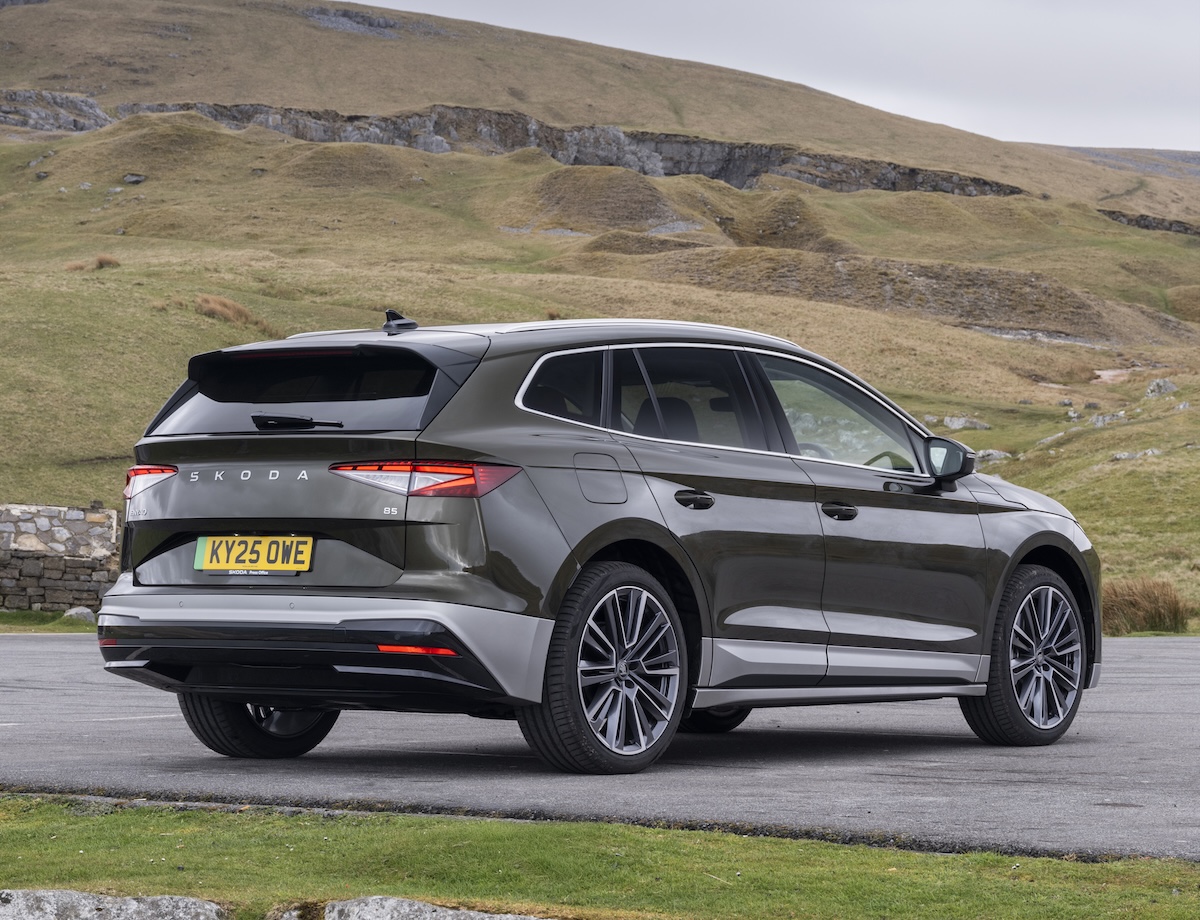
Picture this, then: You’re browsing the CarGurus listings for a nearly-new Skoda Enyaq. You find a very smart, new-shape model with the big battery and four-wheel drive. Bingo. This is what you’re after. It’s only got 3,000 miles on it, it’s down to under £40,000 from the list price of nearly £49,000. Bargain! But, hang on… It was registered in April this year, which means that you’re now going to owe £425 per year in ‘luxury car tax’ once the car is a year old. Not forgetting the standard £195 per year VED road tax that is owed on top of that for any EV, as well. So, following the car’s first birthday, it’ll cost you £620 per year to tax (and that’s assuming no future increases in the current rate).
The question I can’t help but ask is, is a second-hand Skoda Enyaq really a luxury purchase? Or how about a new Skoda Elroq with a sunroof? A Toyota C-HR hybrid with metallic paint? I mean, come on – they’re all nice cars that plenty of us would envy, but surely these can’t be the kind of ‘luxury’ vehicles that the government had in mind when it introduced this tax (with the same £40,000 threshold) back in 2017.
And while electric cars have come down in price, and in some cases are close in price to non-electrified equivalents, they’re still more expensive on average and therefore you’re more likely to be penalised by this tax if you’re considering an electric car.
This is all having a big impact on retail purchases, of course, and also on fleet – which still accounts for a majority of EV sales. After all, the ECS means that a big battery VW ID.3 could effectively cost three times more to tax than a similarly equipped VW Golf. And that is plain madness.
How is this useful in a market where the government’s supposed to be encouraging EV adoption, then? It’s not only removing the incentives to buy an EV, but is now actively disincentivising it. All of this, just when manufacturers are already struggling to meet the ZEV mandate for this year, which requires 28% of their new vehicle sales to be electric – or face huge fines as a result.
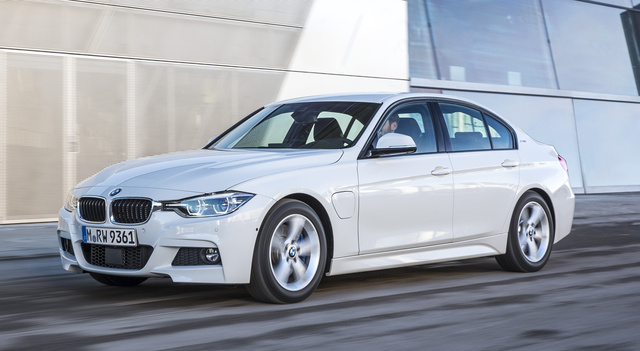
And it’s not just electric vehicles that will be greatly affected by this - it’s a huge problem for all kinds of cars. After all, the models that cost more than £40,000 back in 2017 when the tax was first introduced may well have been deemed luxury. But a lot has changed since then. A base-spec, new BMW 320i started at £31,000 in the UK in 2017. Today? The same 320i starts at just over £41,000, meaning that it’s now subject to the ECS tax. Yet the price barrier at which the UK government deems a car to be a luxury purchase hasn’t changed at all.
Answer me this: why is VED road tax routinely adjusted upwards in line with inflation, but the list price at which the ‘luxury’ car tax is applied isn’t also linked? Wouldn’t that make sense? That’d mean that, today, the luxury car tax would apply to cars costing closer to £50,000, which is a bit more like what you’d consider a luxury car price. I’m still not sure I’d be in favour of it even at that price, but it’d at least seem fairer than throwing such a huge tax on people who are buying a perfectly non-excessive, sensible family car.
Let’s not forget that this tax isn’t going to bother those who are buying a truly indulgent car. You don’t care about £2,125 in extra tax if you’re currently debating whether to have your Rolls-Royce’s Spirit of Ecstasy in crystal or chrome. But you do if you’re considering whether to finance a Golf plug-in hybrid, a compact electric Kia, or an entry-level petrol 3-Series. It might even put you off altogether.
To state the obvious, here - we need to sell new cars. We need that to happen in order to support some 850,000 jobs that are related to car manufacturing and sales in the UK alone. We need it to happen in order to feed the used car market. We need people and businesses to want to buy new, nearly-new and used cars, otherwise every area of the automotive ecosystem suffers.
Of course, you can lean out of your 20-year-old Passat and question why anybody would buy a brand new car. I love the ‘bangernomics’ thinking of buying cheap cars and keeping them running; it’s economically sensible, and I wholeheartedly support it.
But I wholeheartedly understand and support those people who want to buy a new or nearly-new car, too. And if they don’t buy something now, you’re stuffed when it comes to bangernomics purchases in a decade or two. You might even be stuffed a bit sooner than that, because with factors – not least of which is the ECS tax – making motorists question whether to buy a newer car at all, demand for older cars is rising.
The average car in the UK is now 9.5 years old according to the SMMT, compared with eight years old in 2019. That’s a steep rise. And yes, there are huge factors including Covid and the cost of living crisis affecting that, but surely the impact of the ECS is already being felt on sales of all affected cars, and especially of EVs.
So, why does the government continue to remove incentives for retail buyers looking at an electric car? There’s no discount on home car chargers any more, there’s no discount on the car itself…. All of the incentives come from the manufacturers themselves, who are squirming under the magnifying glass of legislation that gets stricter and more costly for them every year. And who are trying to sell cars to consumers who – understandably - might struggle to see why they should go electric.
So, look, I can see the wisdom in applying a luxury car tax, and it’s only reasonable that electric cars pay road tax, too. But the ECS is a peculiar form of punishment right in the heartland of the mainstream car market.
There are rumours that the chancellor will amend the £40,000 barrier for the ECS, but rumours aren’t enough. And if it’s going to be amended, let’s apply it to cars that cost £65,000 and more. Really make it a tax for those who can afford it, not for those who are simply trying to have a comfortable existence by buying a nice, reliable new- or nearly-new car – electric or otherwise. Because with the current parameters, the government’s ‘luxury car tax’ is hurting everyone apart from those who are actually buying a luxury car.


