
If you're in the market for a premium compact SUV but want to stand out from the usual German crowd, the Volvo XC40 and Lexus UX offer two very different, very stylish alternatives. Both cars trade on their unique design and upmarket feel, but they go about their business in distinct ways.
The XC40 brings cool Scandinavian design to the party, with a focus on comfort, safety, and family-friendly practicality. The Lexus UX, meanwhile, is all sharp angles and futuristic looks, powered exclusively by a super-efficient hybrid system. One is a brilliant all-rounder, the other a specialist in style and economy. So, which one is the right fit for you?
Volvo XC40 vs Lexus UX 250h
- Practicality
- Driving Impressions
- Technology and Equipment
- Running Costs
- CarGurus Buyer Insights
- Verdict

Practicality
Volvo XC40 practicality score: 4/5
Lexus UX 250h practicality score: 3/5
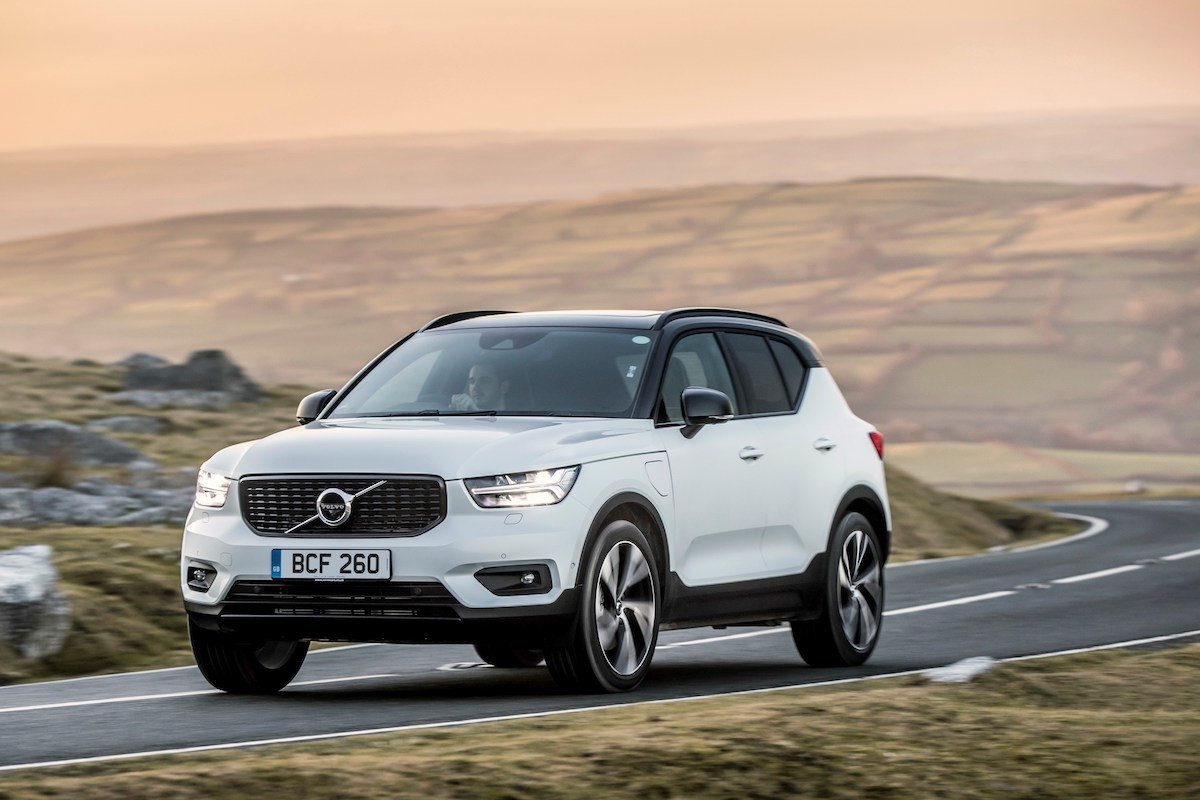
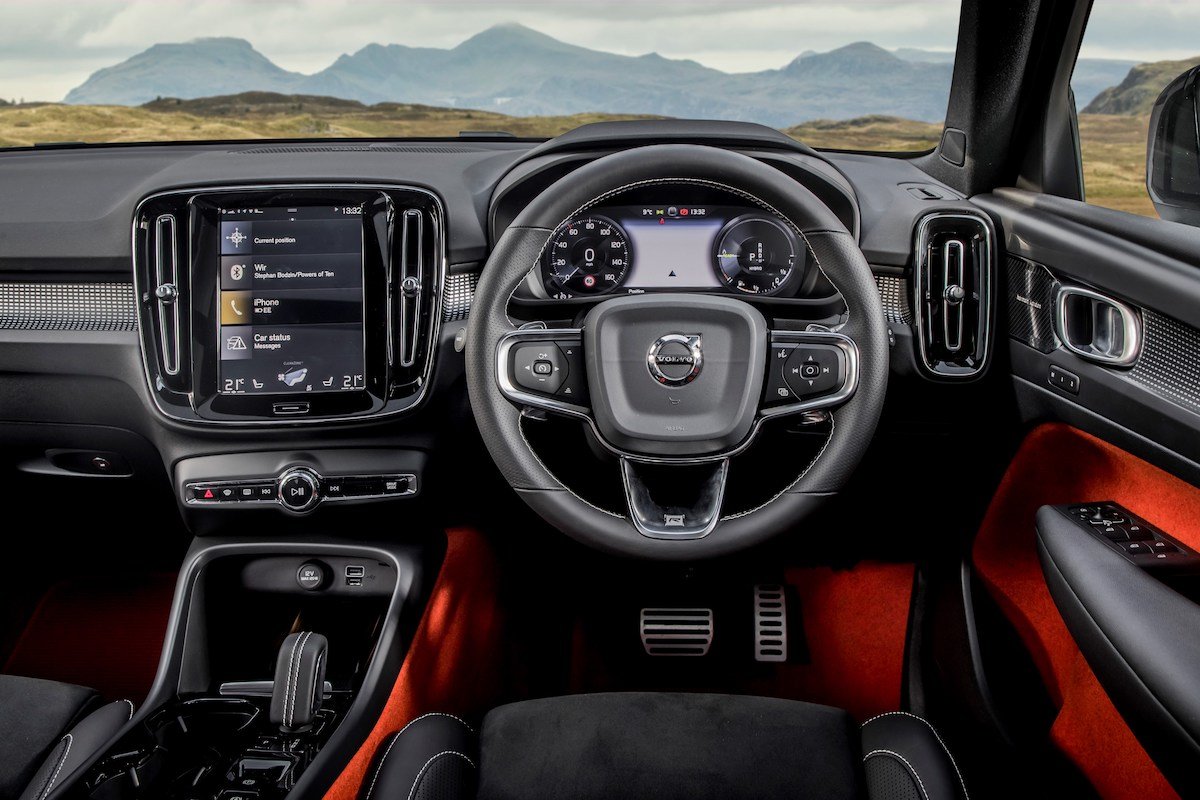
This is where the two cars really show their different priorities. The Volvo XC40 is a clear winner for anyone with a family. Its boxy shape translates into a spacious and airy cabin with plenty of headroom and legroom for everyone. The rear seats are comfortable, and the boot is a generous and well-shaped 452 litres, making it perfect for weekend trips or the school run. Volvo has also packed it with clever storage solutions.
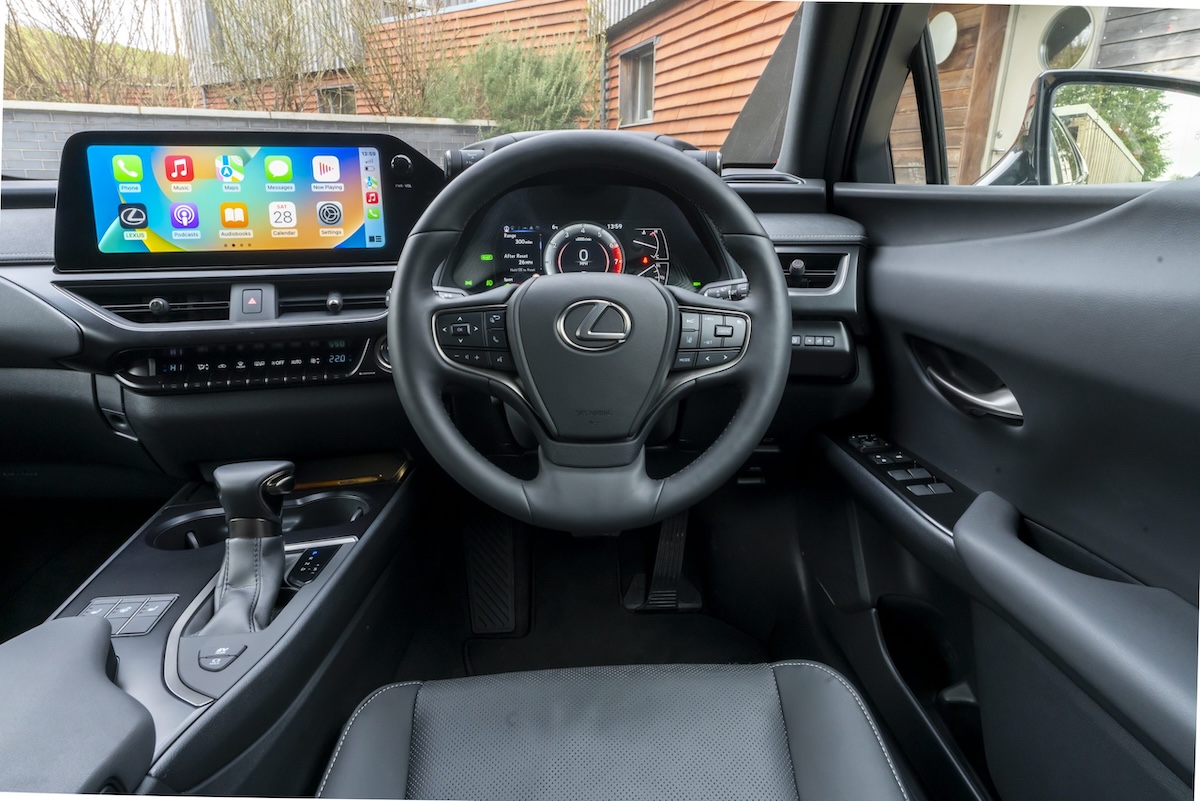
The Lexus UX, on the other hand, prioritises sharp styling over outright space. While front-seat passengers are well catered for, those in the back will find it noticeably tighter than the Volvo, with less head and legroom. The boot is the biggest compromise, offering just 320 litres of space – that's less than you'd find in some superminis. If you need to carry more than a couple of weekend bags, the XC40 is the obvious choice.
Driving Impressions
Volvo XC40 driving score: 4/5
Lexus UX 250h driving score: 3/5
True to its brand identity, the Volvo XC40 is all about comfort. The suspension does a great job of soaking up bumps, making it a relaxing car to drive whether you're in town or on the motorway. The steering is light and easy, which is great for parking, and while it's not the sportiest SUV in its class, it always feels safe and secure. It’s the ideal companion for a stress-free journey.
The Lexus UX plays a different game. Its name stands for 'Urban Crossover', and that’s where it shines. The self-charging hybrid system is incredibly smooth and quiet at low speeds, making it a dream to drive in traffic. It’s refined and impressively economical. The only fly in the ointment is the CVT automatic gearbox, which can make the engine drone loudly under hard acceleration. For calm, city-based driving, the UX is excellent, but for all-round comfort and refinement, the XC40 has the edge.
Technology and Equipment
Volvo XC40 technology and equipment score: 4/5
Lexus UX 250h technology and equipment score: 4/5
Both cars come with plenty of desirable kit, but the user experience is worlds apart. The XC40’s cabin is dominated by a large, portrait-oriented touchscreen. While early versions could be a little slow, later models with Google's built-in software are fantastic – fast, intuitive, and easy to use. It’s one of the best systems on the market.
The Lexus, however, is let down by its infotainment controls. Instead of a touchscreen, it uses a fiddly touchpad controller, like one on a laptop. It’s frustrating to use when you're parked and borderline impossible to operate safely on the move. While the system does support Apple CarPlay and Android Auto, which helps, the fundamental interface is a major weak point. For ease of use, the Volvo is in a different league.
Running Costs
Volvo XC40 running costs score: 4/5
Lexus UX 250h running costs score: 4/5
When it comes to keeping costs down, it's a very close race. The Volvo XC40 is a desirable car, which means it holds its value very well. This helps to reduce the overall cost of ownership, especially if you're buying on a PCP finance deal.
The Lexus UX 250h hits back with its trump card: fuel economy. Thanks to its clever hybrid system, it can officially achieve over 50mpg, which is seriously impressive for a premium SUV. The biggest draw for Lexus, however, is its incredible reputation for reliability, backed by the option of a warranty that can extend up to 10 years or 100,000 miles if you get it serviced at a main dealer. That level of peace of mind is hard to beat.
CarGurus Buyer Insights
| Volvo XC40 | Lexus UX 250h | |
|---|---|---|
| CarGurus expert rating | 4 out of 5 | 3 out of 5 |
| CarGurus user rating | 4.5 out of 5 | 4.5 out of 5 |
| Percentage of good/great deals available on CarGurus* | 31.7% | 31.2% |
| Overall CarGurus rating | 4.4 out of 5 | 4.1 out of 5 |
The Verdict
Volvo XC40 Overall CarGurus rating: 4.4/5
Lexus UX 250h Overall CarGurus rating: 4.1/5
While both of these premium SUVs offer a compelling alternative to the mainstream, there can only be one winner. Based on our comprehensive CarGurus Buyer Insights, the victory goes to the Volvo XC40.
The XC40 scores a higher Overall CarGurus rating thanks to its superb blend of style, comfort, and, crucially, practicality. It’s a car that excels as a family-friendly all-rounder, offering more space, a better infotainment system, and a wonderfully relaxing driving experience that will suit more buyers, more of the time.
This isn’t to say the Lexus UX 250h should be overlooked. If your priorities are head-turning style, rock-bottom running costs, and bulletproof reliability, it’s a fantastic choice. It’s a brilliant urban vehicle. However, its cramped interior and frustrating technology hold it back from being the best all-round package. For its superior versatility and user-friendliness, the Volvo XC40 takes a well-deserved win.
Volvo XC40 Pros and Cons
| Pros | Cons |
|---|---|
| Spacious and practical interior | Early infotainment systems can be clunky |
| Comfortable and refined ride | Not as sharp to drive as some rivals |
| Stylish design and high-quality cabin | Some suspension noise over sharp bumps |
Lexus UX 250h Pros and Cons
| Pros | Cons |
|---|---|
| Excellent fuel economy | Frustrating touchpad infotainment system |
| Striking and distinctive styling | Cramped rear seats and small boot |
| Superb reliability and long warranty potential | CVT gearbox can be noisy when accelerating |
*The Overall CarGurus rating: that informs these recommendations is based on CarGurus' proprietary market data from January 2026, CarGurus expert reviews, and CarGurus user reviews.