Audi RS6 Avant C7 Review (2013-2018)

CarGurus expert score
Pros and cons
What we like
Supercar performance meets estate car practicality
Beautifully made and spacious cabin
Four-wheel drive helps the driver use the RS6's performance, even in wet weather
What to consider
Not as much fun as a BMW M5
Hugely thirsty V8 engine
No saloon version
The CarGurus verdict
The Audi RS6 Avant isn’t the sharpest of the big premium performance cars, but it does still have plenty of appeal as a big bruiser of a machine, and a worthy alternative to the large performance SUVs that have recently flooded the market. Cars like the BMW M5 or Mercedes-AMG E63 offer a more engaging driving experience, but the RS6’s monstrous power, and its ability to rocket away from standstill at the flex of a right foot, should always put a smile on the driver’s face. On top of that it’s beautifully made inside and has more than enough space for the family. Drive it normally and it’s just a fancy-looking A6, but give it some beans and it’ll rival most other cars for pace. Try one, and we dare you not to like it.
out of 5 expert review
What is the Audi RS6?
The Audi A6 has long been a default choice for those looking at large, premium executive cars. And for those that needed added practicality, an estate version – called the Avant – made a lot of sense. But what about those that didn’t want practicality to get in the way of their love of horsepower? Sure, there was the fairly powerful S6, which had been around since the mid-90s, but some people wanted more. Enough people for Audi to put some effort into pleasing them.
That’s where the RS6 came in. First introduced in 2002, it further upgraded the S6 by putting a tuned V8 engine underneath the bonnet. A second-generation version, powered by a V10 engine, followed in 2008, but this is the third-generation car, known by the codename C7 and introduced in 2013 with a V8 engine that may have been less powerful, but resulted in a faster car.
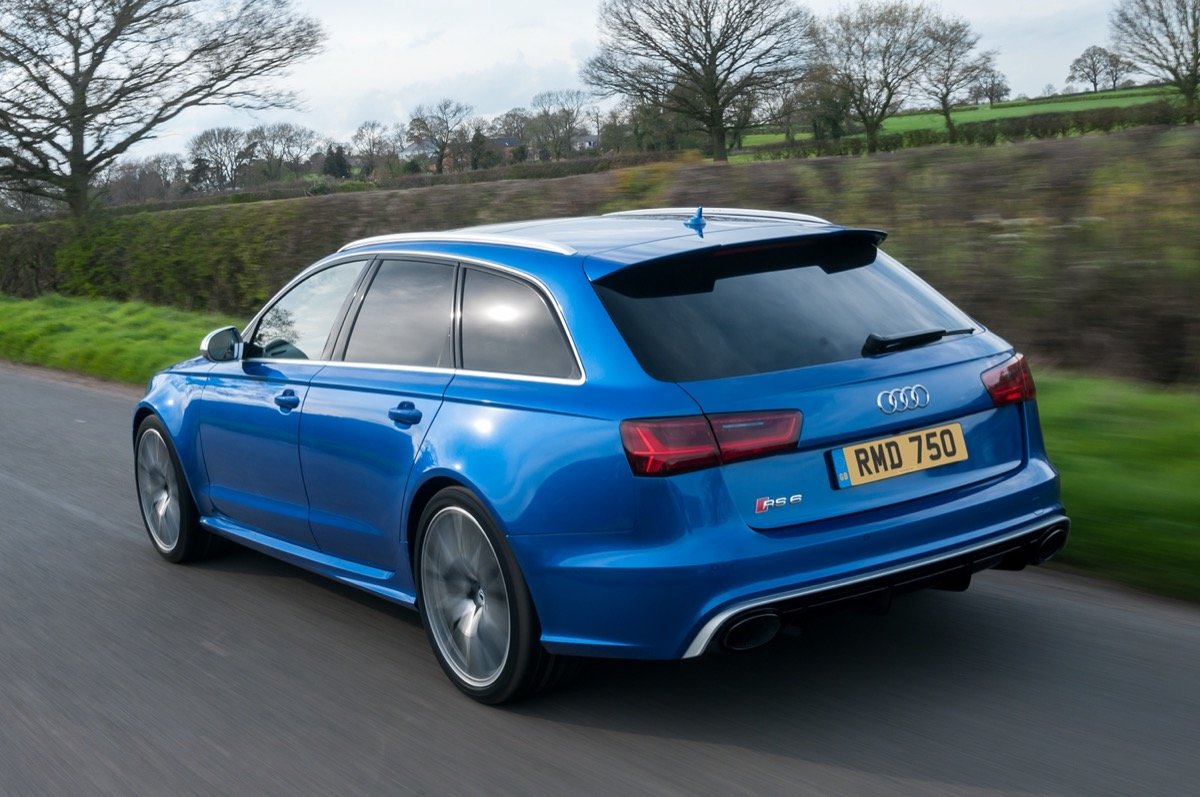
While previous RS6’s were available both as a saloon and as an estate, the C7 RS6 is Avant-only. Mercedes-AMG’s rival, the E63, comes as either a saloon or an estate, as does Jaguar’s XFR-S. Interestingly, BMW’s M5 is saloon only.
Practicality
How practical is it?
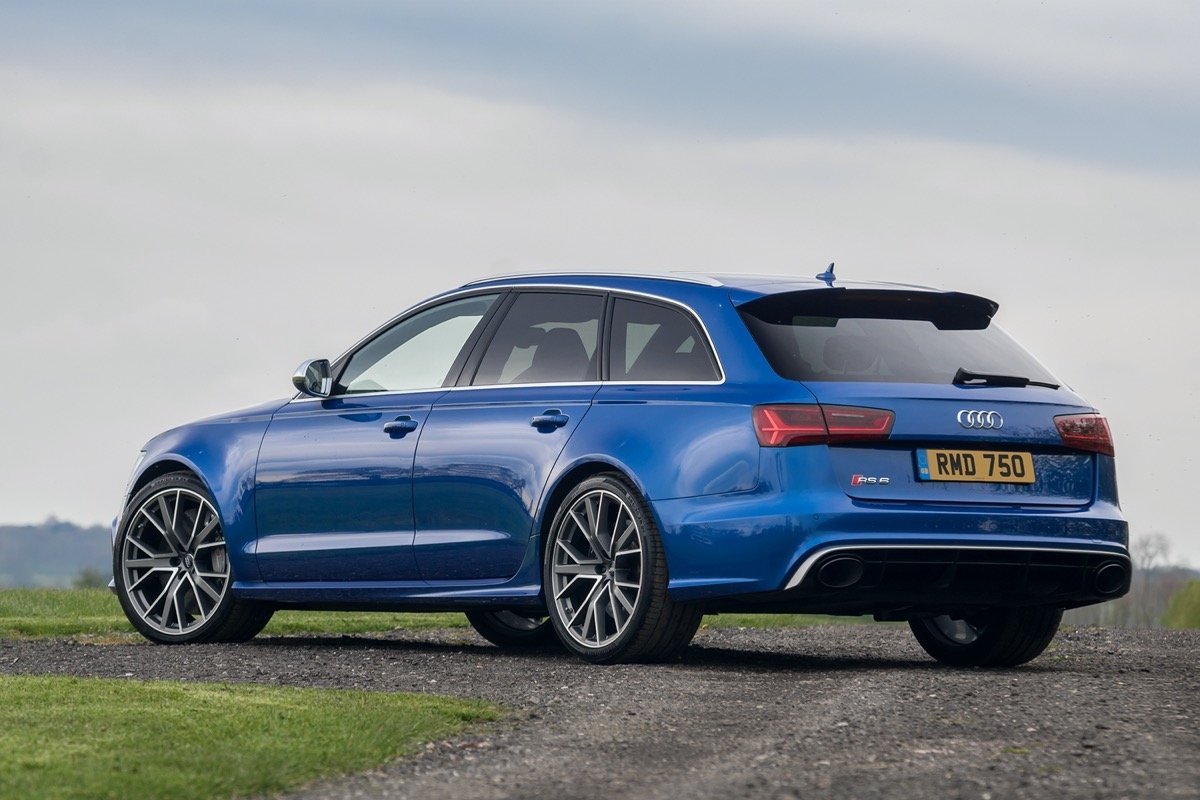
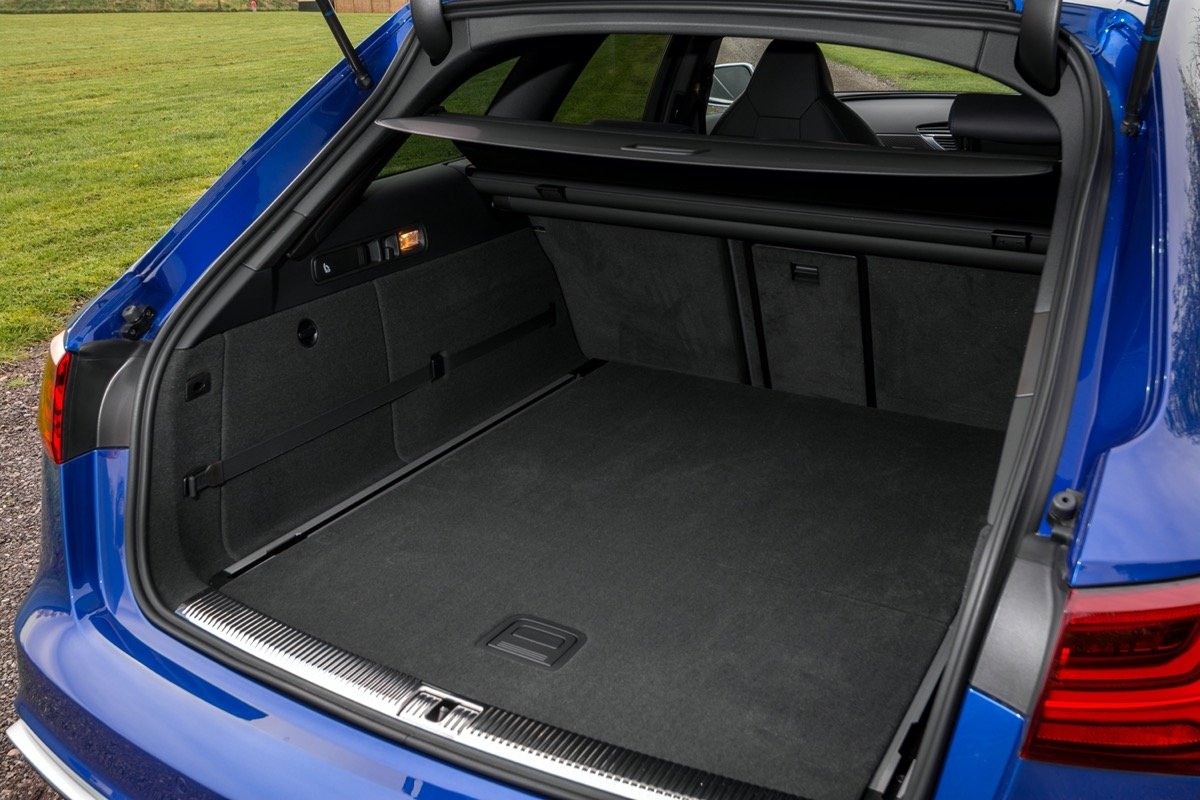
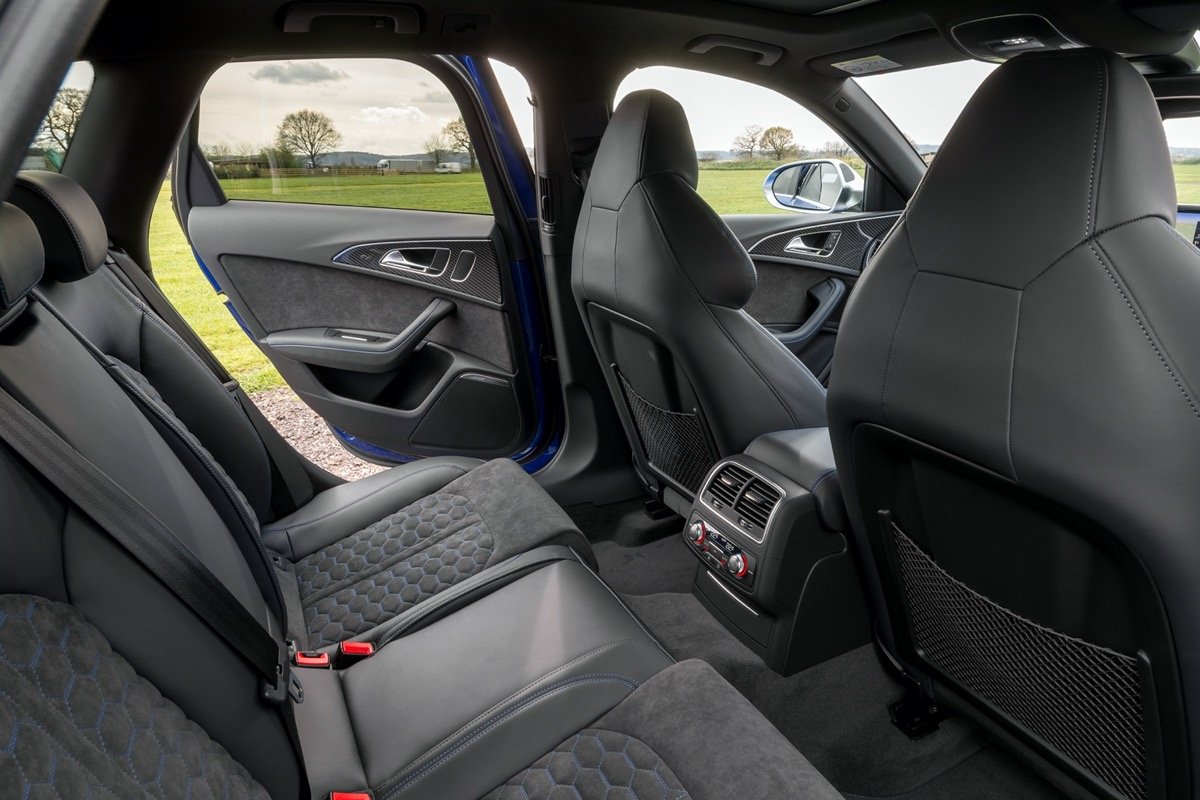
The standard A6 Avant is one of the largest estate cars on the market, so it probably won’t surprise you to learn that the RS6 is no different. Practicality is excellent, with bags of space both in the front and in the rear seats – leg room in the back, in particular, is an A6 strong point.
The boot is similarly huge at 565 litres. Frankly, few people will want for more, but if ultimate carrying capacity really is all, you’ll find the Mercedes-Benz E63 AMG actually has an even bigger load bay – so choose that instead if you’ve, say, large amounts of furniture to shift on a regular basis.
Driving
What's it like to drive?
There are two broad versions of this generation of RS6 Avant. Earlier models, from 2013, had a 4.0-litre twin-turbo V8 under the bonnet, developing 552bhp. This is no small amount in anyone’s book, but it still wasn’t enough for some. So in 2015, the Audi RS6 Avant Performance model was introduced, with power boosted to 597bhp. This lowered the 0-62mph sprint time from 3.9 seconds to 3.7. All models are all-wheel drive, known as quattro, and have an eight-speed automatic gearbox.
The RS6 has an electronic top speed limiter that caps out the max velocity at 155mph. But if the original buyer paid a bit more for the Dynamic package, that’s upped to 174mph, or 189mph if they splashed out more still on the Dynamic Plus pack.
Tech and equipment
Technology, equipment & infotainment
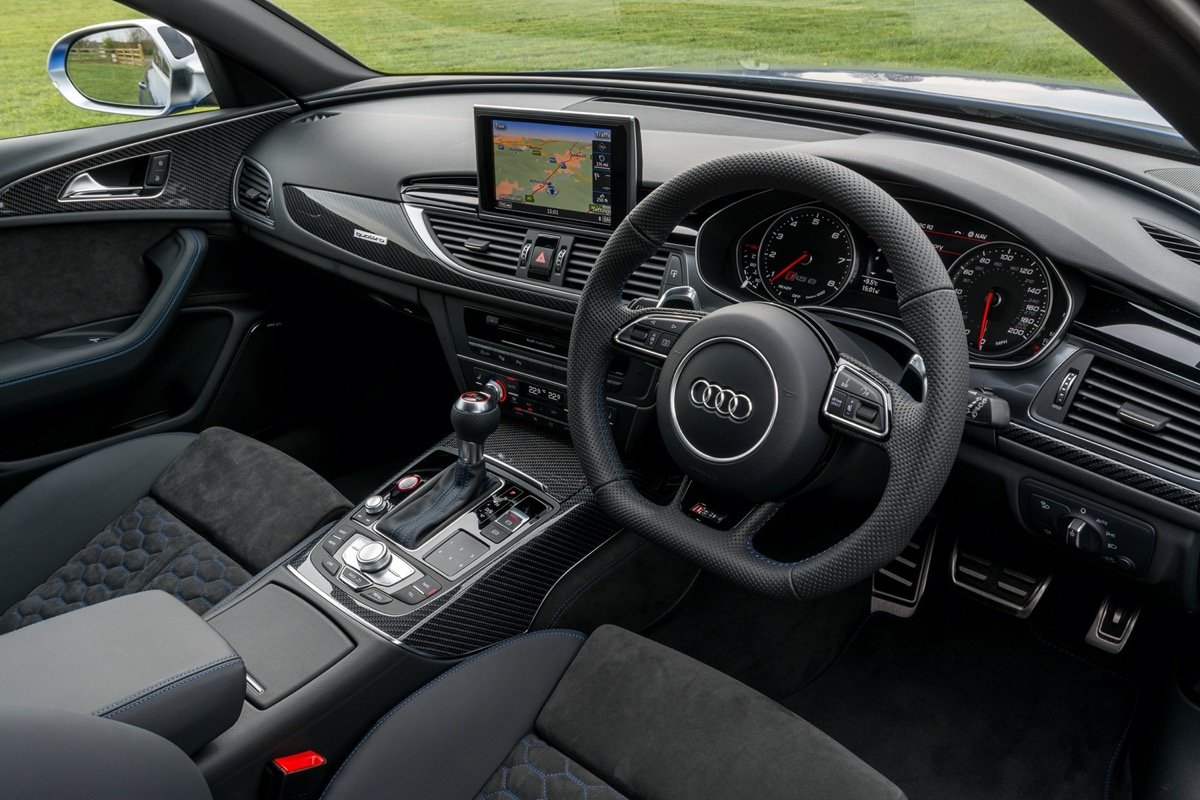
Inside you’ll find the excellent interior quality that Audi is renowned for, and a very reasonable set of standard features, including leather seats, Bose sound system and four-zone air-conditioning.
Adaptive air suspension was included on the RS6 as standard, but new buyers could opt for steel spring sports suspension, and we’d keep an eye out for cars so equipped, because for our money it’s better in terms of both handling and ride comfort. This isn’t a pin-sharp sports car though; it feels heavy at the front end and the steering feel isn’t the most engaging in the world. This is more like a luxurious, velvet-wrapped sledgehammer than a rapier.
Running costs
Audi RS6 Avant running costs
It should almost go without saying that if you’re looking to buy a high performance car like the RS6 Avant then running costs will not be particularly low. Even years after they were new, examples have held their value well, which at least should mean you’ll recoup a chunk when you come to sell it on. But fuel costs, servicing and any replacement parts will all give your wallet a bit of a battering. In fairness, this is true of all its rivals as well.
The official combined fuel economy of the 2013-15 RS6 is 28.8mpg, and 2015-onwards (including the Performance model) is 29.4mpg, but if you’re making use of that power on a regular basis you won’t get near that. We’d reckon low-to-mid 20s is more realistic when it comes to mpg figures.
Drive the car hard – or buy one that’s been given some good workouts – and you may have to replace quite a few bits and bobs. A set of standard brakes will be £2,000-odd, and a set of performance tyres will cost you at least £700, and on the larger 21-inch wheels probably more than a grand. With regular spirited driving, don’t expect a set of tyres to last more than about 10,000 miles.
An RS6 Avant should be serviced every year, and will set you back about £500. For older cars, it may be worth forgoing Audi dealers for independent specialists, as they will likely be cheaper.
Audi RS6 Avant reliability
Audi as a brand tends to sit towards the bottom of independent reliability surveys. But to be fair, so do rivals like BMW and Mercedes-Benz.
All that said, tales of woe about the C7 RS6 Avant tend to be relatively few. There are a few things to be aware of though, and a few things to check if you’re checking out a second-hand buy.
Audi offered a £1,000 sports exhaust on the standard RS6, which was included on the Performance version. Just make sure that if the RS6 you’re looking at sounds fruity that it’s a genuine item, or at least from a reputable aftermarket supplier, as we’ve heard tales of cheaper exhausts having serious catalytic converter issues.
In fact, on that subject, beware of modifications in general, as non-Audi upgrades can cause all sorts of problems. If something’s been fiddled with, make absolutely sure that it was done properly by a reputable firm, and that it’s not putting extra stress in places that can’t handle it.
We’ve heard reports of coolant hoses rubbing and then splitting on later cars, but fixing that is just a matter of moving a clip on the bulkhead to a new place. We’ve also seen reports of leaking shock absorbers on cars equipped with the sports suspension, of which a knocking sound while driving is a telltale sign. This can damage the whole suspension control system if it’s not addressed quickly.
There was an early recall on the 2013 RS6 for a damaged fuel line, so check with a dealer that any remedial work carried out on the car you’re looking at.
Audi offered a standard three-year, 60,000-mile warranty on a new RS6, although that could be extended up to five years and 90,000 miles, which could be handy if any is left on the used examples you’re looking at.

What owners say
Three things to know
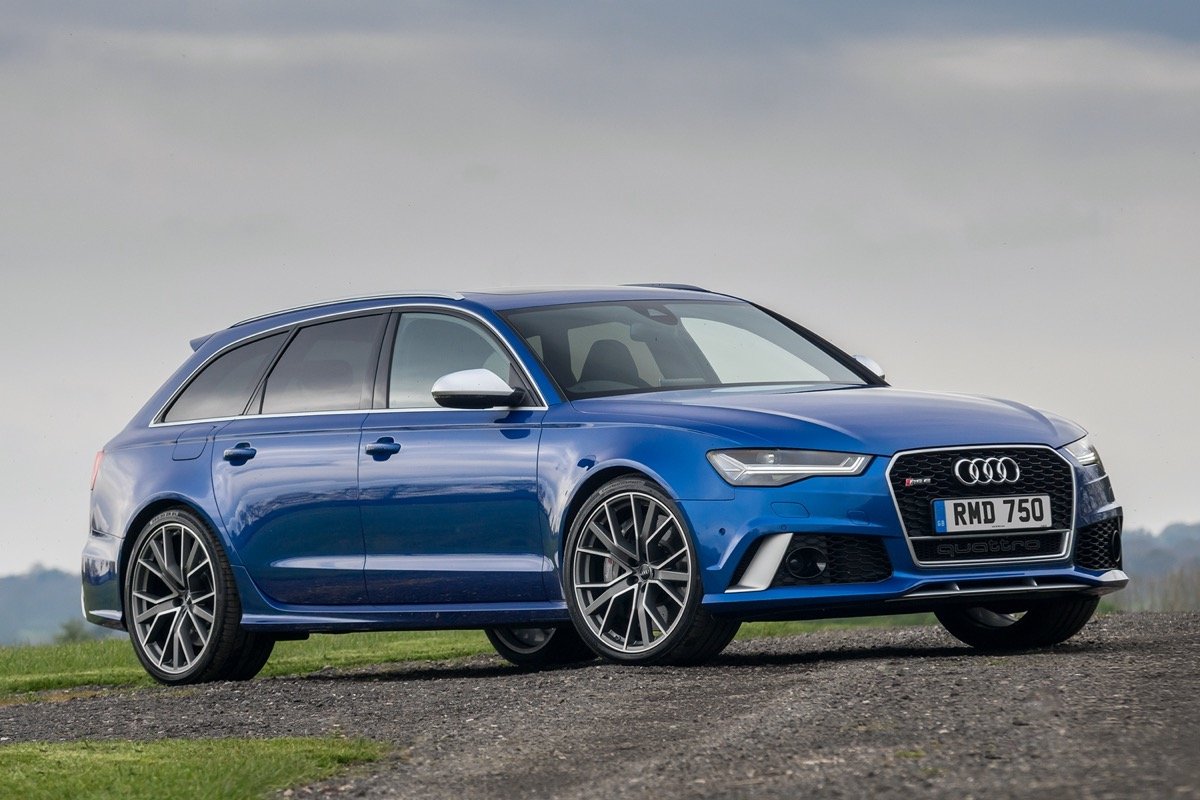
- As well as introducing the Performance model in 2015, Audi also gave the RS6 a subtle facelift. The headlight design was tweaked, and matrix LED units were introduced as standard. These clever bits of kit use multiple LED lamps that can turn off and on instantly, enabling you to keep high beam on at night while oncoming cars are tracked by a camera in the windscreen, and kept in shadow to avoid dazzling them. Other facelift revisions were more angular bumpers, an upgraded infotainment system and double glazing in the front windows to reduce road noise.
- Thanks to developments in engine mapping technology, the RS6 Performance actually has the same fuel economy as the standard RS6, and both models, post 2015, are better than the original 2013 car. The earlier car has an official fuel economy of 28.8mpg combined, while the later ones claim 29.4mpg. In reality however, you’ll be lucky to get close to either of those, especially if you enjoy the power on a regular basis.
- There was a sizeable options list on the RS6 Avant when new, so it’s worth checking the spec of any prospective second-hand purchase. While 20-inch wheels were standard on the regular RS6, 21-inch versions were optional (and standard on the performance model). Other options included dynamic steering that varied the amount of assistance depending on the driver’s personal preference, as well as matt aluminium or carbon exterior design packages. Ceramic brakes were a very expensive extra (and will be very expensive to replace), and some cars were specced with a head-up display and a Bang & Olufsen sound system.
Which one to buy
- If your money can stretch a bit further: We’d go for the RS6 Performance if you can, as you get extra power with no real penalty in fuel economy. But as the Performance cars are newer, you’ll pay a premium for it.
- If you’re on a budget: An early ‘standard’ RS6 Avant will be the cheapest option, and if you can find one that didn’t have most of the options boxes ticked when it was new, you should be able to save a chunk of cash and still have a very fast premium machine.
- If you want the best ride and handling: The RS6 Avant isn’t up there with its rivals when it comes to precision handling, but the optional sports suspension is better than the standard adaptive air suspension, so look for an example that has this fitted. If ride comfort is important, stick to 20-inch wheels over 21s.
- If you want ultimate braking performance: Some RS6’s were equipped with optional carbon ceramic brake discs at considerable expense; it was an £8,000 option. The ceramics will be a serious upgrade if you’re driving your RS6 hard, and resist fade during repeated use, but be warned that they can be noisy when cold and lack feel during normal driving. Oh, and they’ll be very pricey to replace.
- If you want to tow something: Towing a trailer with an RS6 Avant will be some people’s idea of hell, but with all that power and torque it’ll haul stuff pretty well. But be aware that if you have the upgraded sport suspension, you can’t fit a tow bar. So stick with the air set up if you’ve got one eye on a caravanning holiday.